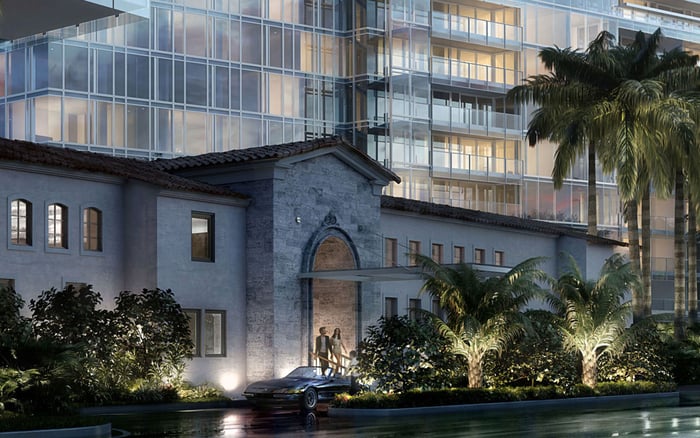
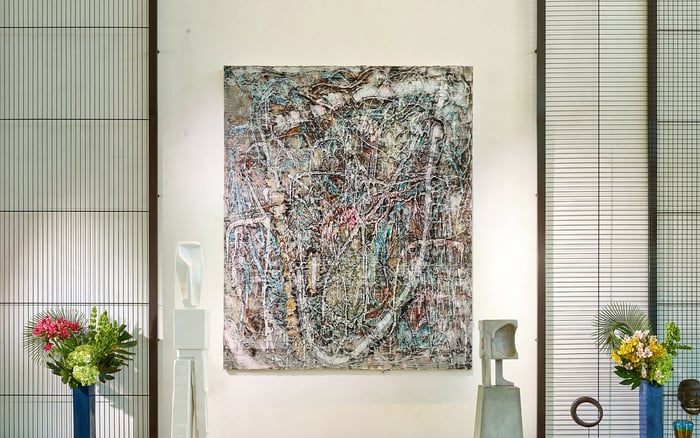
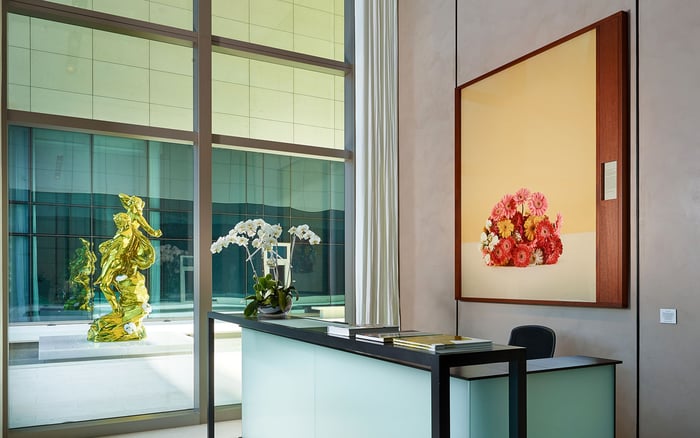
A buyer-focused editorial guide for seasonal Bay Harbor Islands owners who value collection care, lighting discipline, climate control, and vacancy-ready interiors as much as lifestyle amenities.
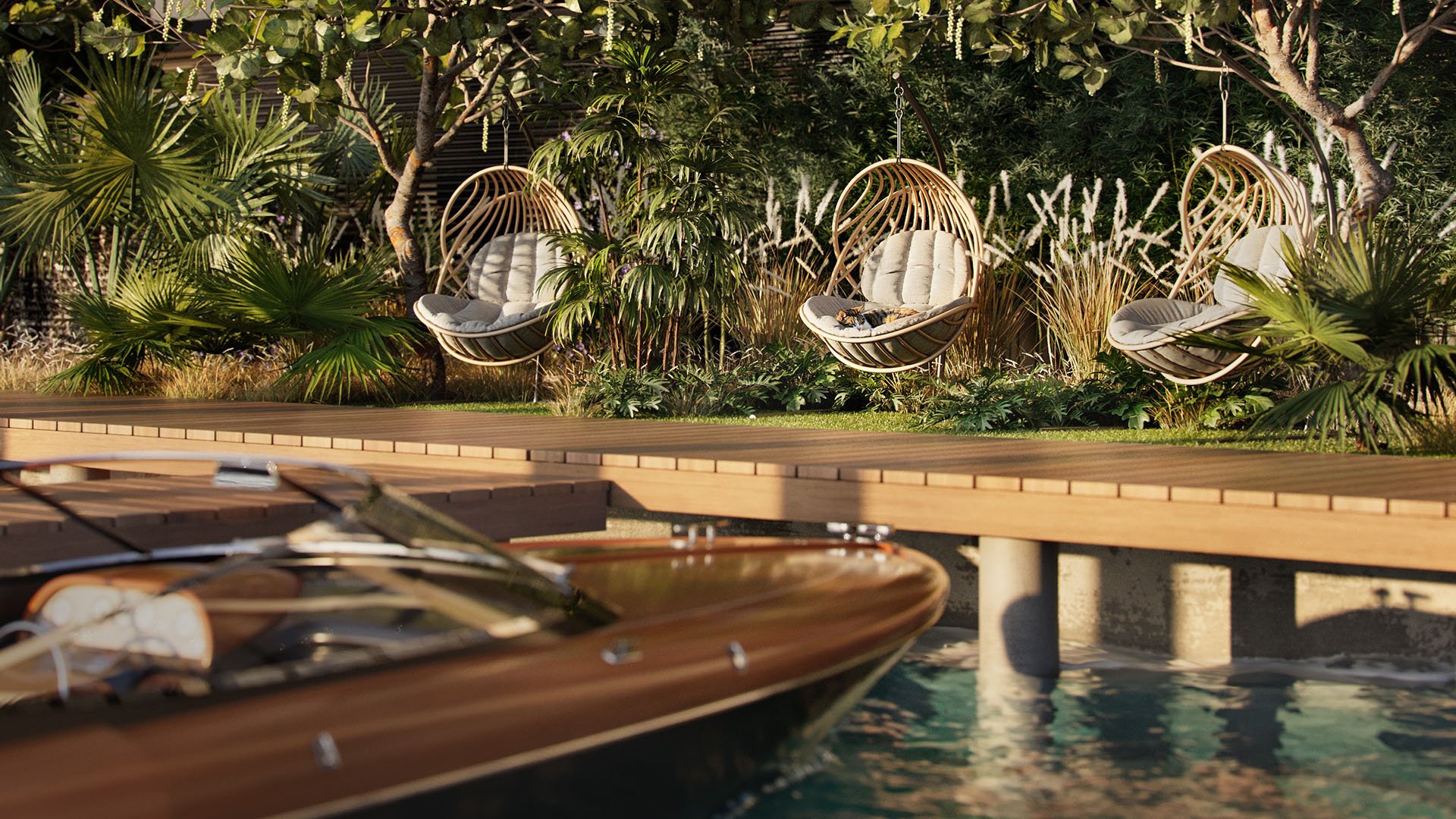
In Bay Harbor Islands, the most consequential luxury feature may not be the pool deck, the lobby, or the social room. For seasonal owners, the real test begins after departure, when the residence goes quiet, art remains installed, wardrobes stay in place, and South Florida’s coastal conditions continue to work on every surface.
The amenity brochure captures how a building feels when the owner is in residence. It rarely explains how a home performs during the months in between. That difference matters for buyers who treat a Bay Harbor Islands condominium as a second home rather than a full-time base. A well-chosen residence should make arrival feel seamless, protect sensitive interiors while vacant, and allow trusted teams to manage the home without turning every absence into a project.
This is where art storage, lighting, and climate control become acquisition criteria. They are less theatrical than a branded spa or a rooftop view, but they speak directly to preservation, comfort, and long-term ownership quality.
A meaningful collection does not need to be museum-scale to require serious planning. Paintings, works on paper, sculpture, photography, design objects, and vintage furniture all respond to heat, moisture, light, handling, and prolonged vacancy. The question is not simply whether a residence has storage. It is whether the storage is appropriate for what will live there.
Buyers should ask where large pieces can be staged during installation, whether there is secure in-residence space for rotation, and how service access works when the owner is away. In Bay Harbor Islands, this can be especially important because many owners balance privacy, family use, and frequent travel. A residence may look effortless in a showing and still require a precise plan for crates, seasonal accessories, linens, framing materials, and climate-sensitive pieces.
At addresses such as Bay Harbor Towers, the more refined question is not only where possessions fit, but how gracefully the building and residence support the life of a collection over time. The answer should be practical, discreet, and easy to execute without improvisation.
Lighting is often sold as atmosphere. For seasonal owners, it is also a preservation strategy. South Florida light can be beautiful, but intense exposure is not always kind to art, fabrics, wood, leather, or certain wallcoverings. A room that dazzles during a midday tour may require a more disciplined plan for daily living and long absences.
Buyers comparing residences such as Alana Bay Harbor Islands should look beyond the first impression of brightness. Ask how natural light enters the primary rooms, whether shades can be automated, how art walls are illuminated, and whether scenes can be programmed for arrival, entertaining, and vacancy. Proper lighting allows a residence to feel warm when occupied and restrained when empty.
The best setups do not force a choice between beauty and protection. They layer architectural lighting, directional art lighting, window treatments, and control systems so a residence can shift from gallery-like to relaxed without compromising what is on the walls. For a seasonal owner, that flexibility can be more useful than a long list of communal amenities.
Climate control is where technical diligence becomes deeply personal. A beautifully furnished home loses its composure when interior conditions are inconsistent. Humidity, heat, and stagnant air can affect artwork, cabinetry, upholstery, books, rugs, and even the way a home smells when the owner returns.
For Bay Harbor Islands buyers, the conversation should include HVAC zoning, dehumidification strategy, remote monitoring, air circulation, service access, and what happens when the residence is unoccupied. The goal is not to turn a private home into a laboratory. It is to create steady conditions that protect the owner’s investment in interiors and reduce the risk of unpleasant surprises after a long absence.
Residences near the water, including settings associated with Onda Bay Harbor, make these questions especially relevant for buyers who value both views and ease of ownership. Waterfront living is one of South Florida’s great privileges, but it rewards owners who respect the technical side of comfort.
Good Design & Architecture in a seasonal residence is not only about materials, proportion, and view corridors. It is about how the home behaves when no one is there. The entry sequence, storage plan, lighting controls, mechanical systems, and back-of-house access all shape the ownership experience.
A Boutique building can be appealing because it often feels more intimate and residential. Yet intimacy should still be matched by operational clarity. Who has authorized access? How are deliveries handled? Can a designer, art handler, or home manager perform work without disrupting the owner’s privacy? Are there logical places for protective coverings, seasonal items, and service supplies?
Bay Harbor Islands also sits within a broader luxury corridor that includes Bal Harbour and Surfside, where buyers often compare quiet residential character with larger resort-style experiences. In that comparison, projects such as La Maré Bay Harbor Islands can sharpen the importance of scale, discretion, and the way a residence supports a refined but practical rhythm.
A polished sales environment can make every residence feel turnkey. The better approach is to tour as if you have already left for three months. Study the walls where art will hang. Stand near the glass and consider exposure. Open closets and storage areas. Ask where framed works, crates, luggage, and off-season wardrobes will go. Request a clear explanation of climate systems, controls, and service protocols.
When reviewing a residence such as The Well Bay Harbor Islands, buyers should separate lifestyle appeal from operational readiness. Wellness amenities may be compelling, but the private residence still needs to protect the owner’s daily objects, art, and interiors when the owner is not present.
The most sophisticated buyers bring the right advisers in early: an interior designer, lighting consultant, art adviser, or home manager. Their questions are often sharper than the standard showing script. They notice outlet placement, wall dimensions, mechanical access, glare, air movement, storage depth, and where a residence may require upgrades before it functions at the level the owner expects.
In the ultra-premium market, effortless ownership is not the absence of complexity. It is the successful management of complexity before it reaches the owner. For seasonal Bay Harbor Islands residents, that means the home should be able to sit quietly, remain stable, and welcome the owner back without evidence of strain.
The amenity brochure still matters. A beautiful pool, elegant arrival, thoughtful wellness programming, and attentive service can enrich life in residence. But they do not replace the fundamentals. If art has no proper place to rest, if lighting is too harsh or too generic, if climate systems are difficult to monitor, the most glamorous amenities become secondary.
A seasonal residence should be judged by a different hierarchy. First, it must protect what the owner brings into it. Second, it must support absence as gracefully as presence. Third, it must make maintenance discreet rather than burdensome. In Bay Harbor Islands, that quiet competence may be the true luxury.
Why does art storage matter for seasonal owners in Bay Harbor Islands? Seasonal owners often leave collections and furnishings in place for extended periods. Thoughtful storage and staging plans help protect valuable pieces and simplify maintenance.
Should buyers ask about climate control before purchasing? Yes. Climate control affects comfort, interior preservation, and the condition of art, furnishings, cabinetry, and textiles during long absences.
Is natural light always a positive in a luxury residence? Not always. Beautiful light can enhance a home, but unmanaged exposure may be difficult for sensitive art, fabrics, and finishes.
What should owners look for in lighting systems? Look for layered lighting, art-focused fixtures, automated shades, and programmable scenes that support both occupancy and vacancy.
Are amenities less important for seasonal buyers? Amenities still matter, but they should not distract from the private residence’s ability to protect interiors when the owner is away.
How can a buyer evaluate storage during a showing? Walk through where art, crates, luggage, linens, and seasonal wardrobes would actually go. If the plan feels improvised, ask deeper questions.
Does waterfront ownership change the diligence process? Waterfront settings can be highly desirable, but they make climate awareness, material selection, and maintenance planning especially important.
Should an art adviser be involved before closing? For meaningful collections, early input can be valuable. An adviser can assess walls, light exposure, handling logistics, and storage needs.
What makes a residence easier to manage from afar? Remote monitoring, clear service access, stable climate systems, organized storage, and trusted building protocols all support easier ownership.
What is the best mindset for buying a seasonal residence? Tour the home as if you have already left for the season. The strongest choice is the residence that performs beautifully while quiet.
To compare the best-fit options with clarity, connect with MILLION.
If branded residences are on your mind — as a home or as an allocation — we would be glad to share what we are seeing, privately.
Begin a quiet conversation