A discreet buyer-focused comparison of security expectations, arrival control, privacy culture, and due diligence questions for two ultra-premium South Florida residential settings.
In South Florida’s ultra-premium residential market, security is rarely a single feature. It is a choreography of arrival, recognition, privacy, staffing, technology, and restraint. The best residences do not make security feel theatrical. They make it feel natural, quiet, and embedded in the way an owner lives.
That distinction matters when comparing The Estates at Acqualina and The St. Regis Residences Bal Harbour. Both names belong in a buyer conversation where privacy, discretion, and controlled access are not optional preferences. Yet the right comparison is not simply which property is more secure. It is which security culture best matches the owner’s daily rhythm.
A family with children, visiting relatives, domestic staff, drivers, trainers, and rotating guests may need a different protocol than a seasonal owner who values minimal interaction and a highly private arrival sequence. A collector with public visibility may prioritize identity management. A second-home owner may care most about unattended-residence oversight, package handling, and guest authorization.
For buyers using shorthand search filters such as Oceanfront, Gated-community, or Second-home, the deeper inquiry should be operational. How are visitors verified? How is staff access handled? How much of the process is visible to residents and guests? What happens after hours? The answers define the lived experience more than any single amenity description.
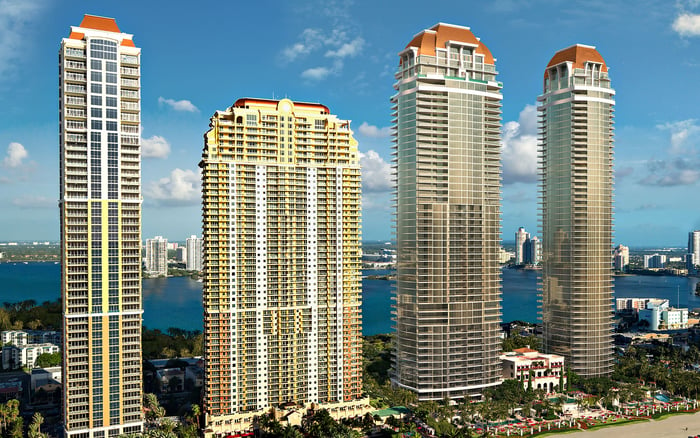
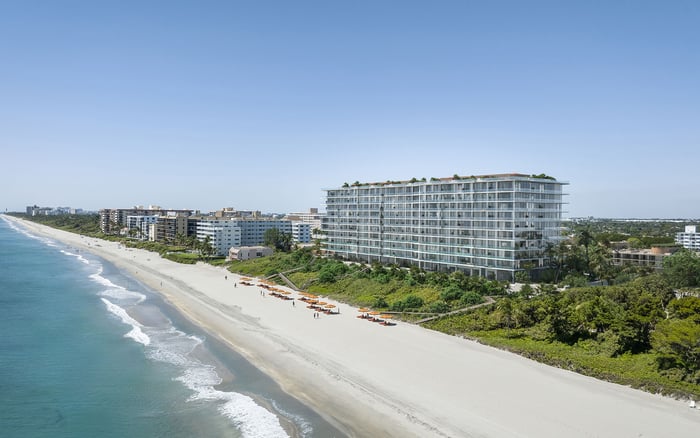
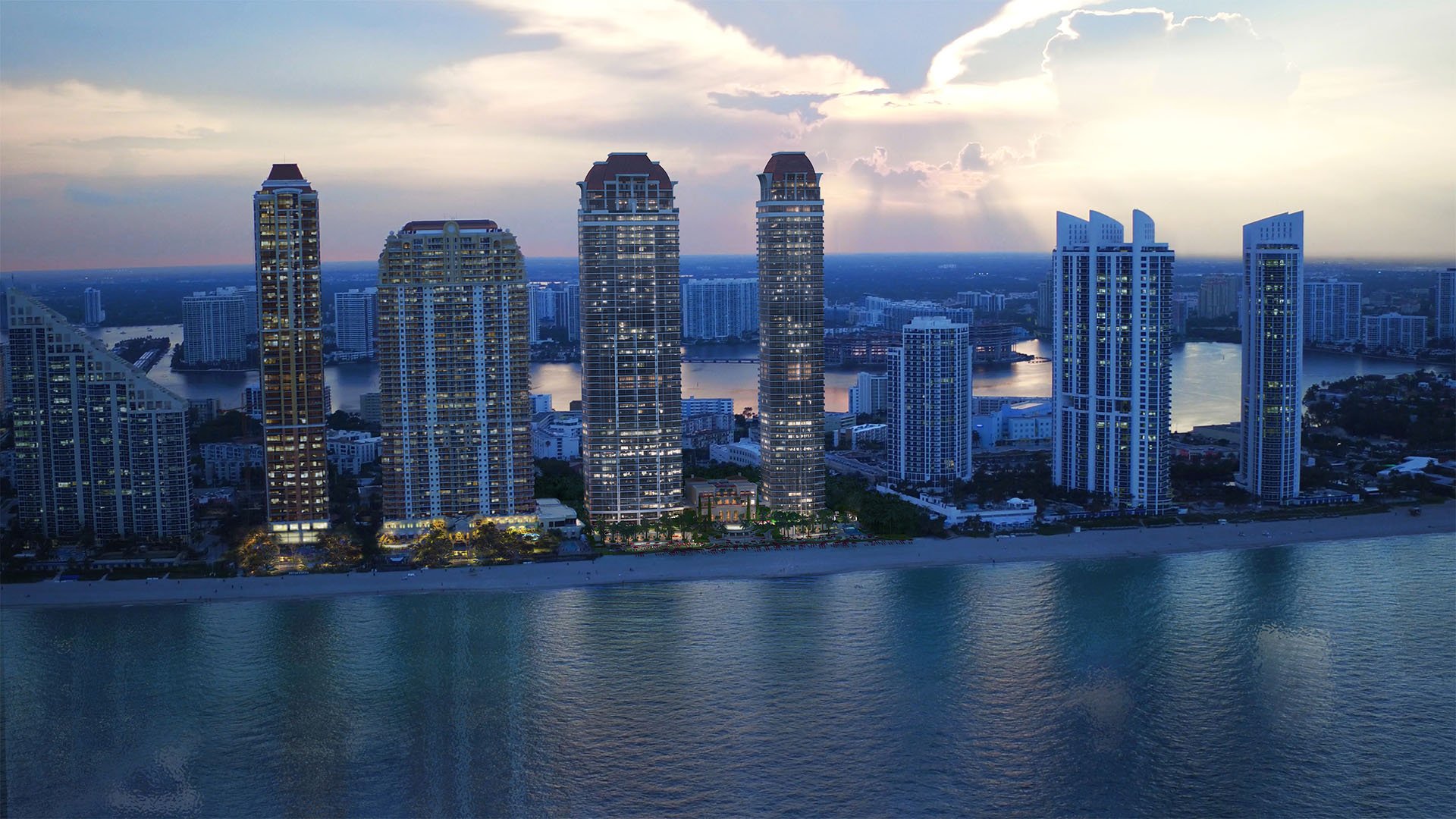
The Estates at Acqualina is often discussed in the context of Sunny Isles luxury, where large-scale coastal living, resort-style expectations, and high-net-worth visibility can shape buyer priorities. The St. Regis Residences Bal Harbour enters a separate but related conversation, one tied to Bal Harbour discretion, refined service expectations, and proximity to one of the region’s most established luxury retail and residential enclaves.
Because specific internal procedures are not always publicly detailed, serious buyers should avoid assuming that brand reputation alone explains the full security environment. The better approach is to evaluate posture. Posture is the total impression created by access points, staff training, resident recognition, guest processing, service coordination, and privacy boundaries.
At the highest level, a buyer should ask whether the property feels intentionally layered. A strong security environment does not rely on a single desk, gate, or camera field. It usually feels like a sequence: arrival, acknowledgment, verification, transition, elevator or residence access, and continued discretion once a guest is inside the private realm. The more seamless the sequence, the less intrusive it feels.
For a principal residence, that sequence must be durable. It has to work on a quiet weekday morning, during a holiday weekend, and when multiple guests arrive at once. For a seasonal residence, it must also function when the owner is absent. The true test is not only what residents experience when everything is routine, but how the property handles exceptions without drawing attention.
Arrival is where security becomes visible. It is also where luxury can either be preserved or compromised. A grand motor court can feel diminished if visitor handling is uncertain. A discreet lobby can feel exposed if too many movements converge in one place. The buyer’s task is to understand how each property separates residents, guests, vendors, deliveries, and service traffic.
For The Estates at Acqualina, a buyer should focus on how the arrival experience supports the scale and energy associated with a prominent oceanfront environment. The questions are practical: where guests are received, how they are cleared, how vehicles are managed, and how staff distinguish residents, authorized visitors, and service providers.
For The St. Regis Residences Bal Harbour, the inquiry should be similarly precise, though the emphasis may lean toward privacy calibration. How formal is the greeting? How discreet is the transition from arrival to residence? How does the building maintain polish while still enforcing boundaries? For many buyers, the most desirable security is not the most visible one. It is the one that protects without announcing itself.
Visitor management deserves particular attention. Ultra-luxury residences frequently host household employees, private chefs, stylists, medical professionals, security consultants, art handlers, and family offices. The stronger protocol recognizes complexity without turning daily life into a negotiation. Buyers should ask how recurring visitors are authorized, how temporary visitors are treated, and how last-minute changes are managed.
Technology matters, but culture often matters more. Cameras, access systems, and controlled entries are only as effective as the people operating them. In a premium residence, staff should understand that security is not merely prevention. It is also discretion, memory, tone, and judgment.
That is why buyers should pay attention to small cues during a private tour. Does staff ask the right questions without overexplaining? Are resident areas treated as private by default? Is there a calm distinction between hospitality and access control? Are conversations handled quietly? These details often reveal whether the building’s security culture has maturity.
The comparison between these two addresses should therefore include service temperament. A more formal environment may appeal to an owner who wants every arrival acknowledged and structured. A more residentially quiet environment may appeal to an owner who wants fewer visible touchpoints. Neither approach is universally superior. The correct fit depends on the owner’s tolerance for ceremony, exposure, and interaction.
Families should also think beyond the owner’s own movements. Children, grandparents, household staff, tutors, and drivers all create recurring access patterns. A refined protocol should protect the residence while allowing trusted daily routines to operate smoothly. When security is too rigid, it can become frustrating. When it is too relaxed, it can undermine the purpose of choosing a premium building in the first place.
Before making a decision, buyers should request a private, detailed conversation about current protocols. The most useful questions are specific and situational. How are vendors screened? What is the process for overnight guests? How are deliveries routed? What happens if a resident is traveling and a family member needs access? How is privacy protected during high-profile visits?
Buyers should also ask how the building handles information. In luxury real estate, privacy is not only physical. It includes names, schedules, guest lists, travel patterns, and service preferences. A building can have impressive access control and still feel inadequate if personal information is handled casually.
The strongest comparison will come from walking the actual path of daily life. Enter as a resident would. Imagine a driver arriving late. Imagine a trainer coming at dawn. Imagine a caterer, a florist, or an art delivery. Imagine a guest who is expected, then one who is not. The right residence will answer these scenarios calmly.
In the end, The Estates at Acqualina and The St. Regis Residences Bal Harbour should be judged less as competing labels and more as different privacy ecosystems. For some buyers, the priority will be resort-like scale with layered control. For others, it will be a more intimate sense of refined, quiet access. The best choice is the one that lets an owner feel protected without feeling managed.
Is one property clearly more secure than the other? Not without reviewing current internal procedures. Buyers should compare access control, visitor handling, staffing culture, and privacy practices directly.
What is the first security question a buyer should ask? Ask how residents, guests, vendors, and household staff are separated from arrival through residence access.
Why does arrival design matter so much? Arrival is where privacy, hospitality, and control meet. A strong arrival sequence protects residents without creating unnecessary friction.
Should buyers rely on brand reputation for security comfort? Brand context can be helpful, but it should not replace a detailed protocol review. The lived experience depends on daily operations.
What should seasonal owners focus on? Seasonal owners should ask about unattended-residence procedures, guest authorization, deliveries, maintenance access, and emergency contact protocols.
How should families evaluate security? Families should test how routines work for children, relatives, tutors, drivers, and household employees. Flexibility and control both matter.
Does more visible security mean better security? Not always. In luxury residential settings, the most effective protection often feels quiet, layered, and unobtrusive.
Why is staff culture important? Staff judgment shapes how protocols are applied in real life. Discretion, consistency, and calm communication are essential.
How should a buyer compare Sunny Isles and Bal Harbour priorities? Consider personal lifestyle, visibility, service expectations, and preferred arrival rhythm. The best fit depends on how the owner actually lives.
Can security protocols change after purchase? Yes, operating practices can evolve over time. Buyers should understand current procedures and how changes are communicated to residents.
When you're ready to tour or underwrite the options, connect with MILLION.
If branded residences are on your mind — as a home or as an allocation — we would be glad to share what we are seeing, privately.
Begin a quiet conversation