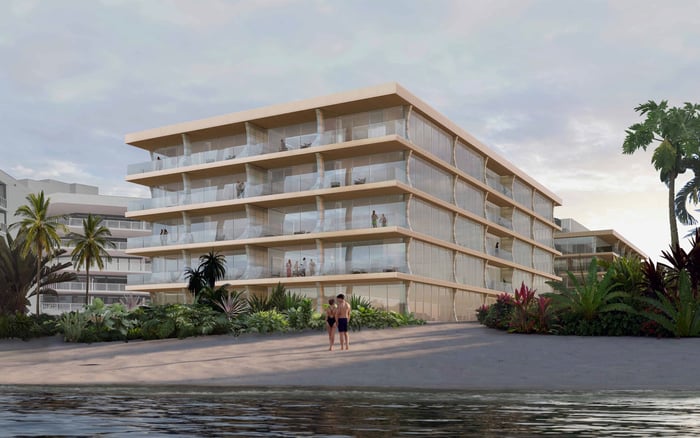
A buyer-focused guide to the Palm Beach County residence types best suited for AI-ready smart-home infrastructure, from new construction to secure estate compounds.
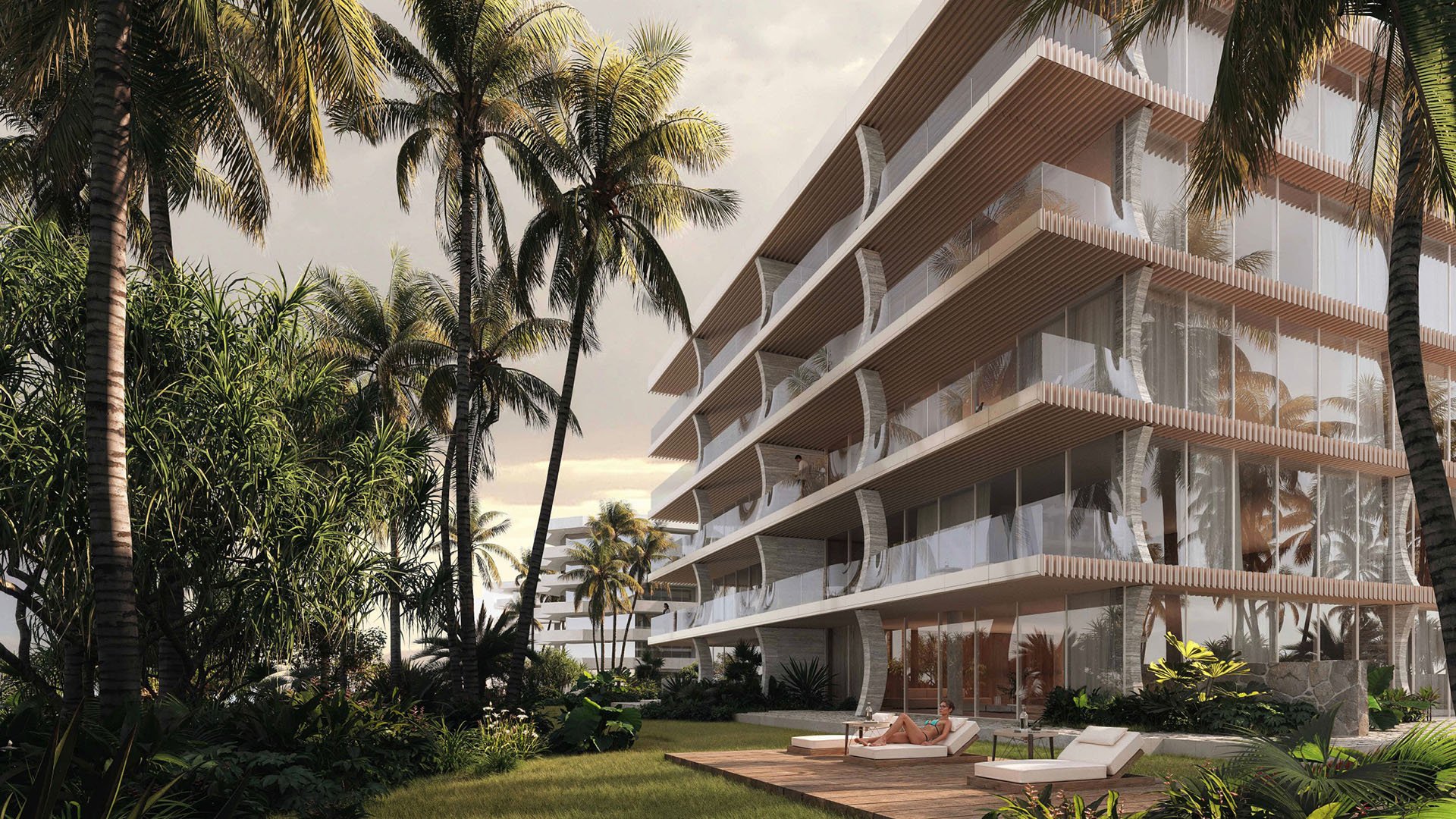
For the luxury buyer, an AI-ready home is not defined by a voice assistant, motorized shades, or a wall of touchscreens. Those are surface features. The real value sits behind the walls, in mechanical spaces, across the network architecture, and in the home’s capacity to adapt as artificial intelligence becomes more embedded in daily life.
In Palm Beach County, that distinction matters. Residences are often large, layered, and service-intensive. A property may need to support private offices, wellness rooms, security systems, climate zones, guest suites, vehicle charging, art lighting, pool systems, landscape irrigation, and staff operations at once. AI can eventually coordinate these environments with subtlety, but only when the underlying infrastructure is resilient, secure, and flexible.
The most compelling homes for this buyer are not always the ones with the most visible technology. They are the residences planned with structured cabling, robust Wi-Fi design, protected equipment locations, sufficient electrical capacity, logical control zones, and privacy-aware system separation. Put simply, the right residence should be ready for tomorrow’s intelligence without requiring tomorrow’s renovation.
For buyers comparing Palm Beach, West Palm Beach, and Boca Raton residences, the common thread is not geography alone. It is infrastructure discipline.
1. New construction oceanfront condominium - cleanest infrastructure canvas
A newly delivered or pre-completion condominium can be the most straightforward environment for an AI-forward buyer because the infrastructure can often be evaluated before heavy customization begins. The best candidates provide clear pathways for lighting control, shade integration, climate zoning, security, audio, and future network upgrades.
For buyers, the key is to look beyond finishes. Stone, millwork, and views may define the emotional impression, but AI-readiness depends on what can be accessed, upgraded, isolated, and serviced. A residence with organized low-voltage planning and adequate equipment capacity will age more gracefully than one reliant on ad hoc wireless fixes.
2. Renovated Palm Beach estate - heritage character with modern systems
A renovated estate can offer the rare balance of architectural presence and modern convenience. For buyers who want privacy, grounds, entertaining scale, and a more personal residential identity, the ideal property is one where technology has been integrated discreetly rather than imposed visibly.
The strongest candidates are those where systems have been thoughtfully consolidated: lighting scenes that respect the architecture, climate control by functional zone, security that does not overwhelm the entry sequence, and network coverage that reaches outdoor living areas without visual clutter. In this category, concealment is part of the luxury.
3. Waterfront estate with dedicated service backbone - best for complex households
For larger households, AI-ready infrastructure is a matter of operational calm. A waterfront estate may support marine access, outdoor entertaining, layered security, guest circulation, and staff workflows. The residence should be able to separate family, guest, staff, and building systems so convenience does not compromise privacy.
The most attractive version is a home with a clearly planned equipment strategy. That means protected spaces for racks and controls, sensible backup planning, and a network design that can handle multiple simultaneous demands. AI is most useful in these homes when it reduces friction without making the property feel over-programmed.
4. Full-service West Palm Beach residence - strong fit for lock-and-leave buyers
A full-service residence in West Palm Beach can appeal to buyers who want urban convenience and a controlled living environment. In this setting, smart-home priorities often include remote access, entry management, climate scheduling, leak detection, package coordination, and the ability to prepare the home before arrival.
The best candidates are residences where private in-unit systems work cleanly alongside building systems. Buyers should understand which elements are controlled by the owner and which are managed by the association or building operations. That distinction matters when customizing automation, security, and maintenance alerts.
5. Boca Raton gated residence - privacy-first automation environment
A gated residence in Boca Raton can be especially appealing for buyers who place privacy at the center of their technology decisions. The ideal property supports secure arrival, controlled perimeter awareness, reliable interior connectivity, and intelligent management of lighting, climate, pool, and landscape systems.
For this buyer, AI-readiness should not feel performative. The home should anticipate routine needs while allowing the owner to remain in command. The best infrastructure is quiet, legible, and serviceable, with enough flexibility to evolve as household patterns and technologies change.
The interface is usually the least important part of the smart home. Screens, apps, and branded control panels change quickly. Infrastructure does not. Before assigning value to a residence’s technology package, buyers should understand how the home is wired, how the network is distributed, where equipment is housed, and how easily the system can be maintained.
A serious inspection should include the location and condition of equipment racks, the logic of wireless access points, the separation of guest and owner networks, the ability to support hardwired devices, and the approach to cybersecurity. Power is equally important. AI-driven systems depend on continuity, so backup strategies, surge protection, and mechanical resilience deserve close attention.
The most refined homes do not announce their intelligence. They simply work. Lights transition properly. Temperatures remain balanced. Doors, cameras, shades, pool systems, and entertainment operate without drama. Staff and service providers can do their work without exposing sensitive controls. Guests enjoy simplicity while the owner retains authority.
AI-ready infrastructure is becoming a form of future-proofing. It does not guarantee that every new technology will be seamless, but it gives the residence a stronger foundation. For owners who may hold a property for years, that foundation can reduce disruption and preserve optionality.
It also supports discretion. Ultra-high-net-worth buyers often prefer homes where technology serves mood, security, wellness, and efficiency without becoming the aesthetic theme. The right residence can support advanced automation while still feeling calm, personal, and architecturally composed.
In Palm Beach County, where residences range from oceanfront condominiums to estate compounds, the best choice depends on lifestyle. The frequent traveler may prioritize remote management. The collector may prioritize lighting and environmental stability. The privacy-focused owner may prioritize network separation and secure access. The host may prioritize entertaining scenes and outdoor coverage. AI-readiness is not one feature. It is a design philosophy.
What makes a residence AI-ready? It has the wiring, network strength, power planning, equipment space, and system flexibility to support evolving automation without constant reconstruction.
Is new construction always better for smart-home infrastructure? Not always, but it often provides a cleaner path for planning, documentation, and upgrades before interiors are fully customized.
Should buyers prioritize wired or wireless systems? Wired infrastructure remains valuable for reliability, while wireless systems add convenience. The strongest homes usually support both.
Why does equipment location matter? Poorly placed equipment can overheat, become difficult to service, or create visual clutter. Dedicated, protected locations improve long-term performance.
How important is cybersecurity in a luxury smart home? It is essential. A connected residence should separate sensitive owner systems from guest access and building or service functions.
Can older Palm Beach County homes be AI-ready? Yes, if renovations include thoughtful wiring, network design, electrical planning, and accessible pathways for future upgrades.
What should lock-and-leave buyers prioritize? Remote climate control, leak detection, secure access, camera visibility, and reliable alerts are especially important for seasonal owners.
Does AI-ready technology affect resale appeal? It can support appeal when systems are discreet, documented, serviceable, and not dependent on obsolete interfaces.
Should smart-home systems be visible? In the luxury segment, the best systems are usually quiet and integrated. The experience should feel effortless, not theatrical.
What is the first question to ask before buying? Ask how the residence is wired, powered, secured, and serviced before focusing on apps, touchscreens, or individual devices.
For a discreet conversation and a curated building-by-building shortlist, connect with MILLION.
If branded residences are on your mind — as a home or as an allocation — we would be glad to share what we are seeing, privately.
Begin a quiet conversation