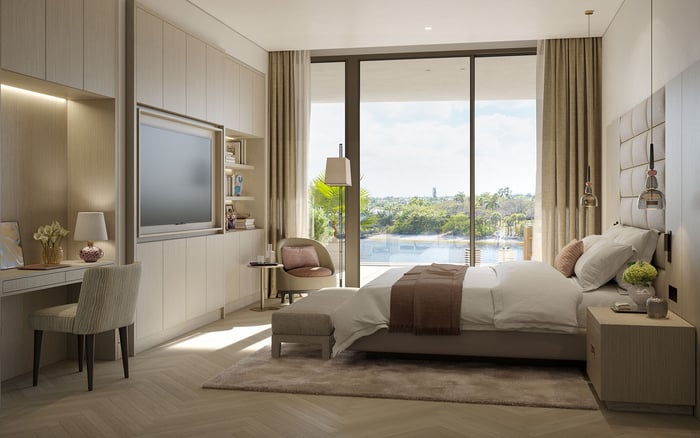
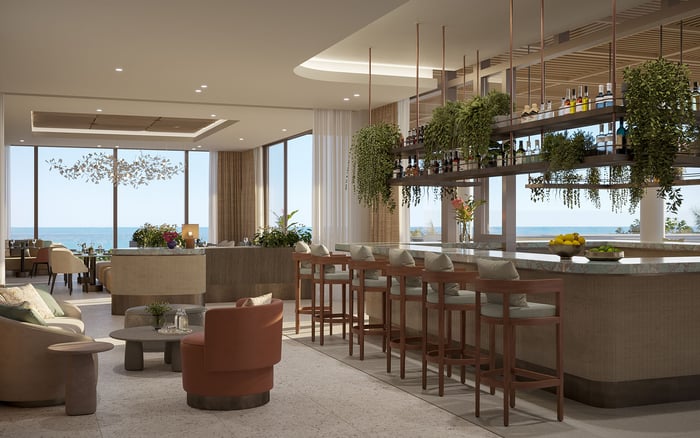
A buyer-focused guide to evaluating art-wall lighting at Rosewood Residences Hillsboro Beach, with practical questions for presentation, preservation, controls, and long-term value.
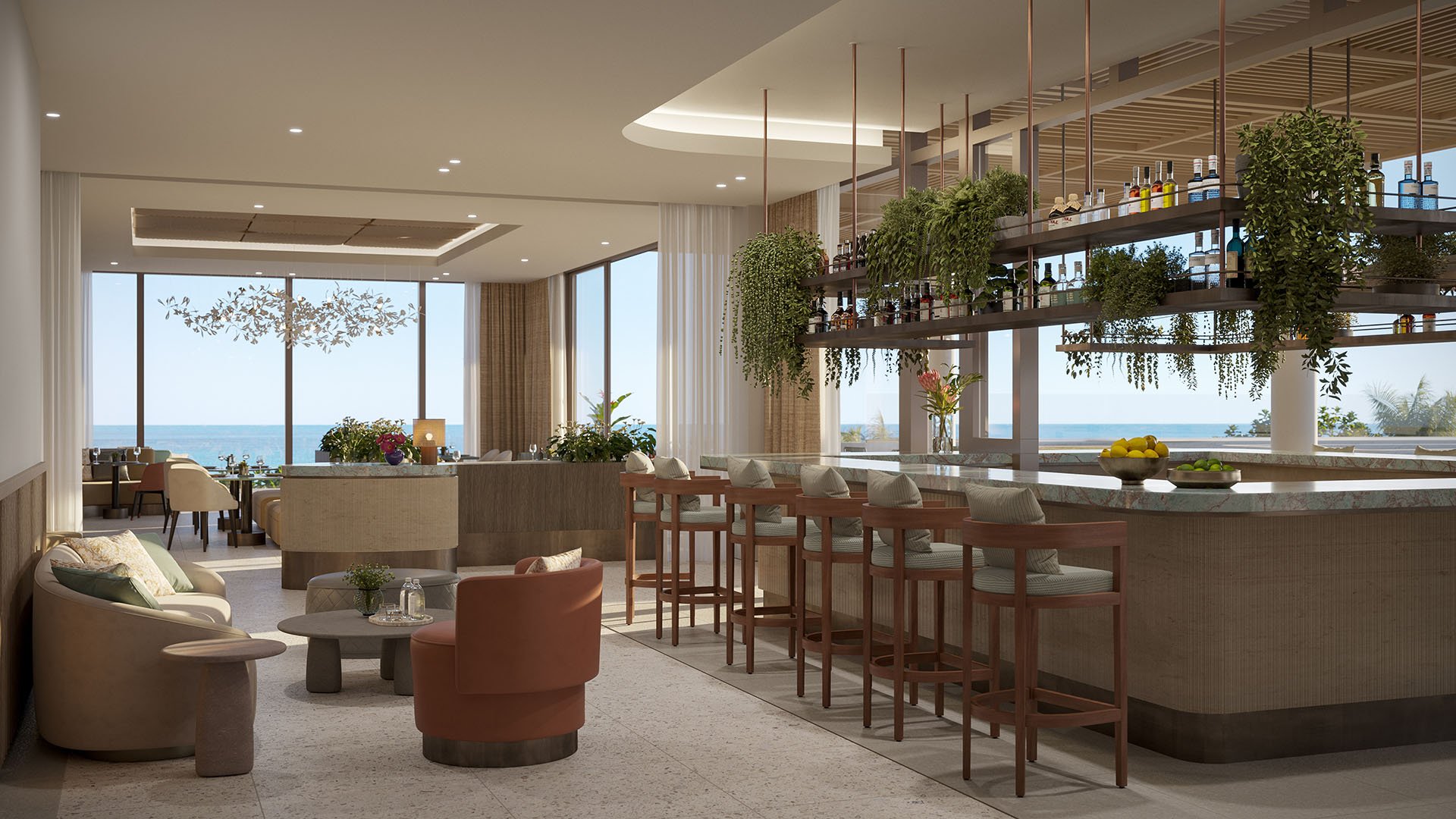
At the top of South Florida’s coastal market, buyers have long known how to read the obvious signals: waterfront orientation, ceiling height, terrace depth, privacy, arrival sequence, and the emotional pull of a well-composed ocean view. In 2026, another test belongs in that same conversation. It is quieter, more technical, and often missed on a first tour: art-wall lighting.
For buyers considering Rosewood Residences Hillsboro Beach, the question is not whether the residence can be made attractive after closing. The more important question is whether the home has been planned from the outset to present and protect a serious art collection. Decorative fixtures can flatter a room for a few minutes. Infrastructure-level lighting can support a collection for years.
That distinction matters in South Florida coastal residences, where interiors are often expected to balance waterfront atmosphere with private-gallery discipline. A buyer who collects paintings, photography, sculpture, works on paper, or design objects should evaluate lighting with the same seriousness applied to glazing, mechanical systems, and privacy. At this level, illumination is not a finishing touch. It is part of the architecture.
A well-lit art wall does more than brighten a canvas. It controls how color is perceived, how texture reads, how shadows fall, and how the eye moves through a room. In a waterfront setting, it must also coexist with strong natural light, reflective surfaces, evening entertaining, and changing conditions from morning to night.
This is why the buyer lens at Rosewood Residences Hillsboro Beach should be practical rather than romantic. The right question is not, “Are the fixtures beautiful?” It is, “Can this residence handle a meaningful collection without compromise?” That means studying ceiling coordination, fixture placement, control scenes, dimming quality, tunable-white capability, and the ability to light specific walls without glare or hot spots.
Color rendering is especially important. Buyers do not need to speak like lighting engineers, but they should understand the principle: art should appear natural, nuanced, and faithful to its intended palette. Poor lighting can make a blue-black photograph read flat, a pale painting appear yellow, or a textured work lose depth. Beam spread matters as well. A narrow beam can create drama but may leave edges underlit. A wider beam can soften the wall but may wash the room too broadly.
In new-construction and pre-construction purchases, these decisions are easier to address before interiors are finalized. Retrofitting after completion can be possible, but it may involve ceiling work, control-system changes, and compromises that sophisticated buyers would rather avoid.
A buyer can learn a great deal in one focused hour. Begin in the principal entertaining space. Stand where a major work might hang and look up. Are the ceiling apertures positioned to reach the wall cleanly, or are they centered for generic room lighting? If the residence is a shell or model unit, ask whether the ceiling plan anticipates future art walls, not merely furniture layouts.
Next, examine the relationship between lighting and wall surfaces. Large uninterrupted walls are valuable only if they can be illuminated. A beautiful wall with no planned lighting path may become a design frustration. Conversely, a modest wall with precise illumination can become a focal point.
Then test the room at different light levels. If controls are available, ask to see evening, entertaining, and low-light scenes. The transition should feel smooth, not abrupt. Dimming should not cause flicker or color instability. Tunable-white lighting, where present, should allow the home to move from crisp daytime clarity to warmer evening atmosphere without distorting the art.
Look for glare from glossy floors, glass doors, metal details, and framed works. Glare is not simply annoying. It determines whether art can be enjoyed from the room’s natural seating positions. A collector should sit, stand, and walk the space, because an art wall is experienced in motion.
Finally, ask about flexibility. A collection changes. Works rotate. A buyer may want a salon-style installation one year and a single monumental piece the next. The best luxury residences give owners options without requiring invasive reconstruction.
For high-net-worth buyers, art lighting is not only about atmosphere. It is also about stewardship. Works on paper, photography, textiles, and certain pigments can be sensitive to excessive light exposure. A residence designed for art should allow beauty without unnecessary risk.
That does not mean a private home must behave like a museum. It means the owner should have control. Light levels should be adjustable. Scenes should be intuitive. Art walls should not be blasted with the same intensity used for housekeeping or daytime staging. When a residence allows separate control of art lighting, ambient lighting, and decorative lighting, the owner can protect the collection while still entertaining beautifully.
This is where the difference between decorative and architectural lighting becomes clear. A sculptural chandelier may define the mood of a dining room, but it is rarely the answer for a painting on the adjacent wall. Cove lighting can add softness, yet it may not provide the directionality needed for texture. Recessed or track-based solutions can be powerful, but only if their placement, beam angle, and controls were considered in relation to the art.
For Rosewood Residences Hillsboro Beach, the buyer test should therefore connect aesthetics, conservation, and long-term value. A residence that can support serious art without visible improvisation may appeal to a deeper pool of future buyers. Resale strength often comes from qualities that are expensive or difficult to add later, and thoughtful lighting infrastructure belongs in that category.
Rosewood Residences Hillsboro Beach belongs in a South Florida conversation where the most discerning buyers are not simply comparing square footage. They are comparing how a residence behaves. Does it support a calm arrival? Does it hold privacy? Does it frame water with restraint? Does it let an owner live with art in a way that feels intentional rather than staged?
In this environment, art-wall lighting becomes a measure of whether the home’s design intelligence matches the expectations of a coastal ultra-luxury residence. The standard is not generic condominium living. It is polished, private, and deeply residential.
A buyer should also consider how the residence will feel after the model-unit effect fades. Furniture can be replaced. Window treatments can evolve. Art can rotate. But ceiling locations, wiring strategy, and control logic are more permanent. If those elements are aligned, the home can adapt gracefully. If they are not, the owner may inherit a beautiful space that resists the collection it was meant to hold.
The most successful walkthrough is not adversarial. It is curious and exacting. Ask where major works are expected to go. Ask how the lighting scenes are organized. Ask whether art walls were planned as part of the architectural package. Ask what changes remain possible before closing or build-out. The answers reveal whether the residence has been designed for the way sophisticated owners actually live.
For collectors and design-led buyers, the 2026 standard is clear: lighting should not merely decorate luxury. It should disclose it. At Rosewood Residences Hillsboro Beach, that makes the art wall one of the most revealing places to look.
Why is art-wall lighting a buyer test in 2026? It shows whether a residence is engineered for sophisticated living, not merely staged for a first impression.
What should buyers look for first during a walkthrough? Start with ceiling placement, wall availability, glare, and whether lighting can be aimed at art rather than just the room.
Is decorative lighting enough for serious art? Usually no. Decorative fixtures create atmosphere, while art lighting requires controlled placement, beam spread, and dimming.
Why does color rendering matter? It affects whether paintings, photography, and textured works appear natural, nuanced, and visually accurate.
What is tunable-white lighting? It allows the color temperature of light to shift, helping rooms feel crisp by day and warmer in the evening.
Can art lighting be added after closing? Sometimes, but retrofits may require ceiling work, new controls, or compromises that planning could have avoided.
How does waterfront light affect art display? Strong natural light and reflections can create glare, fading concerns, and uneven viewing conditions without proper control.
Does art-wall lighting influence resale value? It can, especially for buyers who value design infrastructure that is costly or difficult to add later.
Is this guidance only for Rosewood Residences Hillsboro Beach? No. The same principles apply across top-tier South Florida waterfront residences with serious design expectations.
What is the best way to shortlist comparable options for touring? Start with location fit, delivery status, and daily lifestyle priorities, then compare stacks and elevations to validate views and privacy.
To compare the best-fit options with clarity, connect with MILLION.
If branded residences are on your mind — as a home or as an allocation — we would be glad to share what we are seeing, privately.
Begin a quiet conversation