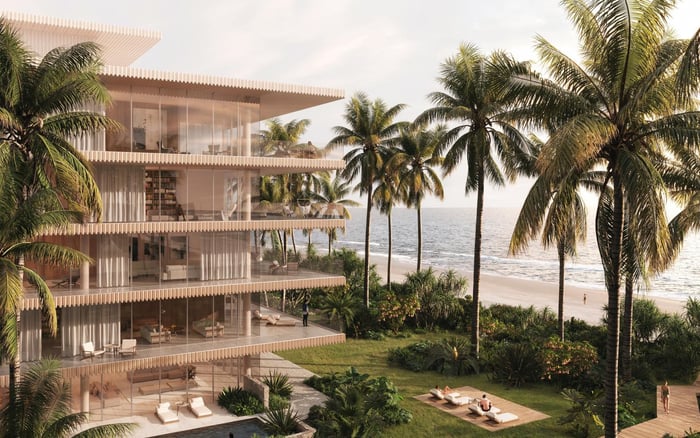
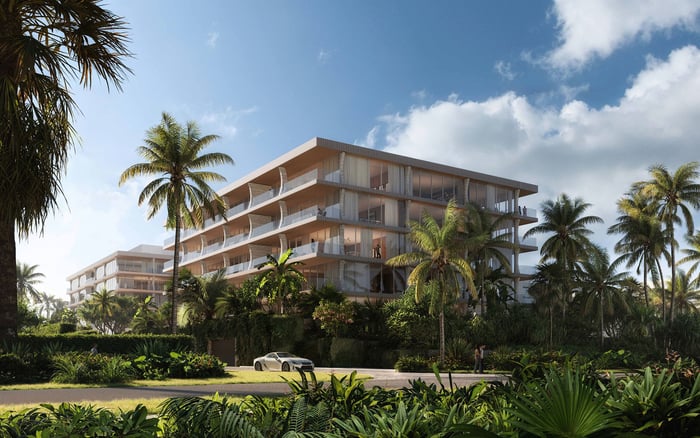
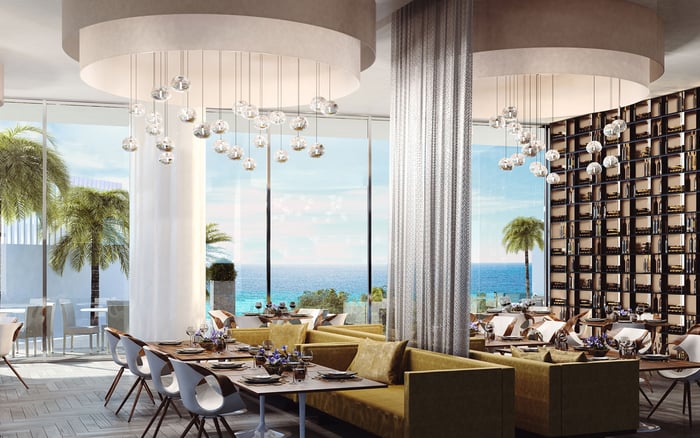
A buyer-focused guide to comparing Palm Beach and Boca Raton through light, daily rhythm, privacy, entertaining, and room-by-room livability rather than headline appeal.

The Palm Beach or Boca Raton decision is often framed as a question of address. For the serious buyer, it is more useful to treat it as a question of rhythm. The better home is not simply the one with the more photogenic approach, the grander lobby, or the most dramatic view at a perfect hour. It is the one that supports the way the owner wakes, works, hosts, withdraws, and returns at the end of the evening.
That comparison should begin inside the residence. Where does the morning light first arrive? Is the primary suite calm before the day begins, or does it require blackout shades and compromise? Does the kitchen feel gracious at breakfast, or is it designed primarily for catered entertaining? Does the terrace function as a daily room, or only as a visual amenity? These questions reveal more than a brochure ever can.
Buyers sometimes use shorthand such as Palm Beach versus Boca Raton, but the true distinction is rarely so binary. Each home should be read room by room, with attention to exposure, volume, adjacency, privacy, storage, and how naturally the plan handles both quiet mornings and full-house weekends.
Sunrise is seductive because it suggests discipline and serenity. Yet a sunrise view is only valuable if it aligns with the rooms where the morning actually happens. A brilliant eastern exposure in a formal living room may matter less than gentle light in the primary suite, breakfast area, or private study.
Walk the home as if it were a weekday. From the bed, is there a graceful sightline, or does the light strike too directly? From the bath, does the room feel spa-like without becoming exposed? From the kitchen, can two people move through coffee, breakfast, and conversation without crossing service paths? A luxury residence should make the beginning of the day feel composed, not choreographed.
For buyers who travel frequently, the sunrise test should include recovery. A second home must welcome the owner at odd hours and still feel intuitive the next morning. If the first full day in residence begins with glare, awkward circulation, or a lack of privacy, the emotional appeal of the view may fade quickly.
Sunset has a different purpose. It is less about personal routine and more about transition. It marks the shift from work to leisure, from family logistics to cocktails, from solitude to hospitality. A sunset-oriented room can be magnificent, but only if the plan supports how the buyer wants to use that hour.
Study the entertaining sequence. Can guests move naturally from arrival to seating to terrace without cutting through private zones? Does the dining area offer atmosphere without being dominated by heat or glare? Is the bar, service pantry, or catering route discreet enough for a formal evening? The best sunset homes feel cinematic without making the owner manage the scene.
There is also the question of depth. A terrace should be large enough for real furniture, shade strategy, and circulation. A narrow ledge may photograph beautifully, but a livable outdoor room needs comfort, proportion, and a sense of protection. Sunset is most valuable when it can be experienced, not merely admired through glass.
A high-end residence should be judged by its least glamorous rooms as much as by its most visible spaces. Laundry, storage, staff access, guest circulation, parking arrival, package handling, pet routine, and pantry capacity all affect daily satisfaction. These are not secondary details. They are the systems that allow elegance to feel effortless.
In the primary suite, look for separation between sleeping, dressing, bathing, and work. In guest suites, consider whether visitors have independence without becoming too detached from the household. In the kitchen, distinguish between showpiece design and daily utility. In the family room, test acoustics, furniture placement, and screen visibility. In the office, ask whether calls can happen without the rest of the home becoming silent.
Waterview appeal should be balanced against function. A room with a compelling outlook but limited wall space may be difficult to furnish. A bedroom with glass on multiple sides may require careful treatment for privacy and sleep. A formal salon may be exquisite at midday and less comfortable at night if the lighting design is not layered. Livability is a sequence of small permissions: to sit, to read, to host, to cook, to recover, to be alone.
The most refined buyers often care less about display than control. They want to decide when the home opens outward and when it becomes private. This is where Palm Beach and Boca Raton comparisons become deeply personal, because the ideal residence must match not only aesthetic taste but social temperament.
Consider the arrival experience. Is the entry ceremonial, discreet, or casual? Does the home announce itself, or does it protect the owner from being announced? Once inside, can service providers, guests, and family members move without friction? A beautiful residence can still feel exhausting if every arrival requires negotiation.
Privacy should be tested from inside and outside. Stand at the windows during the day. Return at dusk if possible. Ask where neighboring sightlines fall and whether landscape, architecture, or interior treatments solve the issue elegantly. Oceanfront drama can be extraordinary, but even the most compelling view should not come at the cost of comfort in the rooms used every day.
The strongest comparison does not ask which market is better. It asks which residence performs better for the buyer’s life. A household that values formal entertaining may prioritize procession, dining scale, and guest arrival. A buyer focused on wellness may care more about morning light, gym access, bath privacy, and quiet sleeping conditions. A family-oriented owner may evaluate mudroom function, secondary bedrooms, play space, and casual gathering areas before considering the postcard view.
Create a simple scoring sheet for each property. Rate sunrise quality from the rooms where mornings occur. Rate sunset usefulness from the spaces where evenings unfold. Rate terrace livability, not just size. Rate privacy in daylight and after dark. Rate service flow, storage, acoustic separation, and guest comfort. Then ask a final question: which home would make an ordinary Tuesday feel better?
That answer is often more reliable than the dramatic first impression. In South Florida luxury real estate, the truly exceptional home is not merely beautiful. It is precise. It understands the owner’s day before the owner has to explain it.
Should sunrise views be the deciding factor? They should matter only if morning light reaches the rooms you use first. A beautiful sunrise in the wrong room may have limited daily value.
Are sunset views better for entertaining? They can be, especially when the living, dining, and terrace areas connect naturally. The key is whether the home supports guests without disrupting private spaces.
How should I compare terraces? Look beyond dimensions and test furniture placement, shade, privacy, and circulation. A terrace should function like an outdoor room, not just a viewing platform.
What does room-by-room livability mean? It means evaluating how each space works during normal life. Storage, acoustics, service flow, and privacy can matter as much as finishes.
Is an oceanfront residence always the better choice? Not necessarily. Oceanfront appeal should be weighed against exposure, privacy, maintenance preferences, and how often the view enhances daily routines.
How important is arrival experience? It is very important for buyers who value discretion and ease. The transition from car to residence often sets the tone for ownership.
Should a second home be evaluated differently? Yes. It should feel intuitive after travel, easy to secure, and comfortable for both short stays and longer seasonal use.
What rooms should I prioritize during a showing? Prioritize the primary suite, kitchen, main living area, terrace, office, guest rooms, and service areas. These reveal how the home truly performs.
Can a dramatic view compensate for an imperfect layout? Sometimes, but rarely over time. A view creates emotion, while a strong layout creates daily ease.
What is the best way to choose between the two locations? Compare specific residences rather than general reputations. The better choice is the home that fits your rituals, privacy needs, and entertaining style.
When you're ready to tour or underwrite the options, connect with MILLION.
If branded residences are on your mind — as a home or as an allocation — we would be glad to share what we are seeing, privately.
Begin a quiet conversation