For South Beach condominium buyers, resilience begins with a building-specific capital plan. Reviewing roof, façade-related components, plumbing, electrical systems and waterproofing together reveals more than a reserve balance or a completed inspection alone.
In South Beach, a beautifully finished residence is only one part of the acquisition. The other is the building that supports it: its roof, exterior protection, plumbing, electrical systems and the financial provisions for their renewal. For a buyer, the question is not simply whether the condominium presents well today. It is whether the association can explain how the building’s physical needs translate into future capital commitments.
Florida’s Structural Integrity Reserve Study, or SIRS, brings these systems into one reserve-planning framework. It combines a visual inspection of required components with financial planning for major repair or replacement. Read carefully, it offers a more useful starting point than a polished lobby or an isolated reserve balance.
A buyer considering Apogee South Beach should approach this as a document-led inquiry, not an inference about the property’s condition. The same principle applies throughout Miami Beach: evaluate the residence and the building’s capital obligations together, without allowing either to stand in for the other.
SIRS requirements apply to condominium and cooperative buildings with three or more habitable stories. Each qualifying building requires its own study, conducted at least every 10 years. That building-specific distinction matters when an association encompasses more than one structure.
Start by matching the residence under consideration to the building covered by the study. Then review the study date, the identified components and the financial recommendations. An association-wide discussion of reserves is no substitute for understanding the findings for the particular building in which you would own.
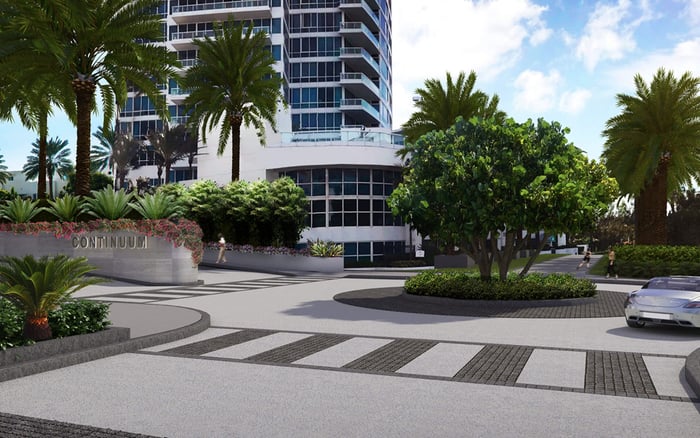
For a purchase at Continuum on South Beach, the practical question is which building-specific documents apply to the residence being evaluated. This is a due-diligence question, not a statement about that property’s reserves or inspection status.
The 10-year interval is not a promise that every component will last another decade. What matters is the study’s estimate of remaining useful life for each inspected component, paired with its replacement or deferred-maintenance cost estimate.
The roof is an expressly identified SIRS component. Its reserve treatment should be clear in the capital discussion, including the study’s assumptions about replacement or deferred maintenance. A general statement that the roof is maintained does not explain how its identified future needs will be funded.
Plumbing and electrical systems are separately identified components as well. They should not disappear into a broad description of operating maintenance. Ask how the study defines each category’s scope and how that scope connects to recommended reserve contributions. Generic equipment expectations are no substitute for building-specific findings.
Waterproofing and exterior painting form another expressly identified reserve category. Exterior protection therefore deserves its own financial attention, rather than being treated solely as an aesthetic consideration. The relevant questions are what work the study anticipates and how the recommended funding addresses it.
“Façade” requires more careful interpretation. It is not a separately named principal category in the SIRS framework. Instead, examine the relevant structural, waterproofing, painting, window and exterior-door components. A broad façade description can be useful shorthand, but it should not obscure which elements have actually been evaluated and budgeted.
The framework also includes structural systems, fireproofing and fire protection, windows and exterior doors, and qualifying additional structural-integrity components. Reviewing the five systems in this article is a starting point, not a replacement for reading the full study.
A useful capital review connects three things for each component: estimated remaining useful life, estimated replacement or deferred-maintenance cost, and the financial recommendation. Together, they explain why reserve contributions are proposed. A fixed percentage of operating expenses does not provide the same component-level understanding.
One capital plan does not mean one undifferentiated number. It means preserving each component’s detail while examining the combined financial picture. Ask whether the association’s budget can be reconciled with the study’s recommendations and whether any differences are clearly explained.
Resale due diligence benefits from this distinction. Monthly payments may be easy to compare between residences, but they do not fully describe future building obligations. The more useful comparison is the relationship between identified work, recommended funding and the association’s documented financial position.
For buyers evaluating Five Park Miami Beach alongside other residences, this approach provides a consistent set of questions without assuming that different buildings have equivalent needs. Keep the comparison grounded in each property’s documentation, rather than a neighborhood-wide cost estimate or a generic component lifespan.
A milestone inspection and a SIRS perform different functions. The milestone inspection assesses structural condition and life safety. The SIRS calculates the funding needed to repair or replace covered components. One does not substitute for the other.
This distinction is especially important when a sales conversation emphasizes completed inspections. An inspection can address condition without explaining how physical work will be funded. Conversely, a reserve figure does not replace the structural assessment provided by the relevant inspection.
Waterproofing renewal and building certification are separate capital items. The lesson for a private buyer is straightforward: paying to evaluate a building and paying to renew its physical components are different commitments.
Read the inspection findings alongside the reserve study, rather than treating either as a complete answer. Where their implications are unclear, request a building-specific explanation from the appropriate professional.
For a residence at Setai Residences Miami Beach, as for any other candidate, organize the review around evidence rather than impressions. Request the applicable SIRS, relevant inspection documents, reserve information and the budget materials needed to understand the funding approach.
Useful questions are precise: Which components are included? What remaining useful lives and cost estimates are assigned? How do planned reserve contributions relate to the study’s recommendations? Is exterior work described in enough detail to distinguish structural elements from waterproofing, painting, windows and doors?
These questions do not require a buyer to become an engineer. They require the engineering and financial conclusions to be understandable together. Building-specific costs, work scope and timing should come from the relevant documents and professional review, not assumptions about neighboring properties.
For South Beach buyers, resilience is best evaluated through a clear relationship between physical findings and financial planning. A finished interior can satisfy personal taste; a coherent capital plan helps explain the building obligations that accompany ownership.
The strongest review preserves component-level detail while asking one overarching question: does the documented funding approach address the documented needs? That is a more disciplined basis for a purchase than appearance, an isolated balance or reassurance alone.
For a discreet perspective on South Beach ownership and building-level due diligence, connect with MILLION.
If branded residences are on your mind — as a home or as an allocation — we would be glad to share what we are seeing, privately.
Begin a quiet conversationA SIRS combines a visual inspection of required building components with financial planning for their future major repair or replacement.
The requirements apply to condominium and cooperative buildings with three or more habitable stories.
Yes. Each qualifying building requires its own study rather than treating the association’s entire property as one undifferentiated asset.
Qualifying buildings must undergo a SIRS at least every 10 years. That interval is not a guarantee of any component’s remaining useful life.
Yes. The roof is an expressly identified SIRS component, including consideration of replacement or deferred-maintenance needs.
Yes. Plumbing and electrical systems are separately identified SIRS components, not merely incidental operating-maintenance expenses.
No. Façade review should examine the relevant structural, waterproofing, exterior painting, window and exterior-door components.
Contributions should follow the study’s component-level findings and financial recommendations, including remaining useful life and estimated replacement or deferred-maintenance costs.
No. A milestone inspection assesses structural condition and life safety, while a SIRS addresses funding for repair or replacement of covered components.
Review the relevant inspection documents, reserve information and budget materials. Ask how the documented funding approach connects to the study’s component-level recommendations.