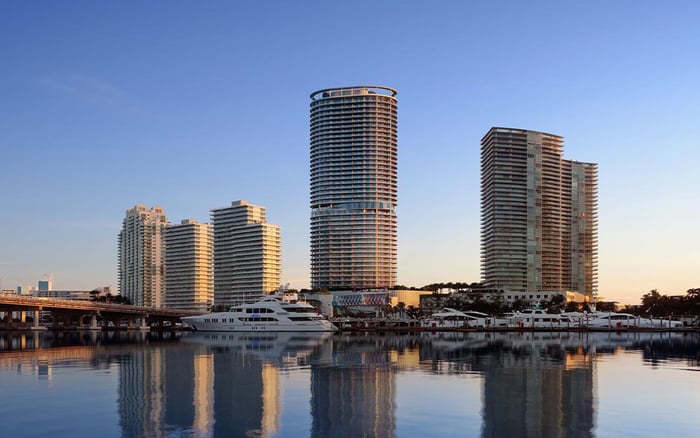
A buyer’s framework for evaluating home-office performance at Apogee South Beach, from residence-level bandwidth testing to carrier independence and documented emergency-power coverage.
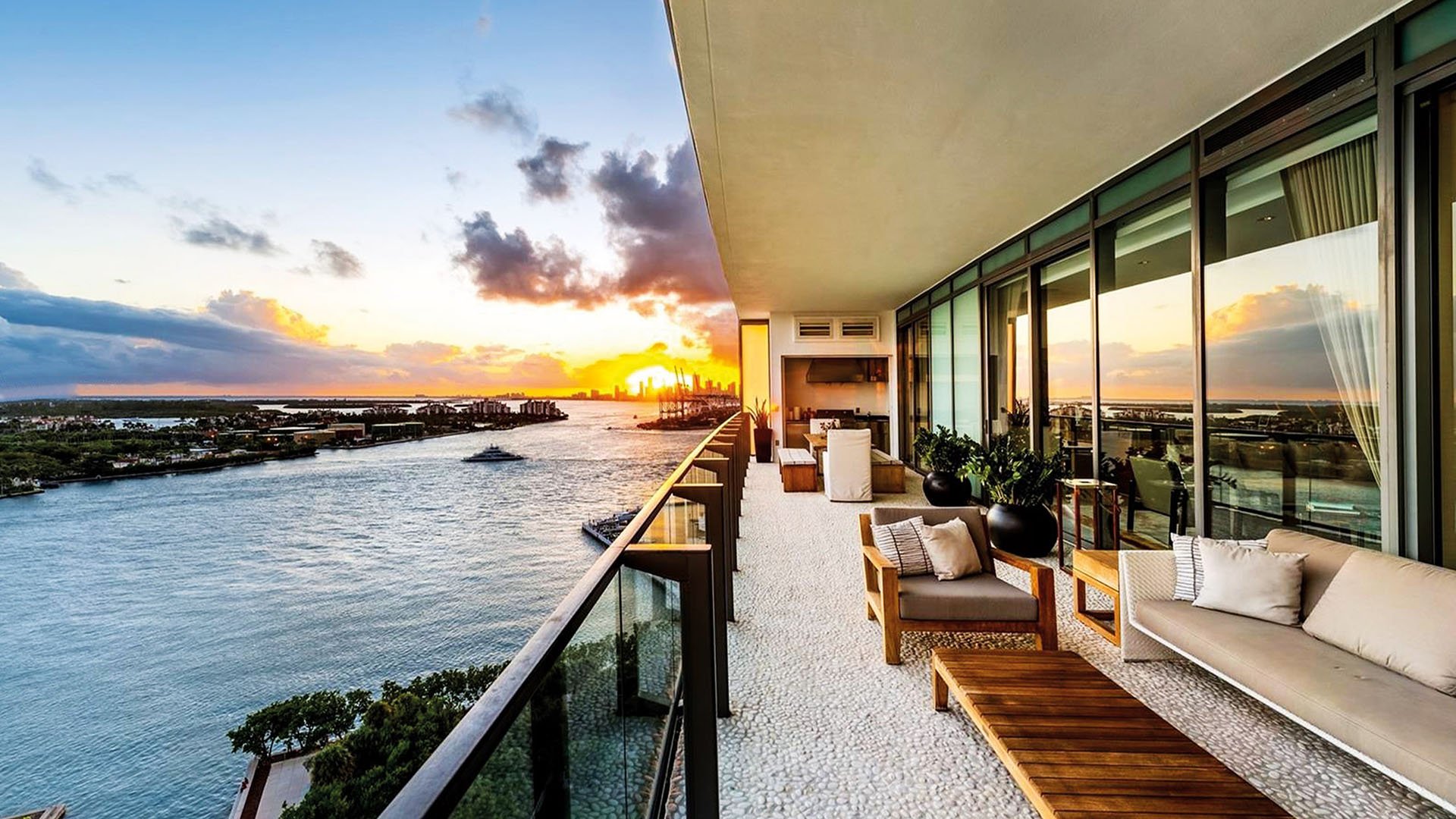
At Apogee South Beach, the purchase conversation naturally begins with space, privacy, and the setting at 800 South Pointe Drive in Miami Beach. The 22-story condominium features flow-through residences, private elevator foyers, 10-foot ceilings, and floor-to-ceiling glass. For a buyer whose residence must also support a working day, those architectural qualities are only the beginning.
A successful home office requires three distinct answers: whether the primary connection performs adequately, whether a second connection offers meaningful independence, and whether essential equipment remains powered during an electrical interruption. Smart-home controls and any included internet should be treated as conveniences until those answers are documented.
The purchase standard is not simply whether internet is available. It is whether the exact residence can support the buyer’s work, with an acceptable continuity plan when normal service is interrupted.
Flow-through layouts offer a useful starting point for separating work from entertaining and everyday living. A private elevator foyer may also shape the arrival experience, but neither feature establishes a dedicated office or a particular network installation. Evaluate the actual floor plan rather than assuming architectural privacy translates into technical readiness.
Identify the intended desk position before testing connectivity. Consider the route for a wired connection, the placement of networking equipment, and whether installation would require association approval. Confirm which changes are permitted before relying on a proposed improvement.
The terraces are 11 feet deep, with outdoor kitchens and entertaining amenities. If occasional work outdoors is part of the brief, include that location in the assessment. A satisfactory result at an interior desk is no substitute for a test where the buyer intends to take calls.
Possible cable and internet inclusion does not establish the carrier, service tier, upload speed, or delivery technology available to a particular residence. Request written confirmation of the current arrangement from management and the provider, including whether service is included, individually contracted, or available through an optional upgrade.
The practical questions should cover download and upload performance, business-service options, static-IP availability, and outage-response commitments. Ask whether fiber reaches the residence itself rather than accepting a general description of the building as connected. None of these specifications should be treated as established at Apogee.
Then test the exact residence. Evaluate wired Ethernet and Wi-Fi at the proposed office location, recording upload speed, latency, jitter, and packet loss alongside download speed. Include evening performance and representative work tasks, such as a video meeting alongside file transfers. Define acceptable results around the buyer’s actual workload, not an unsupported universal bandwidth threshold.
Apogee’s AMX interactive smart panel provides access to security, valet, spa, and other building services. It is a resident-service interface, not evidence of specified broadband capacity, dual-carrier service, or automatic internet failover. Concierge service, 24-hour valet parking, a spa, and a fitness center likewise should not be interpreted as a professional-grade connectivity package.
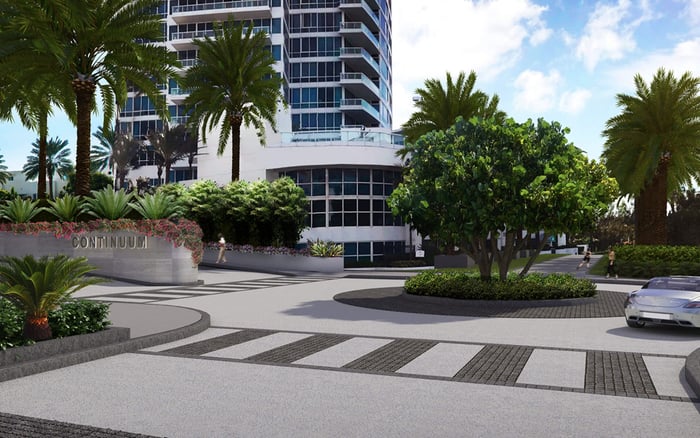
The distinction matters when comparing alternatives. A buyer also considering Continuum on South Beach should apply the same residence-level questions rather than infer network performance from the amenities. This is a comparison framework, not a claim that either property offers a particular telecom configuration.
Keep the architectural and service evaluation separate from the technical one. Both matter, but an elegant interface cannot answer a provider-contract question, and a polished amenity offering cannot document what happens when the primary internet connection fails.
Two service subscriptions warrant a closer investigation into how each connection reaches the residence. Request confirmation of available carriers, building entry points, and route diversity. Separate carrier entrances, diverse fiber routes, dual-carrier availability, and dedicated commercial-grade service remain unverified at Apogee. These are open due-diligence questions, not confirmed shortcomings.
Ask the provider and association to explain which infrastructure the proposed connections share and what installation permissions would be required. If a second fixed connection cannot be established on acceptable terms, evaluate independently tested cellular failover as part of the continuity plan.
A proposed setup might combine fixed broadband, cellular backup, a dual-WAN router, and UPS protection for essential equipment. Treat this as a design to assess, not an existing Apogee feature. Arrange a controlled failover test with the appropriate technician and confirm that essential work applications perform acceptably when the primary connection is unavailable.
Generator-backed internet at Apogee remains unestablished, as does emergency-power coverage for specific in-unit outlets and telecom equipment. A building generator should never be treated as a blanket assurance that the home office will remain operational.
Request the generator-load schedule, relevant test records, and written confirmation of coverage for telecom rooms, networking equipment, and the residence’s intended receptacles. General condominium emergency-power arrangements may serve elevators and emergency lighting without powering every residence or communications system.
Map the proposed office setup against that documentation. Ask specifically about the provider handoff, modem or optical terminal, router, switches, access points, and essential work equipment. Have the appropriate technical team identify which elements require local UPS protection and what runtime the proposed arrangement can deliver under its intended load.
Finally, distinguish building-side backup power from provider-side continuity. Confirmation that local equipment receives emergency power does not, by itself, confirm that upstream internet service will remain available. The purchase file should address both questions without promising uninterrupted service.
For a Resale purchase, consolidate the findings into a brief that separates confirmed capabilities from proposed improvements. Include provider terms, residence-level test results, association permissions, emergency-power coverage, and responsibility for implementing any backup arrangement. Where a requirement is essential, discuss with the buyer’s advisers how to address it within the transaction’s due-diligence process.
The same discipline belongs in Buyer's Guides for a broader Miami Beach search. If Five Park Miami Beach is also under consideration, compare documented answers to identical questions rather than assuming equivalent capabilities from project positioning.
At Apogee, the objective is not to turn a gracious residence into a server room. It is to establish a discreet, tested working environment whose limitations are understood before closing. Architecture can frame the office beautifully; written specifications and practical testing must establish its readiness.
For a discreet approach to your next South Florida residence, explore MILLION.
If branded residences are on your mind — as a home or as an allocation — we would be glad to share what we are seeing, privately.
Begin a quiet conversationApogee South Beach is a 22-story condominium at 800 South Pointe Drive in Miami Beach.
No. Flow-through layouts and private elevator foyers are published features, but buyers should evaluate the exact residence for office placement and networking requirements.
No. Its advertised functions concern access to resident services, not verified broadband capacity, dual-carrier service, or automatic failover.
Possible cable and internet inclusion is identified, but the applicable arrangement and service specifications require written confirmation for the residence.
Request download and upload speeds, delivery technology, business-service options, static-IP availability, and outage-response commitments.
Test wired Ethernet and Wi-Fi at the intended office location, including evening performance. Record upload speed, latency, jitter, and packet loss alongside download speed.
The available descriptions do not verify dual-carrier availability, separate carrier entrances, or diverse fiber routes. These remain due-diligence questions rather than established deficiencies.
No. The available descriptions do not establish generator-backed connectivity or specify which telecom equipment and in-unit outlets receive emergency power.
Request the generator-load schedule, relevant test records, and written confirmation of coverage for telecom rooms, network equipment, and intended in-unit receptacles.
Evaluate fixed broadband with independently tested cellular failover, a dual-WAN router, and UPS protection for essential equipment. This is a proposed continuity approach, not a confirmed Apogee installation.