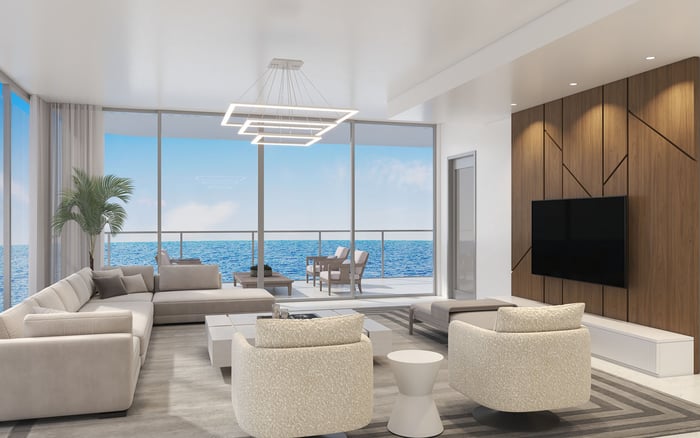
For Broward oceanfront buyers, reliable upper-floor water service deserves the same scrutiny as finishes and views. A focused review of pressure zones, pump redundancy, service records and interruption procedures helps distinguish documented readiness from reassuring language.
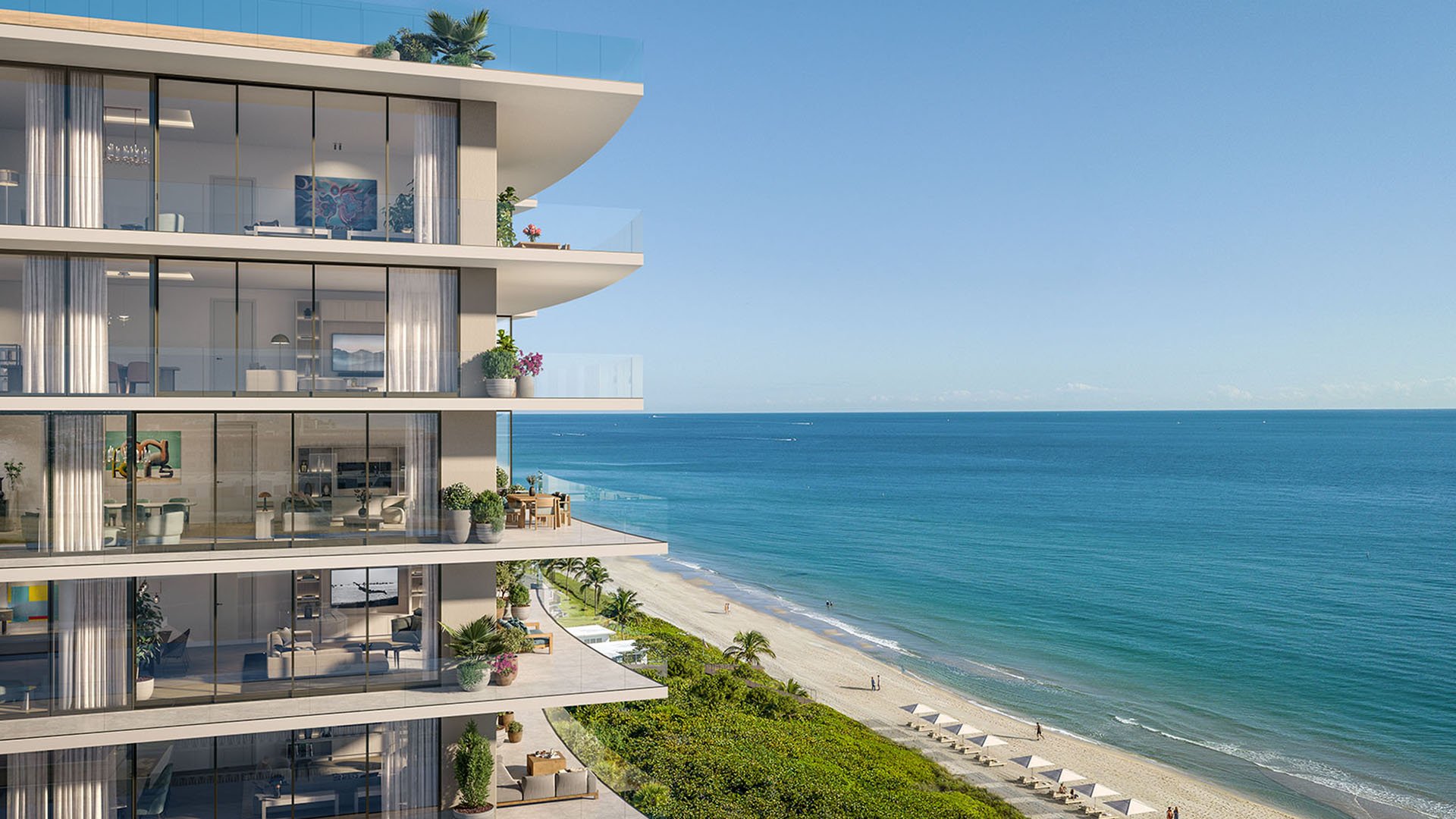
An oceanfront residence should feel effortless. Behind that experience, water delivery deserves scrutiny: the pressure at an upper-floor shower, the response when a pump stops, and the clarity of management’s communications during an interruption. For a Broward buyer, these are practical ownership questions, not merely engineering details.
The distinction that matters is between equipment installed and continuity demonstrated. A generator, multiple pumps or a service contract should begin the conversation, not conclude it. Ask management to support each assurance with a drawing, maintenance record or documented operating procedure.
When considering Auberge Beach Residences & Spa Fort Lauderdale, apply the same discipline used for any Fort Lauderdale oceanfront purchase: evaluate the residence alongside the operations that support it. No pump configuration, service history or interruption performance is established here for any named property.
Static water pressure drops approximately 5 psi for each floor of elevation, with additional losses from pipe friction as water flows. That figure is an engineering approximation, not a measurement of a particular condominium. Buildings above roughly five stories often need booster pumps to provide adequate pressure upstairs.
For buyers, the implication is straightforward: a satisfactory fixture demonstration does not establish performance during heavier demand or equipment failure. Request a pressure-zone diagram identifying the zone that serves the residence, then ask for available operating-pressure measurements within that zone.
A Hallandale Beach buyer evaluating 2000 Ocean Hallandale Beach can make this a unit-specific question rather than a general inquiry about the tower. Ask management to identify the relevant zone, its pumps and the floors potentially affected by a shutdown. Have a qualified professional interpret the technical documents rather than extrapolating from floor count alone.
A useful redundancy review starts with what happens when an operating component becomes unavailable. Request the pump schedule, the intended duty and standby arrangement, and documentation explaining automatic standby start. Then ask what service remains available while the failed pump is isolated.
Recommended questions include:
Can the remaining equipment support the affected pressure zone, and under what conditions?
Does standby operation start automatically, or does it require on-site intervention?
Which alarms are monitored, who receives them, and who acknowledges them after hours?
Are isolation valves labeled and accessible to authorized building personnel?
These are due-diligence recommendations, not a claim that every condominium must have an identical redundant arrangement.
Protective shutdowns also matter. Booster-pump low-pressure cutoffs must prevent vacuum or negative suction pressure when suction-side pressure reaches 10 psi or less. A stopped pump may therefore reflect a protective response, not simply a failed motor. Where hydropneumatic pressure tanks are installed, their pressure-relief valves must be set no higher than the tanks’ rated pressure.
A generator’s presence does not establish that domestic-water pumps are connected to it. Request the generator load schedule and have the responsible professional identify the pumps and controls included. Ask for the documented sequence from utility-power loss through transfer, pump restart and restoration of water delivery.
Standby power for booster pumps is important to maintaining potable-water delivery during power loss in pump-dependent buildings. That engineering principle does not establish that a particular residential property has the necessary connection or capacity.
Emergency power generally must supply secondary power automatically within 10 seconds, and standby power within 60 seconds, unless otherwise specified. Required emergency and standby systems generally must operate for at least two hours without refueling or recharging, unless another provision specifies otherwise. They must also be maintained and tested under applicable fire-prevention requirements.
Those figures do not promise restored domestic-water service within 10 or 60 seconds, or two hours of water availability. Confirm the applicable system classification and actual connected loads. For a Pompano Beach comparison involving The Ritz-Carlton Residences® Pompano Beach, focus on project-specific documentation rather than the reassurance of a brand name.
Request 12-24 months of available pump maintenance and outage records. This is a recommended review window, not a statutory records period. The objective is to determine whether recurring issues were diagnosed, corrected and followed through to documented restoration.
Read each incident as a sequence: initial symptom, affected floors, contractor response, corrective action and restoration time. Ask management to explain repeated pressure complaints or unresolved service items. A completed visit alone does not establish that the underlying issue was resolved.
Check the contractor’s qualifications for the installed pumps and controls, along with the scope of scheduled maintenance and emergency response. Where relevant, request applicable testing documentation. Completed water-supply systems, or completed portions, must be tested for tightness at no less than working water pressure; a specified air-test alternative applies to nonplastic piping. Tightness testing and demonstrated continuity during a failure answer different questions.
The interruption plan should explain who acts, who communicates and who authorizes restoration. Ask management to distinguish among a pump failure, utility-power loss and a localized leak rather than offer one generic outage response.
Verify that the procedure addresses affected-floor notification, failed-pump isolation, labeled valve access, shutdown authority, emergency contacts and arrangements for potable-water distribution. Ask how residents receive updates when restoration timing remains uncertain, and who confirms that service has returned to the affected upper floors.
For a unit-level leak, shut off the water source if safely accessible, notify management and document the damage. A leak originating in another unit or a common wall may require building maintenance to isolate the riser. Residents should not improvise with shared-system valves.
Do not assume a domestic-water interruption also disables elevators or fire protection. Those systems require separate verification.
Whether considering Rosewood Residences Hillsboro Beach or another Broward oceanfront address, organize the findings into three categories: documented capability, outstanding questions and corrective work requiring confirmation. Avoid ranking buildings by pump count or generator presence alone.
The strongest management conversation ends with a clear account of what serves the residence, what happens when it fails and who is responsible for the response. For a second-home owner, request confirmation of emergency contacts, access arrangements and notification preferences before an extended absence. Reliable ownership begins with knowing the operating plan before it is needed.
Explore Broward oceanfront residences with MILLION, keeping documented building operations alongside location, design and views.
If branded residences are on your mind — as a home or as an allocation — we would be glad to share what we are seeing, privately.
Begin a quiet conversationStatic pressure drops approximately 5 psi per floor, with additional friction losses during flow. This is an engineering approximation, so the residence’s pressure zone and actual measurements matter.
Buildings above roughly five stories often need booster pumps for adequate upper-floor pressure. Floor count alone does not establish a particular building’s requirements or configuration.
Request pump schedules, pressure-zone diagrams, automatic standby-start details and monitored-alarm information. Ask what service remains available when an operating pump is isolated.
No. Confirm through the generator load schedule that domestic-water pumps and their controls are connected, then review the documented restart sequence.
The booster-pump low-pressure cutoff prevents vacuum or negative suction pressure when suction-side pressure reaches 10 psi or less. A protective shutdown is not necessarily a motor failure.
No. The general 10-second emergency and 60-second standby transfer provisions concern secondary power, not guaranteed restoration of domestic-water pressure.
Request 12–24 months of available maintenance and outage records, including corrective actions and restoration times. This is a due-diligence recommendation, not a statutory records period.
It should address affected-floor notifications, failed-pump isolation, valve access, shutdown authority, emergency contacts and potable-water distribution arrangements. Ask who confirms restoration to affected floors.
Shut off the water source if safely accessible, notify management and document the damage. Leaks from another unit or a common wall may require maintenance personnel to isolate the riser.
No such conclusion should be assumed. Elevator and fire-protection operation require separate verification.