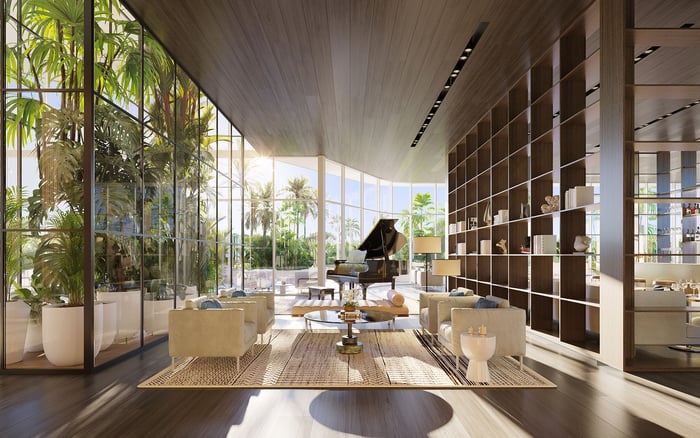
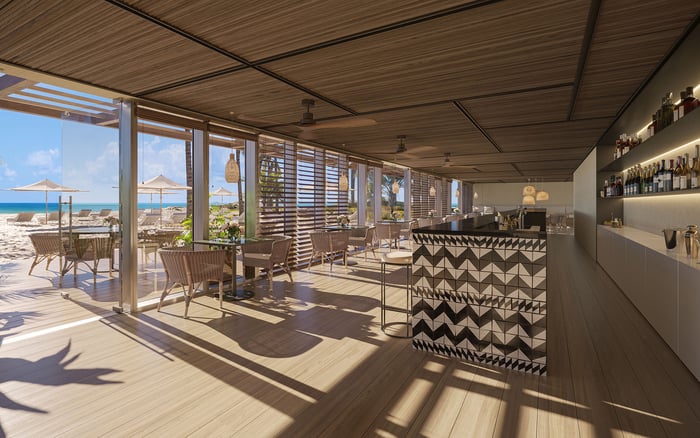
Before reserving a Broward oceanfront residence, collectors should establish object-specific lighting limits, verify UV controls, obtain structural approvals, and confirm collection insurance in writing.
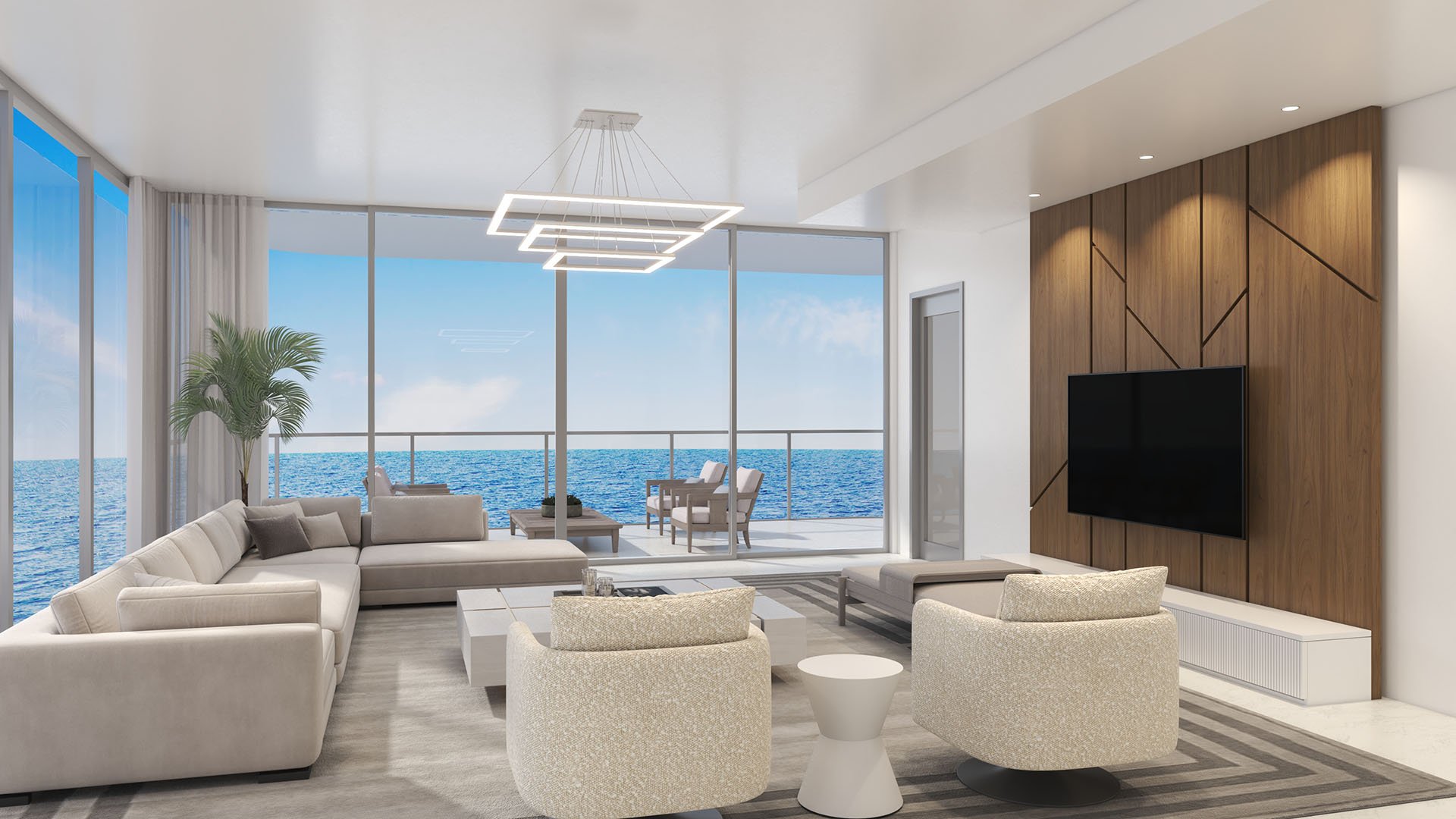
An ocean view and a serious art collection deserve to be planned together. Before reserving a Broward residence, the essential question is not simply whether a favorite canvas fits the wall. It is whether the home can accommodate the collection’s light sensitivity, installation requirements, and insurance needs without compromising how its owners want to live.
Treat “museum-grade” as a planning objective, not a verified specification. A beautifully presented interior does not establish conservation performance. The conversation should begin with individual objects and end with written answers from those responsible for lighting, structure, alterations, and coverage.
For a buyer considering 2000 Ocean Hallandale Beach, that means bringing the collection brief into the Hallandale Beach property discussion before committing to a layout. The same discipline applies to every residence under consideration; no project name alone confirms suitability for art.
Ask first: which works will remain on display, which can rotate, and which require the most protection? Give the design team an inventory of materials, dimensions, weights, and intended locations. Have a conservator establish object-specific light limits and display durations rather than apply one standard to the entire apartment.
A mixed collection is not a single lighting category. A photograph, an oil painting, and a stone sculpture may call for different exposure decisions. Even within a material category, an individual object may need more conservative treatment.
Before reserving, ask whether the proposed plan offers alternative display positions if a preferred wall proves unsuitable. Request a coordinated review by the conservator, lighting designer, and building team. A collection plan is most useful while the buyer can still reconsider the layout-not after finishes and installation locations have been settled.
Fixture specifications are not enough. Request illuminance measurements at the proposed artwork locations: conservation limits concern the light reaching the object. If the residence is not yet available for measurement, ask what can be assessed during design and how the completed installation will be tested.
Three benchmarks help frame the conversation:
50 Lux is a common display benchmark for highly sensitive materials, including watercolors, photographs, textiles, and works on paper.
150 Lux is a recommended maximum for less-sensitive collections, including oil paintings, wood, and leather, though individual objects may require lower exposure.
Approximately 300 lux may be appropriate for relatively insensitive materials such as stone, glass, ceramics, and metal. It is not a general setting for every artwork.
No light level is completely safe for light-sensitive objects. Ask how the lighting plan controls both intensity and duration, including hours when nobody is viewing the collection. Dimming, limiting illumination, and rotating sensitive works belong in the discussion alongside fixture selection.
When evaluating Four Seasons Hotel & Private Residences Fort Lauderdale, a Fort Lauderdale buyer should request a residence-specific assessment rather than infer display performance from presentation lighting.
“UV protected” should prompt a request for documentation, not end the conversation. Ask for the stated UV-control performance of the proposed glazing and filters, and have the conservator assess whether it meets the collection’s needs.
A traditional upper limit for ultraviolet exposure is 75 microwatts per lumen; 0-10 microwatts per lumen is achievable with modern technology. These figures should inform a specialist review, not become an unsupported promise about a condominium’s windows.
Reducing UV does not eliminate the need to control damaging visible-light exposure. Ask how glazing, shading, and lighting controls will work together, and whether proposed additions require building approval. The goal is a documented approach to the light reaching each work, not a single protective product.
For collectors comparing Armani Casa Residences Pompano Beach with other Pompano Beach options, request the same documentation for each candidate residence. Compare answers, not assumptions about architectural style.
Wall area is not wall capacity. Before choosing a location for a heavy framed work or wall-mounted sculpture, ask the building team to identify the wall assembly, permitted anchor locations, backing requirements, and alteration approvals. Request written confirmation addressing the actual object and proposed mounting system.
For freestanding sculpture, ask a structural professional to review the weight, base dimensions, and concentrated loads at the intended location. A general floor-loading figure is not approval for a particular installation, and a floor live-load provision does not establish a wall-hanging limit.
The delivery route deserves equal attention. Ask about elevator capacity, usable dimensions, access restrictions, and installation permissions before assuming a work can reach its intended room. Include the installer in that review.
A buyer considering Rosewood Residences Hillsboro Beach should seek these building-specific answers as carefully as the lighting documentation. This is a due-diligence request, not an assertion about any project’s structural capacity or installation policies.
Ask an insurance adviser to compare scheduled fine-art coverage with reliance on general contents insurance. Valuable collections may otherwise be subject to lower default limits. The question is not merely whether art is mentioned, but whether the proposed coverage addresses the collection and its circumstances.
Obtain explicit written confirmation of flood coverage. Standard homeowners insurance generally excludes external weather-related flooding, and fine-art policies may also exclude it. Neither a coastal address nor a fine-art policy label resolves that question.
Ask separately about transit, temporary storage, installation, and named storms. These are questions for the insurer, not benefits to presume. Have the adviser identify applicable limits, exclusions, deductibles, and any conditions affecting the proposed arrangements. General insurance guidance cannot substitute for the terms of the actual policy.
Before committing, assemble four practical records: an object-specific lighting brief, UV-performance documentation, installation-specific structural confirmation, and written insurance terms. Ask who is responsible for each unresolved item and when a definitive answer can be delivered.
Not every detail can be settled at the same stage. Distinguish between a design intention, an approval still required, and a confirmed specification. The strongest choice is the residence whose documented capabilities can support both the collection and the owner’s preferred way of living.
For a considered approach to Broward oceanfront living, explore residences with MILLION.
If branded residences are on your mind — as a home or as an allocation — we would be glad to share what we are seeing, privately.
Begin a quiet conversationTreat it as a planning objective rather than a verified specification. A conservator should establish object-specific light limits and display durations.
Fifty lux is a common benchmark for highly light-sensitive materials, but no light level is completely safe. Exposure duration and the individual object still matter.
A recommended maximum for less-sensitive collections, including oil paintings, is 150 lux, with lower exposure sometimes necessary. Relatively insensitive stone, glass, ceramics, and metal may accommodate approximately 300 lux.
Request measurements at the proposed artwork locations. Fixture specifications alone do not establish how much light reaches an object.
No. Reducing UV does not remove the need to control visible-light intensity and display duration.
A traditional upper limit is 75 microwatts per lumen, while 0–10 microwatts per lumen is achievable with modern technology. Ask a conservator to assess documented glazing and filter performance.
Obtain building-specific answers about wall assembly, anchors, backing, and alteration approvals. Confirmation should address the actual object and mounting system.
No. Request a structural review of the sculpture’s weight, base dimensions, concentrated loads, and intended location.
Ask an adviser to compare general contents limits with scheduled fine-art coverage. Valuable collections may be subject to lower default limits under general contents coverage.
Do not assume either is covered; fine-art policies may exclude external weather-related flooding. Obtain explicit terms for flood, transit, installation, temporary storage, and named storms.