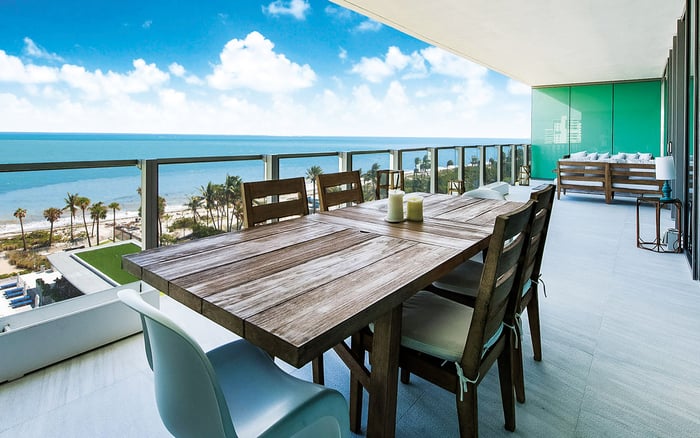
For Toronto buyers, Key Biscayne’s appeal comes with a distinctly coastal operating brief. Seasonal ownership requires active humidity control, property-specific resilience review, reliable local oversight, and an evacuation plan designed before hurricane conditions develop.
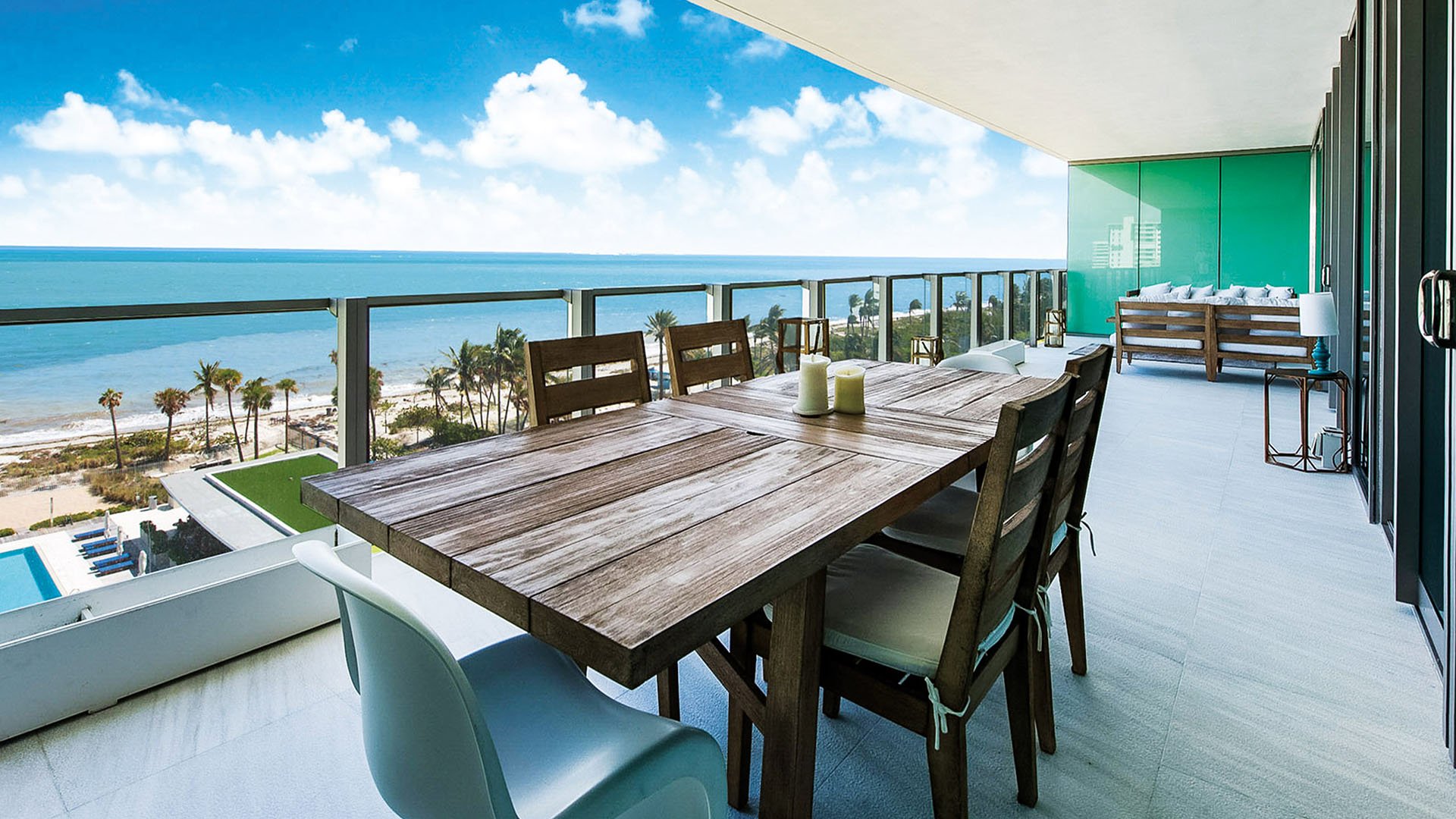
For a Toronto buyer, Key Biscayne offers an elegant change of latitude: an island setting, coastal residences, and a rhythm suited to winter and spring occupancy. Yet a successful move requires more than selecting a view and arranging furnishings. The property must also perform through the humid months, when its owner may be in Canada.
That distinction makes seasonal occupancy an operational question. An oceanfront condominium with an attentive building team may require a different absence plan than a private residence with independent mechanical systems. Waterfront ownership also varies by floor, exposure, renovation history, envelope condition, and association procedures. No island-wide assumption can replace a property-level review.
Buyers beginning with Oceana Key Biscayne can use the search to prompt precise questions about emergency access, hurricane procedures, shutters, generators, water shutoffs, and off-season inspections. The objective is not simply to acquire a beautiful residence. It is to establish how that residence will be monitored and protected during every week it is unoccupied.
A seasonal residence should be treated as an actively managed asset, not a home placed on pause.
A second-home plan should be written before the first extended departure. Start by identifying who can enter the residence, who receives building notices, and who has authority to respond if cooling fails, a leak appears, or storm preparation is required. In a condominium, compare this private arrangement with the association’s access policies and responsibilities. In a single-family home, define the local manager’s scope with equal precision.
The management agreement should specify HVAC checks, humidity thresholds, condensate-drain inspections, storm preparation, post-storm visits, photography, and insurance-documentation duties. It should also address windows, balcony doors, wet areas, and any previous points of water entry. A verbal promise to “keep an eye on things” is not enough for a residence left vacant through a South Florida summer.
For buyers comparing island ownership with mainland options such as Vita at Grove Isle or Una Residences Brickell, the same questions create a useful decision framework. The important comparison is not the project name alone, but the exact unit, its systems, its exposure, and the documented service structure available during an absence.
A normal indoor-humidity range is 30% to 50%. The practical priority is to control moisture sufficiently to inhibit mold and mildew. Air conditioning should remain operational while the home is vacant; suggested settings include 77°F to 80°F for a nonprogrammable thermostat or a daily cooling cycle when a programmable system is used.
A humidistat or standalone dehumidifier may be set near 58% relative humidity, but sensor readings can be inaccurate by as much as 10 percentage points. That margin makes independent verification valuable. The building team or property manager should review actual readings, confirm that the air-conditioning system is running, and inspect condensate drainage rather than rely solely on a remote dashboard.
Larger residences may need multiple dehumidifiers. A practical guideline is approximately one unit for every 1,000 square feet, subject to the residence’s layout and equipment. Portable units also require continuous drainage if they are expected to operate during a long absence. Before departure, clean or replace air-conditioning filters, then open closet and cabinet doors to improve circulation.
Remote controls are useful, but they do not replace a physical inspection. A disconnected sensor, blocked drain, failed system, or developing leak may require someone inside the residence. Owners should establish an escalation sequence: who checks the alert, who enters, who authorizes repairs, and who documents the condition.
All of Key Biscayne lies in Hurricane Evacuation Zone A, the first Miami-Dade zone called because of storm-surge exposure. Zone A is at risk from storm surge associated with Category 1 and stronger hurricanes. This does not make every residence identical; it makes detailed due diligence essential.
For each property, verify flood elevation, foundation type, drainage design, hurricane glazing or shutters, and any history of water intrusion. First floors in new Key Biscayne buildings must meet or exceed FEMA-specified flood elevations. Coastal construction requirements generally call for pile or column foundations in V-zones and coastal A-zones for new construction and substantial improvements. Site-plan submissions in the Village must also include elevations and calculations showing that stormwater can be retained on site.
Those standards provide context, not a shortcut. Buyers should request property-specific documentation and inspect the interface between private and common elements. In a condominium, clarify responsibility for glazing, balcony doors, shutters, drainage, emergency power, and post-storm access. Determine whether generator coverage serves only life-safety and common functions or extends further, without assuming any coverage that has not been documented.
The same discipline applies when considering Park Grove Coconut Grove as a mainland comparison. Location, building, floor, and waterfront orientation can materially change the questions. Practical buyer’s guides should therefore focus on verified physical and operating details rather than lifestyle language alone.
When Miami-Dade County issues an evacuation order, Key Biscayne residents must evacuate. The Village uses recommendation, advisory, and order stages to coordinate departures and reduce gridlock on the Rickenbacker Causeway. Residents are urged to leave promptly rather than wait until the last minute.
Arrange a mainland destination in advance. Keep identification, important documents, and valuables organized for departure, and enroll in the Village Information Network for emergency text alerts. Household members who require medical or mobility assistance can preregister for Miami-Dade’s Emergency & Evacuation Assistance Program.
Seasonal owners need two versions of this plan. When the residence is occupied, define the destination, vehicle, route, documents, medications, and decision authority. When it is vacant, establish who secures the unit, follows association instructions, handles shutters where applicable, and conducts a documented inspection after conditions permit. A winter-focused occupancy calendar does not eliminate summer responsibility.
Key Biscayne maintains emergency-management planning through its Fire Rescue framework while coordinating with the County. Owners should nevertheless treat official notices, association communications, and private management as separate layers. Confirm who monitors each channel and how urgent messages reach the owner in Toronto.
Before committing, request the association’s hurricane procedures, shutter rules, emergency-access policy, generator scope, water-shutoff requirements, and off-season inspection provisions. Pair those materials with an inspection of the residence’s cooling equipment, drainage, windows, doors, wet areas, and visible evidence of past moisture.
Then price the ownership experience as a managed system. Include regular inspections, HVAC servicing, humidity equipment, storm preparation, and post-event documentation in the annual plan. The most refined Key Biscayne residence is not merely ready for arrival. It remains cared for while its owner is thousands of kilometres away.
For discreet guidance on a Key Biscayne purchase and its ownership requirements, connect with MILLION.
If branded residences are on your mind — as a home or as an allocation — we would be glad to share what we are seeing, privately.
Begin a quiet conversationYes. All of Key Biscayne is within Hurricane Evacuation Zone A, the first Miami-Dade zone called because of storm-surge exposure.
Yes. Key Biscayne residents must evacuate when Miami-Dade County issues an evacuation order.
Florida property-management guidance identifies 30% to 50% as a normal indoor-humidity range, with moisture control important for inhibiting mold and mildew.
Yes. Suggested settings include 77°F to 80°F for a nonprogrammable thermostat or a daily cooling cycle with a programmable system.
A setting near 58% relative humidity may be used, while allowing for possible sensor inaccuracies of up to 10 percentage points.
A practical guideline suggests approximately one unit per 1,000 square feet, so larger residences may require multiple units.
The manager should verify cooling operation, condensate drainage, humidity readings, and leakage signs around windows, balcony doors, and wet areas.
Review flood elevation, foundation type, drainage design, hurricane glazing or shutters, and any history of water intrusion for the specific property.
Arrange a mainland destination in advance and organize identification, important documents, valuables, medications, and transportation before conditions deteriorate.
Owners should enroll in the Village Information Network for emergency text alerts and also monitor their condominium association or property manager’s communications.