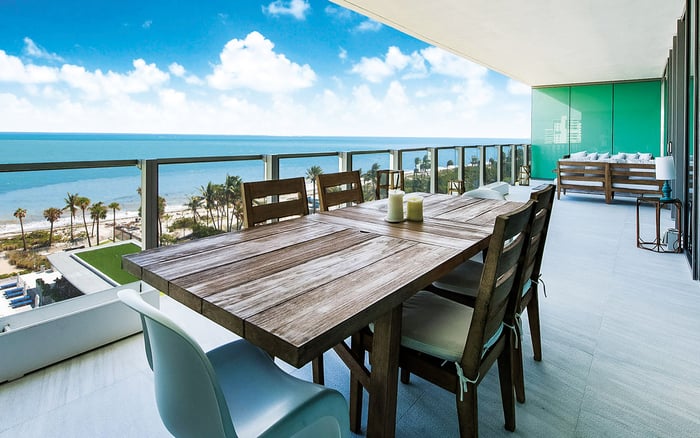
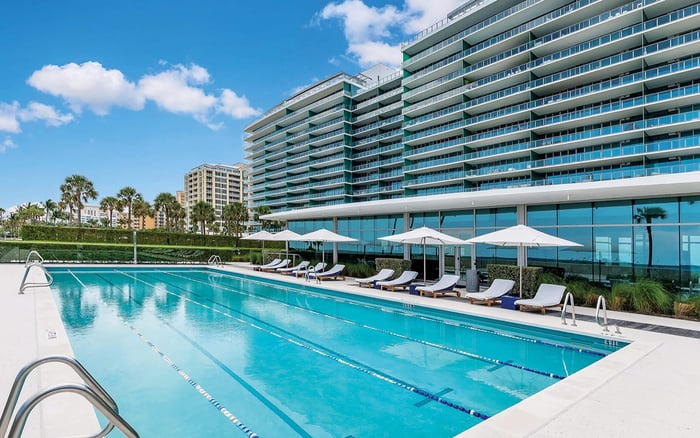
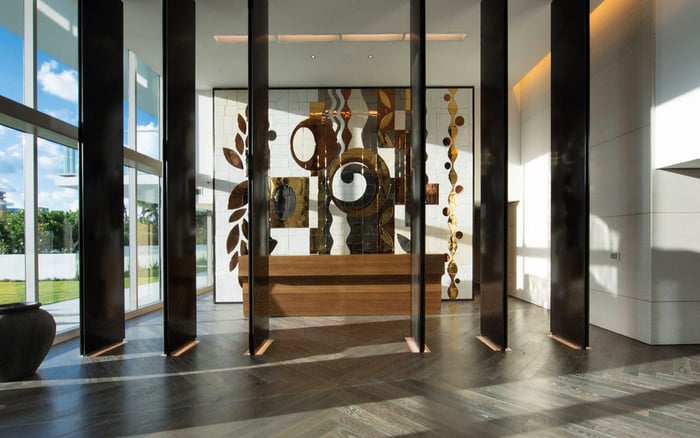
Key Biscayne’s wellness proposition is strongest when buyers look beyond amenity counts. Access rights, operating rules, recurring costs, route testing, and association records determine whether a residence truly supports a carefully planned lifestyle.
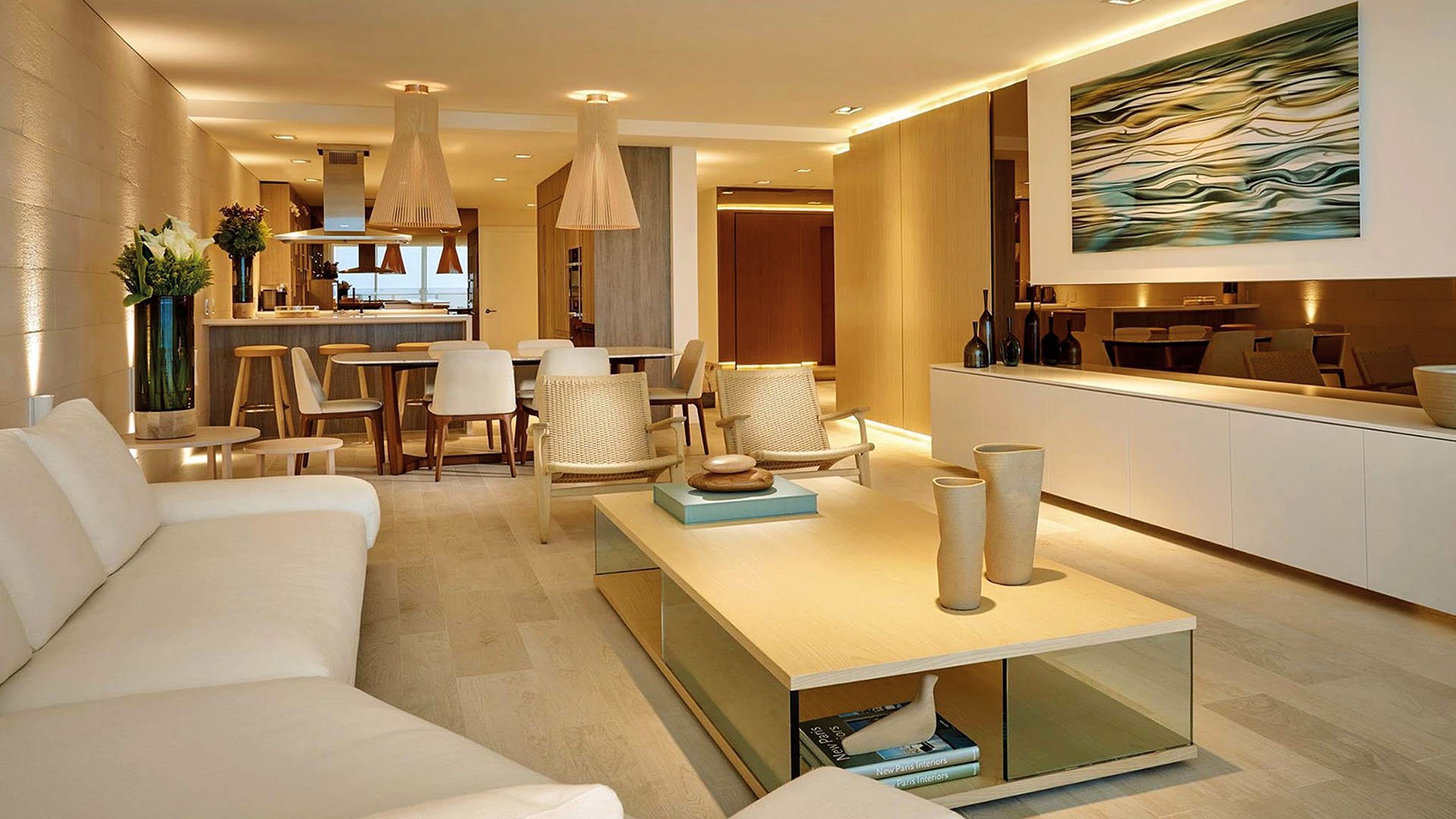
In Key Biscayne, an elegant spa, private beach, or ocean-facing fitness room can be genuinely useful. Yet careful ownership demands a more exacting question: How reliably will each amenity support the household’s actual routine?
The Ritz-Carlton Key Biscayne offers a useful benchmark for the island’s evolving wellness expectations. Following a $100 million transformation, the resort reopened with wellness at the center of its experience. Its new 30,000-square-foot spa encompasses 16 treatment rooms, three couples’ suites, a full-service salon, and a spa garden with private cabanas. Ritual-led experiences, boutique fitness offerings, and a refreshed Oceanfront fitness center extend the concept beyond occasional treatments.
These specifications illustrate the distinction between an amenity and an operating program. The spa, at 455 Grand Bay Drive, operates from 9 a.m. to 5 p.m. Monday through Thursday and from 9 a.m. to 6 p.m. Friday through Sunday, with appointments required. A buyer should never assume that proximity to a hotel spa confers complimentary, preferential, or guaranteed residential access.
A polished brochure may depict a treatment room, cabana, or pool. Association documents should establish who may use it, when it operates, whether guests are permitted, what requires a reservation, and which charges fall outside regular assessments.
The Ocean Club illustrates the breadth that may matter to an active household. Its residential offering includes a clubhouse, pool, spa or hot tub, cabanas, fitness center, sauna, and private beach access, along with tennis, pickleball, and basketball. The 52-acre community also encompasses 125 private cabanas, eight tennis courts, several pools, two restaurants, a fitness center and spa, and more than 1,000 feet of private beach.
Ocean Tower I offers access to a private 20,000-square-foot Ocean Club Beach Club with dining and lounge spaces, spa areas, aerobics, and fitness facilities. The essential diligence point is not simply whether access is promoted, but whether the specific residence conveys it under current rules-and at what cost.
At Oceana Key Biscayne, the amenity mix includes 500 feet of private beach, relaxation and lap pools, beach service, poolside dining, a fitness center, spa, tennis court, and putting green. An ocean-view fitness center adds experiential value, but the practical comparison remains personal. A lap swimmer, tennis player, multigenerational family, and owner seeking quiet recovery spaces will assign different value to the same inventory.
Grand Bay similarly combines two outdoor pools, a full-service spa, whirlpool, relaxation lounges, fitness center, tennis courts, and private beach access. Its separation of family and tranquil adults-only pool environments is particularly relevant. Operational distinctions of this kind may shape everyday privacy more than the total number of amenities.
Lifestyle fit should therefore be tested against a sample week. Consider preferred exercise hours, children’s schedules, guest frequency, treatment availability, weather alternatives, and the walking route from the residence to each facility. Waterfront beauty matters, but convenience determines whether wellness infrastructure becomes habitual.
Medical planning warrants the same discipline. The available facts do not support dependable drive-time claims from individual Key Biscayne properties to hospitals or specialist centers. Straight-line distance is no substitute for an actual journey, particularly when bridge traffic can alter the experience.
Before contracting, test likely medical routes during peak and off-peak periods. Begin at the building’s actual garage exit, not a map pin. Repeat the exercise for routine appointments and time-sensitive scenarios, considering how household members, caregivers, or drivers would navigate the route.
Buyers weighing island privacy against mainland flexibility may also include The Well Coconut Grove and House of Wellness Brickell in a broader search. These comparisons should center on geography and ownership priorities, not assumptions of equivalent services based on project names.
A durable wellness proposition is one the association can operate and maintain. Review current budgets, reserves, recent meeting records, vendor arrangements, rules, maintenance responsibilities, guest policies, reservation systems, and separately billed services. Determine whether facilities are staffed, seasonal, under renovation, shared, or governed by third-party agreements.
Confirm the status of cabanas, beach service, spa bookings, fitness classes, food and beverage access, and racquet facilities in writing. If a benefit is decisive, its governing language carries more weight than a sales description. Resale value may also depend on whether future buyers can understand those same rights without ambiguity.
The most considered Key Biscayne purchase aligns three layers: the residence itself, the dependable operation of its wellness amenities, and realistic access to medical care. When those layers work together, luxury becomes less about abundance and more about continuity.
Does living near the Ritz-Carlton guarantee spa access? No. Nearby condominium ownership should not be assumed to include complimentary, preferential, or guaranteed hotel spa access.
What should buyers verify about condominium spas? Confirm access rights, hours, staffing, reservations, guest rules, additional fees, and maintenance obligations in current documents.
Why do posted operating hours matter? Hours determine whether an amenity fits a household’s actual routine rather than remaining a rarely used feature.
Is a larger amenity package always better? No. Privacy, availability, upkeep, and alignment with daily habits can matter more than the number of facilities.
What makes separate family and adults-only pools relevant? They can create clearer expectations around activity, quiet, privacy, and multigenerational use.
How should a buyer assess medical proximity? Test actual routes from the property during peak and off-peak periods rather than relying on distance alone.
Should bridge traffic affect a purchase decision? It should be incorporated into route planning, especially when a household anticipates frequent or time-sensitive medical travel.
Which association materials deserve review? Examine budgets, reserves, meeting records, rules, vendor arrangements, reservation policies, and separately billed services.
Can marketing establish permanent amenity rights? Marketing can frame the offering, but current governing documents and written confirmations should establish enforceable access.
What is the best final wellness test before buying? Model a normal week and confirm that exercise, recovery, recreation, guest use, and medical travel work in practice.
When you're ready to tour or underwrite the options, connect with MILLION.
If branded residences are on your mind — as a home or as an allocation — we would be glad to share what we are seeing, privately.
Begin a quiet conversation