A buyer-focused guide to coordinating municipal lien research, county records, permit review and condominium diligence before closing at Turnberry Ocean Club.
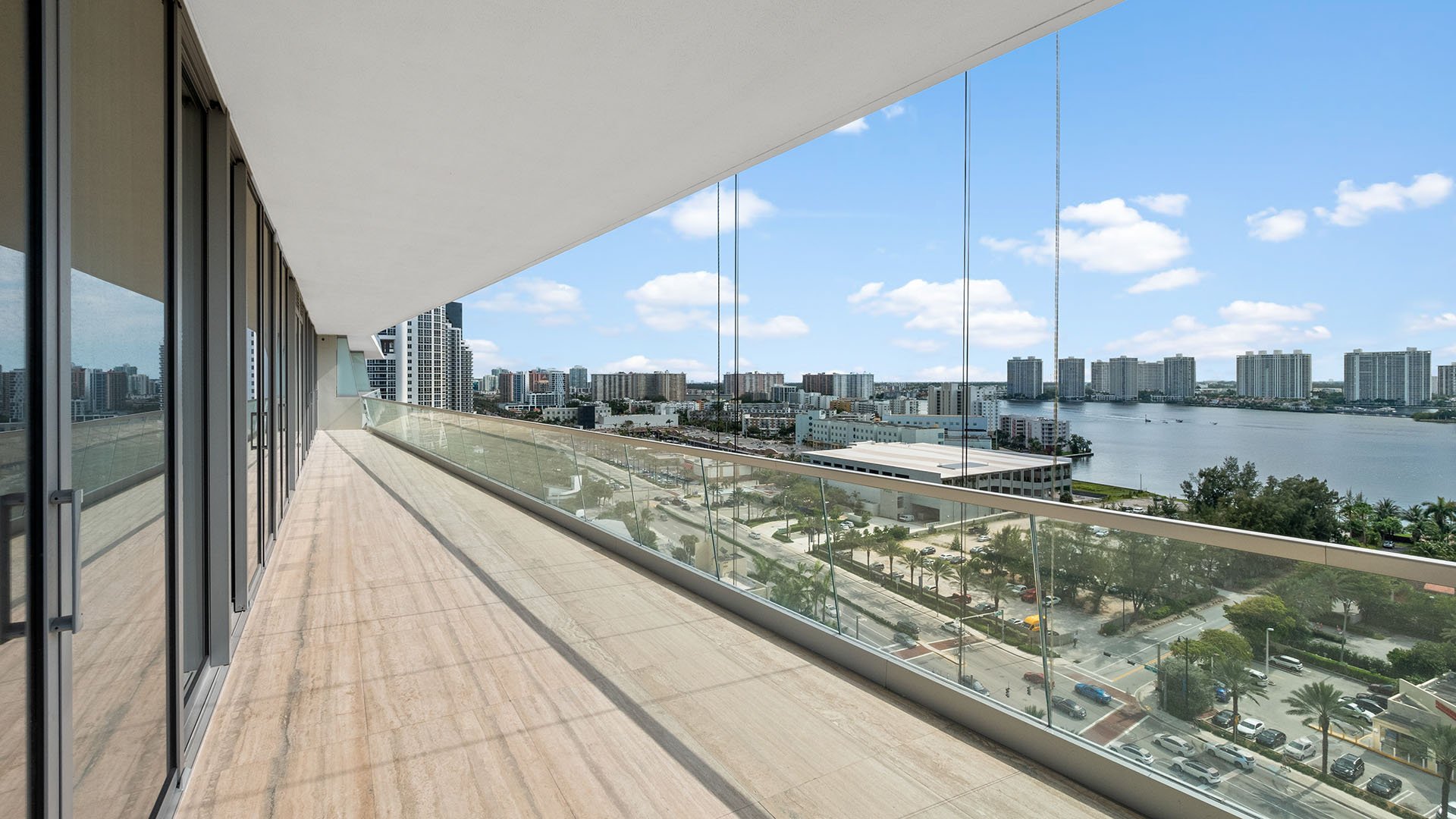
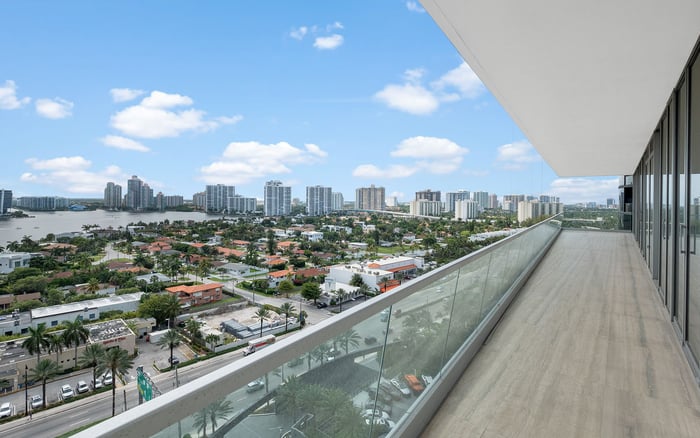
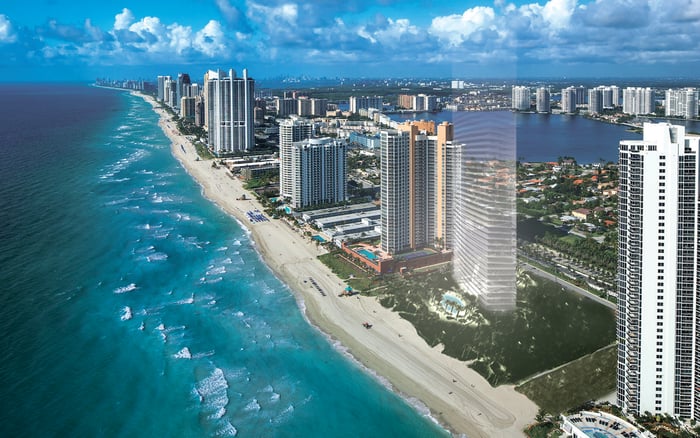
At Turnberry Ocean Club Sunny Isles, the visual proposition is immediate: a luxury condominium tower directly on the beachfront in Sunny Isles Beach. The less visible side of an acquisition is equally consequential. Before title transfers, a buyer should determine whether the unit is associated with unresolved permits, municipal charges, code matters or approvals that never reached formal closure.
This is particularly important in a resale transaction. A polished residence may appear complete while its administrative record tells a more complicated story. Work can be physically finished yet remain open because a final inspection, correction or closeout step is missing. Code-enforcement fines can also continue to accrue until the underlying condition is cured.
For readers of MILLION's Buyer's Guides, the central principle is simple: municipal research and recorded-title research answer different questions. Neither should be presumed to cover the other.
The condition of a residence and the condition of its public record are separate matters.
A county-record search is designed to identify recorded encumbrances, including liens and judgments recorded in Miami-Dade County. Those records are an essential part of closing diligence, but they do not necessarily reveal every obligation maintained directly by a municipality.
A municipal lien search addresses that second layer. It may identify open or expired permits, code-enforcement cases, utility balances, non-ad valorem charges and pending municipal assessments. Because some of these items may not appear in county land records, a conventional title search is no substitute for direct municipal inquiry.
The appropriate municipality for a Turnberry Ocean Club residence is Sunny Isles Beach, not the City of Miami. Jurisdiction should be verified rather than inferred from a Miami mailing convention or a buyer's general familiarity with the county. The city's lien-search process requires a request letter containing the property address, folio number and return email address. Because the inquiry is property-specific, the closing team should confirm the precise unit folio before ordering it.
The practical result is a two-track review: search county records for recorded liens and judgments, then search Sunny Isles Beach records for municipal obligations, violations and permit issues. Together, these tracks provide a more complete view than either can alone.
Permit review should go beyond asking whether work was performed. The better question is whether each relevant permit progressed through the required inspections and achieved formal closure. An unresolved permit or missing final approval can lead to a post-closing inspection, corrective work or an administrative closeout process.
The review should match permits to the residence and clarify the scope of work. If a permit is marked open, expired or otherwise unresolved, the buyer's team should determine what remains outstanding, who will handle it and what evidence will establish completion. A finished-looking renovation is not proof of a complete permit history.
This discipline applies throughout the Sunny Isles luxury corridor. A buyer comparing a residence at Jade Signature Sunny Isles Beach or The Ritz-Carlton Residences® Sunny Isles should still treat every inquiry as folio-specific. Proximity, architectural caliber or a shared oceanfront setting does not make one property's municipal record a proxy for another's.
A condominium purchase requires attention beyond the individual folio. Buyers should review permit and violation information tied to the unit while asking the association and closing team about relevant building-wide or common-element matters. Counsel should clarify whether the municipal search covers only the unit folio or extends to any applicable master-association and common-element records.
Municipal diligence also does not replace the condominium association estoppel, financial statements, budgets, reserve information, board minutes or disclosures about pending special assessments. These materials address distinct categories of risk. An estoppel may establish amounts owed to the association, while city research may reveal obligations or compliance matters maintained through municipal systems.
For an investment buyer, the distinction is not academic. A charge, continuing fine or unresolved approval can affect timing, carrying costs and the clean administration of a future sale. The objective is not simply to collect documents, but to reconcile them and identify gaps before contractual leverage expires.
The same principle applies to an acquisition at Bentley Residences Sunny Isles. The relevant record set belongs to the specific property and transaction; no nearby condominium's history can establish the status of another residence.
Municipal turnaround times can range from 1 to 20 business days. An accelerated closing should account for that interval rather than waive the inquiry for convenience. Ordering early in the contract period gives the buyer, seller, title agent and counsel more time to interpret findings and establish a resolution.
The executed agreement should identify who is responsible for ordering and paying for the search, as well as how discovered items will be handled. In an AS IS contract setting, municipal lien research may also help the closing team address title-policy exceptions for certain unrecorded governmental liens. The exact treatment remains contract-specific and should be reviewed by qualified Florida counsel.
If an issue appears, the response should be documented. Depending on the contract and circumstances, possible approaches may include seller cure, escrow, a contractual credit, indemnity or exercise of a termination right. A vague promise to resolve an item after closing is materially different from a defined obligation supported by deadlines, funds and evidence of closure.
A careful buyer can organize the process around a concise sequence:
Confirm the full property address, unit folio and Sunny Isles Beach jurisdiction.
Order the municipal lien search early enough to absorb the stated processing window.
Run separate county-record searches for recorded liens and judgments.
Trace every relevant permit through inspection status and formal closure.
Review code cases, utility balances, charges and pending municipal assessments.
Ask the association about building-wide, master-association and common-element matters.
Reconcile municipal results with the estoppel, financial materials, budgets, reserves and board records.
Assign responsibility for cure, payment and documentary closeout before closing.
No public, unit-by-unit summary establishes the lien and permit history of every residence at Turnberry Ocean Club. Each acquisition therefore requires a current investigation tied to the correct folio. That specificity is the essence of responsible luxury due diligence: the residence, the records and the negotiated remedy must align.
At this level of the market, discretion and speed matter, but neither should come at the expense of precision. A complete review cannot guarantee that every future issue will disappear. It can, however, reveal the municipal and permit matters available for investigation while the parties still have contractual tools to allocate responsibility.
For private representation and a carefully coordinated Sunny Isles Beach acquisition, connect with MILLION.
If branded residences are on your mind — as a home or as an allocation — we would be glad to share what we are seeing, privately.
Begin a quiet conversationIt examines obligations maintained by the local government that may not appear in Miami-Dade County's recorded land records.
No. County records cover recorded encumbrances, while direct municipal inquiry can reveal unrecorded obligations, violations and permit issues.
Sunny Isles Beach is the relevant municipality for a Turnberry Ocean Club unit, not the City of Miami.
The request letter should include the property address, folio number and return email address.
It may reveal open or expired permits, code cases, utility balances, non-ad valorem charges and pending municipal assessments.
It may require a later inspection, corrective work or formal closure, even when the underlying work appears complete.
Yes. Fines can continue accruing until the underlying violation is cured.
Yes. Buyers should investigate relevant building-wide and common-element issues through the association and closing team.
Reported turnaround times range from 1 to 20 business days, making an early order prudent for a fast closing.
Depending on the contract, counsel may consider cure, escrow, credit, indemnity or available termination rights.