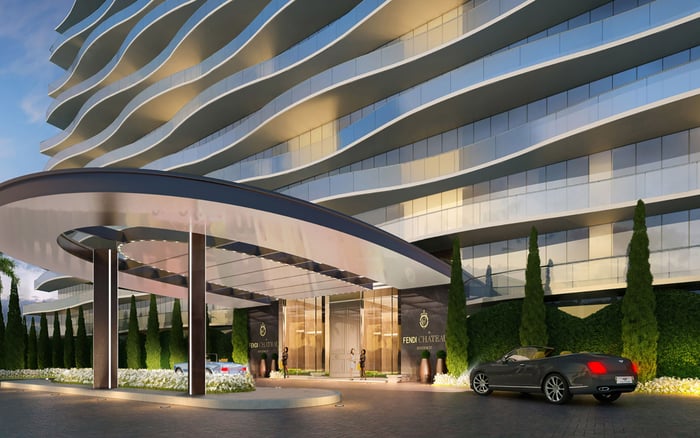
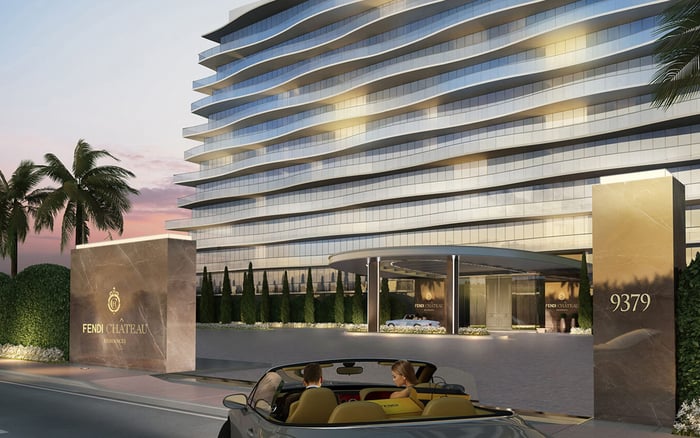
A practical framework for Boston families evaluating Surfside residences for several generations, with emphasis on private zones, guest flow, caregiver access, amenities, operating rules, and zoning review.
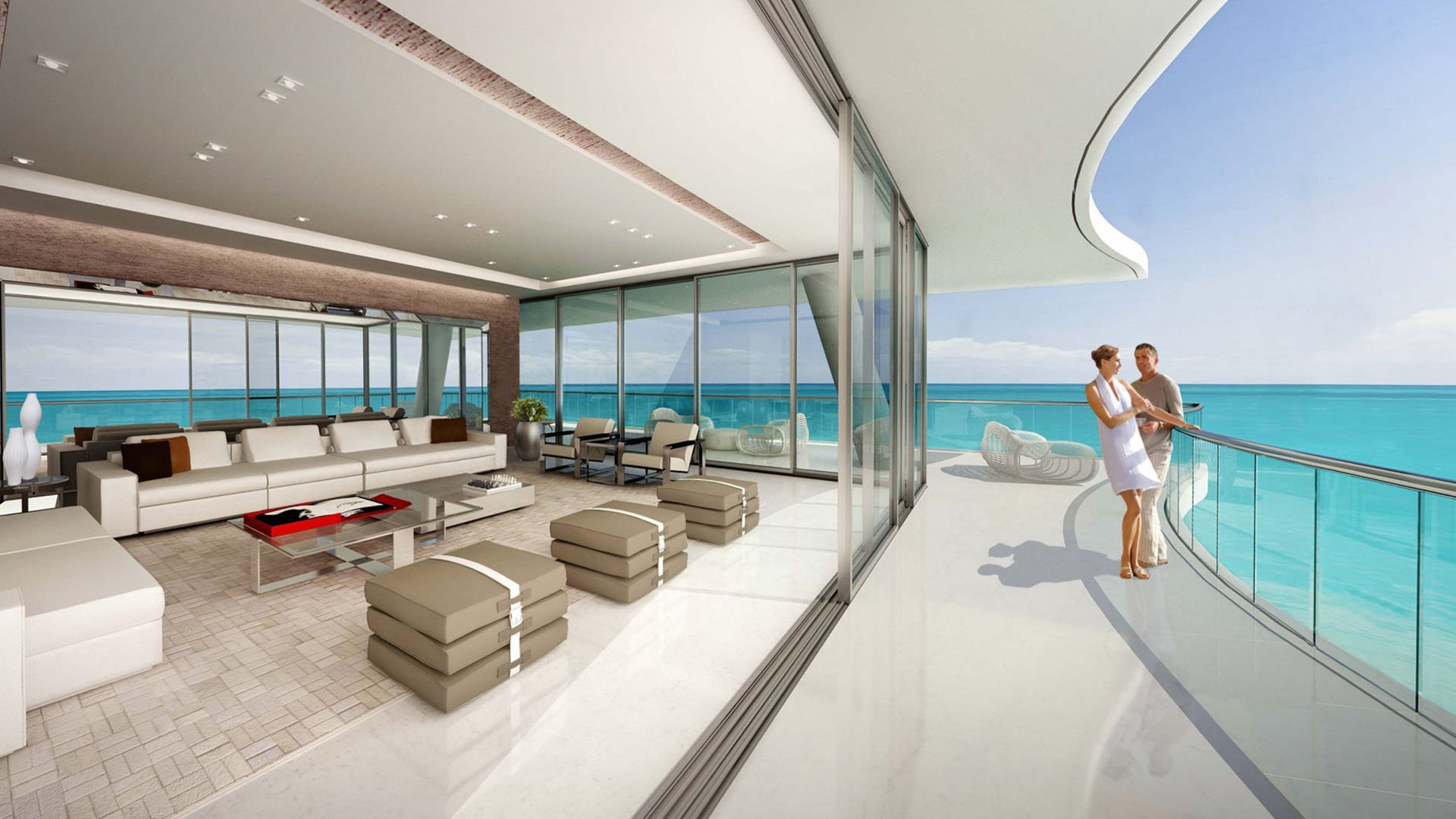
For a Boston family moving several generations to Surfside, the central question is not simply how many bedrooms a residence contains. It is whether the home can preserve autonomy while allowing relatives, children, guests, and caregivers to move through daily life without friction.
Before touring, create a household operating plan. Identify who will live in the residence full time, who will visit seasonally, who may stay overnight, and which caregivers will arrive on a recurring schedule. Then map the moments most likely to create tension: early breakfasts, school-day departures, medication routines, remote work, evening entertaining, and weekend guests.
The best multigenerational residence makes privacy routine rather than negotiated.
This plan is the foundation of a disciplined Surfside search. It also keeps a visually impressive great room from overshadowing more consequential details: bedroom placement, bathroom access, acoustics, elevator control, and service circulation.
Request plans that clearly show bedroom separation, en-suite bathrooms, acoustic buffers, and the route from the entrance to each sleeping suite. A grandparent's room beside the principal living area may appear convenient, yet remain exposed to entertaining noise. A caregiver room may be generous, but it is less functional if reaching it requires crossing private family space.
Favor a layout with distinct zones rather than a corridor lined with bedrooms. Deep terraces and flexible entertaining areas can provide valuable breathing room. At Arte Surfside, open-concept living areas, insulated floor-to-ceiling glass, and deep terraces can support different family activities, while private elevators with fingerprint technology offer tighter access control.
Evaluate technology operationally. Ask how credentials are issued, whether access can be limited by time or destination, and how a recurring caregiver is handled differently from an overnight guest. Confirm the backup process if a relative cannot comfortably use biometric access. The objective is discreet independence, not complexity.
In a multigenerational household, common spaces can function as a second living plan. A lounge can accommodate a family gathering. A children's room can host caregiver-supervised activity. Pools, gardens, wellness areas, and restaurants can allow different generations to maintain separate routines without requiring every interaction to occur inside the home.
The residents' lounge, catering kitchen, and children's playroom at Arte Surfside illustrate this overflow capacity. Its indoor and outdoor pools, fitness and yoga facilities, sauna, steam room, tennis court, and meditation pond also provide options for active and quiet time.
At The Surf Club Four Seasons Surfside, Four Seasons-trained staff, beach service, restaurants, an oceanfront spa, two residents-only fitness centers, and four heated pools provide multiple settings for parallel schedules. Families should still distinguish residents-only amenities from those shared with hotel guests, then assess how that distinction affects privacy and ease of use.
Ocean House Surfside offers another model, with intimate lounges, reflecting ponds, floating cabanas, a rooftop pool and sundeck, a ground-floor garden, an outdoor kitchen, and extensive spa and wellness spaces. These areas can accommodate visiting relatives or supervised activities while keeping the private residence composed.
Guest planning should reflect the length of each stay. A weekend visitor may need a comfortable en-suite room and straightforward amenity access. A grandparent staying for several months may require greater acoustic separation, personal storage, a sitting area, and a route that does not cross the family's principal suite.
Ask whether any bedroom has a secondary entrance suitable for a caregiver, but do not assume a door creates a lawful independent residence. Verify overnight guest limits, registration procedures, elevator credentials, delivery rules, valet privileges, and additional parking. If relatives travel with companion animals, confirm both building and unit-specific pet rules rather than relying on a general pet-friendly description.
Hospitality should remain flexible. A guest room that can also serve as a study or quiet retreat may prove more useful than a highly specialized suite that sits vacant. Conversely, a household expecting frequent extended stays should favor true separation over convertible furniture and temporary screens.
Caregiver logistics often determine whether a home feels serene in practice. Document arrival times, parking or valet procedures, front-desk registration, elevator authorization, service access, and the handling of grocery, pharmacy, or equipment deliveries. Confirm whether a recurring caregiver can hold standing credentials or must be registered for every visit.
The protocol should also protect family privacy. Define which rooms remain private, where handoffs occur, and where a caregiver can take a break. If care may expand later, consider whether the residence can accommodate overnight support without displacing a family member.
Concierge and valet services can simplify arrivals, but only when association policies align with the household's schedule. Obtain the current rules in writing and compare them with actual routines. A theoretically staffed entrance is no substitute for permission, credentialing, parking availability, or an efficient route to the residence.
Luxury amenities are most valuable when they replace household complexity. Compare monthly service costs with the family's likely use of housekeeping, dining, beach service, valet, fitness, spa, and concierge support. A household that regularly hosts relatives may derive substantial value from lounges and staffed arrivals; another may place greater value on residence size and private circulation.
The planned amenity program at The Delmore Surfside includes concierge and beachside services, a private restaurant, a lounge with a gourmet kitchen, a European-style thermal spa, and two pools. Its suspended rooftop pool and indoor lap pool opening toward a meditation garden are conceived as distinct active and quiet wellness settings. Buyers should evaluate the plans and service terms against anticipated family routines.
The most useful comparison, therefore, is not the number of amenities. It is how many recurring household tasks a property can handle gracefully, without requiring relatives to surrender privacy or independence.
For a house, duplex, or major renovation, establish the dwelling classification before purchase. Surfside defines a single-family dwelling as a building designed for or occupied exclusively by one family. A duplex or two-family dwelling consists of two dwelling units attached by a common party wall or firewall within one building. Minimum space requirements also differ by classification.
An independent guest or caregiver suite could raise questions about whether the plan remains a single-family layout or becomes a separate dwelling unit. Have a local land-use attorney or architect review the concept, applicable zoning, permitting path, application fees, and cost-recovery deposits. Complete this review before assigning value to a secondary kitchen, separate entrance, or proposed addition.
The strongest decision process combines three documents: a marked floor plan, a written household operating plan, and the current association or zoning rules. Test each finalist against ordinary weekdays, extended family visits, caregiver changes, and the possibility that an older relative's needs may evolve.
A well-composed Surfside home does not force togetherness. It supports proximity while preserving choice, allowing each generation to participate in family life on comfortable terms.
For discreet guidance on Surfside residences suited to multigenerational living, connect with MILLION.
If branded residences are on your mind — as a home or as an allocation — we would be glad to share what we are seeing, privately.
Begin a quiet conversationPrioritize separated bedroom zones, en-suite baths, acoustic buffers, and circulation that does not force guests or caregivers through private family areas.
Lounges, playrooms, pools, gardens, and wellness areas provide overflow settings where different generations can maintain separate routines.
Credential rules determine whether recurring caregivers can arrive efficiently while household access remains controlled. Ask how temporary, standing, and backup access work.
Confirm registration, stay limits, elevator access, parking or valet privileges, deliveries, and use of shared amenities.
No. In a hotel-branded property, families should distinguish residents-only facilities from spaces shared with hotel guests.
Strong separation, an en-suite bath, storage, a quiet setting, and independent circulation are more important for extended stays than decorative flexibility.
A secondary entrance can improve circulation, but buyers should confirm association rules and whether the layout creates zoning or dwelling-classification issues.
Measure monthly costs against likely use of housekeeping, dining, valet, concierge, beach, fitness, and wellness services.
Potentially, depending on its design and use. A local land-use attorney or architect should verify the applicable classification before purchase or renovation.
Review a marked floor plan, current association rules, access and guest policies, service costs, and any relevant zoning or permitting requirements.