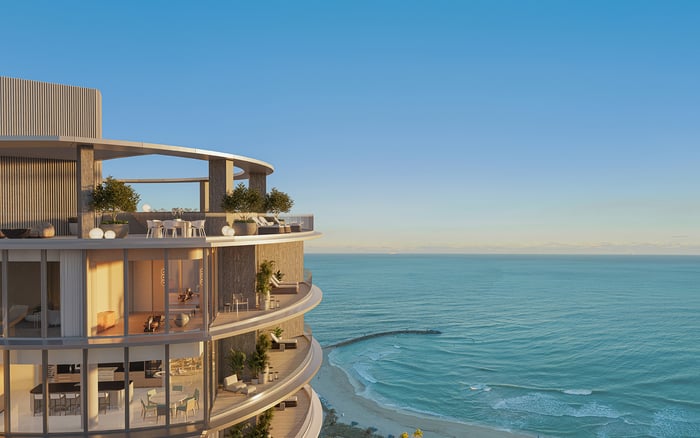
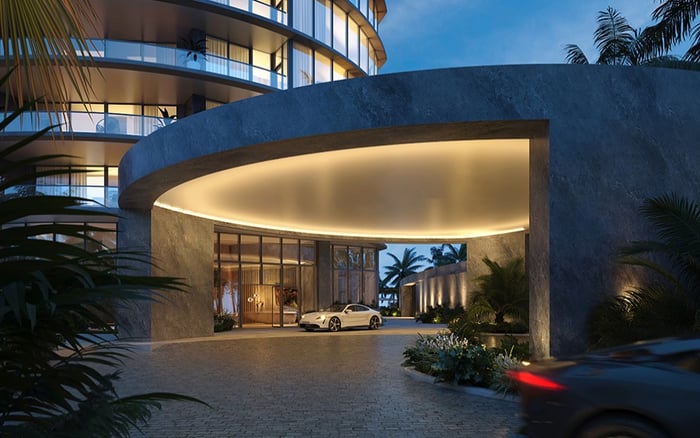
Rivage Bal Harbour pairs an exceptionally limited oceanfront proposition with contractual caveats that deserve equal attention. The prospectus and purchase agreement, rather than renderings or conversations, should anchor a buyer’s assessment of views, specifications, deposits, timing and value.
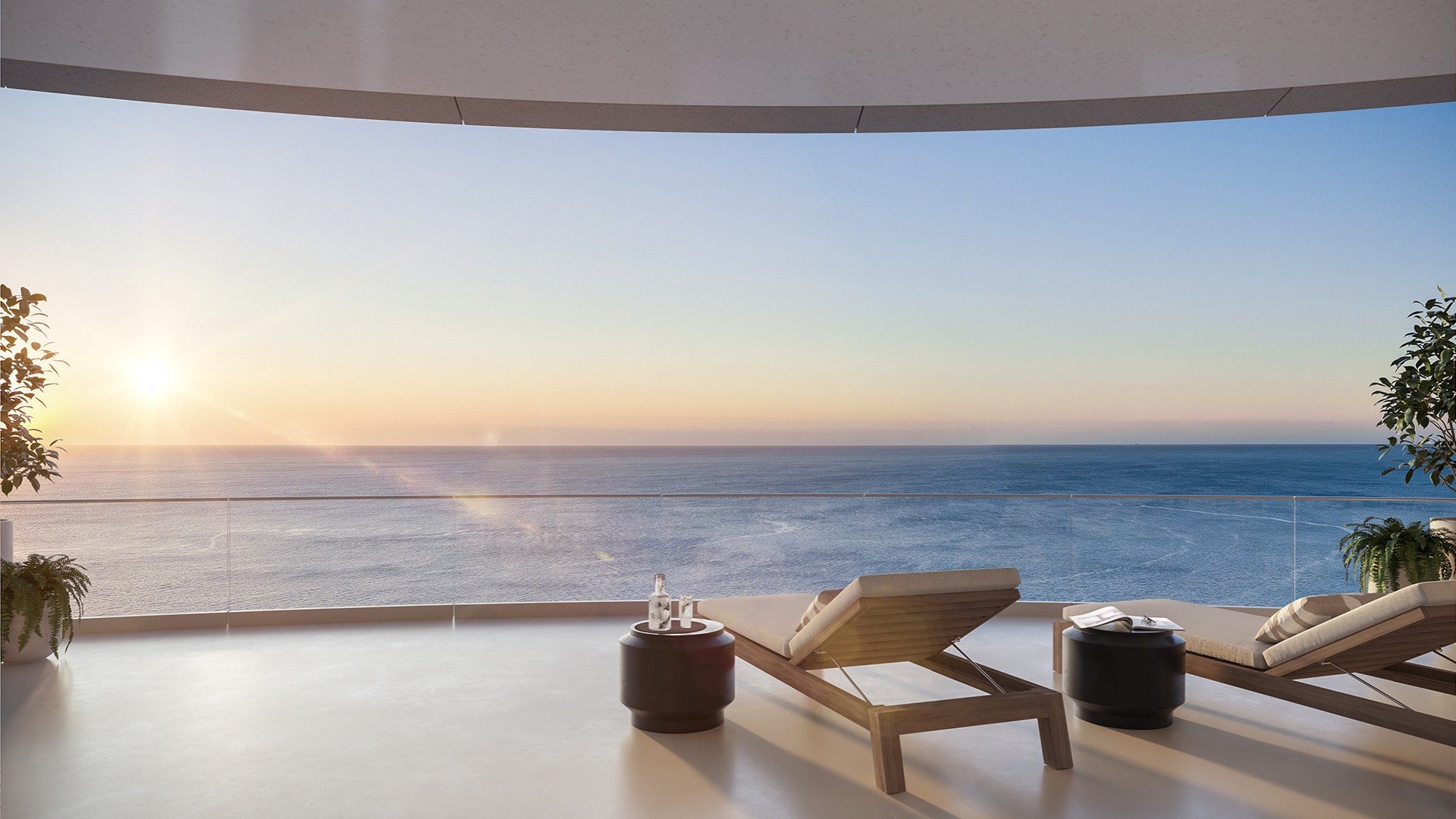
At 10245 Collins Avenue, Rivage Bal Harbour is positioned as an oceanfront collection of expansive residences on approximately 2.67 acres, with 200 linear feet of private shoreline. The collection comprises 56 homes, with three to six bedrooms and approximately 3,300 to 12,600 square feet. The physical proposition is deliberately rarefied: scale, privacy and direct coastal frontage within Bal Harbour.
Yet the hierarchy is clear. The offering is made only through the Developer’s Prospectus, and statements outside that package should not be relied upon. Buyers are likewise warned against relying on oral representations and directed to the brochure and documents required under Section 718.503, Florida Statutes. For a purchase of this magnitude, the legal package is not an administrative detail. It is the product definition.
The prospectus, not the sales-gallery narrative, defines what a buyer is entitled to receive.
The condominium’s legal developer and offeror is Carlton Terrace Owner LLC. That distinction matters because the project has also been associated with a partnership involving Related Group, Rockpoint and Two Roads Development. A buyer should understand which entity signs the agreement, holds the contractual obligations and issues any amendments, rather than treating every name connected with the development as interchangeable.
The most consequential language addresses the gap between visual intent and contractual commitment. Renderings, finishes, furnishings and amenities are proposed, with the developer reserving the right to modify, revise or withdraw them. A buyer captivated by a particular stone, millwork treatment, furniture composition or wellness setting should determine whether it is expressly included in the governing documents, shown only for illustration or subject to substitution.
The same discipline applies to views. No specific view is guaranteed. That caveat is especially material when comparing residence lines, floor heights and perceived ocean exposure. A rendering can communicate atmosphere, but it does not, by itself, promise a protected sightline. Counsel should examine the contractual treatment of views alongside the site plan, unit plan and any relevant easements or reserved developer rights contained in the current documents.
This distinction extends beyond a single presentation. Buyers comparing Rivage with established coastal buildings such as Oceana Bal Harbour or design-led nearby offerings such as The Delmore Surfside should separate three categories: what exists today, what is proposed and what is legally promised. The distinction is fundamental to any pre-construction acquisition.
The deposit schedule calls for 20% at contract, 10% at groundbreaking, 10% at top-off and 60% at closing. In practical terms, 40% of the purchase price is scheduled before closing. Buyers should model that commitment against liquidity needs, the timing of each milestone and the contractual conditions governing every payment.
Groundbreaking occurred in September 2024, followed by a $424 million construction loan in November 2024. Those are significant project milestones, but they do not replace the protections, deadlines or remedies in an individual purchase agreement. The essential questions remain document-specific: when a deposit becomes due, where it is held, under what circumstances it may be released, what happens after a delay and which provisions survive an amendment.
Residences have been advertised from $8 million, but current pricing should be confirmed in the developer’s offering documents. The same scrutiny should extend to estimated common expenses, assessments, closing costs and any recurring service charges disclosed in the package. Headline pricing is only one element of the total ownership profile.
Two inconsistencies in the project’s public presentation deserve direct clarification. The current description is a limited collection of 56 homes in a 24-story, 275-foot building with approximately 545,000 square feet of gross area. The earlier residence count was 61. That difference may reflect design evolution, but the current prospectus and its amendments should establish the legally operative unit count and condominium composition.
Timing also varies: one project timeline identifies 2026 as the completion year, while another projects delivery in 2027. Neither shorthand should substitute for the purchase agreement’s provisions governing estimated completion, permitted extensions, notice and closing. New-construction buyers should request the latest amendment set and confirm that their planning assumptions align with the contract rather than a general project timeline.
For readers using MILLION Buyer’s Guides to compare limited-inventory coastal properties, the useful question is not which date sounds more attractive. It is which obligation the executed agreement actually creates.
The amenity program is broad: a fitness center, hammam spa, hot and cold plunge pools, pickleball courts, food-and-beverage service, a cocktail lounge, VR simulators, a children’s playroom and a pool. Residences are also presented as large “sky villas” with in-unit elevators and private parking garages. SOM is the architect, and Rottet Studio is responsible for the interiors.
These elements help define the project’s positioning, particularly beside highly serviced coastal addresses such as The Surf Club Four Seasons Surfside and vertical residences such as Regalia Sunny Isles Beach. Still, a prudent review should match every priority feature to the prospectus, condominium exhibits and purchase agreement. Buyers should determine whether each feature is included, proposed, shared, separately charged or reserved for specified residences.
The sales lounge at Bal Harbour Shops, adjacent to Makoto at 9700 Collins Avenue on the third floor, offers a polished setting in which to understand the design vision. It should mark the beginning of diligence, not its conclusion.
Before signing, buyers and their Florida counsel should reconcile the prospectus, all amendments, the proposed declaration, unit exhibits, budget and purchase agreement. Particular attention belongs on dimensions, ceiling heights, parking rights, elevator configuration, finish schedules, amenity rights, developer modification powers, deposit provisions and the definition of completion. Buyers residing elsewhere should also review the jurisdiction-specific notices concerning sales or registrations in states including New York, California and Massachusetts.
The strongest Rivage decision is therefore both aesthetic and forensic. The architecture, shoreline and limited residence count create the appeal. The fine print determines how much of that appeal becomes an enforceable obligation, how capital is staged and where the developer retains discretion.
For discreet guidance on evaluating Rivage and South Florida’s most distinguished residences, connect with MILLION.
If branded residences are on your mind — as a home or as an allocation — we would be glad to share what we are seeing, privately.
Begin a quiet conversationThe offering is made through the Developer’s Prospectus. Buyers should not treat oral statements, renderings or outside marketing as substitutes for the governing documents.
Carlton Terrace Owner LLC is identified as the condominium’s legal developer and offeror.
No. The disclosure language states that no specific view is guaranteed, making document review important when comparing residence lines and floors.
The disclosures describe renderings, finishes, furnishings and amenities as proposed and reserve rights to modify, revise or withdraw them.
The schedule calls for 20% at contract, 10% at groundbreaking, 10% at top-off and 60% at closing.
Current official materials describe 56 homes. Earlier public materials referenced 61, so buyers should confirm the operative count in the latest prospectus.
Published information varies between 2026 and 2027. Buyers should rely on timing provisions in the current purchase agreement and prospectus.
Residences are marketed with three to six bedrooms and approximately 3,300 to 12,600 square feet.
Plans include fitness and spa facilities, plunge pools, pickleball, food-and-beverage service, a cocktail lounge, VR simulators, a children’s playroom and a pool.
The offering package includes jurisdiction-specific notices for states including New York, California and Massachusetts. A buyer’s counsel should review the notice applicable to the buyer’s location.