Before committing funds in Key Biscayne, examine the operating assumptions behind the residence: contract increases, fully costed staffing, recurring budget variances, and reserve obligations. A disciplined document review helps distinguish attractive monthly charges from a sustainable service model.
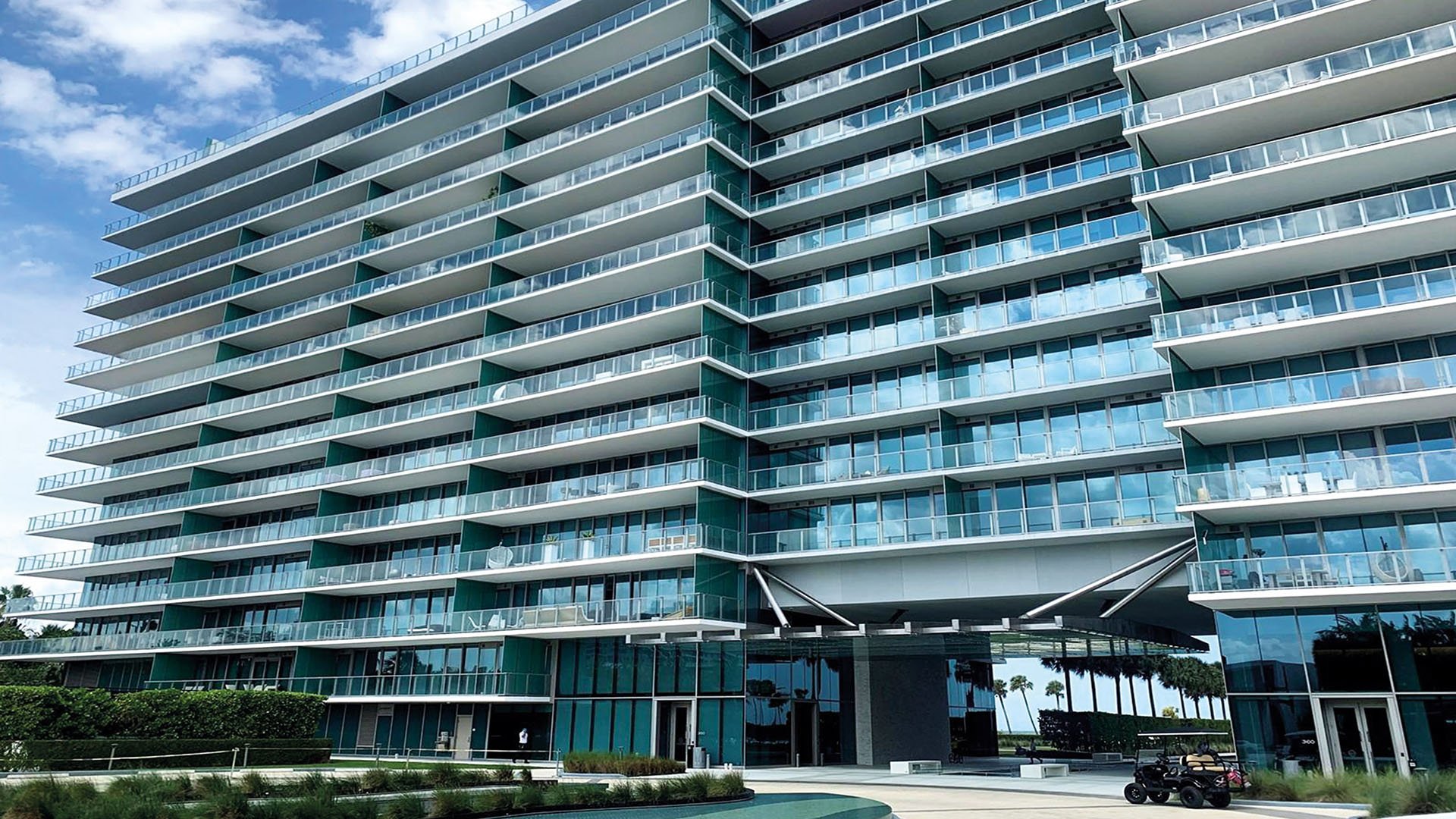
In Key Biscayne, a residence’s appeal is immediately apparent: the setting, the architecture, the sense of retreat. The economics behind that experience require closer reading. Before reserving, a buyer should understand not only the monthly association charge, but also the contracts, staffing assumptions, and reserve obligations that support it.
The question is not whether a budget looks lean. It is whether that budget can sustain the service level you expect without relying on vacancies, deferred work, or assumptions that unravel at renewal. A lower assessment is not necessarily better value if the underlying costs are incomplete.
For a buyer considering Oceana Key Biscayne, these are document-review questions, not conclusions about the association. Apply the same discipline to every candidate residence, regardless of presentation or reputation.
Begin with the association’s annual budget and most recent annual financial statement. Add current balance-sheet and operating statements, material service contracts, and available monthly budget-to-actual schedules. Ask for the most recent Structural Integrity Reserve Study, commonly called a SIRS, or a statement that one has not been completed.
Each document answers a different question. The budget describes the plan. Financial statements show financial position and operating results. Contracts establish future commitments. Reserve documentation helps identify obligations distinct from ordinary service expenses.
Request 24-36 months of monthly variance history as a review target; do not assume every seller will supply it automatically. For a reservation based on projected rather than historical operations, ask which costs are estimates, which contracts are executed, and what remains subject to negotiation. Have counsel distinguish the agreement’s existing review protections from those you wish to negotiate.
For each material service agreement, request its original cost, current annual cost, last three renewal increases, and permitted next-year increase. If there have been fewer renewals, review the available history. The objective is to understand both the increase mechanism and its starting point.
Ask whether adjustments are fixed, tied to consumer prices, linked to wages, or discretionary. Then examine the exceptions. A stated cap may exclude pass-through charges, changes in service scope, or separately billed labor. Have management identify which costs fall within the cap and which remain outside it.
Overtime, holidays, emergency call-outs, replacement personnel, equipment, materials, and management fees deserve explicit treatment. Request a reconciliation of the contract’s base price with the amount carried in the budget. If they differ, ask which assumptions explain the gap.
Finally, check renewal deadlines, termination rights, minimum staffing commitments, and the dates of the latest competitive bids. The useful answer is not simply that a vendor can be replaced, but when replacement is possible and which commitments survive termination.
A staffing budget should explain how promised service is delivered throughout the week. Ask management to compare budgeted and actual headcount by department, identifying vacancies, temporary workers, and outsourced coverage. Request the wages, benefits, and overtime assumptions behind those figures.
Review front-desk, security, valet, engineering, housekeeping, and beach coverage wherever those services are promised. Ask who covers absences, how holidays are staffed, and whether vendor pricing includes replacement personnel. A vacant position may reduce current expense without reducing the cost of maintaining the intended service standard.
If your search also includes Park Grove Coconut Grove, carry the same questions into that review rather than treating different monthly charges as directly comparable. Compare documented service obligations and their full cost, not assessment totals alone.
Ask management to identify the cost of restoring budgeted coverage wherever actual staffing differs. This separates genuine efficiency from temporary underspending and makes the operating plan easier to evaluate.
Compare monthly and year-to-date actuals with the budget, examining both dollar and percentage differences. A large percentage change on a small line deserves different attention from a modest percentage change on a major recurring expense. Neither measure is sufficient alone.
For material differences, request explanations that distinguish timing, one-time events, vendor increases, and recurring overruns. Look for consistency across successive periods. A delayed invoice can create an apparent saving in one month and a corresponding overrun later.
A July 2025 example includes balance-sheet and operating income-statement information, with dollar and percentage budget variances. Legal fees were materially above budget, warranting separate questions about that category. One month, however, does not establish persistent underbudgeting or broader financial weakness.
In that example, actual contingency expense is shown as a dash against a July budget of $1,667. That expense-line presentation does not establish whether reserve contributions were made. Ask how to interpret the entry and reconcile reserve activity separately.
For favorable variances, ask whether savings reflect efficiencies, vacancies, delayed projects, deferred maintenance, or unpaid invoices. The quality of the explanation matters as much as the direction of the variance.
Service-contract discipline cannot substitute for structural and reserve review. Florida’s SIRS requirements generally apply to condominium buildings of three or more stories, with studies generally required every ten years. Confirm current applicability and requirements with qualified advisers before relying on a purchase timetable.
Key Biscayne condominium and cooperative buildings with three or more habitable stories are subject to milestone-inspection requirements. The standard first trigger is 30 years; a local building official can require inspection at 25 years when proximity to salt water justifies it. Coastal location is not an automatic statewide 25-year rule.
Inspection requirements have resulted in repairs and significant assessments for island condominium residents. Reconcile the budget with the SIRS, reserve contributions, loans, unpaid owner balances, insurance deductibles, capital projects, and assessments. Request explanations for any mismatch between identified obligations and planned funding.
When comparing Oceana Bal Harbour with an island residence, maintain the same distinction between operating services and capital obligations. Neither an association’s location nor its name supports a conclusion about its finances.
Before committing, seek written answers to unresolved questions and discuss their significance with your advisers. Have a Florida condominium attorney review document-review contingencies, deposit refundability, and the consequences of proceeding without requested records. Proposed protections should not be mistaken for automatic statutory rights.
The strongest choice is not necessarily the residence with the lowest current charge. It is the one whose service expectations, contractual commitments, and funding obligations you understand well enough to accept.
For a considered approach to your next South Florida residence, explore MILLION.
If branded residences are on your mind — as a home or as an allocation — we would be glad to share what we are seeing, privately.
Begin a quiet conversationStart with the annual budget and most recent annual financial statement. Add current operating records, material service contracts, and the most recent SIRS or a statement that one has not been completed.
Request the original and current annual costs, available renewal history, and permitted next-year increase. Clarify whether increases are fixed, index-linked, wage-linked, or discretionary.
Do not assume it does. Ask whether pass-through costs, overtime, replacement personnel, materials, and changes in service scope fall outside the cap.
Compare budgeted and actual headcount by department, including vacancies and outsourced coverage. Review wages, benefits, overtime, and the cost of delivering promised coverage.
Request 24–36 months of monthly budget-to-actual schedules as a review target. Ask management to distinguish timing differences and one-time events from recurring overruns.
No. They may reflect genuine efficiencies, but they can also result from vacancies, delayed work, deferred maintenance, or unpaid invoices.
It illustrates how dollar and percentage variances can identify expense categories worth questioning, including legal fees above budget. A single month does not establish a persistent trend or broader financial weakness.
No. The July contingency expense entry does not establish whether reserve contributions were made; reserve activity requires separate reconciliation.
No. The standard first trigger is 30 years, while a local building official can require inspection at 25 years when proximity to salt water justifies it; confirm current requirements for the building.
Have a Florida condominium attorney review document-review contingencies and deposit-refundability terms before committing funds. Do not assume proposed contractual protections are automatic statutory rights.