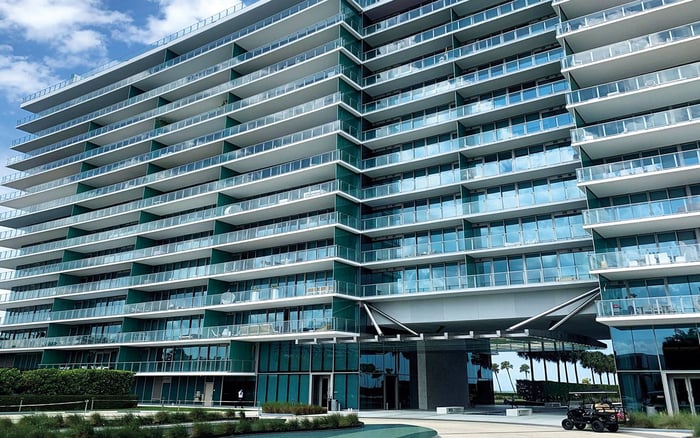
A buyer-focused review of five Key Biscayne residences and screening categories, emphasizing reserve planning, capital-project documentation and association-level diligence for lock-and-leave ownership.
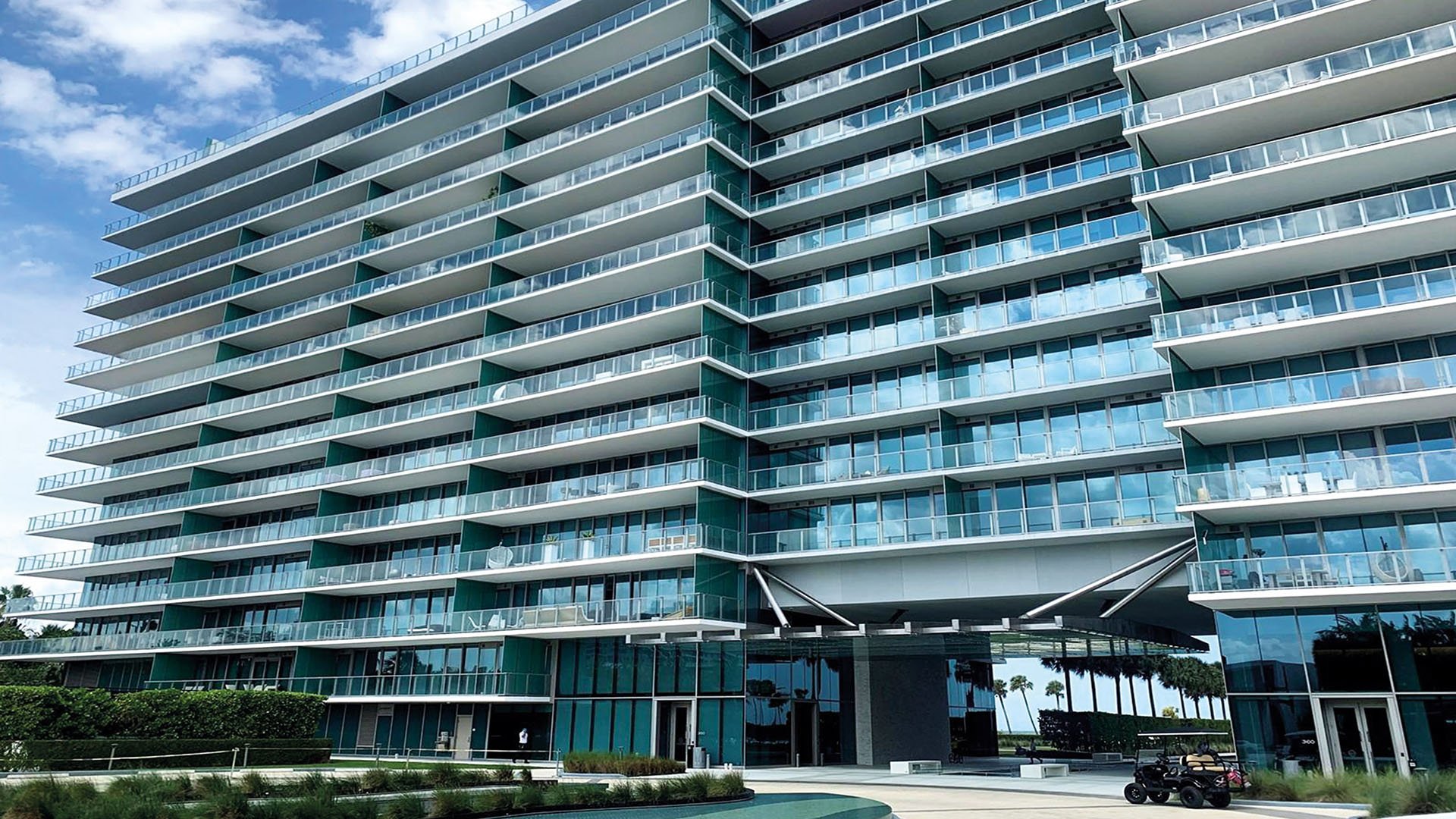
For a lock-and-leave buyer, an elegant arrival is only part of the proposition. Financial clarity also matters: the association should be able to explain anticipated work, available reserves, current obligations and the process for addressing future capital needs.
Special assessments can arise for many reasons, so no condominium should be treated as assessment-proof. The practical objective is to identify buildings where physical condition, planned work and funding decisions are documented clearly enough for informed review.
For lock-and-leave ownership, financial clarity is an essential form of luxury.
Oceana Key Biscayne belongs on a focused shortlist for buyers seeking a luxury condominium lifestyle on the island. Its inclusion is an invitation to examine the current association documents rather than a claim that future owner charges can be ruled out.
Buyers should reconcile the adopted budget, reserve materials, meeting minutes and any planned-project schedule. The review should also identify whether known obligations are covered by existing funds, recurring contributions or another approved funding approach.
Oceansound provides another Key Biscayne option for document-level review. The central question is not whether the building has completed work in the past, but whether its current financial records present a coherent relationship among reserve balances, anticipated projects and association decisions.
A buyer should request the latest available records and clarify any discrepancy among financial statements, engineering materials and board discussions. Past funding decisions can provide context, but they cannot guarantee the outcome of future projects.
Grand Bay deserves consideration as a separate diligence exercise. Dedicated reserve accounts can be useful, but a balance has meaning only when compared with the component or project it is intended to fund.
The buyer’s review should therefore ask what each reserve line covers, whether funds are committed and whether additional work is being considered. Legal, financial and engineering advisers can help interpret records that appear incomplete or inconsistent.
Modern-era properties form the fourth screening category. A more recent building may appeal to buyers seeking contemporary design and lock-and-leave convenience, but age alone does not establish lower financial exposure.
Insurance matters, maintenance history, construction issues, disputes and unexpected repairs can affect any association. Buyers should apply the same document standard regardless of how new or polished a property appears.
A legacy condominium with documented restoration can also merit attention. The strongest candidates are those where the scope of completed work, its funding and any remaining phases can be verified in the association records.
This category requires careful analysis because completed remediation and current financial strength are separate questions. Buyers should determine whether earlier work depleted reserves, whether contributions are rebuilding them and whether additional projects remain under discussion.
A credible funding plan connects scope, timing and money. Begin with the latest reserve materials and identify the components or projects under consideration. Then compare those obligations with the adopted budget, available financial statements and current reserve balances.
Meeting minutes can add context by showing bids under review, professional recommendations, owner concerns and projects moving toward a decision. Closing documents should then be checked for unit-specific balances, approved charges and payment obligations. Monthly dues alone do not establish the strength of an association’s capital planning.
Comparisons elsewhere in Miami-Dade can help buyers refine their review process at projects such as Oceana Bal Harbour and Park Grove Coconut Grove, but every Key Biscayne association still requires its own analysis.
Before signing, request the latest available budget, financial statements, reserve materials, inspection or engineering documents, meeting minutes, planned-project information, assessment history and closing disclosures. Any inconsistency should be reviewed with appropriate legal, financial or engineering professionals.
Remote ownership adds another consideration. A second-home buyer should understand how the association delivers notices, conducts votes, collects payments and handles urgent building communications when an owner is away.
Investment analysis should also distinguish recurring dues from irregular capital exposure. A higher monthly charge does not automatically indicate stronger reserves, just as a lower charge does not necessarily indicate better value. The allocation of funds and the scale of anticipated obligations provide the more useful context.
These five positions create a practical Key Biscayne shortlist: three named condominium options and two broader screening categories. None represents a guarantee against future assessments.
The more durable approach is to seek alignment among property condition, association decisions and available capital. That discipline gives a lock-and-leave buyer a clearer basis for comparing Key Biscayne opportunities without relying on appearance, age or monthly fees alone.
Consult MILLION for a discreet, document-led review of Key Biscayne residences.
If branded residences are on your mind — as a home or as an allocation — we would be glad to share what we are seeing, privately.
Begin a quiet conversationNo. Buyers should treat assessment exposure as a building-specific issue that can change as new obligations arise.
A credible plan connects anticipated work, timing, available reserves and an understandable funding method.
It is a relevant luxury condominium option for lock-and-leave buyers conducting association-level financial and property diligence.
Buyers should compare current financial records, reserve materials, planned work and board discussions for consistency.
Each reserve balance should be compared with the component, project or obligation it is intended to cover.
No. Building age alone does not resolve questions involving maintenance, insurance, disputes or unexpected repairs.
Yes, when buyers can verify completed work, its funding, remaining phases and the condition of current reserves.
No. Buyers must review how dues are allocated and compare available funds with anticipated obligations.
Request available budgets, financial statements, reserve materials, meeting minutes, project information, assessment history and closing disclosures.
Buyers should understand how the association handles notices, voting, payments and urgent communications when owners are away.