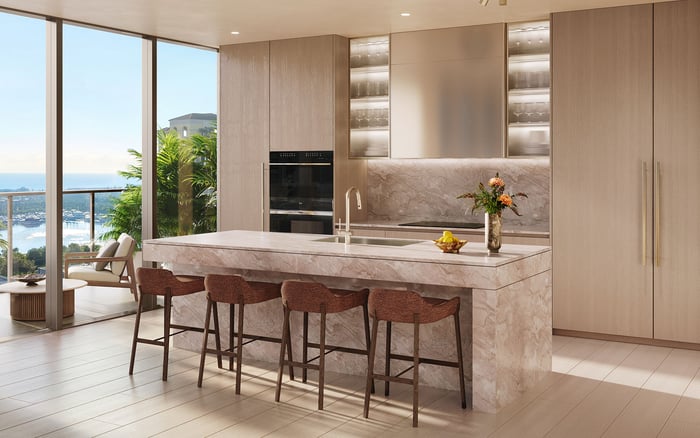
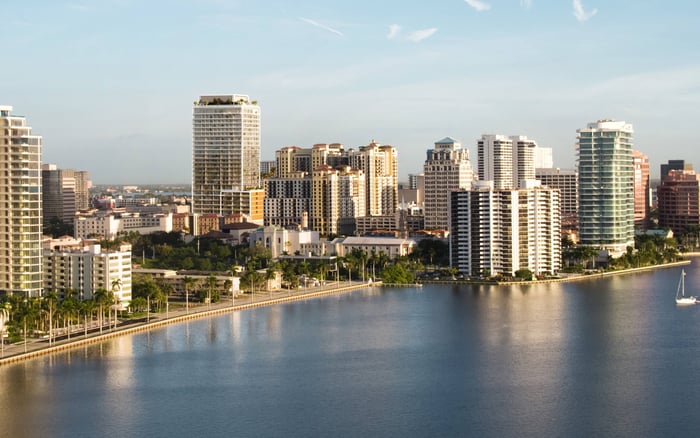
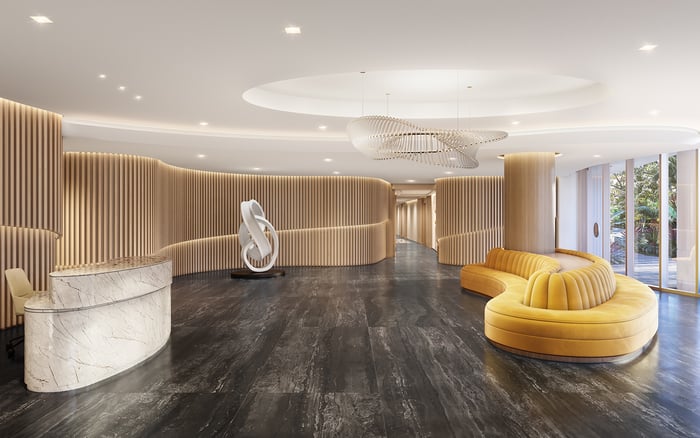
Banyan Tree Residences West Palm Beach pairs corner layouts and expansive glazing with important ownership questions. A collector-focused review should test unit-specific daylight, distinguish impact resistance from UV protection, and establish a conservation plan before artwork is installed.
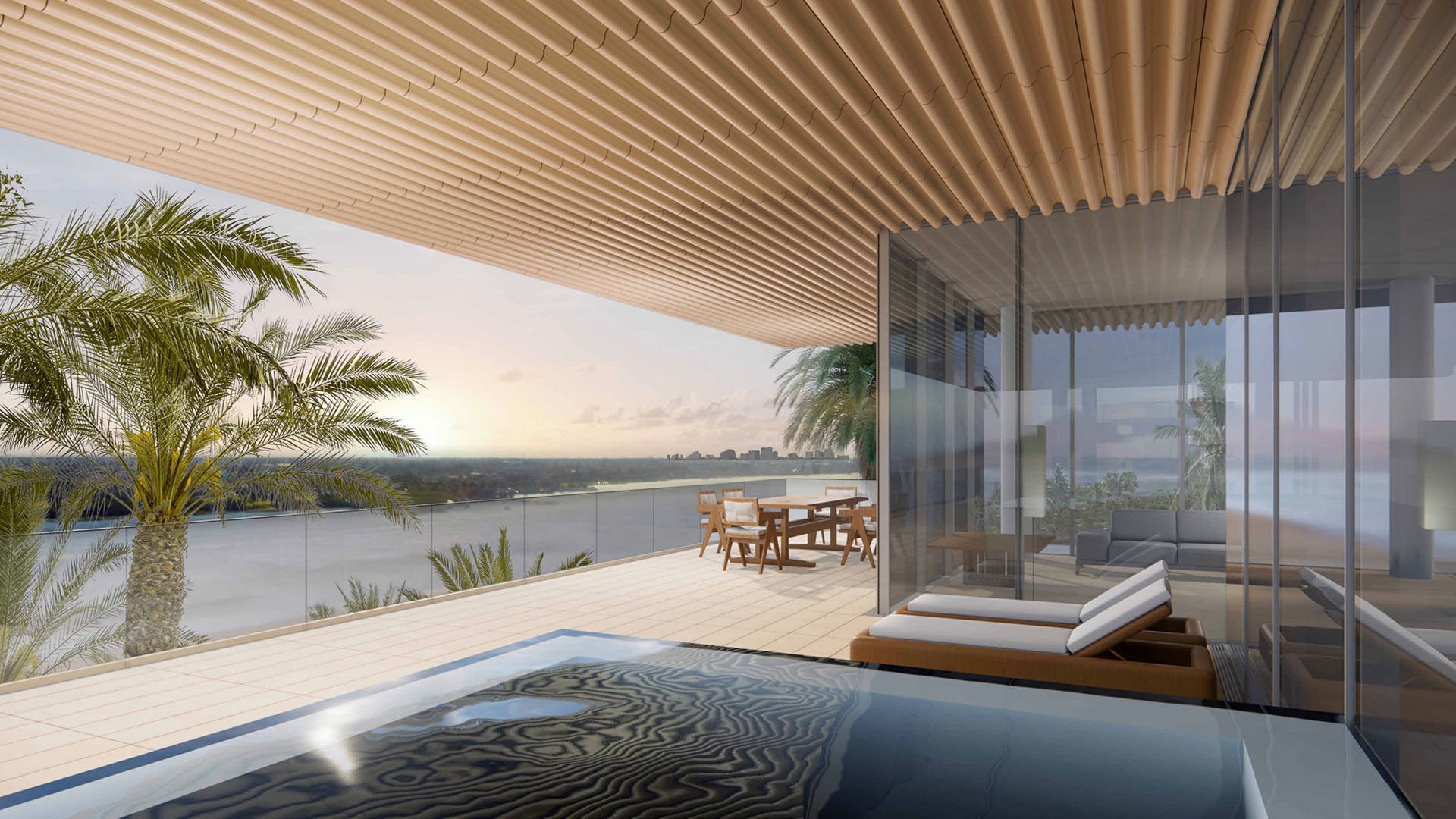
For a collector, the appeal of a luminous residence is inseparable from the discipline of controlling its light. At Banyan Tree Residences West Palm Beach, the advertised combination of corner homes, wraparound terraces, and floor-to-ceiling glass makes daylight a central purchase consideration. The question is not simply whether a room feels bright, but whether that brightness can be managed without compromising the view, daily comfort, or a collection.
The project is marketed as 88 residences in downtown West Palm Beach, comprising one- to four-bedroom homes and a penthouse collection. Specified features include 10-foot clear ceiling heights and impact-resistant glazing. Every home is described as a corner residence with multi-directional exposure to light, air, and views. These are architectural attributes, not evidence of museum-grade environmental control.
A practical review separates three decisions: which residence offers the preferred exposure, how glare will be controlled, and where sensitive artwork can safely live.
Corner planning offers more than one direction of exposure, but it also demands a more detailed daylight review. The building is described as two interlocking residential volumes above a podium, with broad glazing and projecting terraces. Neither that composition nor a rendering establishes how sunlight will fall across a particular wall.
Start with the exact floor plan, a north arrow, the window schedule, and the proposed furniture and art layout. Request a unit-specific study showing direct-sun penetration on representative dates and at different times of day. Include reflected light, neighboring-building context, and the shading effects of terrace overhangs.
Evaluate the advertised panoramic views with the same care. Actual views can vary with floor, orientation, final design, construction changes, future development, and obstructions. A wall that appears suitable for artwork in a presentation image should remain provisional until its exposure has been assessed.
For buyers also considering Alba West Palm Beach, these unit-specific questions offer a useful comparison framework without assuming equivalent glazing or conservation performance.
A wraparound terrace is an appealing extension of a residence, but its presence alone does not establish effective solar shading. The relevant questions are geometric: which panes are shaded, at what times, and whether sunlight still reaches seating, screens, or proposed display walls.
Ask the daylight reviewer to distinguish visual comfort from artwork protection. A room may feel comfortable while a particular artwork receives unwanted exposure. Conversely, controlling a bright window for everyday use does not establish that visible-light and UV exposure at a display location is suitable for the collection.
Consider layered light-filtering and opaque shades, with controls programmed to close before direct sunlight reaches vulnerable works. These are recommendations, not confirmed project amenities. Review the proposed installation against the glazing layout and obtain approval for any work affecting windows or adjacent finishes. The objective is selective control: preserve the experience of the view while creating dependable protection where it matters.
Impact resistance is not shorthand for low glare or conservation-grade filtration. The specified impact-resistant glass does not establish visible transmittance, solar-heat-gain coefficient, low-emissivity coating, or UV-transmission performance.
Request the exact glass specification for the residence, including tested performance data. Visible transmittance characterizes the glazing's light transmission; UV-transmission data addresses a different question. Neither should be replaced by a general assurance that the windows are protective.
If additional film is proposed, require tested UV-transmission information and written confirmation that the product is compatible with the impact-resistant glazing and window warranty. Treat this as a documented technical decision, not a decorative upgrade selected in isolation.
That distinction also belongs in any comparison with Mr. C Residences West Palm Beach. A residential brand is no substitute for a window-performance schedule, and no comparative conservation claim should be made without the relevant specifications.
Museum-grade conservation is not a single glazing feature. Light damage depends on exposure intensity, duration, spectrum, and material sensitivity. A collector needs a plan for each vulnerable work, rather than one brightness target applied throughout the residence.
Favor protected interior walls and keep sensitive works out of direct sunlight. Ask a conservator to review placement, display duration, glazing or framing requirements, and proposed lighting. Reducing visible-light exposure and eliminating UV and infrared radiation where possible are conservation priorities. UV filtering alone does not resolve the broader exposure question.
Collection storage requires a different approach from a living room designed to enjoy daylight. For conservation, storage should exclude daylight and use artificial lighting without UV or infrared emissions. If the ownership plan includes rotating works between display and storage, assess both environments before installation.
The available project specifications do not establish measured interior light levels, glare indices, UV levels, humidity-control performance, or a building-wide art-conservation protocol. That does not establish poor performance; it means a museum-grade claim cannot be assumed.
Environmental stability deserves the same attention as light control. Museum reference points for many collections include a relative-humidity set point between 45% and 55%, ideally with fluctuations no greater than five percentage points from the chosen set point. Another general reference is 65-75°F with average humidity of 45-55%.
These are benchmarks, not confirmed conditions at Banyan Tree or universal prescriptions for every object. In general, humidity should remain below 65% to reduce mold risk and above 35% to protect organic materials. Those outer limits should not be mistaken for an ideal operating range.
Have a conservator define collection-specific targets, then evaluate whether the residence can maintain them during occupied and unoccupied periods. After installation, monitor temperature, relative humidity, visible light, and UV near vulnerable artwork rather than relying solely on a room thermostat. An owner considering Forté on Flagler West Palm Beach should request the same evidence rather than presume comparable performance.
The strongest ownership decision preserves the architectural appeal while giving the collection a separately verified environment. Before committing to an art layout, assemble the exposure study, glazing data, shading proposal, installation permissions, and collection-specific environmental targets. Confirm performance after the home is fitted out.
Banyan Tree's corner planning and expansive glass warrant a thoughtful review, not an automatic rejection or an untested conservation endorsement. The practical standard is straightforward: enjoy daylight where it enriches living, and control exposure where the collection requires it.
For a considered approach to South Florida residential ownership, explore MILLION.
If branded residences are on your mind — as a home or as an allocation — we would be glad to share what we are seeing, privately.
Begin a quiet conversationThe project is marketed as 88 residences, including one- to four-bedroom homes and a penthouse collection.
Every home is described as a corner residence designed for multi-directional exposure to light, air, and views.
Specified residential features include 10-foot clear ceiling heights and floor-to-ceiling, impact-resistant glass.
No. The specified impact resistance does not establish UV-transmission performance, visible transmittance, or low-glare performance.
No. Their shading effects need to be assessed for the actual residence, including orientation, overhang geometry, and direct-sun penetration.
Request the exact floor plan, north arrow, window schedule, neighboring-building context, and a study of direct and reflected light at representative dates and times.
Layered shades and controls that close before sunlight reaches artwork are recommendations, not confirmed project amenities.
No. Require tested UV-transmission data and written confirmation of compatibility with the impact-resistant glazing and window warranty.
A 45–55% relative-humidity set point is a museum reference for many collections, ideally with fluctuations within five percentage points of that set point. A conservator should establish requirements for the actual collection.
The available project specifications do not establish a building-wide art-conservation protocol or measured light, UV, and humidity-control performance. Unit-specific verification is necessary before relying on such a claim.