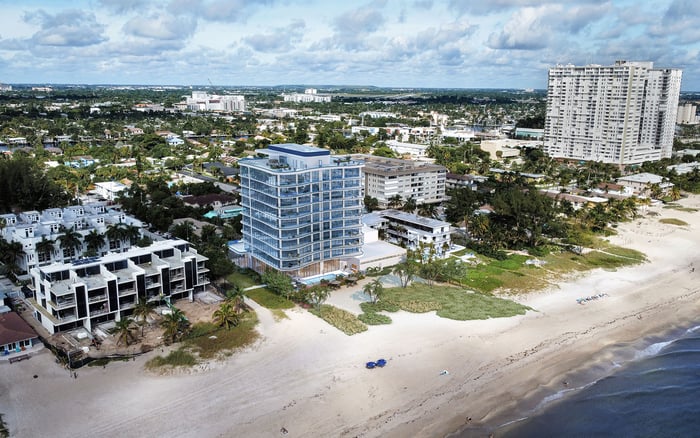
At Ocean 580 Pompano Beach, a tailored electrical review should precede plans for gallery lighting, custom wine storage, and vehicle charging. Here is what buyers should verify about capacity, installation pathways, approvals, and costs.
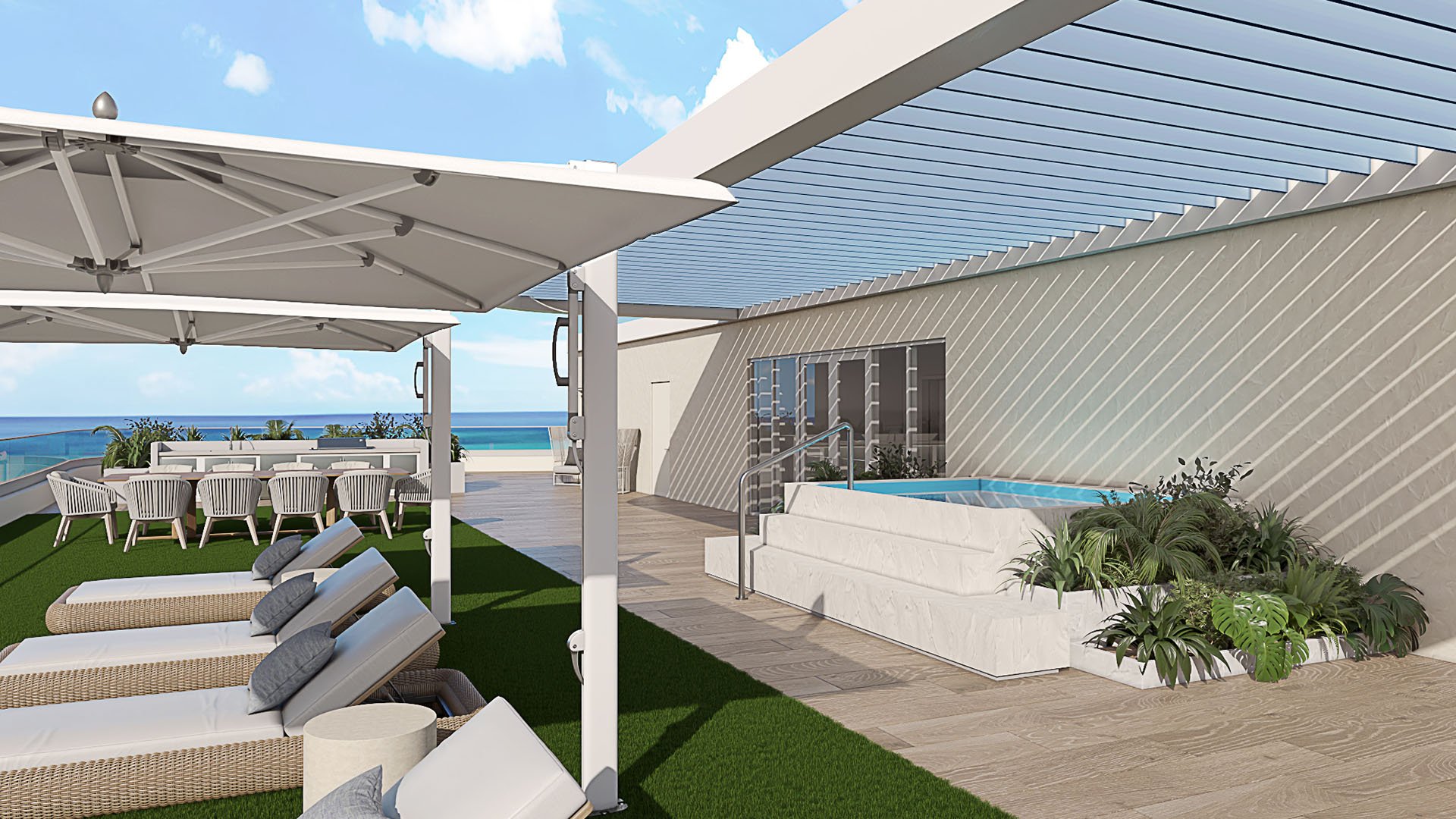
A collection deserves considered lighting. Wine storage should suit the collection it protects. Vehicle charging should fit an owner's routine without unresolved installation questions. At Ocean 580 Pompano Beach, the electrical due diligence behind those ambitions deserves as much attention as the interior design.
Ocean580 Residences is located at 580 Briny Avenue, Pompano Beach, Florida 33062. EV chargers are available for an additional fee, and a dual-zone wine cooler is advertised. Neither detail establishes the electrical capacity available for a buyer's complete specification.
The essential distinction is between an advertised amenity and a verified installation plan. Missing public specifications do not establish insufficient capacity. They identify questions to resolve before committing to equipment, alterations, or a purchase that depends on them.
Publicly disclosed specifications do not establish residence service amperage, parking-space voltage, charging output, charger count, or individual metering. They also do not confirm spare breaker space, charger-ready conduit, dedicated raceways, or preapproved charger locations for assigned parking spaces.
Begin with a document request for the specific residence and parking assignment under consideration. Ask for the unit panel schedule, electrical one-line diagram, feeder and main-breaker ratings, available spare capacity, and current unit and building load calculations. Have a Florida-licensed electrical professional assess these alongside the proposed equipment.
Unit 302 is identified as having an electric range and electric water heater, but those appliance details are not a certified capacity calculation-or a complete electrical specification for another residence. The assessment should address the actual unit, including HVAC, appliances, wine equipment, lighting, AV, and any EV charging served by the relevant electrical system.
For a Broward buyer also considering Armani Casa Residences Pompano Beach, the same document-first approach supports a disciplined comparison. It does not imply equivalent capacity or charging arrangements across the projects.
A gallery-like interior begins with the collection and its intended presentation. Before selecting fixtures, prepare a lighting brief identifying display walls, fixture locations, controls, and any motorized-art requirements. Share that brief with the lighting designer and electrical professional together.
Dedicated art-lighting circuits, track-lighting capacity, dimming protocols, junction-box ratings, and motorized-art provisions are not established in the publicly disclosed project specifications. Treat each as a verification item, not an included feature.
Ask the design team to confirm circuit separation, fixture and junction-box ratings, dimmer compatibility, and wiring access. Request a coordinated equipment schedule rather than a broad assurance that additional lighting is possible. The proposed fixtures and controls should be assessed as a system.
Alteration permissions deserve equal attention. Ask which interventions require approval and whether the intended wiring route or ceiling work is permitted. These are due-diligence recommendations, not statements that Ocean580 imposes a particular restriction. Resolving these questions early allows the lighting concept and approved installation scope to develop together.
The advertised dual-zone wine cooler is a specific amenity, not confirmation of infrastructure for a dedicated wine room. Its circuit and dedicated electrical load are not publicly established. Separate cooling and humidity-control provisions for a custom room are likewise unconfirmed.
First decide whether the advertised cooler meets your needs or whether the design brief calls for a different storage environment. For the cooler, request equipment specifications and circuit information. For a custom room, commission a separate review of the proposed cooling and humidity-control equipment.
That review should address electrical loads, dedicated circuits, heat rejection, drainage, and humidity-control requirements. Ask the appropriate professionals to identify how each requirement would be accommodated and which approvals would be needed. Do not assume an appliance provision extends to a room-sized installation.
The deliverable should be a coordinated scope connecting the wine-storage design to the electrical assessment. It should distinguish what is already provided, what would be added, and what remains subject to approval or further verification.
EV charger availability for an additional fee leaves several ownership questions unanswered. It does not establish installation pricing, recurring charging charges, energy-management fees, or eligibility for a particular assigned space.
Request written confirmation of the proposed charger model, voltage, charging output, installation location, and assigned-space eligibility. Ask whether charging would draw from the residence panel, common-area electrical service, or a managed load-sharing system. The publicly disclosed specifications do not establish which arrangement applies.
Address metering and operating limits in the same review. Ask how energy use would be measured and billed, what load-sharing limits would apply, and what output would be available under those limits. Have the electrical professional assess those answers against the intended installation. Charger availability alone does not establish the charging experience.
For buyers comparing Ocean580 with The Ritz-Carlton Residences® Pompano Beach, these questions provide a consistent evaluation framework. Each property's arrangements require separate confirmation; an amenity description cannot substitute for an assigned-space proposal.
In Pompano Beach, installing or replacing a vehicle-charging station requires a building permit, with building and electrical permit applications submitted by licensed contractors. Condominium or HOA installations also require an association approval letter.
The permit package must include a riser diagram, electrical plan, and load calculations, along with the charger's installation manual, manufacturer specifications, and a survey or site plan showing its location. Zoning and fire-review materials are also required for condominium installations, subject to applicable exclusions.
Ask the installation team to confirm the applicable submission requirements and approval sequence. Treat association approval, electrical feasibility, and permit documentation as distinct parts of the proposed work. None should be presumed resolved simply because chargers are offered.
Before waiving relevant contingencies, request a written assessment connecting the residence's existing loads with the proposed lighting, wine equipment, AV, and charging arrangements. Where charging uses a separate system, have the professional identify that distinction and assess the relevant capacity and operating limits.
Pair the technical review with written installation pricing, recurring fees, association permissions, and any unresolved conditions. The objective is not the largest possible electrical allowance. It is confirmation that the specific residence and parking arrangement can support the intended lifestyle through an approved, understood scope.
For a discreet conversation about aligning your next residence with these requirements, connect with MILLION.
If branded residences are on your mind — as a home or as an allocation — we would be glad to share what we are seeing, privately.
Begin a quiet conversationOcean580 Residences is located at 580 Briny Avenue, Pompano Beach, Florida 33062.
EV chargers are available for an additional fee. Buyers should separately verify assigned-space eligibility, charger specifications, installation costs, and recurring charges.
The publicly disclosed specifications do not establish residence service amperage. Buyers should request unit-specific electrical documents and a professional capacity assessment.
No. Missing public specifications mean capacity remains unverified, not that it is insufficient.
The publicly disclosed specifications do not establish whether charging uses residence panels, common-area service, or managed load sharing. Obtain written confirmation for the proposed installation.
No. The advertised dual-zone wine cooler does not establish separate cooling, humidity control, or other infrastructure for a dedicated wine room.
Confirm circuit separation, fixture and junction-box ratings, dimmer compatibility, wiring access, and alteration permissions. Dedicated art-lighting provisions are not established in the public specifications.
Installing or replacing a vehicle-charging station requires a building permit. Building and electrical permit applications must be submitted by licensed contractors.
Required documentation includes an association approval letter, riser diagram, electrical plan, load calculations, equipment documentation, and a location plan. Zoning and fire-review materials are also required, subject to applicable exclusions.
Request the panel schedule, electrical one-line, feeder and main-breaker ratings, spare capacity, and current load calculations. Have a Florida-licensed electrical professional evaluate them against the complete proposed equipment scope.