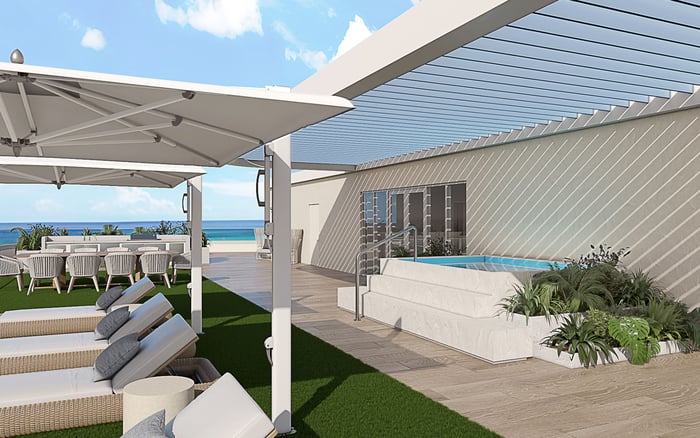
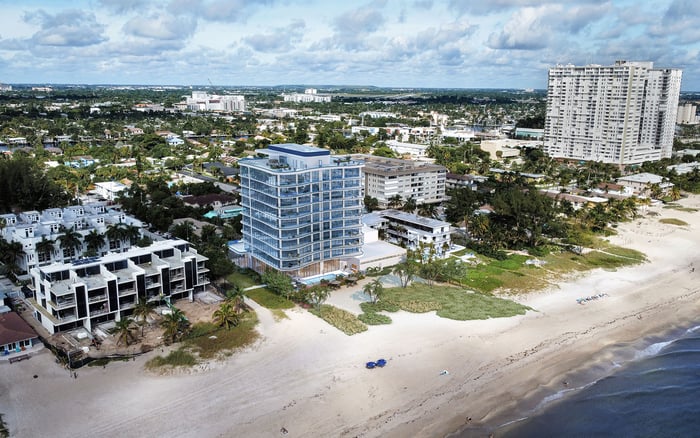
At Ocean 580, wellness-related performance should be evaluated through available building records, specialist inspections, and measurements taken inside the specific residence under consideration.
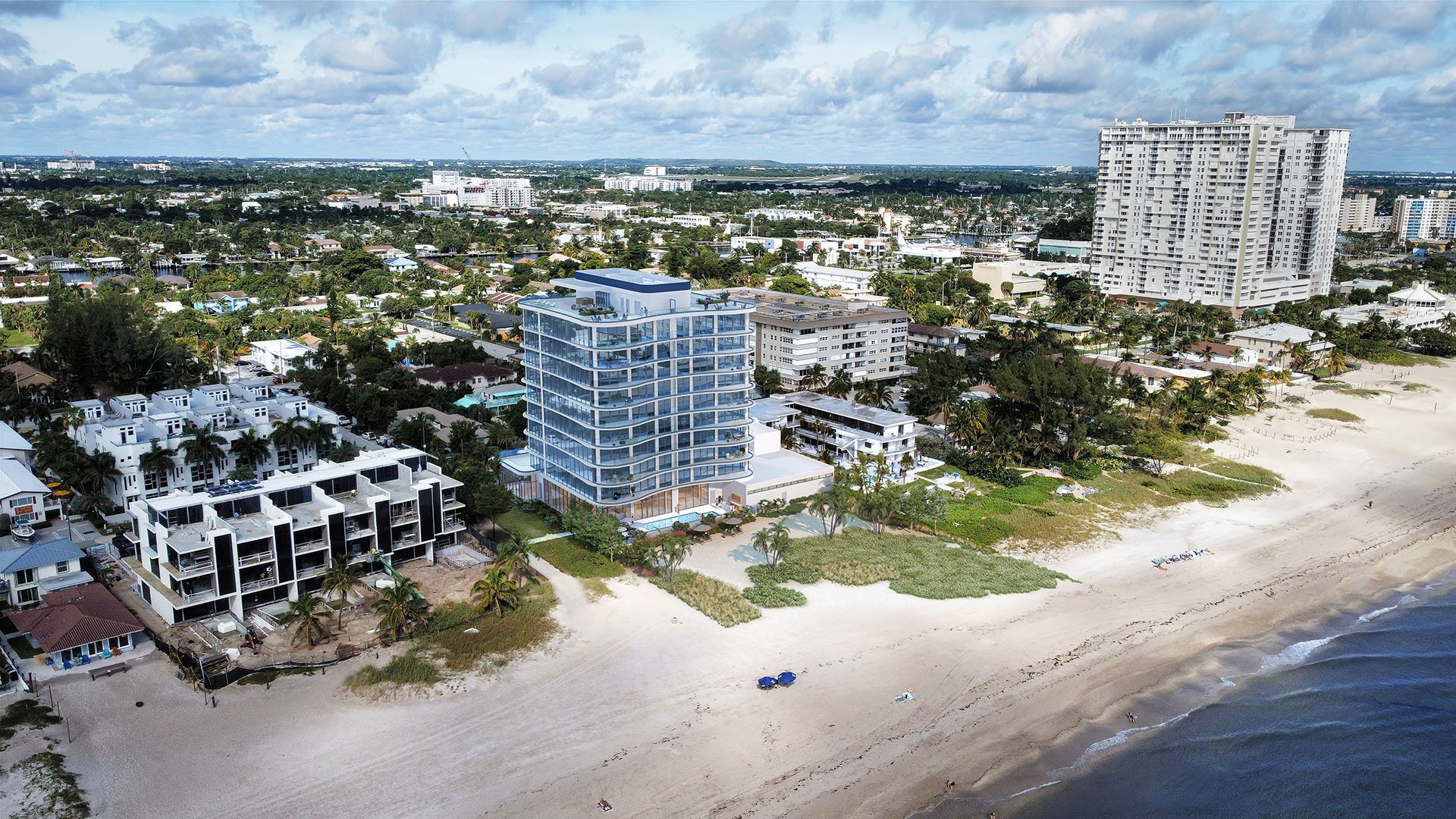
Due diligence at Ocean 580 Pompano Beach should distinguish presentation language from verifiable performance. A buyer can do that by reviewing records, identifying installed components, examining maintenance history, and arranging measurements inside the residence under consideration.
This process is not about assuming that a system is present or absent. It is about establishing what can be documented, what can be physically inspected, and what remains uncertain before contractual deadlines expire.
A useful HVAC review begins with the available mechanical drawings, equipment schedules, cut sheets, filter specifications, control information, and ventilation documentation. These materials should then be compared with the equipment and distribution system serving the target residence.
An independent HVAC specialist can examine the air handler, filters, ductwork, supply and return points, outdoor-air components, condensate drainage, and controls that are accessible within the inspection scope. Available service records may help clarify filter changes, coil cleaning, condensate maintenance, repairs, and prior moisture-related work.
Measurements can add a present-day performance layer. Depending on the buyer's objectives and the specialist's recommended protocol, the assessment may consider temperature, relative humidity, carbon dioxide, particulate matter, and volatile organic compounds under representative conditions. Readings should be interpreted in context rather than treated as a substitute for equipment inspection or document review.
Water diligence should identify whether treatment occurs at the building, residence, or fixture level. Relevant evidence may include plumbing plans, equipment specifications, service invoices, replacement logs, and records for accessible treatment components.
Sampling from the specific residence can help address conditions at the taps a buyer will use. A qualified laboratory or environmental professional should determine the sampling method, locations, handling procedures, and test panel based on the buyer's concerns. A common-area or model-residence result should not automatically be treated as representative of another residence.
The review should also separate water-quality questions from appliance quality. Premium fixtures or appliances do not by themselves establish filtration, softening, disinfection, or other treatment.
Natural light and circadian-oriented electric lighting are related but distinct considerations. A lighting review can examine fixture specifications, dimming capability, control schedules, automation interfaces, shading, and any available commissioning records.
A specialist may also assess illumination at eye level at relevant times of day, along with glare and the effect of window treatments. The buyer's routines matter: a lighting arrangement suited to daytime entertaining may not address early-morning or evening preferences without different controls or supplemental fixtures.
Amenities and shared spaces should be assessed separately from conditions inside the residence. Features elsewhere in a property do not establish the performance of the target home's lighting, air, or water systems.
The diligence plan should align document requests, inspection access, sampling, and specialist review with the purchase agreement and its deadlines. Buyers should work with their legal and technical advisers to define the rights, timing, permissions, restoration responsibilities, and decision points appropriate to the transaction.
The same evidence-based approach can support comparisons with The Ritz-Carlton Residences® Pompano Beach, Armani Casa Residences Pompano Beach, and W Pompano Beach Hotel & Residences. These links provide a local residential comparison set; they do not replace project-specific document review or residence-specific inspection.
A disciplined review connects four layers of evidence: design records, installed conditions, maintenance history, and current measurements. Drawings can indicate intent, inspections can identify visible equipment, logs can document service activity, and testing can provide a time-specific snapshot.
Any gaps should be recorded clearly. The buyer can then decide, with appropriate advisers, whether to seek clarification, request further access, evaluate corrective work, or budget for changes after closing.
What is the central objective of wellness due diligence? The objective is to determine what can be verified about the target residence through documents, inspection, maintenance records, and measurements.
Why are marketing descriptions not enough? Marketing can introduce a feature, but it does not necessarily document installation, maintenance, controls, or present-day performance.
Which HVAC records are useful to request? Available mechanical drawings, equipment schedules, cut sheets, filter specifications, control information, ventilation documents, and service records can support the review.
What should an HVAC specialist inspect? Within the permitted scope, the specialist can examine accessible equipment, filters, ductwork, air-distribution points, drainage, controls, and outdoor-air components.
Can one air-quality reading establish long-term conditions? No. A reading is a time-specific snapshot and should be considered alongside operating conditions, equipment inspection, and available records.
How should a buyer investigate water treatment? The buyer can compare plumbing and equipment records with accessible installed components, service history, and properly collected samples from the residence.
Why should water be sampled inside the target residence? Unit-specific sampling addresses the taps and plumbing pathway relevant to the contemplated purchase rather than assuming another location is representative.
Does strong daylight establish circadian-lighting performance? No. A fuller assessment considers timing, illumination at eye level, glare, shading, fixture capability, controls, and the resident's routine.
Which lighting documents may help? Fixture specifications, electrical plans, dimming information, control schedules, automation details, and available commissioning records may clarify system capability.
How should testing rights be handled in a purchase? Buyers should ask their legal and technical advisers to address access, permissions, timing, sampling, restoration obligations, and review deadlines in the transaction documents.
To compare the best-fit options with clarity, connect with MILLION.
If branded residences are on your mind — as a home or as an allocation — we would be glad to share what we are seeing, privately.
Begin a quiet conversation