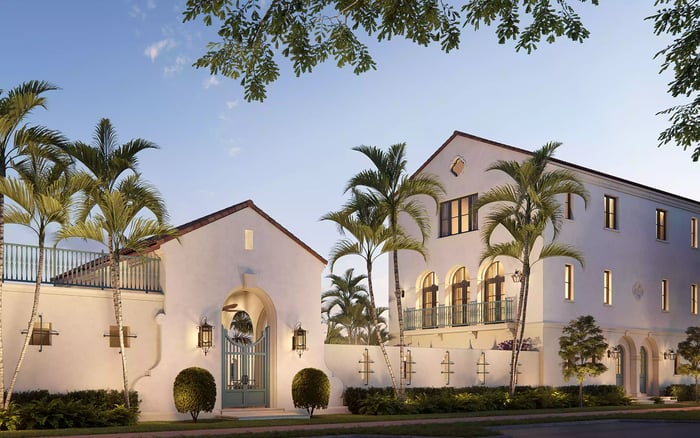
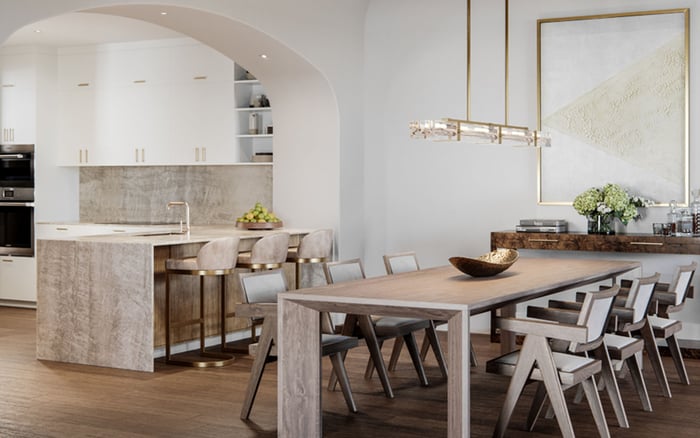
In Coral Gables Estates, private school proximity is shaping fall luxury demand as families prioritize time, privacy, and long-term residential utility.
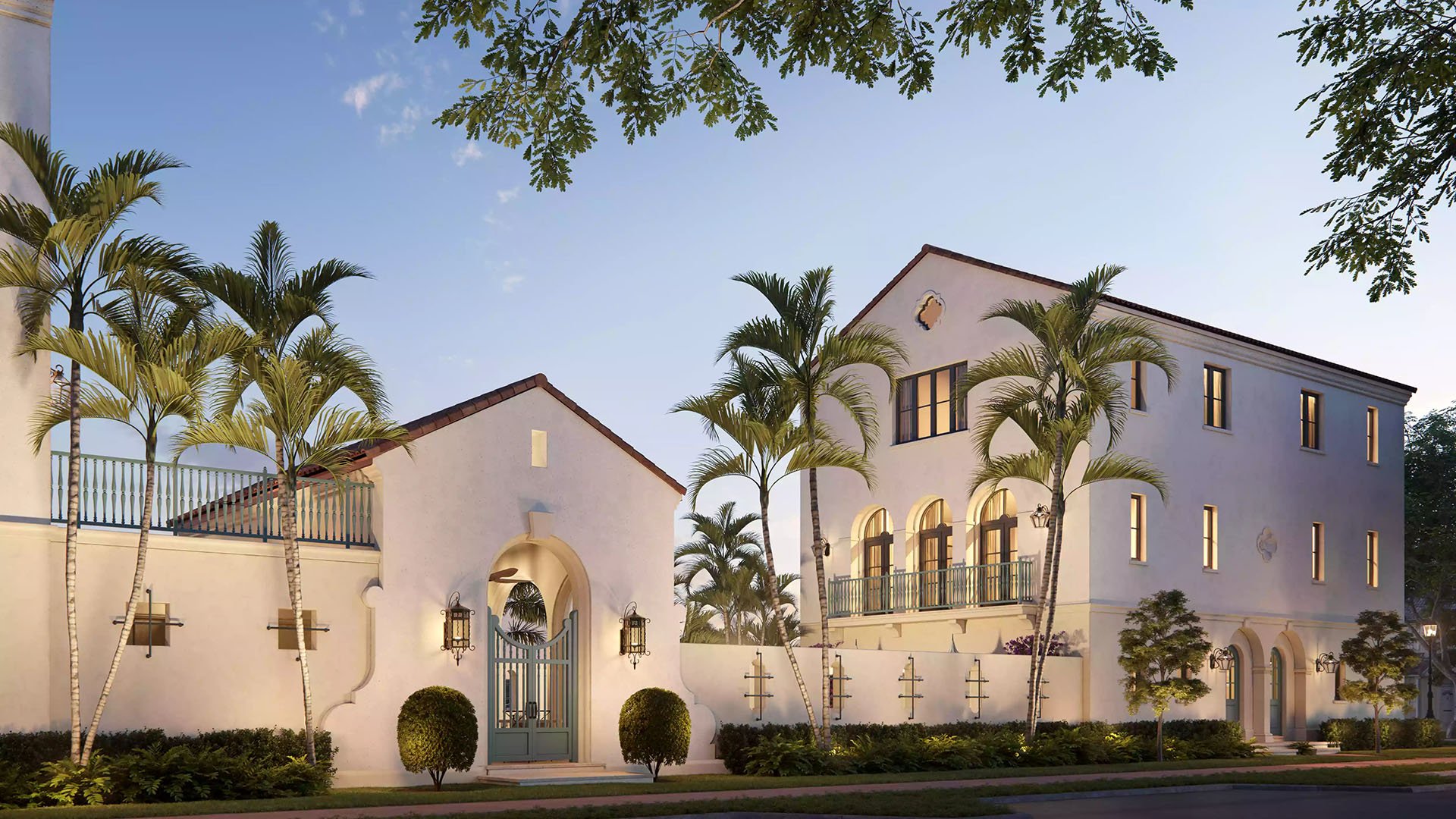
In Coral Gables Estates, the fall buying season is less about spectacle than precision. Families considering the neighborhood are not simply comparing architecture, lot depth, or pool orientation. They are mapping the rhythm of the academic year against the privacy of estate living, asking a quieter but decisive question: how easily can the household move between home, school, after-school commitments, dining, and the airport without compromising calm?
That question has made private school proximity a meaningful filter at the upper end of the Coral Gables conversation. For affluent families, location has always carried status, but this season it is also carrying operational value. A shorter, more predictable school commute can shape the entire structure of the day, from breakfast routines to evening entertaining. In a market where many homes already offer scale, landscaping, and architectural distinction, time becomes the differentiator.
The preference is especially visible among buyers who want the feel of a gated community without disconnecting from daily necessities. Coral Gables Estates appeals because it can offer a protected residential atmosphere while keeping the broader Gables lifestyle within reach. The result is demand that feels practical rather than impulsive: families are buying not just a property, but a weekly pattern that works.
Fall has a particular psychology in family-driven luxury real estate. By this point in the year, school schedules are active, commute realities are no longer theoretical, and families can see where friction appears in their current routine. A drive that felt manageable in summer may feel different once uniforms, sports bags, tutoring, and evening obligations are layered onto the calendar.
That is why estate buyers are increasingly evaluating Coral Gables with a planning mindset. They are looking for homes that can absorb multigenerational visits, staff movement, homework zones, formal entertaining, and quiet retreat. They are also considering whether the surrounding streets support a daily life that feels composed, not improvised.
For high-net-worth buyers, this often places single-family homes at the center of the search. The appeal is not only square footage. It is the ability to control arrival, departure, guest access, outdoor space, and the transitions between family life and social life. When school proximity is added to that equation, the right estate can feel less like a trophy and more like infrastructure for a refined family life.
Coral Gables Estates occupies a distinctive place in the South Florida luxury hierarchy because its appeal is rooted in discretion. The neighborhood’s value proposition is not dependent on skyline drama or resort branding. It is defined by privacy, mature residential character, and the sense that life can unfold behind gates, gardens, and long driveways.
For families, that discretion pairs naturally with school access. A home that allows children to reach campus without a punishing commute can preserve the estate’s sense of calm. Morning departures feel less rushed. Afternoon returns leave room for study, sport, and family dinner. The home is not merely a weekend sanctuary; it becomes the center of the week.
This is where the Coral Gables search differs from many other luxury submarkets. In oceanfront or high-rise districts, the conversation often begins with view corridors, amenities, and brand pedigree. In the Gables estate market, it can begin with routine, privacy, and the invisible luxury of not losing time.
While Coral Gables Estates is primarily associated with estate living, nearby condominium and townhome developments are also benefiting from the same family-oriented thinking. Some buyers want the Gables lifestyle with less maintenance, a newer building format, or a lock-and-leave structure that supports travel. For them, proximity to schools, dining, parks, and cultural anchors still matters, even when the property type changes.
That is why projects such as The Village at Coral Gables can enter the family conversation naturally. The appeal is not a substitute for an estate, but a different interpretation of residential ease: architecture, neighborhood connection, and a Gables address framed for buyers who want polish without the full obligations of a large property.
Similarly, Ponce Park Coral Gables speaks to buyers who appreciate the walkable, civic side of the city. For families weighing education access, the ability to simplify daily movement around the Gables can matter as much as the interiors themselves.
The same logic extends to Cora Merrick Park, where a more urban-adjacent Gables lifestyle can appeal to households that want proximity, design, and convenience in a tighter footprint. In each case, the common thread is not density for its own sake. It is the desire to reduce friction while preserving a refined residential environment.
For families focused on school proximity, the most valuable due diligence is experiential. A map can show distance, but it cannot show how the route feels on a weekday morning, how drop-off timing affects the household, or whether after-school plans create unexpected cross-town movement. Serious buyers should test the commute during real conditions and consider the full day, not just the first drive.
They should also think beyond one academic year. The ideal home should support changing ages, schedules, and independence. A property that works for early school years may need to adapt as children take on athletics, arts, social commitments, and eventually driving. In the estate segment, flexibility is part of value.
Privacy also deserves careful attention. The best family homes manage visibility elegantly, separating service areas, guest arrival, children’s spaces, and formal rooms. In Coral Gables Estates, that separation can be as important as finishes. A beautiful home that functions poorly under daily family pressure will feel less luxurious over time.
Finally, buyers should assess whether the neighborhood supports the family’s broader lifestyle. School access is powerful, but it is strongest when paired with dining, wellness, cultural life, airport access, and a social ecosystem that matches the household. The goal is not simply to be near a campus. It is to create a life that feels coherent from Monday morning through Sunday evening.
The school-proximity premium is not a passing aesthetic preference. It reflects a deeper shift in how affluent families define luxury. The most desirable properties are no longer judged only by what they display. They are judged by what they make easier.
Coral Gables Estates is well positioned for that shift because its appeal has always been residential rather than performative. It offers the type of setting where family life can be private, structured, and elegant. When that setting is paired with access to respected educational options, the result is a demand profile that can remain resilient even as broader market tastes evolve.
This fall, the most informed buyers are not asking whether school proximity matters. They are asking how much daily value it creates, how scarce the right combination of property and access may be, and whether waiting will improve or reduce their options. In Coral Gables, the answer often depends on how specific the family’s requirements are.
Why is private school proximity important in Coral Gables Estates? It can reduce daily friction for families while preserving the privacy and scale that define estate living.
Does school access matter as much as home size? For many family buyers, it can be equally important because it shapes the rhythm and efficiency of daily life.
Are single-family homes still the main focus in Coral Gables Estates? Yes, estate-style homes remain central for buyers seeking privacy, outdoor space, and long-term family flexibility.
Can condominiums in Coral Gables appeal to school-focused buyers? Yes, especially when they offer convenience, newer design, and easier maintenance within the Gables lifestyle.
What should buyers test before choosing a home? They should experience the school commute during real weekday conditions and consider afternoon obligations too.
Is a gated community setting valuable for families? It can be, particularly for households prioritizing privacy, controlled access, and a calmer residential environment.
How should a Coral Gables buyer compare neighborhoods? The comparison should include commute patterns, privacy, property type, lifestyle access, and long-term flexibility.
Does private school demand affect fall timing? Fall can sharpen urgency because families are actively living the school calendar and noticing logistical pressure points.
Is The Village at Coral Gables relevant for estate buyers? It may be relevant for buyers considering a lower-maintenance Gables option while preserving neighborhood connection.
What defines the strongest family property in this market? The strongest homes combine privacy, adaptable space, calm access, and a location that supports daily life.
For a discreet conversation and a curated building-by-building shortlist, connect with MILLION.
If branded residences are on your mind — as a home or as an allocation — we would be glad to share what we are seeing, privately.
Begin a quiet conversation