From Miami Beach to Sunny Isles and beyond, private beach clubs and hotel-affiliated memberships are reshaping what “oceanfront lifestyle” means. For today’s luxury buyer, the differentiator is often not just proximity to sand, but controlled access, service consistency, and the social privacy that comes with a structured membership model. This guide explains the key membership types, highlights notable clubs publicly offering programs, and connects the trend to the rise of branded residences that package beach service as a permanent amenity rather than a day-pass privilege.
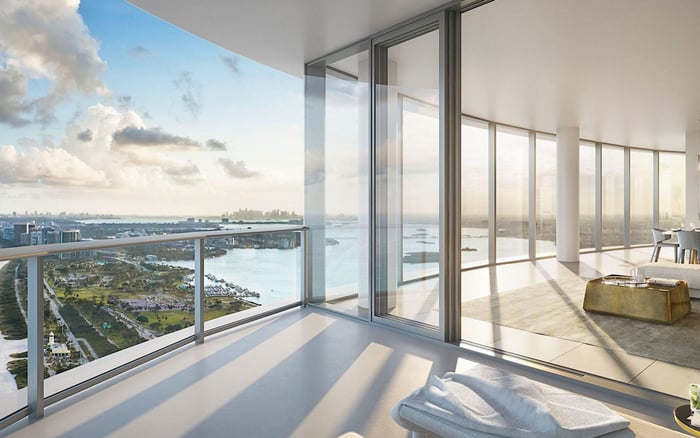
In South Florida luxury real estate, ocean views have become table stakes. What has changed is how the beach itself is experienced: who can enter, how the day is managed, and whether the environment stays consistent from one visit to the next. A growing share of high-net-worth buyers now evaluate “beach time” the way they evaluate a private dining room or members-only lounge. They look for controlled entry, predictable service, clear expectations, and a level of discretion that a public shoreline cannot reliably deliver.
That shift is why private beach clubs and hotel-affiliated memberships have become a meaningful layer in the purchase decision. It is rarely just about securing a reserved chair. It is about how life actually works at 10:30 a.m. on a Saturday: whether staff recognize your preferences, whether guest access is smooth but regulated, and whether the tone of the space remains composed throughout peak season.
In practice, this conversation most often shows up in Miami Beach and Sunny Isles Beach, where luxury buyers already expect high-touch operations. Increasingly, it also extends north and south as more beachfront product leans into service, programming, and access control. The same concept now appears inside branded residences, where the “club” is not a separate add-on but part of the ownership narrative. For many buyers, that is the real evolution: the beach is no longer simply nearby. It is managed, curated, and intentionally structured.
Many buyers hear “beach club membership” and assume it implies unlimited, effortless access at all times. In reality, South Florida memberships typically fall into a few distinct categories, and the differences are not cosmetic. They determine the daily experience: where you sit, what you can reserve, how food and beverage works, what your guests can do, and how the rules are enforced.
First, there are hotel-affiliated clubs. These formalize access to a property’s beach and pool experience, usually supported by hospitality-grade service, food and beverage operations, and a staff culture that is designed to handle volume without losing polish. These programs can feel like private clubs, but the operating framework is still rooted in hospitality.
Second, there are traditional private clubs, where beach access is only one element of a broader social and lifestyle offering. Dining, events, tennis, and other amenities may be central to the club’s identity, with the beach as an additional layer.
Third, there are residential or community-linked models, where the “club” experience is effectively reserved for owners and their guests. In these cases, beach access functions as an embedded benefit rather than a separate product. That distinction matters because it changes how durable the experience is and how it may transfer with ownership.
Before comparing options, sophisticated buyers tend to clarify three essentials: what the membership actually grants (beach, pool, dining, social access), how guests are handled in practice, and whether there are published rules governing conduct and use. Rules may sound unromantic, but they are often what preserves the atmosphere a buyer is paying for.
Some of the most legible membership-adjacent beachfront experiences in Miami Beach come from properties that have built dedicated club concepts around their beach and pool operations. For a buyer, the appeal is straightforward: the day runs on a coherent system, not improvisation. Arrival, seating, service, dining, and transitions between spaces follow a recognizable cadence.
Soho Beach House Miami is a members’ club and hotel on Miami Beach at 4385 Collins Ave. It is positioned around a members-driven environment with beach and pool access, alongside on-site dining and spa offerings. For buyers and second-home owners, the draw is the integrated nature of the experience. You can move from beach to lunch to treatment without changing the tone, the service expectations, or the sense of privacy.
The Miami Beach EDITION operates a dedicated Beach Club as part of its beach-and-pools experience at 2901 Collins Ave, Miami Beach. Notably, the EDITION also publishes Beach Club rules and regulations. That detail signals operational clarity. Expectations for conduct, use, and the overall rhythm of the space are defined, not left to ad hoc enforcement. For buyers who value predictability, that kind of formal structure can matter as much as design.
Elsewhere in the hospitality ecosystem, Baia Beach Club at Mondrian South Beach offers a formal membership program and provides an online membership application portal. The ability to apply through an established process reinforces that this is a structured product rather than a casual add-on.
Similarly, 1 Hotel South Beach offers a dedicated “1 Club” concept with member-focused programming tied to the hotel, and it provides a request form for prospective members. In a market where many experiences are transactional, an explicit inquiry pathway signals an effort to curate.
For buyers comparing these models, the key question is not which pool deck photographs best. The more useful lens is alignment with your use pattern: weekday calm, weekend energy, or a program that can shift modes while maintaining standards.
South Florida also includes private clubs with long-standing reputations that operate beyond a hotel framework. These are often less about novelty and more about continuity. In a region where many luxury experiences can be seasonal, legacy clubs tend to emphasize member culture, consistency, and a sense of place.
The Bath Club in Miami Beach remains a reference point in the local conversation about private membership culture. It is frequently discussed alongside the broader members-only club movement, and its modern era has been publicly covered in reporting about ownership and relaunch dynamics. For certain buyers, the appeal is not trend or exclusivity theater. It is continuity, familiarity, and the idea that the club is part of Miami Beach’s social fabric.
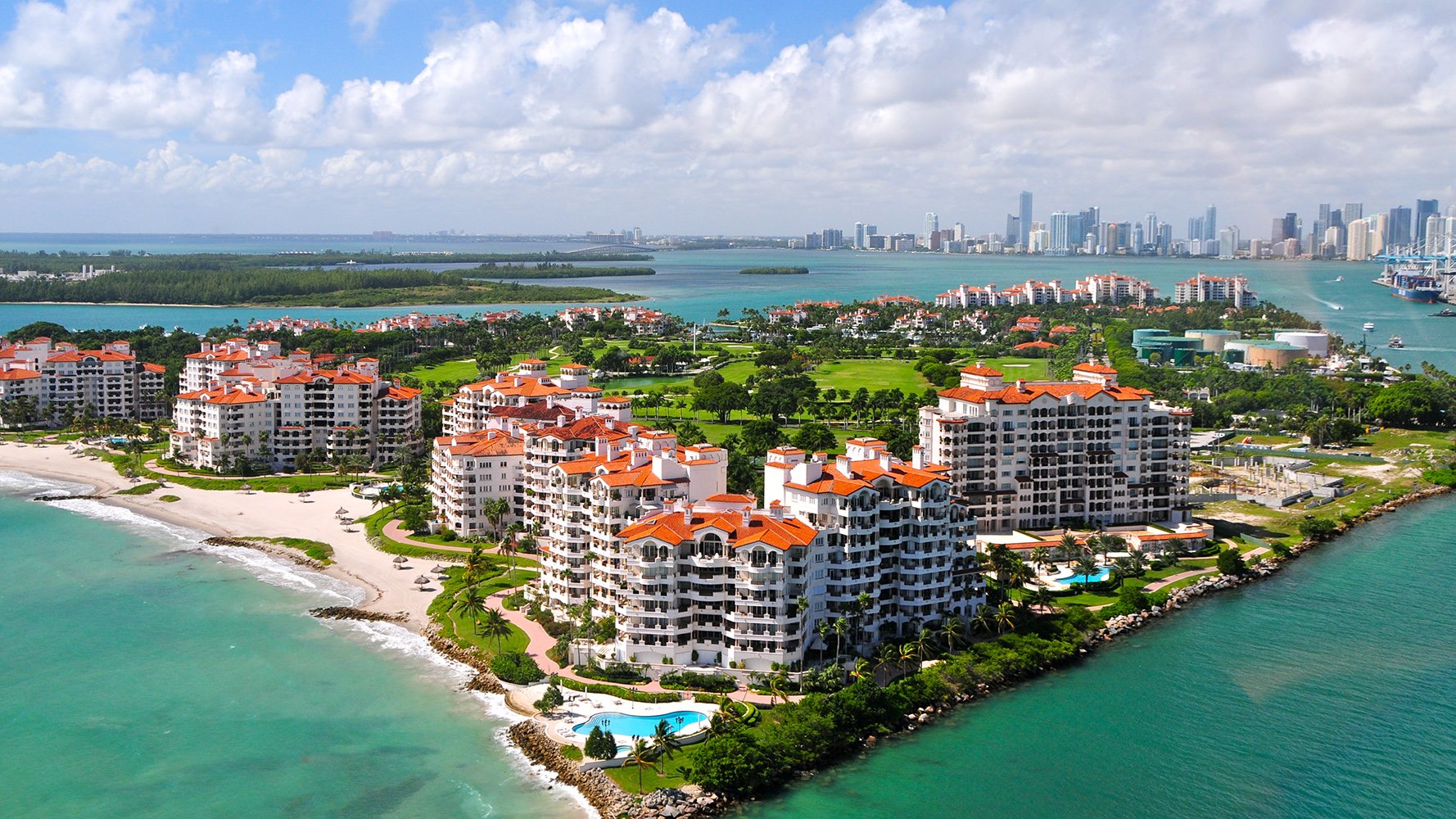
On Fisher Island, the Fisher Island Club positions itself as an exclusive private-club community and maintains a dedicated membership page for inquiries and criteria. It also publishes a history page that speaks to the island and club legacy. Practically, this is a different proposition than a hotel club. It is a community identity with a club at its center, which changes how buyers think about access, privacy, and daily routines.
Further north, the Hillsboro Club is a private club on Hillsboro Mile and publishes membership context through official channels. A controller document exists that provides insight into fee and dues structure context, serving as a reminder that private clubs can be financially and operationally complex. Grand Bay Club in Key Biscayne operates as a private beach and tennis-style club and also publishes membership information, reinforcing that the Key Biscayne lifestyle can be club-driven rather than purely residential.
If your buying thesis prioritizes privacy and predictability over trend, these legacy-oriented clubs can matter because they are built around member continuity, not seasonal reinvention.
For years, the private beach club conversation felt concentrated in Miami Beach. That is no longer the full picture. As buyers look for varying levels of energy, discretion, and density, more of the coastline is being evaluated through the same lens: can you secure consistent beachfront service and controlled access without having to be “in the middle of everything”?
In Sunny Isles Beach, Trump International Beach Resort promotes a Beach Club Membership program with tier options and seasonal or annual access positioning. For a real estate buyer, the takeaway is not the branding. It is the fact that the neighborhood’s lifestyle ecosystem includes formalized pathways to beach operations, even if you are not staying at the hotel.
Northward, Pompano Beach is increasingly part of the luxury buyer’s map, particularly as branded residential product expands. Waldorf Astoria Residences Pompano Beach reflects this shift: branded residences that market amenity offerings as a lifestyle, often framed around curated coastal services. Even when specifics vary by property, the underlying promise is consistent: a controlled, service-forward relationship with the waterfront.
For buyers who want oceanfront living without the intensity often associated with Miami Beach, this widening coastline provides more optionality. The experience can be delivered through hospitality programs, residential frameworks, or a blend of both, depending on the address.
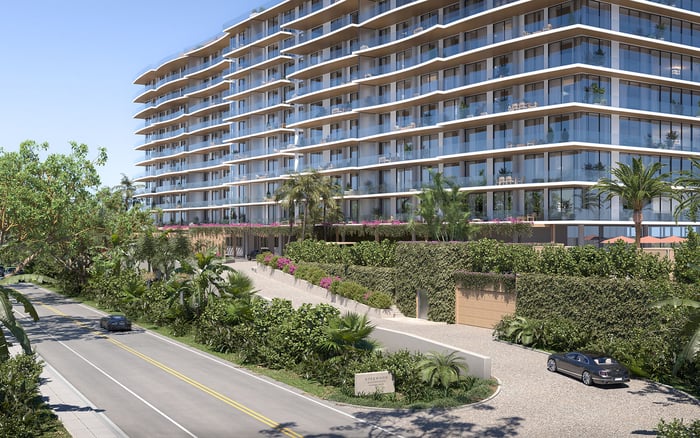
Branded residences are one of the clearest signals that private beach access has become a core value driver, not a bonus. They take what used to be a membership decision and translate it into an ownership narrative: a lifestyle with standards, staffing, and consistency that are positioned as part of the residence itself.
In Sunny Isles, St. Regis® Residences Sunny Isles is marketed with a private beach club lifestyle as part of the residences and amenities positioning. For a buyer, the strategic distinction is permanence. A membership can be discontinued, revised, or repriced. A well-conceived residential amenity stack is designed to be durable and, in many cases, transferrable with the unit.
In Miami Beach, Shore Club Private Collections Miami Beach presents a luxury private collection concept aligned with residents-only beachfront amenities. The language matters because “private collection” functions as an editorial shorthand for separation: fewer keys, more control, and a stronger ability to preserve atmosphere.
The Faena ecosystem illustrates another variation. Faena Rose is presented as a membership community or club concept connected to Faena’s hospitality universe, while Faena House Miami Beach sits within the Miami Beach luxury narrative where buyers expect artful design paired with a high-touch service culture.
Finally, Casa Cipriani Miami Beach captures a different aspiration: club sensibility rooted in dining and social discretion, translated into residential life. For certain buyers, the “club” is less about cabanas and more about belonging to a place with recognizable standards.
This is also the context in which projects like Aman Miami Beach are publicly presented and widely discussed: privacy-centric hospitality concepts that influence what ultra-luxury buyers come to expect from beachfront living.
Not every membership is fundamentally about the ocean, even when the beach is part of the image. In South Florida, membership culture often functions as social infrastructure: it creates a predictable environment for dining, hosting, and spending time without negotiating the friction that can come with public venues and peak-season demand.
Casa Tua offers a structured membership program with tiers and benefits described publicly, and it provides a dedicated membership application pathway. This reflects a broader shift in luxury behavior: buyers increasingly want a social life that is curated rather than improvised, with access governed by a program rather than pure reservation competition.
In Palm Beach County, Frenchman’s Creek Beach & Country Club describes its membership model via an official membership page, representing the residential country-club approach that can include a separate beach component. For buyers relocating or splitting time between markets, it is a useful reminder that the club lifestyle can be residential in its DNA, with beach access integrated into a wider set of privileges.
The through-line is access control. Whether the anchor is dining, tennis, or a beachfront deck, membership creates consistency. It defines who the room is for, how it is used, and what standards are enforced. For many luxury buyers, that predictability is not a minor detail. It is a form of luxury in itself.
A membership or club-adjacent amenity can feel intangible until you translate it into operational questions. These are the points sophisticated buyers tend to scrutinize because they reveal whether a program will enhance daily life or become a source of friction.
First, define what you are buying. Is it beach and pool access, dining access, or full club privileges? Properties and clubs often use similar language, but benefits can be materially different in practice.
Second, evaluate governance. If rules and regulations are published, read them. A document outlining expectations for conduct and use can protect the experience you are paying for. It also signals that management takes consistency seriously.
Third, test the guest logic. If you entertain frequently, the difference between “guests allowed” and “guests integrated seamlessly” is the difference between ease and disruption. Ask how guest entry works, what limitations exist, and how exceptions are handled.
Fourth, assess performance in peak season. The most valuable club environments are those that stay composed when the city is at full volume. Quiet luxury is often most apparent when demand is highest.
Fifth, connect lifestyle to real estate. If you are weighing a membership against a branded residence that includes a private beach club lifestyle, compare permanence, transferability, and the likelihood that service standards remain consistent over time.
In a market as competitive as South Florida’s top coastal addresses, the buyer who understands these operational details often ends up with the more satisfying daily experience.
Are private beach clubs the same as owning an oceanfront condo? Not necessarily. Oceanfront ownership delivers proximity, but a private club or structured program can determine the quality, consistency, and predictability of beach service and access.
Do hotel beach clubs typically have formal rules? Some do. For example, the Miami Beach EDITION publishes Beach Club rules and regulations, which helps set expectations for members and guests.
Can non-hotel guests access beach club memberships? In some cases, yes. Certain properties promote membership programs designed for locals or seasonal residents, such as the Beach Club Membership at Trump International Beach Resort in Sunny Isles Beach.
Is a branded residence “better” than a membership? It depends. Branded residences can package beach-club lifestyle as a permanent amenity of ownership, while memberships can offer flexibility but may change over time.
What should I prioritize if privacy is my main goal? Look for controlled access, clear guest policies, and an operating model that prioritizes member experience over volume.
For private guidance on matching your lifestyle priorities to South Florida’s most discreet beachfront addresses, connect with MILLION Luxury.
If branded residences are on your mind — as a home or as an allocation — we would be glad to share what we are seeing, privately.
Begin a quiet conversation