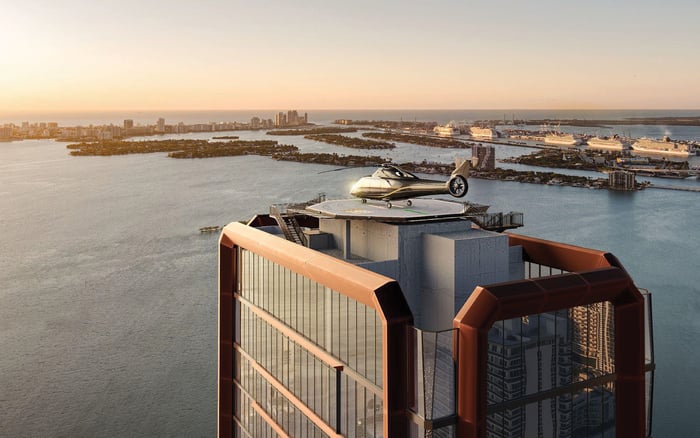
South Florida continues to attract international capital to its ultra-luxury condo pipeline thanks to tax advantages, world-class amenities, and global connectivity. For overseas buyers, purchasing during pre-construction can lock in early pricing, preferred lines, and customization while a seasoned local team manages risk and process. This guide distills how deposits and escrow work, what to look for in a developer and branded partners, how foreign national financing and FIRPTA apply, and the lifestyle and exit considerations that keep prime addresses in Miami, Miami Beach, and Sunny Isles Beach in enduring demand.
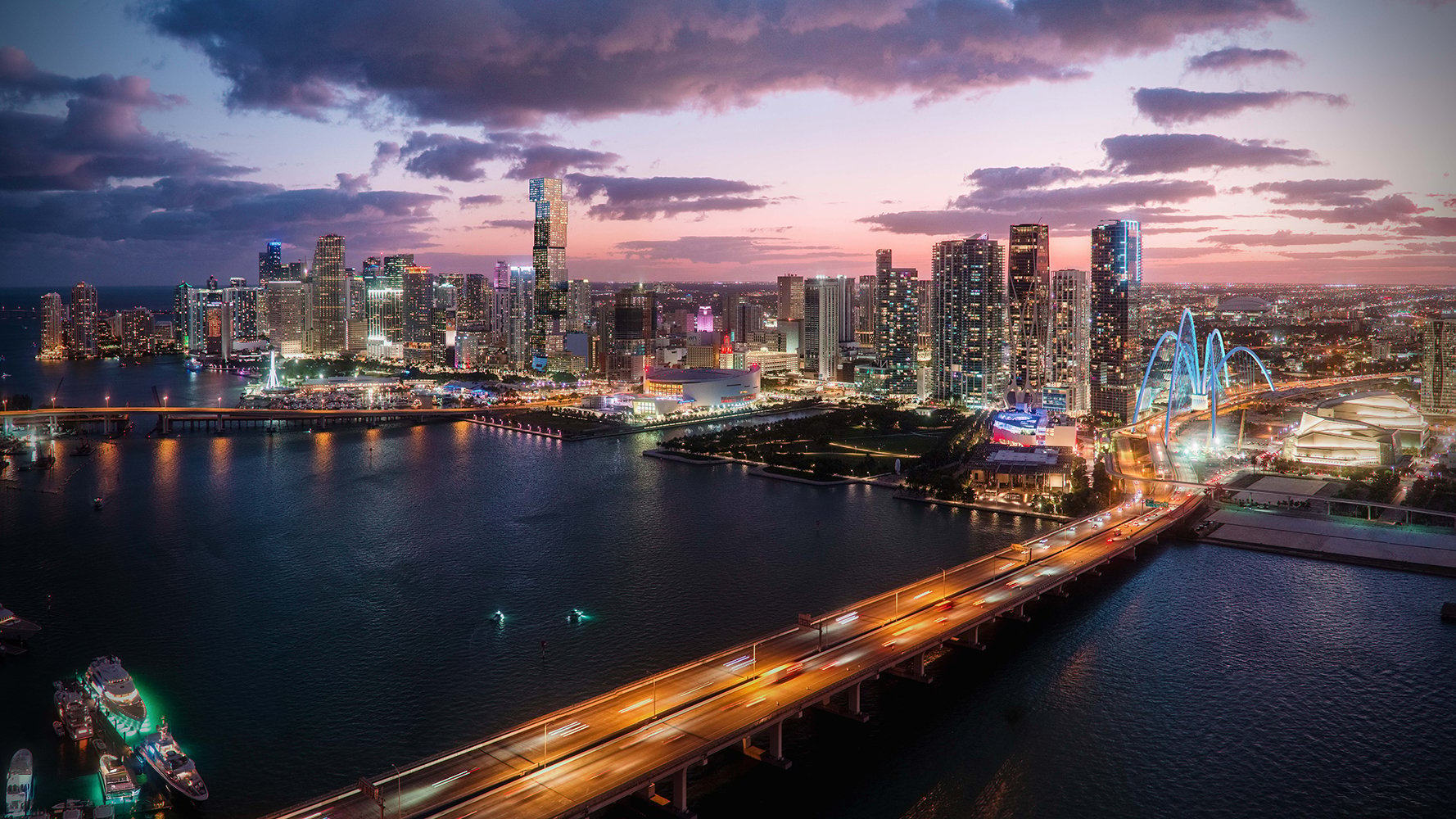
South Florida has matured into a blue-chip residential market where global buyers prize lifestyle, stability, and value relative to peer world cities. Miami and its coastal enclaves offer no state income tax, investor-friendly property laws, year-round sun, award-winning restaurants, and a multilingual professional ecosystem that understands cross-border needs. International demand is reinforced by direct air connectivity to Europe, the Middle East, and Latin America, which makes seasonal use and business travel straightforward.
For many affluent overseas families, the appeal is twofold. First, a new tower delivers technology, wellness infrastructure, parking solutions, and privacy standards that legacy buildings rarely match. Second, Miami’s price per square foot can compare favorably with London or Hong Kong for similar caliber amenities and views. The result is sustained demand at the top end of the market, especially along the ocean and bayfront in Miami Beach and Sunny Isles Beach, as well as in urban districts like Brickell and the city of Miami. Against that backdrop, securing a pre-construction residence in South Florida can be a strategic way to claim a prime line, view corridor, and finish palette before inventory tightens at completion.
Buying during pre-construction means contracting before a building is finished, often based on plans, renderings, and a model residence. The advantages are clear. Early purchasers commonly obtain preferred pricing or incentives, access to the most coveted lines on lower-supply floors, and the option to personalize finish packages. During construction, well-located product may appreciate by delivery, allowing buyers to capture an equity lift by the time they close.
The trade-offs require professional guidance and patience. You are committing to a detailed contract rather than a finished space you can walk through. Delivery typically follows an 18 to 24 month construction timeline once shovels are in the ground, and milestone deposits are due along the way. Buyers should review the completion schedule, any outside date, and remedies for delays. Reputable developers publish robust specifications and maintain transparent communication with purchasers. Before closing, buyers conduct a detailed walkthrough to confirm finishes, appliances, and systems align with the contract so any punch-list items can be addressed.
A typical Miami structure might require an initial reservation deposit, an additional tranche at contract to reach roughly 20 to 30 percent, then several milestone payments during site work and structural top-off that bring total pre-closing deposits near 40 to 50 percent. Exact percentages vary by project, but the pattern of staged funding is consistent. Florida law also requires a portion of purchaser funds to remain in protected escrow, which adds confidence for international buyers evaluating projects from abroad.
Your first decision is the project, not merely the unit. Start with the developer’s track record for on-time delivery, quality of construction, and post-completion service. Review portfolios, visit a finished building by the same team, and ask for references where appropriate. In South Florida’s top tier, design pedigrees are a differentiator. Many flagships enlist global architecture studios and interior designers whose names carry weight with international audiences. The Perigon Miami Beach, for example, showcases a starchitect-led design vision and is emblematic of how Miami Beach has become a showcase for world-class teams and refined amenities.
Branding can be more than a name on the door. Automotive marques, couture houses, and luxury hospitality operators typically enforce design standards, back-of-house service protocols, and asset management practices that preserve long-term desirability. This helps with global recognition at resale, particularly for buyers who know the brands better than individual street names. Do not rely on the badge alone, however. Study the floor plate, elevator count, parking solution, ceiling heights, outdoor space, and the percentage of direct water-facing residences. Confirm that promised features are specified in the contract.
For buyers who value privacy with resort-level services, certain towers innovate in extraordinary ways. Bentley Residences in Sunny Isles Beach will feature a patented automobile elevator that delivers cars directly to private sky garages beside the residence, along with expansive terraces designed for outdoor living. If this type of discretion and convenience is central to your lifestyle, build it into your selection criteria. You can explore details via the official project page for Bentley Residences.
A seasoned local real estate advisor is your first call. In Florida, buyer representation is customarily paid by the seller or developer, so you benefit from expert market knowledge at no direct cost. An agent well-versed in pre-construction will map your priorities, compare floor plans across competing towers, secure preferred lines, and coordinate reservations, deposits, and updates while you are abroad.
Retain a Florida real estate attorney experienced with developer contracts. Pre-construction agreements are comprehensive documents, and you will want a clear explanation of obligations, outside dates, construction delay provisions, and any limits on assignment. Florida purchasers typically receive a 15 day rescission period after signing to review the condominium disclosure package. Use that window to examine the declaration, bylaws, budget, rules, and any rental restrictions. After the rescission period, obligations become binding.
Cross-border tax planning is equally important. Many international buyers choose to hold title through a U.S. limited liability company for liability and estate planning reasons, but the optimal structure varies by jurisdiction and family needs. Foreign sellers are subject to FIRPTA withholding at resale, currently 15 percent of the gross sale price, which functions as a prepayment toward potential U.S. taxes owed. Advance planning can reduce friction at exit, and obtaining an ITIN early will streamline filings. Expect to budget for annual property taxes of roughly 2 percent of assessed value in most counties, without a separate surcharge simply because you are a foreign national.
On the numbers, reserve adequate liquidity for staged deposits and closing costs. For new development, plan on approximately 1.5 to 2.5 percent of purchase price to cover closing expenses such as title insurance, association reserves and documentation stamps typically collected by developers, recording charges, and professional fees. If you intend to finance, note that foreign national loans often require larger down payments than domestic loans and may carry modestly higher rates or shorter terms. Lenders will seek bank statements, income verification, and international credit references. Most will fund at completion rather than during construction, so deposits must be cash. Maintain a clean paper trail for source of funds and anti money laundering compliance.
Florida welcomes international property ownership. You may purchase in your personal name or through an entity, and there is no citizenship requirement for standard residential condominiums. Recent state legislation has introduced targeted restrictions for certain nationalities and specific property types, particularly land near sensitive infrastructure. If you are a citizen of a restricted country, obtain specialized legal guidance to confirm eligibility. Otherwise, most international buyers encounter a straightforward process under established condominium statutes.
Before you sign, read for lifestyle implications that are easy to overlook. Rental rules vary widely. Many luxury towers in Miami Beach and Sunny Isles Beach favor longer minimum terms such as six months or one year, while some newer projects are explicitly investment-friendly and allow flexible leasing. Decide whether you expect seasonal use, full time residence, or rental income, then select a building that aligns with that plan. Also ask about assignment language if you anticipate a need to transfer your contract prior to closing.
Operationally, examine the budget, reserves, and services that drive monthly HOA fees. In full service towers, fees can exceed one dollar per square foot per month, commensurate with staffing, security, valet, and wellness facilities. Verify what the fee includes, such as building insurance, utilities, and connectivity. For the unit itself, secure interior insurance tailored to the exposure and finish inventory. Coastal location demands attention to wind and water coverage. Insurance costs have risen in recent years, so request an estimate during due diligence.
If you will be abroad for long stretches, plan for property care. Many owners engage an estate manager or rely on the building concierge to check the residence, manage climate control, and coordinate repairs. For those who plan to rent, professional management is essential to meet service expectations at the top end of the market. Confirm early that the condo’s rules allow the leasing program you envision.
Choose neighborhoods with intent. Ocean and bay views in Miami Beach carry enduring global appeal. Sunny Isles Beach combines resort living, sand front exposure, and a cluster of branded addresses that resonate with international audiences. Brickell and the urban core of Miami deliver a city lifestyle with walkability to offices, dining, and culture. Each area supports a distinct use case, whether you prefer beach mornings and yacht access or a cosmopolitan routine with private clubs and galleries.
Finally, think through exit before you enter. If you expect to hold five to ten years, prioritize unique attributes that will matter to the next buyer such as unobstructed water views, generous terraces, ceiling height, valet and parking systems, and brand recognition. Understand FIRPTA procedures so that withholding does not surprise you at closing. With planning, you can synchronize filings and coordinate proceeds efficiently. For privacy minded buyers, holding through an entity can also simplify future transfers, subject to your tax counsel’s advice.
A measured, well supported approach transforms the distance factor into an advantage. With the right team and project, your South Florida purchase becomes a seamless investment in both lifestyle and capital preservation. To explore curated opportunities with discreet guidance tailored to international buyers, visit MILLION Luxury.
What is the typical deposit schedule for a Miami pre-construction condo
Developers commonly collect an initial reservation deposit, additional funds at contract to reach roughly 20 to 30 percent, and further milestones during construction that total near 40 to 50 percent before closing. The final balance is due when the building delivers.
Can a foreign national obtain a U.S. mortgage for a new condo
Yes. Many lenders offer foreign national programs, typically with larger down payments and slightly higher rates than domestic loans. Funding occurs at completion rather than during construction, so deposits are paid in cash. Expect to provide bank statements, income letters, and credit references.
How does the 15 day rescission work in Florida
After signing a developer contract, buyers generally receive 15 days to review the condominium documents. During that period, you may cancel for any reason and receive a deposit refund. After the rescission ends, the agreement becomes binding subject to its terms.
Which areas best suit different buyer profiles
Miami Beach is ideal for beachfront living and international cachet. Sunny Isles Beach blends resort amenities with branded towers and direct sand access. Brickell suits buyers who want a city lifestyle with dining, offices, and culture within minutes.
Why do branded residences matter at resale
A strong brand can provide global recognition, consistent design standards, and service protocols that international buyers trust. This often broadens the resale audience and supports value preservation. Notable examples include Bentley Residences and The Perigon Miami Beach.
If branded residences are on your mind — as a home or as an allocation — we would be glad to share what we are seeing, privately.
Begin a quiet conversation