Pompano Beach offers several waterfront settings, while Hillsboro Beach places coastal proximity at the center of the purchase. For discerning buyers, the meaningful comparison comes down to parcel exposure, property type, policy terms and a documented storm plan.

For a waterfront buyer, the distinction between Pompano Beach and Hillsboro Beach begins with how a residence meets the water. A canal-front home, an Intracoastal estate and an oceanfront condominium are not interchangeable exposures, however comparable their finishes or asking prices. A meaningful comparison weighs setting, elevation, building characteristics and ownership responsibilities.
Pompano Beach offers canal-front, Intracoastal and oceanfront properties. Hillsboro Beach combines waterfront estates and oceanfront condominiums within a narrow barrier-island setting. Neither municipality is universally safer or less expensive to insure. For buyers who prioritize resilience alongside lifestyle, the strongest choice is a property whose exposure, coverage and storm responsibilities are clear before commitment.
The address establishes the lifestyle; the property documents inform the diligence. Begin with the desired relationship to the water, then test whether the residence supports an acceptable ownership plan.
Pompano Beach gives buyers several forms of waterfront living within one market. Canal frontage, Intracoastal frontage and Atlantic frontage offer different relationships to the water. A shortlist should identify each property's actual setting rather than label every residence simply as waterfront.
Some portions west of the Intracoastal fall within lower-risk mapped flood areas. That does not establish an individual address's classification, nor does it apply to every property on that side of the water. Canal-front and other waterfront locations can fall within higher-risk zones, making parcel verification essential.
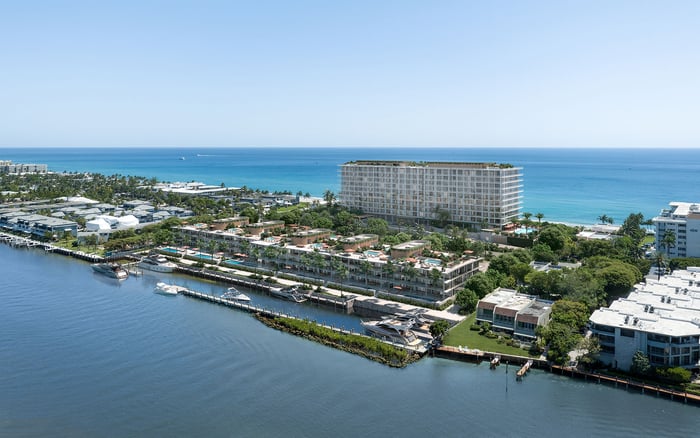
For a buyer considering Ocean 580 Pompano Beach alongside other residences, the next step is a consistent document request: the applicable flood-zone designation, available elevation documentation and relevant insurance information. A project name is a starting point for a shortlist, not a substitute for an exposure assessment.
Hillsboro Beach's narrow barrier-island geography makes coastal proximity central to the decision. Within that setting, the distinction between an estate and a condominium matters as much as the municipality itself. Buyers should establish which physical assets and insurance decisions they would manage directly and which would require association review.
Some Hillsboro Mile estates combine Atlantic frontage to the east with Intracoastal frontage to the west. Beach access and dockage make a compelling pairing, but they also call for evaluating both edges of the property. The boating side warrants attention for surge and king-tide implications, not just vessel convenience.
A shortlist that includes Rosewood Residences Hillsboro Beach calls for the same discipline: request property-specific documentation rather than extrapolating from neighboring estates or the broader coastal setting. Coastal proximity explains why diligence matters; it does not, by itself, establish a flood designation or premium.
Three flood-zone categories provide a useful vocabulary, but none should be assigned from a photograph, a water view or a neighborhood description.
Zone X generally indicates lower mapped flood risk. Lenders typically do not require flood coverage there, but lower mapped risk is not the same as no risk.
Zone AE indicates higher flood risk and occurs in canal-front and other waterfront areas. Flood insurance is typically required for federally backed mortgages on properties in these Special Flood Hazard Areas.
Zone VE identifies coastal high-hazard areas subject to wave action and stricter construction requirements. It is particularly relevant to oceanfront diligence, but does not describe every oceanfront parcel.
Confirm the property's designation through official flood mapping and request an elevation certificate. These are complementary diligence steps, not interchangeable assurances. Do not assume every canal property is AE, every oceanfront property is VE or every location west of the Intracoastal is X. The classification belongs to the property, not the lifestyle category.
Most homeowners policies do not cover flood damage. Windstorm coverage is not flood protection either. Buyers need to evaluate flooding separately from the rest of their insurance package.
Compare homeowners, windstorm and flood coverage for each property, including the scope and deductibles of each policy. Elevation, flood zone and structure matter when assessing costs. A generic annual allowance should not determine the choice between municipalities, and a figure associated with one home should not be applied to another parcel or a condominium.
Timing deserves early attention. New flood policies typically carry a 30-day waiting period, though this is not universal. Confirm the effective date and any applicable exceptions with the insurance professional handling the purchase. Establish when protection begins rather than leave that question to the final days before closing.
A waterfront condominium's monthly association fee is not an insurance summary. An association may carry building-level flood insurance, but buyers must establish whether that policy exists, what it covers and what separate protection the unit requires.
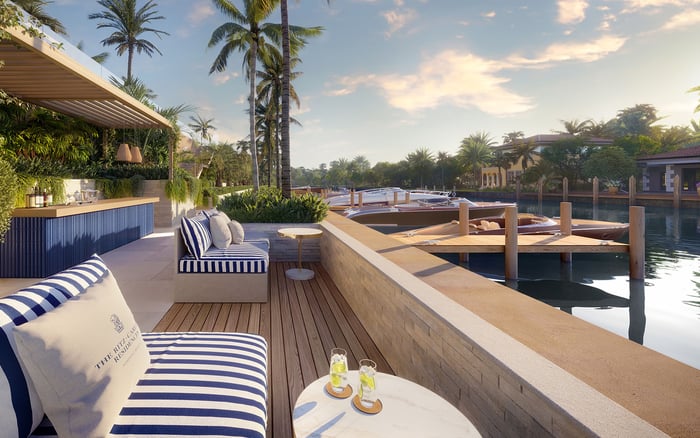
When evaluating The Ritz-Carlton Residences® Pompano Beach, request the applicable insurance documents rather than infer coverage from branding or the residence's presentation. Apply the same standard to every condominium under consideration.
Review the scope and deductibles of association flood and wind policies. Then ask an insurance professional to explain how association protection relates to proposed unit coverage. The question is not simply whether the building is insured, but which exposures remain for the buyer to address. Here, the estate-versus-condominium comparison becomes concrete: the documents should make responsibility explicit.
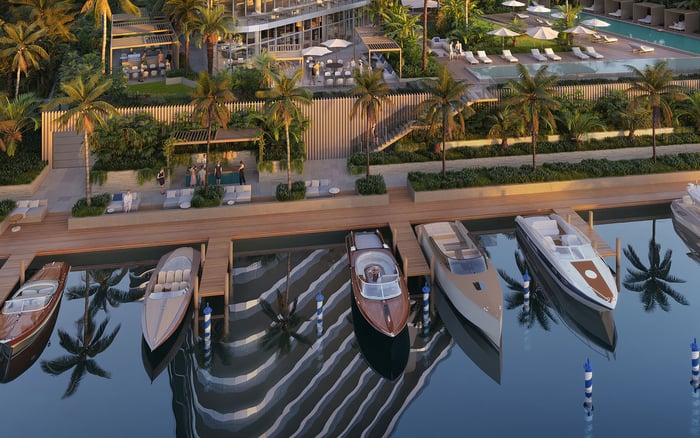
For estates with dockage or seawalls, examine their condition with surge and king-tide implications in mind. Evaluate a waterfront edge as part of the property's coastal exposure, not only as an amenity. Where a property has two waterfront edges, review each separately.
For a longer holding period, review official sea-level-rise scenarios as an additional coastal-diligence exercise. Keep that review distinct from the property's current mapped flood designation and the insurer's actual terms.
Ask separately for applicable evacuation guidance, access procedures and any building-specific hurricane protocols. Do not infer operational arrangements from either municipality's name. Before choosing between the two markets, assemble a comparable file for each finalist: mapping, elevation information, insurance terms, waterfront-condition findings and confirmed storm responsibilities. The better fit is the residence whose waterfront appeal remains persuasive after that review.
Explore your next waterfront residence with MILLION.
If branded residences are on your mind — as a home or as an allocation — we would be glad to share what we are seeing, privately.
Begin a quiet conversationNeither can be considered universally safer. Compare the specific property's waterfront setting, flood zone, elevation and structural characteristics.
Pompano Beach offers canal-front, Intracoastal and oceanfront properties. Each setting warrants a separate exposure and insurance review.
No; some estates combine Atlantic frontage with Intracoastal frontage. Those properties require evaluation of both waterfront edges.
Zone X generally indicates lower mapped flood risk, and lenders typically do not require flood coverage there. It does not mean that flooding cannot occur.
Zone AE indicates higher flood risk, while Zone VE identifies coastal high-hazard areas subject to wave action and stricter construction requirements. Confirm the designation for the specific property.
Most homeowners policies do not cover flood damage, and windstorm protection should not be treated as flood coverage. Evaluate a separate flood policy as part of the insurance review.
Address it early enough to confirm the effective date before coverage is needed. New flood policies typically have a 30-day waiting period, although exceptions may apply.
Request the association's flood and wind policies, coverage scope and deductibles. Establish what separate unit coverage is needed rather than relying on the monthly association fee.
An elevation certificate supports property-level flood and insurance diligence. Review it alongside the specific property's confirmed flood-zone designation.
Review dockage and seawall condition for surge and king-tide implications. For longer ownership horizons, consider official sea-level-rise scenarios and separately confirm applicable storm procedures.