For Manhattan sellers transitioning to Pompano Beach, true lock-and-leave ownership begins with written responsibility. This guide explains how to evaluate property managers, allocate hurricane-protection duties, formalize absence care, and establish a disciplined post-storm re-entry plan before closing.

Selling in Manhattan and buying in Pompano Beach can exchange vertical city living for a more relaxed coastal rhythm. Yet a Florida residence left vacant for weeks or months demands a different operating plan. The essential question is not simply whether a building has management. It is who will enter the unit, clear outdoor objects, operate hurricane protection, document conditions, escalate a leak, and return after a storm.
That distinction matters for a second-home owner accustomed to a staffed New York building. Condominium management generally focuses on the association and common property, so buyers should not assume that it includes private unit care. The governing documents and service agreements should identify who handles storm preparation, hurricane protection, inspections, and access while the owner is away.
A luxury residence is truly lock-and-leave only when every absence duty has an accountable owner.
Prospective buyers comparing Armani Casa Residences Pompano Beach with other coastal options should evaluate operating documents as carefully as plans and finishes. Lifestyle and stewardship belong in the same decision.
Begin with the declaration, house rules, current hurricane-protection specifications, approved-vendor requirements, emergency-contact form, and written storm procedures. These materials may address design standards, installation details, approvals, access, maintenance, and owner obligations.
Do not infer that association authority equals association responsibility. Confirm whether the association or owner maintains, repairs, replaces, and operates hurricane protection. Read the relevant provisions alongside the rules governing private-unit access and storm preparation.
For a buyer considering The Ritz-Carlton Residences® Pompano Beach, or any other oceanfront condominium, the diligence questions are exact: Who closes the protection? Who pays? Who confirms completion? Who reopens it? The answers should come from the property’s documents and written procedures rather than assumptions about staffing or service.
Existing protection warrants separate verification. Ask whether impact windows or shutters received the required approvals and whether related records are available. A visually polished installation does not by itself resolve documentary compliance.
Select a private property manager only after mapping the association’s scope. The management agreement should specify routine inspection frequency, storm-triggered visits, response expectations, backup staffing, emergency access, photographic reporting, leak escalation, vendor coordination, and additional charges. Avoid broad phrases such as “storm assistance” unless the contract defines the work itself.
Ask each candidate to walk through three scenarios. First, the owner leaves Florida for the season with no storm forecast. Second, a named storm creates a preparation deadline. Third, access resumes after the event, but building operations remain restricted. Each answer should identify the responsible person, authorization pathway, communication cadence, and fallback if the primary caretaker cannot attend.
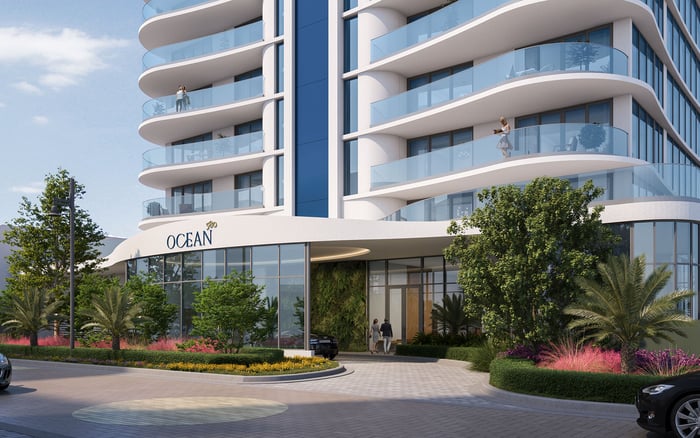
At Ocean 580 Pompano Beach or another waterfront property, the building’s written rules remain controlling. A private manager should not promise access that security has not authorized, use a vendor contrary to building requirements, or operate hurricane protection outside established procedures. The strongest candidate can work within the building’s system without ambiguity.
Request evidence of insurance and a sample inspection report, but focus equally on execution. Reports should date each visit, identify the areas inspected, include photographs, note visible concerns, and state what was escalated. The contract should explain whether the manager may authorize emergency work and how owner approval will be handled.
Absence care begins before departure, not when weather alerts arrive. Review whether the property requires an absent owner to designate a responsible company or individual. Also confirm the rules for terrace furniture, plants, and other loose objects during a storm or seasonal departure.
Create a signed departure checklist covering terrace clearance, water settings permitted by the building, appliance status, vehicle arrangements, access credentials, emergency contacts, and the location of hurricane-protection controls. Record the residence’s baseline condition with photographs. If the property restricts keys, fobs, overnight access, or vendor registration, document the caretaker’s authority with management and security in advance.
The private agreement should name a backup person and distinguish routine services from event-based charges. It should also require coordination with the association rather than presume that front-desk or engineering staff will enter the unit. If hurricane protection requires manual operation, confirm where the necessary key or tool is held and whether the designated service provider may enter while the owner is absent.
Apply the same framework when reviewing W Pompano Beach Hotel & Residences. Branding or hospitality positioning should never replace a document-level review of residential obligations. Service expectations must align with the declaration, rules, private management contract, and security protocol.
Re-entry is a sequence, not a single permission. Ask the association when owners, caretakers, and vendors may return after common areas and essential building systems have been assessed. Obtain the communication channel used for closures and reopening instructions. The caretaker should understand that an owner’s request does not override a building restriction.
Define the first authorized unit visit precisely. Require photographs before anything is moved; inspection of accessible ceilings, walls, windows, doors, mechanical areas, and terrace thresholds; and immediate escalation of visible water or damage. The manager should confirm whether protection may be reopened and exterior objects returned. A written closeout should distinguish observed conditions from work that still requires a qualified vendor.
Ask counsel to interpret how the governing documents assign authority and responsibility for hurricane protection, association work, private-unit access, and post-storm procedures. The practical goal is a re-entry plan that follows the property’s instructions while giving the owner timely documentation.
During the contract inspection period, have counsel review absentee-owner clauses and hurricane-protection obligations. Ask management to answer responsibility questions in writing. Compare those answers with the declaration and house rules, then incorporate the resulting duties into the private manager’s scope.
The most refined outcome is a clear chain of custody: The association controls common-property decisions, the private manager performs defined unit services, authorized vendors handle specialized work, and the owner receives timely documentation. That structure converts absence care from a favor into an accountable system, preserving both the residence and the ease that motivated the move south.
For discreet guidance on selecting a Pompano Beach residence around your ownership plan, connect with MILLION.
If branded residences are on your mind — as a home or as an allocation — we would be glad to share what we are seeing, privately.
Begin a quiet conversationNot necessarily. Buyers should confirm private-unit services in the governing documents and any separate written management agreement.
Responsibility depends on the property’s governing documents and written procedures. Confirm who operates, pays for, documents, and reopens the protection.
Request the declaration, house rules, hurricane-protection specifications, vendor requirements, emergency-contact form, and written storm procedures.
The property’s documents may set standards and approval requirements. Review them before installing or modifying any protection.
Yes. Ask whether required approvals were obtained and whether supporting records are available.
It should define inspections, response expectations, backup staffing, access, photographs, escalation, storm work, vendor coordination, and extra charges.
Advance registration helps align the caretaker’s access with management and security procedures while the owner is away.
The caretaker should document conditions before moving anything, inspect accessible areas for visible concerns, and escalate issues promptly.
Not always. Re-entry may depend on the property’s reopening instructions and access restrictions.
Counsel should ideally review absentee-owner duties, hurricane-protection responsibilities, and access provisions during the contract inspection period.