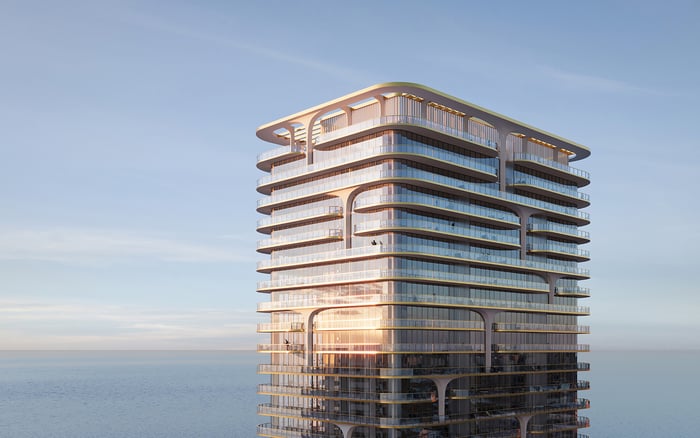
The advertised wellness offering spans two towers, but ownership due diligence should go beyond the amenity inventory. Buyers should establish capacity, reservation terms, staffing, and guest permissions before treating wellness access as part of their daily routine.

For a buyer considering The Ritz-Carlton Residences® Pompano Beach, the wellness proposition is compelling: fitness, spa environments, programming, and waterfront leisure in a residential setting. Yet the ownership question goes beyond whether a building has a sauna or treatment room. It is whether those spaces can support the routine you intend to keep.
A beautifully appointed spa and a reliably available appointment are different benefits. Capacity, booking procedures, and guest permissions connect the advertised setting to daily life. None should be inferred from the brand or the presence of similar facilities in both towers.
The amenities described here are advertised offerings, not confirmation that every facility or service is currently operational. Congestion and restricted access are possibilities to investigate, not documented problems at the property.
The project is marketed as an oceanfront Beach Tower to the east and a waterfront Marina Tower with a private marina to the west. Each tower advertises a fitness and wellness center and a spa. That establishes a two-tower amenity concept-not reciprocal access rights.
The Beach Tower offering includes a wellness concierge, juice and nutrition bar, and wellness programming. Its advertised his-and-hers spa comprises locker rooms, showers, sauna, steam room, vitality pool, and relaxation lounge; treatment rooms are listed separately. Two oceanfront infinity pools broaden the leisure offering.
The Marina Tower also advertises a his-and-hers spa with locker rooms, showers, sauna, steam room, vitality pool, and relaxation lounge. Its description specifically includes individual and couples treatment rooms and an outdoor terrace. A wellness lawn and kids’ play area extend the outdoor program.
Request a tower-by-tower access schedule identifying eligible users, hours, reservation requirements, and charges. A spa in each tower does not establish that an owner can freely choose between them.
For treatments, the useful measure is not simply the room count. It is the number of appointments available when residents want them, after accounting for staffing, treatment duration, and turnover time. For classes, it is the relationship between participant limits and the population entitled to book.
Request treatment-room counts, class-size limits, operating hours, and staffing schedules for each tower. Ask which rooms can operate simultaneously and whether particular treatments require specialists with limited availability. These are due-diligence questions, not established limitations.
A practical review should also distinguish open access from supervised use. A wellness lawn may accommodate exercise, but its presence does not establish an instructor schedule. Similarly, a listed treatment room does not establish daily therapist coverage.
Ask the team to explain how capacity is intended to serve eligible residents and guests. If an operating plan remains provisional, record what is confirmed and what still awaits a decision. Unspecified availability should remain an open item in the purchase evaluation, not an assumed benefit.
Reservation policies deserve the same attention as finishes: they determine whether wellness can become part of a routine. A buyer seeking a regular early-morning session has different needs from someone planning occasional treatments during short visits.
Request the advance-booking window, owner priority rules, waitlist procedures, and limits on simultaneous or recurring reservations. Establish whether classes and treatments use the same system and whether concierge assistance changes booking priority or simply facilitates requests.
Cancellation terms matter too. Ask about notice periods, no-show charges, late arrivals, and how released appointments become available again. Confirm whether peak-period restrictions can differ from the ordinary schedule and who has authority to change them.
For buyers also considering Armani Casa Residences Pompano Beach, these questions provide a consistent basis for comparison. Compare documented reservation rights rather than assuming that different residential offerings deliver equivalent convenience.
Entertaining family or friends can make guest permissions central to ownership. The advertised private beach, cabanas, loungers, umbrellas, and pool-and-beach food and drink service create an appealing hospitality setting. They do not establish a guest’s entitlement to use wellness facilities.
Ask separately about overnight visitors, day guests, and guests using an apartment while the owner is away. Confirm registration procedures, per-residence limits, age restrictions, applicable fees, and owner-presence requirements for each facility.
Treat access and reservations as separate permissions. A guest may be eligible to enter a space without having the same ability to reserve a treatment or class. Whether that distinction applies here requires written confirmation.
Cross-tower questions demand equal precision. Establish whether any reciprocal rights extend to guests, whether the owner must accompany them, and whether a booking can be made in the other tower. Do not read a general assurance of amenity access as permission for every user and service.
The Beach Tower’s advertised wellness programming and wellness concierge suggest an offering beyond equipment and spa rooms. Before assigning value to those services, ask what programming is contemplated, how often it is scheduled, and which activities are included or charged separately.
Clarify the concierge’s role: scheduling assistance, program coordination, or another defined scope. Ask who arranges instructors and treatment providers, whether outside professionals may attend, and what happens when a scheduled provider is unavailable.
A useful exercise is to describe your intended week: a morning workout, a treatment, a class, and a guest visit. Have each activity mapped to the relevant access permission, booking rule, fee, and staffing commitment. This tests whether the advertised offering fits your priorities without presuming a service shortfall.
Review the Agreement and Prospectus for what is included with the purchase, alongside any applicable amenity rules, service schedules, and fee schedules. Ask counsel to distinguish purchase commitments from operating policies and explain which terms may change, by whom, and with what notice.
If Waldorf Astoria Residences Pompano Beach is also on your shortlist, request the same documents there. The purpose is not to presume matching amenities or policies, but to compare the rights and services each purchase actually offers.
Before proceeding, obtain written answers on capacity, reservations, tower eligibility, and guests, with unresolved items clearly identified. The strongest wellness proposition is one whose operating terms suit your household-not simply one whose amenity inventory is extensive.
For a discreet perspective on South Florida ownership decisions, explore MILLION.
If branded residences are on your mind — as a home or as an allocation — we would be glad to share what we are seeing, privately.
Begin a quiet conversationYes. Both the Beach Tower and Marina Tower advertise a fitness and wellness center and a spa, but that does not establish shared access.
The advertised his-and-hers spa includes locker rooms, showers, sauna, steam room, vitality pool, and relaxation lounge. Treatment rooms are separately listed.
The Marina Tower spa description includes individual and couples treatment rooms and an outdoor terrace.
No operational status is established here. Buyers should confirm facility readiness, service availability, and staffing directly before relying on them.
Cross-tower access remains a point to confirm in writing. The presence of a spa in each tower does not establish reciprocal rights.
Request treatment-room counts, class-size limits, operating hours, staffing schedules, and the population each facility is intended to serve. Ask how many rooms can operate simultaneously.
Clarify advance-booking windows, priority rules, recurring reservations, waitlists, and peak-period limits. Also confirm cancellation terms and no-show charges.
Owner-presence requirements are not established here. Request separate written permissions for overnight visitors, day guests, and guests staying while the owner is away.
Yes, wellness programming is advertised alongside a wellness concierge and juice and nutrition bar. Program frequency, inclusion, and charges need separate confirmation.
Review the Agreement and Prospectus alongside applicable amenity rules and service and fee schedules. Ask counsel to distinguish purchase commitments from policies that may change.