A discreet buyer’s guide to choosing between Pompano Beach and Fort Lauderdale when the goal is coastal living, refined convenience, and a lower-friction ownership experience.
For luxury buyers comparing Pompano Beach and Fort Lauderdale, the decision is rarely just about a view. It is about the kind of coastal life that will still feel effortless after the first season of ownership. The beach, the building, the garage, the lobby, the service culture, the route to dinner, the way guests arrive, and the level of home management required all become part of the real purchase.
The strongest choice begins with a candid question: do you want a quieter shoreline rhythm, or a coastal address with more urban momentum around it? Pompano Beach often enters the conversation for buyers who want the ocean to be the central event. Fort Lauderdale appeals when the beach is important, but so are dining routines, boating culture, city energy, and a broader day-to-night lifestyle.
In private search notes, buyers may describe the decision as Pompano Beach versus Fort Lauderdale. The more useful frame is maintenance temperament. The ideal home should reduce decisions, not create new ones.
Pompano Beach can be compelling for buyers who want a more residential coastal cadence. The appeal is not necessarily about being removed from convenience; it is about feeling less pulled in multiple directions. For a second-home owner, that distinction matters. A property that is easy to arrive at, easy to secure, easy to leave, and easy to reopen has a different emotional value than a larger home requiring constant oversight.
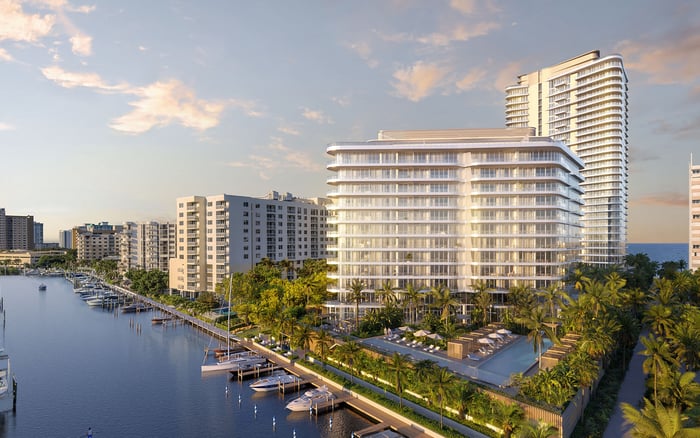
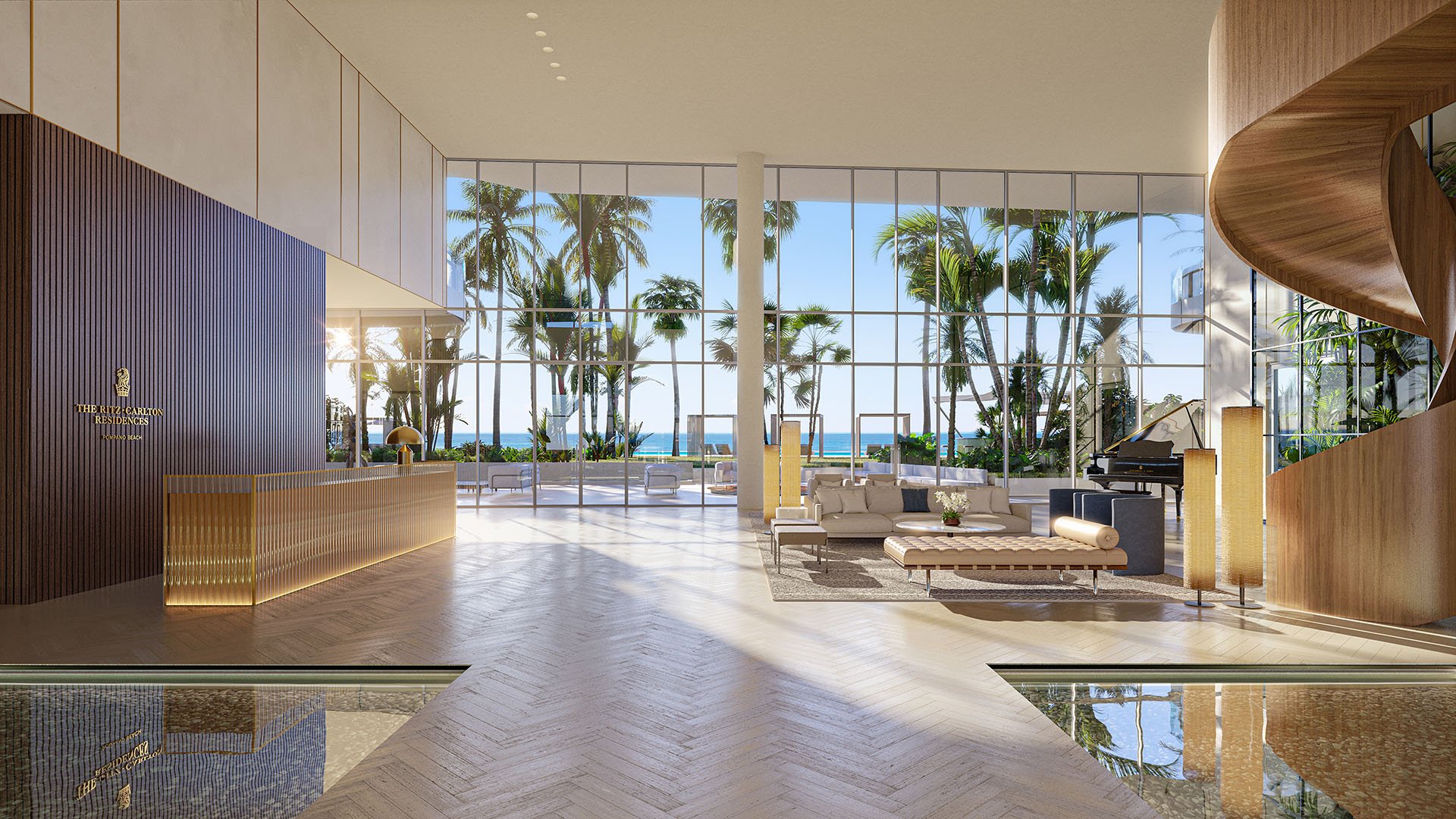
This is where newer condominium conversations become relevant. A buyer looking at The Ritz-Carlton Residences® Pompano Beach is often thinking beyond square footage. The underlying question is whether the residence can deliver a coastal base with service, privacy, and a more predictable ownership pattern than a standalone house.
Pompano Beach is also useful for buyers who want the oceanfront experience without turning every evening into an occasion. A simpler week might mean a morning walk, a swim, remote work from a terrace, and dinner nearby. It is not a compromise; it is a preference for clarity. Projects such as W Pompano Beach Hotel & Residences bring that conversation into sharper focus for buyers who like the idea of hospitality-adjacent living while still wanting a private residence.
Fort Lauderdale suits buyers who want coastal life with more texture. The beach remains central, but the city’s appeal is often in its layers: waterfront dining, boating routines, established neighborhoods, cultural evenings, and the feeling of a larger civic stage. For many buyers, this is the better fit when the home will be used frequently, shared with guests, or treated as a true South Florida base rather than only a retreat.
The key is to avoid choosing Fort Lauderdale solely because it feels more active. Activity is valuable only when it aligns with daily use. If your ideal week includes restaurants, marinas, social clubs, and a quicker pivot between beach and city, Fort Lauderdale may feel more complete. If those amenities are admired more than used, they may simply add complexity.
A residence such as Four Seasons Hotel & Private Residences Fort Lauderdale naturally enters conversations where service, hospitality, and beach proximity are part of the ownership brief. For buyers considering a more destination-driven address, St. Regis® Residences Bahia Mar Fort Lauderdale may speak to a different version of coastal life, one where the waterfront experience extends beyond the sand.
The phrase “simpler maintenance” can be misleading. A condominium does not automatically mean low effort, and a luxury building does not automatically mean fewer surprises. What matters is the discipline of the association, the condition and age profile of the building systems, the clarity of rules, the scope of services, and how well the property is managed day to day.
Buyers should distinguish between visible luxury and operational luxury. Visible luxury is the lobby, the pool deck, the materials, and the arrival sequence. Operational luxury is quieter: responsive management, orderly reserves, thoughtful staffing, clear communication, and a building culture that does not require owners to supervise every detail.
This distinction is especially important for a second-home buyer. The goal is to arrive into a residence that feels composed. Before purchasing, review the practical rhythm: package handling, guest access, valet procedures, pet rules, service elevator protocols, storm preparation policies, insurance structure, rental restrictions if relevant, and how maintenance requests are handled. These details may not be glamorous, but they determine whether the property actually lives simply.
Oceanfront living delivers immediacy. It is the most emotionally direct version of the coastal dream: sunrise, sand, water, and horizon. It can also bring the most rigorous maintenance questions. Exposure, building envelope care, window systems, balcony upkeep, and association planning all deserve careful review.
Near-beach living can be more flexible. A residence set slightly off the sand may still deliver beach access while offering a different ownership profile. The daily experience may involve less intensity and, depending on the building, a more practical routine for parking, guests, and service providers.
Waterfront living away from direct oceanfront can appeal to buyers who place boating, views, and privacy above beach immediacy. In Fort Lauderdale, that conversation can become especially personal because the lifestyle is not only coastal, but also connected to waterways and social movement. The right answer depends on which view you will actually use, not which view looks best in a brochure.
New construction can be attractive for buyers prioritizing current design, fresh systems, and a more contemporary approach to amenities and service. It may also provide a cleaner starting point for those who do not want to renovate immediately after closing. Still, newness should be evaluated with the same discipline as any other purchase: governance, delivery expectations, association structure, and long-term operating costs matter.
Established buildings can offer proven locations, known ownership cultures, and a clearer sense of how the property performs. They may also require deeper review of maintenance history, capital planning, and upcoming work. Neither category is automatically superior. The better property is the one whose operating reality matches your tolerance for involvement.
For Pompano Beach buyers, Armani Casa Residences Pompano Beach may be part of the discussion when design identity and coastal living intersect. The important question is not whether the name is compelling, but whether the residence fits the way you intend to live.
Start with your calendar. If you will use the residence for long weekends and seasonal visits, prioritize lock-and-leave confidence, staff communication, storage, parking convenience, and guest simplicity. If you will live there most of the year, broaden the lens to include neighborhood rhythm, grocery routines, fitness preferences, medical access, schools if relevant, and where your social life will naturally unfold.
Then pressure-test the commute you will actually make. Not a generic commute, but your commute: to the marina, to dinner, to the airport, to family, to the office, or to the golf club. Visit at different times of day. Stand in the lobby. Walk to the beach. Drive the route you will use most. A luxury purchase should survive ordinary Tuesdays, not only perfect Saturdays.
Finally, compare the monthly carrying experience. Review association dues, insurance assumptions, reserves, staffing model, included services, and likely owner responsibilities. A property with a higher monthly cost may feel simpler if it removes friction. A property with a lower cost may feel expensive if it requires constant attention.
Choose Pompano Beach if your ideal coastal life is calmer, more residence-led, and centered on the ocean as the main amenity. Choose Fort Lauderdale if your ideal coastal life is more layered, more social, and connected to a broader waterfront city rhythm. In both cases, the best purchase is not the one with the most features. It is the one that makes ownership feel lighter.
For luxury buyers, simpler maintenance is ultimately a form of freedom. It allows the residence to become what it was meant to be: a place of arrival, restoration, and ease.
Is Pompano Beach better than Fort Lauderdale for a quieter coastal lifestyle? It may be, especially for buyers who want the ocean to define the day. The right fit depends on how much surrounding city energy you want.
Is Fort Lauderdale better for a more active lifestyle? Fort Lauderdale may suit buyers who want beach access plus dining, boating, and a broader urban rhythm. Test the daily routes before deciding.
Does a condo always mean simpler maintenance? Not automatically. Simplicity depends on building management, association planning, services, and the owner responsibilities that remain.
Should I prioritize oceanfront or near-beach living? Oceanfront offers immediacy, while near-beach living may provide a more flexible routine. Choose based on how you will live every week.
What should second-home buyers review first? Focus on arrival, security, guest access, storm procedures, package handling, storage, parking, and communication with management.
Are branded residences always easier to own? They can offer a service-forward experience, but the operating structure still matters. Review the practical details, not only the brand.
Is new construction the simplest choice? New construction can reduce renovation needs, but it still requires careful review of costs, governance, rules, and long-term operations.
How should I compare monthly costs between buildings? Look beyond the number. Consider what services are included, what responsibilities remain, and whether the cost reduces daily friction.
Which market is better for guests? Fort Lauderdale may appeal to guests who want more activity, while Pompano Beach may suit guests seeking a quieter beach retreat.
What is the best way to make the final decision? Spend time in both areas during the hours you will actually use the home. The right choice should feel easy in ordinary conditions.
To compare the best-fit options with clarity, connect with MILLION.
If branded residences are on your mind — as a home or as an allocation — we would be glad to share what we are seeing, privately.
Begin a quiet conversation