A practical buyer guide to judging whether a Bay Harbor Islands terrace will be comfortable, functional, and valuable in South Florida heat and wind.
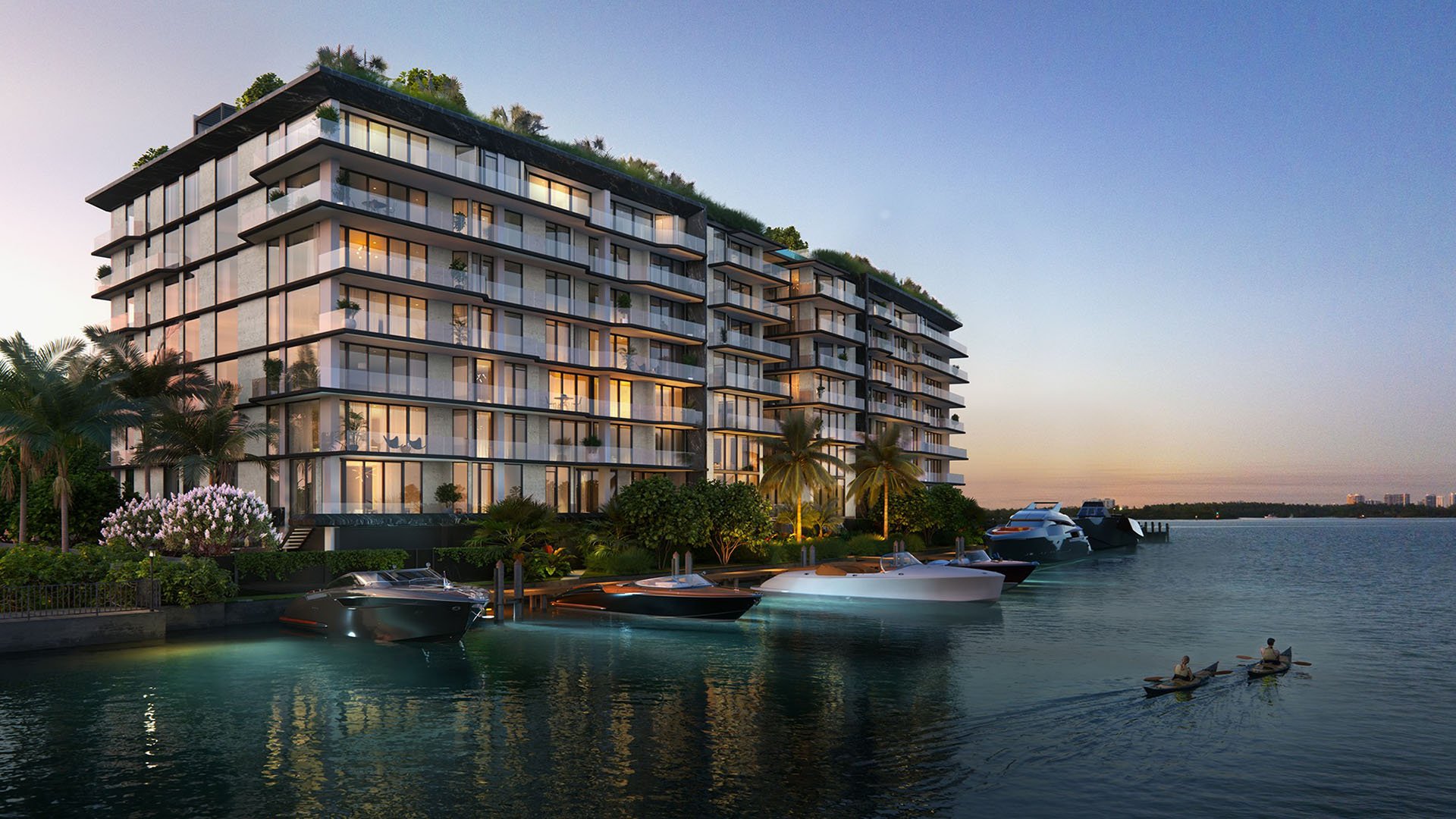
In Bay Harbor Islands, outdoor space can look irresistible in a sales gallery, in a sunset rendering, or during a perfectly timed showing. Yet a terrace should be judged less like an image and more like an everyday room. The essential question is not whether the residence has exterior square footage. It is whether that square footage can be used comfortably through South Florida heat, glare, humidity, breeze, and occasional gusts.
For luxury buyers, that distinction matters. A usable terrace can extend entertaining space, make morning coffee feel ceremonial, and give a residence a quieter sense of resort living. An underperforming terrace can become a staging prop: admired from behind glass, furnished once, and rarely occupied. Before purchasing, buyers should evaluate the terrace with the same seriousness they bring to ceiling heights, exposure, views, parking, and interior finishes.
This is especially important in a boutique market where outdoor space often defines the lifestyle proposition. A Bay Harbor buyer should not treat terrace and balcony language as interchangeable. The best exterior spaces have proportion, shade potential, privacy, manageable wind, and a natural relationship to the rooms inside.
Heat is not simply a temperature issue. It is a design issue. A terrace that receives intense afternoon sun without shade may be visually appealing, but uncomfortable for longer stays. Buyers should ask when the terrace receives direct sun, where shadows fall, and whether overhangs, recessed lines, screens, umbrellas, or architectural shading can create comfort without compromising views.
Depth is equally important. A narrow outdoor ledge can be pleasant for stepping outside, but it may not support dining, lounging, or circulation. A deeper terrace allows furniture to breathe. It gives guests space to move without feeling pressed against the railing. It also makes shade easier to manage because seating can be pulled away from the hottest edges.
When comparing options such as Alana Bay Harbor Islands and Onda Bay Harbor, buyers should look beyond the presence of outdoor space and ask how each terrace is likely to function at breakfast, after school, before dinner, and during a weekend gathering. The most valuable terrace is the one that fits actual routines.
Wind can make a terrace feel fresh and elegant, or it can make dining, reading, and keeping cushions in place difficult. Buyers should experience the space in person whenever possible, ideally at different times of day. A single calm showing is not enough to understand the terrace’s personality.
Pay attention to how wind moves around corners, through gaps, and across open water views. Higher positions may feel more exposed, while sheltered configurations may offer more comfort but less drama. Neither is inherently superior. The right answer depends on how the buyer intends to live. A frequent entertainer may value a calmer dining setting. A seasonal owner who wants open-air lounging may prefer a breezier feel.
Railings matter as well. Glass can preserve a waterview, but its height, detailing, and relationship to furniture can influence comfort. Buyers should sit, stand, and walk the terrace rather than simply view it from the living room. If conversation feels strained or lightweight objects shift easily, the wind profile deserves closer review.
A serious terrace assessment should include furniture planning before contract decisions are made. Ask where a dining table would go, whether lounge chairs can face the view, how doors swing or slide, and whether planters can be placed without narrowing circulation. If the furniture plan requires constant compromise, the terrace may be less usable than its stated area suggests.
Privacy also matters. A terrace that feels exposed to neighboring buildings or adjacent balconies may discourage everyday use. Screening can help, but association rules and building design may limit what can be added. Buyers should confirm what is permitted before assuming that landscaping, shades, fans, heaters, lighting, or outdoor kitchens can be introduced.
At residences such as La Maré Bay Harbor Islands and The Well Bay Harbor Islands, the right questions are practical rather than purely aesthetic. Can the terrace hold the furniture you actually own or intend to buy? Is there room for a service path? Does the interior floor plan support easy indoor-outdoor entertaining? Can the space be comfortably occupied without rearranging it every time guests arrive?
Outdoor luxury depends on maintenance. Terrace flooring, drainage, thresholds, and exterior fixtures should be reviewed carefully, particularly in a coastal climate. Buyers should look for clean transitions at doors, sensible water management, durable finishes, and details that will age gracefully with sun and salt air.
Association rules are just as important as physical design. Ask about approved furniture, grills, planters, lighting, umbrellas, storm preparation, and storage of outdoor items. A terrace that appears flexible may be governed by strict standards, and those standards can affect daily enjoyment. For buyers who travel frequently, storm protocols and the ease of securing furnishings should be part of the decision.
Noise also belongs in the inspection. Mechanical sounds, nearby activity, and echo patterns can change how a terrace feels. A beautiful view may not compensate for a space that is too loud for conversation. The best showing strategy is simple: pause, sit, and listen.
In luxury real estate, exterior square footage can influence perception, but comfort determines value. A smaller terrace with shade, privacy, and calmer airflow may outperform a larger one that is hot, exposed, or awkwardly shaped. Buyers should resist comparing terraces by size alone.
The most disciplined approach is to score the space across five categories: shade, wind, proportion, privacy, and permission. Shade addresses heat and glare. Wind addresses comfort and furniture stability. Proportion addresses whether the layout supports real use. Privacy addresses emotional ease. Permission addresses what the owner can actually add or change.
For Bay Harbor Islands buyers, this kind of analysis protects both lifestyle and resale appeal. Outdoor living is central to the South Florida promise, but only when the terrace works in real conditions. The goal is not to buy the largest exterior space. It is to buy the one that will be used most often, with the least friction, across the widest range of days.
What makes a terrace usable in Bay Harbor Islands? A usable terrace has comfortable shade, manageable wind, enough depth for furniture, privacy, and a practical connection to the interior living areas.
Should I visit a terrace at more than one time of day? Yes. Morning, midday, and late-afternoon conditions can feel very different for heat, glare, wind, and noise.
Is a larger terrace always better? Not necessarily. A smaller, well-proportioned terrace with shade and privacy may be more valuable in daily life than a larger but exposed space.
How should I test wind during a showing? Sit outside, walk the perimeter, observe corners, and notice whether conversation, cushions, or lightweight items feel disturbed.
Why does terrace depth matter? Depth determines whether the space can hold real furniture while still allowing comfortable movement around tables, chairs, and doors.
Can I add shade after I buy? Possibly, but buyers should confirm association rules before assuming umbrellas, screens, awnings, fans, or planters will be permitted.
Do glass railings improve terrace value? Glass railings can preserve views, but buyers should also evaluate glare, wind comfort, privacy, and maintenance expectations.
What should seasonal owners consider? Seasonal owners should focus on storm preparation, furniture storage, easy maintenance, and whether the terrace remains comfortable during peak heat.
How does privacy affect terrace use? If a terrace feels visible to neighbors or nearby buildings, owners may use it less often, even when the view is attractive.
What is the best way to compare two terraces? Compare shade, wind, proportion, privacy, permissions, and how naturally each terrace supports your real daily routines.
When you're ready to tour or underwrite the options, connect with MILLION.
If branded residences are on your mind — as a home or as an allocation — we would be glad to share what we are seeing, privately.
Begin a quiet conversation