This Coral Gables buyer’s guide separates residence selection from yacht-access requirements, then outlines the dockage, storm-planning, insurance, and building-system questions to verify before a purchase.
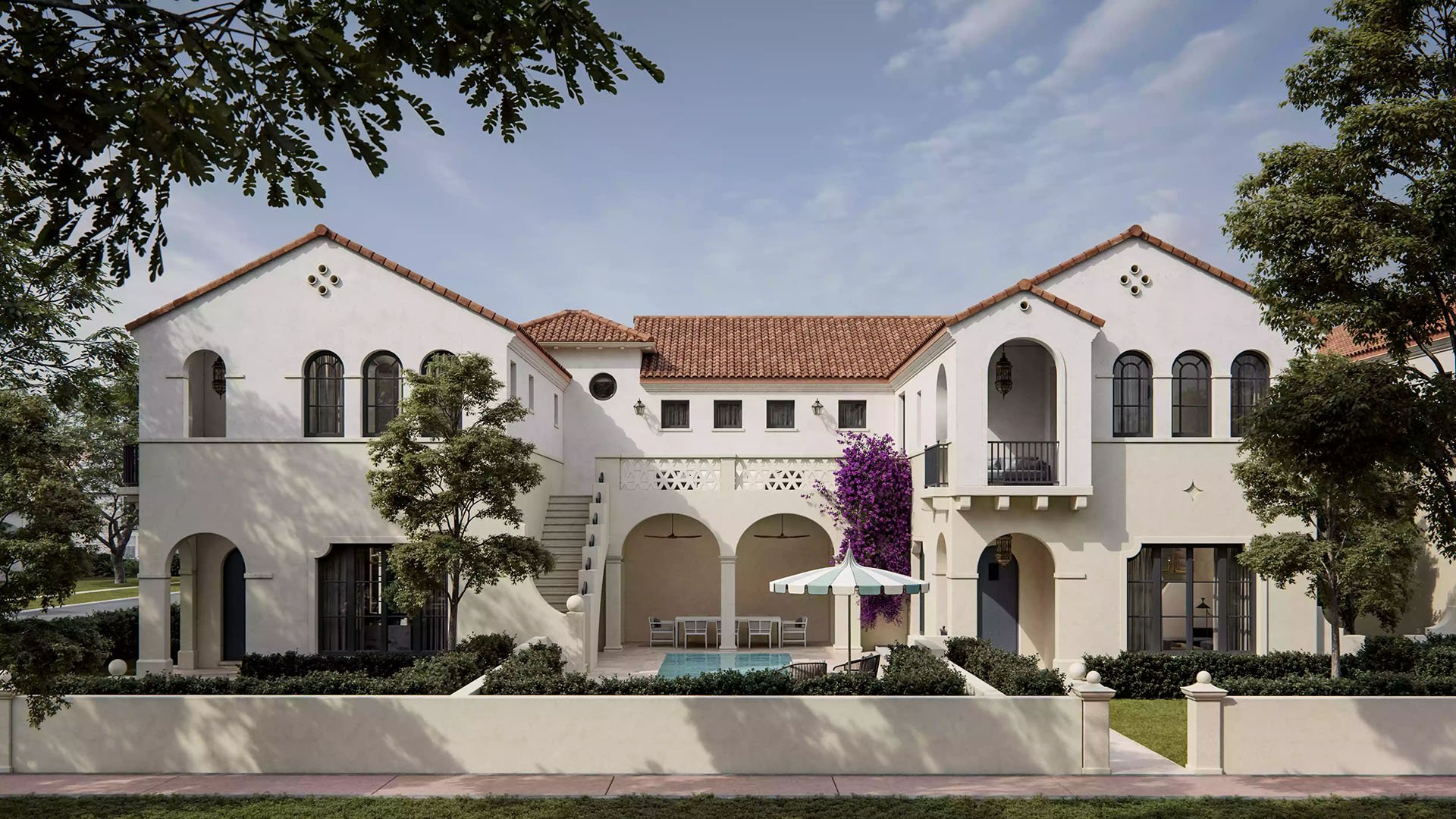
A Coral Gables residence and dependable yacht access should be evaluated as separate parts of the acquisition. A project’s location, water view, or proximity to Biscayne Bay does not by itself establish a legal right to dock a vessel.
Buyers should first decide whether the residence or the boating arrangement has priority. One approach is to select a preferred home and secure dockage separately. Another is to limit the search to properties where marina or private-dock rights can be documented before an offer is made.
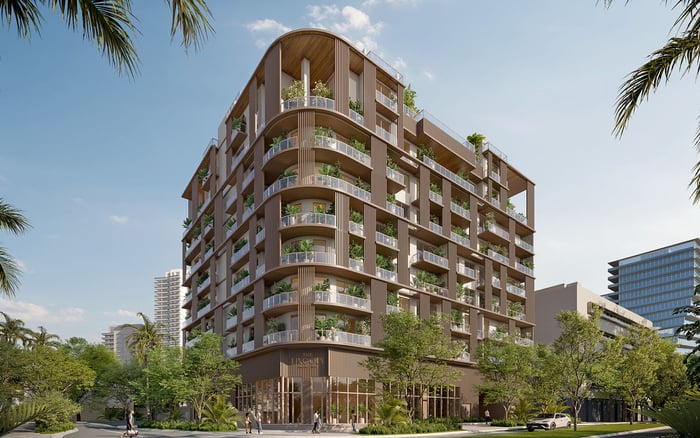
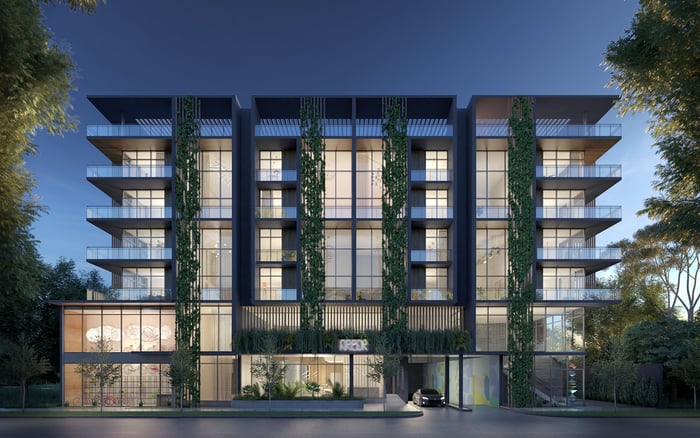
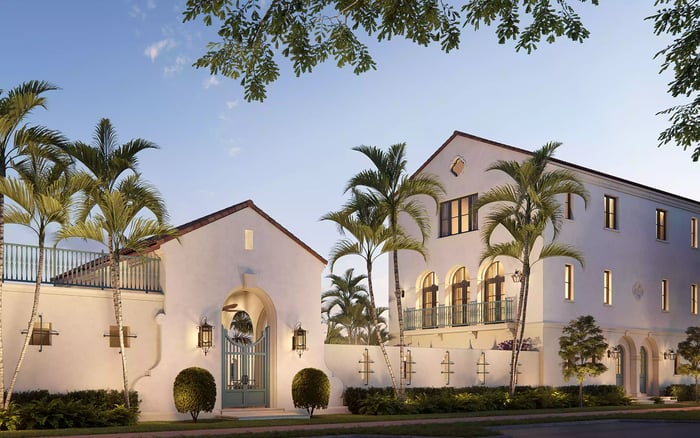
A focused appointment schedule may include The Village at Coral Gables, Cora Merrick Park, and Ponce Park Coral Gables. These links support residential comparison only; they should not be read as confirmation of slips, marina privileges, vessel capacity, or storm specifications.
Buyers considering a nearby Miami-Dade alternative may also review The Well Coconut Grove while keeping the primary search centered on Coral Gables. Any comparison should use the same written standards for dockage, building systems, insurance, and storm preparation.
Before relying on any boating arrangement, request the governing documents and current written terms. The review should identify whether a slip is assigned, deeded, leased, licensed, shared, or subject to a waitlist. It should also address transferability, renewal, fees, utilities, access hours, parking, security, and any restrictions affecting owners or guests.
The physical review should cover maximum vessel length, beam, draft, water depth, lift capacity where relevant, and the route between the dock and open water. Buyers should confirm these points for their specific vessel rather than relying on a general description of marina access.
If dockage is off-site, examine the duration and termination provisions of that agreement. The residence purchase and the dockage arrangement may follow different timelines and carry different risks, so both should be satisfactory before the buyer proceeds.
Storm preparation requires project-specific documentation. Ask for available flood and elevation information, opening-protection specifications, emergency procedures, insurance materials, and an exact description of backup-power coverage. Do not assume that a generator supports every elevator, residence, cooling function, access point, pump, or communication system.
For a marina or private dock, request the hurricane plan and identify closure triggers, notice periods, vessel-removal requirements, owner responsibilities, and post-storm access procedures. The vessel insurer may impose separate obligations, which should be compared with the marina agreement and the buyer’s intended storm plan.
The review should also address how damage could affect continued slip use, repairs, assessments, or termination rights. Legal, marine, insurance, and inspection professionals can evaluate different parts of this documentation before contract deadlines expire.
The most suitable structure depends on the buyer’s priorities. A buyer may choose a preferred Coral Gables residence and arrange dockage elsewhere, restrict the search to homes with documented boating rights, or make direct private-dock access the controlling requirement.
In every case, obtain written confirmation rather than relying on marketing language or verbal assurances. Reconfirm residence availability, contract terms, marina access, vessel compatibility, insurance considerations, and storm obligations during due diligence.
Does a waterfront location guarantee a boat slip? No. The legal right to use a slip and the terms governing that use require separate written verification.
Should yacht access and the residence purchase be reviewed separately? Yes. The home and the dockage arrangement may involve different contracts, timelines, costs, and termination provisions.
What marina documents should a buyer request? Request the current slip agreement, governing rules, fee schedule, transfer terms, waitlist information, and storm procedures.
Which vessel measurements should be checked? Confirm permitted length, beam, draft, water depth, and lift capacity where applicable for the buyer’s specific vessel.
Why does transferability matter? A boating right may not automatically pass with a residence, so its assignment and resale treatment should be documented.
What should be reviewed for off-site dockage? Examine the agreement’s duration, renewal rights, fees, access rules, termination provisions, and storm obligations.
What backup-power details should a buyer verify? Determine precisely which elevators, pumps, access systems, cooling functions, communications, and residential areas receive power.
What should a marina hurricane plan explain? It should address closure triggers, notice periods, vessel-removal requirements, owner duties, and post-storm access.
Should vessel-insurance requirements be compared with marina rules? Yes. Any relocation or storm-preparation obligations should be compatible across the insurance policy and dockage agreement.
What is the best way to shortlist comparable options for touring? Start with location fit, delivery status, and daily lifestyle priorities, then compare stacks and elevations to validate views and privacy.
For a confidential assessment and a building-by-building shortlist, connect with MILLION.
If branded residences are on your mind — as a home or as an allocation — we would be glad to share what we are seeing, privately.
Begin a quiet conversation