Alba’s advertised hurricane-impact glazing is a starting point, not a replacement guarantee. Buyers should distinguish product approvals, defect warranties, installation coverage and insurance before closing.

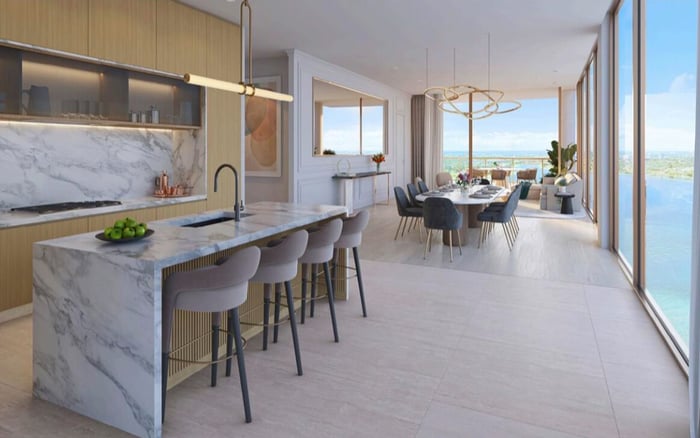
At Alba West Palm Beach, floor-to-ceiling hurricane-impact windows and hurricane-impact sliding doors are advertised residence specifications. For a buyer considering waterfront living, that language merits attention-and a clear distinction: a glazing system’s stated performance and the financial protection available after a failure are separate matters.
Impact approval is not a promise of hurricane replacement. Testing addresses performance under specified conditions; a warranty determines whether a particular defect or failure qualifies for a remedy. Insurance introduces a separate contract with its own coverage terms. A careful purchase review keeps these three questions distinct rather than treating “impact glass” as a comprehensive assurance.
The aim is not to diminish an architectural feature, but to understand precisely what supports it, who stands behind it and what documentation a future claim would require.
Before closing, request the window and sliding-door manufacturers’ names, model identification, applicable Miami-Dade or Florida product-approval information, and supporting test documentation. Ask the project team to show how those records correspond to the systems installed in the residence.
A marketing description establishes what is advertised. It does not, by itself, establish the installed system’s certification, installation compliance or warranty eligibility. Review approval documents and installation records together; they are not interchangeable evidence.
Request relevant permits and inspection records as well. Proper permitting and code-compliant installation can be conditions of warranty validity. A product approval should therefore prompt a second question: which records document the installation to which that approval relates?
For buyers also considering Forté on Flagler West Palm Beach, the same document-led approach offers a useful comparison framework. Compare actual approvals and contractual protections rather than assuming different residences share the same glazing or coverage.
“Lifetime limited” can sound definitive while leaving the most important details in separate component provisions and exclusions. Ask for the complete manufacturer warranty applicable to the installed system, including its effective date, beneficiaries, component schedules and claim requirements.
For Alba, confirm the written coverage periods for glass seals, finishes and hardware separately, and check how the contract treats hurricane damage and external-impact breakage. Do not treat a general warranty example as an established project term. Read duration and covered cause together.
Ask what the remedy includes: components, labor or both, and whether benefits diminish over time. Do not assume that replacing a covered part means every associated expense is included. A shorter term with clear eligibility may be easier to evaluate than a longer headline with significant restrictions.
The manufacturer warranty and the glazing contractor’s workmanship warranty address different risks. Product coverage concerns eligible component defects. Workmanship coverage concerns installation errors, which may include flashing failures, sealant gaps or incorrect anchoring.
Water or air infiltration caused by installation can fall outside manufacturer coverage. That makes the installing contractor’s written obligation especially important: a substantial product warranty may not resolve a leak attributed to how the system was installed.
Request the executed workmanship warranty and ask specifically about water infiltration, air infiltration and improper sealing. Confirm the duration and scope of written labor coverage rather than assuming it matches the manufacturer’s component coverage.
Installer due diligence should also include a valid Florida license, liability insurance, workers’ compensation insurance and manufacturer authorization where the warranty requires it. Keep those records with the permit and inspection documents so the file addresses both product and installation eligibility.
Coastal suitability and impact performance are not interchangeable. Some warranties restrict coastal or high-rise installations, potentially limiting corrosion, finish or hardware claims even when the product meets impact-code requirements.
Check for saltwater-distance restrictions, building-height limitations and exclusions affecting finishes, corrosion and moving components. Ask for written confirmation that the warranty presented applies to the residence’s actual setting. Generic residential language is no substitute for that review.
Obtain maintenance requirements at the same time. The question is not simply whether the windows are designed for coastal use, but what maintenance the applicable coverage requires and how compliance should be documented.
A buyer comparing Alba with Shorecrest Flagler Drive West Palm Beach can use the same checklist without presuming the projects have identical exclusions. Waterfront purchasing calls for property-specific answers, particularly where finish and hardware coverage matter alongside the glass itself.
Confirm transferability separately for product and workmanship coverage. One may transfer while the other imposes different conditions, fees or restrictions on subsequent owners. Ask who must complete any transfer steps and what written evidence confirms the buyer’s eligibility.
The condominium documents deserve equal attention. Have counsel review the declaration and applicable warranties to establish association-versus-owner responsibility for windows and sliding doors, maintenance obligations and claim submission. Do not assume that owning the residence makes the individual buyer the warranty beneficiary or authorized claimant.
Resolve these questions before closing where possible. A warranty is more useful when the purchaser understands both the scope of the promise and who is entitled to enforce it.
For storm-related glass breakage, property-insurance review is generally the appropriate starting point rather than a standard defect warranty, unless separate breakage coverage applies. Do not assume hurricane or accidental-breakage protection is available at Alba without reviewing the applicable contract. Insurance payment remains subject to policy terms.
If a problem appears, promptly preserve photographs, timestamps and relevant weather records. Review the applicable warranty and provide written notice to the manufacturer or installer through the required channel. Coordinate with the association where its responsibilities or claim rights are involved.
Before purchase, assemble a single, durable file containing approvals, manufacturer and workmanship warranties, installation and inspection records, maintenance instructions, transfer confirmations and the relevant condominium provisions. Have counsel clarify responsibility and an insurance adviser assess storm coverage. Neither an approval label nor a warranty headline guarantees a successful claim or an insurance discount.
The strongest position is a documented one: understand the installed system, the covered causes and the route to a remedy while the purchase is still being evaluated.
For a considered approach to South Florida luxury property purchases, explore MILLION.
If branded residences are on your mind — as a home or as an allocation — we would be glad to share what we are seeing, privately.
Begin a quiet conversationAlba advertises floor-to-ceiling hurricane-impact windows and hurricane-impact sliding doors. These specifications do not independently establish warranty coverage or a promise of storm replacement.
No. Impact testing addresses specified performance conditions, while warranty terms determine whether a failure qualifies for repair or replacement.
Request the applicable Miami-Dade or Florida product-approval information and test documentation for the specific window and sliding-door systems. Ask for records connecting those documents to the installed products.
No; review the written coverage periods and exclusions for glass seals, finishes and hardware separately. Alba’s applicable contracts must establish its coverage, including whether labor is included.
Manufacturer coverage addresses eligible product defects, while workmanship coverage addresses installation errors. Installation-related water or air infiltration may fall outside manufacturer coverage.
Yes. Some warranties restrict coastal or high-rise installations and limit corrosion, finish or hardware coverage even when the product meets impact-code requirements.
Transferability must be checked separately for product and workmanship warranties. Subsequent owners may face conditions, fees or restrictions.
The applicable warranties and condominium documents must establish the authorized claimant and association-versus-owner responsibility. Have counsel confirm that allocation rather than assuming the individual owner can file.
Storm-related breakage generally calls for property-insurance review unless separate breakage coverage applies. Any payment remains subject to the relevant contract and its exclusions.
Preserve prompt photographs, timestamps and relevant weather records, then review the warranty and provide required written notice. Retain approval, installation, inspection and maintenance documents with the claim file.