A buyer’s framework for distinguishing impressive wellness amenities from dependable daily access at Faena Residences Miami and The Surf Club Four Seasons, with practical checks on capacity, air, water and reservations.

The most meaningful wellness luxury is the ability to maintain a routine without friction. A hammam, treatment suite or Pilates studio has greater value when it is available at your preferred hour, accommodates your practitioner and operates under clear rules. For buyers, the essential distinction is between an appealing amenity collection and dependable everyday use.
At Faena Residences Miami Downtown Miami, the evaluation centers on a planned wellness program and the commitments supporting its delivery. At The Surf Club in Surfside, it centers on an operating hotel-and-residential setting, including the boundary between private residential facilities and shared services. Neither should be judged on atmosphere alone.
Start with four questions: how many people can use the facilities, what environmental systems serve them, how water is treated, and who controls access. Amenity descriptions do not establish verified filtration performance or complete reservation rights. That distinction warrants a request for documentation; it is not evidence that systems or policies are absent.
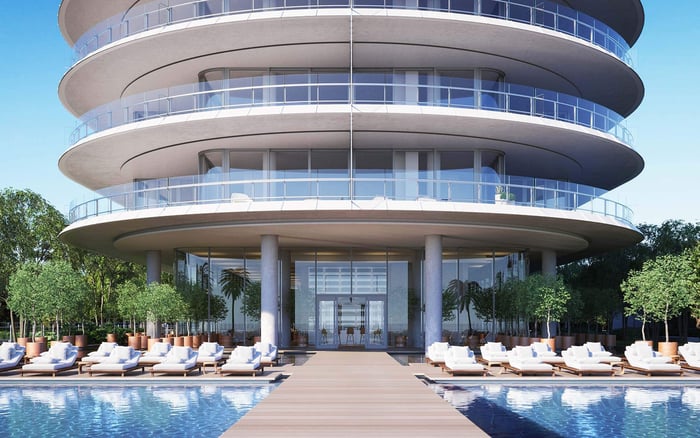
Faena’s planned podium wellness program includes an open-plan spa, heat and steam experiences, a smart pool with underwater sound, and a longevity clinic. Tierra Santa Healing House is the planned anchor for fitness, recovery and holistic treatments.
The proposed collection includes a hammam, cold plunges, red-light infrared therapy rooms and a sauna infused with South American herbs. Fitness plans encompass weight-training and cardio areas, yoga and Pilates studios, live and virtual instruction, and an outdoor workout terrace.
For a buyer, that breadth calls for specificity. Request final room layouts, equipment schedules, staffing assumptions and operating hours. Establish which elements are committed in purchase documents, which remain subject to change, and how access and charges will be governed.
Although the program promises exclusive access to curated wellness spaces, ask whether any nonresident categories will also be eligible. Treatment rooms intended for residents’ on-demand sessions with therapists, physiotherapists or facialists do not establish unrestricted access for an owner’s outside practitioner. Do not transfer spa specifications or policies from Faena Hotel Miami Beach to this separate riverfront residential project.
The Surf Club Four Seasons Surfside combines an oceanfront Four Seasons hotel with branded private residences. Its spa includes a traditional hammam, steam facilities, sauna and showers, alongside a tea lounge and relaxation room overlooking the ocean and gardens. Treatments include traditional hammam experiences and advanced European skin-care therapies.
The residential amenity offering includes two residents-only fitness centers plus a third within the hotel, and four heated swimming pools, including a residents-only pool. Confirm these counts and current access rights with condominium management before treating them as ownership entitlements.
The hotel fitness facility is advertised as open 24 hours. That does not establish identical hours for the residents-only gyms. Likewise, programming such as Bliss Yoga, Mat Pilates and Aqua Fitmat does not establish class frequency, included attendance or guaranteed availability.
Reservable beach cabanas with full baths introduce another practical distinction: a reservation requirement does not establish resident priority or pricing. Ask management to identify which facilities are private, which are shared, and which require separate payment or advance arrangements.
Begin with a sample week that reflects how you intend to live. A morning workout, recurring treatment and weekend recovery session offer a more useful test than total amenity area. Ask whether that schedule is realistically available during peak periods, not merely possible within stated opening hours.
Request room-by-room occupancy limits, treatment-room counts, equipment quantities, class sizes and staffing coverage. Separate simultaneous capacity from daily appointment availability: a treatment room’s usefulness depends on practitioner availability and the time required between sessions.
At The Surf Club, request representative peak-time booking availability and visit at the hours you expect to use the facilities. For Faena, request projected operating arrangements and distinguish forecasts from contractual commitments. In both cases, ask about maintenance closures, private events and any circumstances that could reduce resident access.
Air quality deserves its own technical review. Request filter ratings, outside-air delivery specifications, humidity-control targets, monitoring procedures and maintenance responsibilities separately for residences and shared wellness areas. Do not assume a specification for one space applies throughout the property.
Faena’s planned botanical steam room uses South American botanicals at 100% humidity. That describes a room-specific experience, not a residential humidity-control specification. Similarly, botanical infusions and thermal amenities are not evidence of air-filtration performance.
Ask the relevant engineering team to explain how wet wellness rooms are ventilated and how their air systems relate to adjacent spaces. For an operating property, request available maintenance and monitoring records; for planned facilities, seek design specifications and the proposed verification process. Buyers with particular sensitivities should have a qualified adviser assess the answers against their needs.
An attractive pool or cold plunge says little about the water reaching a kitchen tap. Divide the inquiry into potable water, pool water and plunge water, with documentation appropriate to each.
For drinking water, ask what treatment is provided, where it occurs, which outlets it serves and who maintains it. Request system specifications, testing frequency and available results. Clarify whether any proposed in-residence enhancement would require condominium approval.
For pools and plunges, request treatment methods, testing frequency, turnover rates and maintenance records or planned procedures. Ask how cleaning affects availability. Underwater sound at Faena is an experiential feature, not a water-treatment specification. Likewise, heated pools at The Surf Club do not establish a particular filtration standard.
Before assigning a premium to wellness access, obtain advance-booking windows, cancellation charges, treatment and class fees, guest limits, practitioner approval requirements and resident-priority provisions. Clarify recurring reservations, waitlists and the distinction between complimentary facility access and paid services.
If your search also includes The Well Bay Harbor Islands, apply the same documentation checklist rather than assuming wellness positioning delivers equivalent systems or rights.
The decision should turn on fit: the facilities you will actually use, their availability when you need them, and the clarity of the obligations behind them. Faena’s planned breadth and The Surf Club’s hotel-and-residential setting call for different verification, but the standard is the same. Favor documented performance and usable access over the length of an amenity menu.
Explore South Florida residences with a more considered view of everyday wellness at MILLION.
If branded residences are on your mind — as a home or as an allocation — we would be glad to share what we are seeing, privately.
Begin a quiet conversationThe wellness amenities discussed here are planned or advertised. Buyers should confirm their final scope and delivery commitments in purchase documents.
The advertised program includes spa and thermal experiences, cold plunges, red-light infrared therapy rooms, a smart pool and a longevity clinic. Fitness plans include cardio and weight-training areas, yoga and Pilates studios, and an outdoor workout terrace.
Request occupancy limits, treatment-room and equipment counts, class sizes, staffing and operating hours. Test those details against availability at the times you expect to use the facilities.
The residential amenity description lists two residents-only fitness centers and a separate hotel fitness center. Confirm current counts and access rights with condominium management.
The hotel fitness facility is advertised as open 24 hours. Buyers should verify the residents-only gyms’ hours separately.
No verified air-filtration performance is established by these amenity descriptions. Request filter ratings, outside-air specifications, humidity targets and maintenance responsibilities for residences and wellness spaces separately.
No. The advertised 100% humidity applies to the botanical steam room, not to humidity control inside residences.
Separate drinking-water treatment from pool and plunge sanitation. Request system specifications, testing frequency and maintenance information, with turnover rates for pools and plunges.
The planned treatment rooms accommodate residents’ on-demand sessions, but that does not establish unrestricted outside-practitioner access. Obtain written approval requirements and applicable fees.
No resident priority or pricing is established by the reservation description. Request written booking windows, charges, guest limits and priority provisions.