A discreet, buyer-forward checklist for choosing a South Florida condo as a pied-à-terre, focusing on disclosures, reserves, insurance, rental rules, and cross-border planning.
A pied-à-terre is a secondary residence kept in a convenient location for periodic stays, separate from a primary home. In South Florida, that definition takes on a particular texture: owners often want turnkey arrival, true lock-and-leave ease, and amenities that quietly remove the friction of daily logistics.
Condominiums can deliver that lifestyle exceptionally well-when the building’s governance, reserves, insurance posture, and rental rules align with how you will actually use the home. The most expensive surprises rarely come from finishes. They come from documents.
Start by putting your “why” on paper. A pied-à-terre brief should include:
How often you’ll be in residence (weekends, seasonal blocks, or sporadic overnights).
Whether guests will stay without you (adult children, family office staff, visiting friends).
Your stance on renting (never, long-term only, or occasional short stays).
Operational expectations (package handling, security, valet, and service culture).
This is not a matter of preference-it’s underwriting. A building that works for a full-time owner can be the wrong fit for a part-time owner if rules or cost structure penalize vacancy or restrict access patterns.
Many buyers start with headline city rules and stop there. For condos, that’s incomplete.
Layer one is municipal and county regulation.
In Miami-Dade’s unincorporated area, short-term vacation rentals are generally treated as rentals for less than 30 days or one calendar month, whichever is less, with compliance steps that can include state licensing and tax registration. Miami Beach regulates vacation and short-term rentals through a registration and approval process and requires listings to display registration numbers.
Layer two is the condominium’s own declaration, bylaws, and rules.
A building can be stricter than local law-and often is. Some prohibit rentals entirely for an initial ownership period. Others allow only one lease per year, or require minimum lease terms that effectively eliminate flexibility.
For a pied-à-terre, the takeaway is straightforward: if occasional income is part of your plan, don’t operate on assumptions. Obtain the governing documents early and have counsel confirm what is permitted, what is prohibited, and what can be changed by board vote.
South Florida buyers have become more attuned to building health, and for good reason. Structural Integrity Reserve Studies (SIRS) requirements have changed the way many associations think about reserves and long-deferred maintenance.
Even if you intend to be an infrequent occupant, you’re fully exposed to the capital plan. The risk isn’t theoretical-it shows up as special assessments, abrupt fee resets, and lifestyle disruption during major projects.
A disciplined pied-à-terre review includes:
Confirm whether a SIRS exists and the date completed.
Ask what the reserve funding plan is, and whether it is being followed.
Review recent and proposed assessments, watching for “one-time” projects that may not be one-time.
Look for recurring cost pressure in insurance and utilities that can cascade into higher monthly charges.
If you’re considering older, iconic inventory, the document trail matters as much as the architecture. For buyers seeking a contemporary, lock-and-leave profile, newer luxury towers in core districts can be a cleaner match for part-time living, including Brickell options such as 2200 Brickell, where the appeal for some pied-à-terre owners is the combination of newer construction expectations and neighborhood connectivity.
Condo insurance is routinely misunderstood-even by sophisticated buyers who own single-family property elsewhere. In a typical Florida condominium, the association carries a master policy, while the unit owner generally needs an HO-6 (“walls-in”) policy to cover personal property and interior improvements.
Florida’s condominium insurance obligations are commonly discussed in connection with statutory requirements governing what associations versus owners must insure. In practice, your checklist should include:
Request the association’s certificate of insurance and a summary of what the master policy covers.
Confirm deductible structure, including whether deductibles can be assessed back to unit owners.
Align your HO-6 coverage with your actual buildout and contents, including higher-value personal property if applicable.
For coastal pied-à-terres, treat flood risk as its own line item. Miami Beach publishes local flood-hazard and flood insurance guidance, and while flood coverage decisions are personal and property-specific, the key is to avoid assuming that “the building has it” automatically means “I’m covered.”
Florida’s condominium framework is governed largely by Florida Statutes Chapter 718, and condo disclosure expectations for transactions have been revised and expanded in ways that influence what a buyer should review before waiving contingencies.
Set a document deadline that’s earlier than the contract deadline, so your review isn’t compressed into the final days. A pied-à-terre buyer should request, at minimum:
Current budget, year-end financials, and reserve schedules
Meeting minutes that reveal the association’s posture and priorities
Any notices of pending or contemplated assessments
Rules governing leasing, guests, and occupancy
Evidence of compliance steps tied to building safety and reserve studies
The goal isn’t to audit. It’s to identify whether the building is quietly drifting toward a large capital event.
For part-time owners who want fresh systems, contemporary layouts, and new amenity programs, pre-construction can be compelling. Purchases commonly use staged deposits and milestone payments that begin with a reservation and proceed through contract and construction milestones to closing, with terms varying by project.
The pied-à-terre lens here is certainty. Ask yourself what matters more: locking in a specific view line and floor plan early, or minimizing timeline exposure.
In Brickell, where condo living is a core mode of residence, high-design offerings can attract pied-à-terre buyers who value a strong services ecosystem and a walkable daily rhythm. Buildings such as 888 Brickell by Dolce & Gabbana can appeal to buyers who want a branded, hospitality-forward concept for occasional stays.
South Florida’s luxury market is deeply international, and international buyers account for a substantial share of new construction and pre-construction condo activity over multi-quarter periods. If you’re buying from abroad, or if your family and assets span jurisdictions, a pied-à-terre is never just a home. It’s an asset held inside a legal and tax ecosystem.
Two issues routinely shape outcomes:
Estate planning exposure. Cross-border owners may face U.S. estate-tax considerations and benefit from advance structuring conversations involving entities and trusts. The right approach depends on citizenship, domicile, and family governance.
Future sale proceeds and withholding. Foreign sellers of U.S. real property can encounter FIRPTA withholding at closing, which can materially affect net proceeds even if final tax liability differs.
This isn’t a reason to avoid ownership. It’s a reason to choose your structure deliberately-before you sign.
A pied-à-terre works best when the neighborhood does some of the work for you. The goal is an environment that makes short stays feel complete, not fragmented.
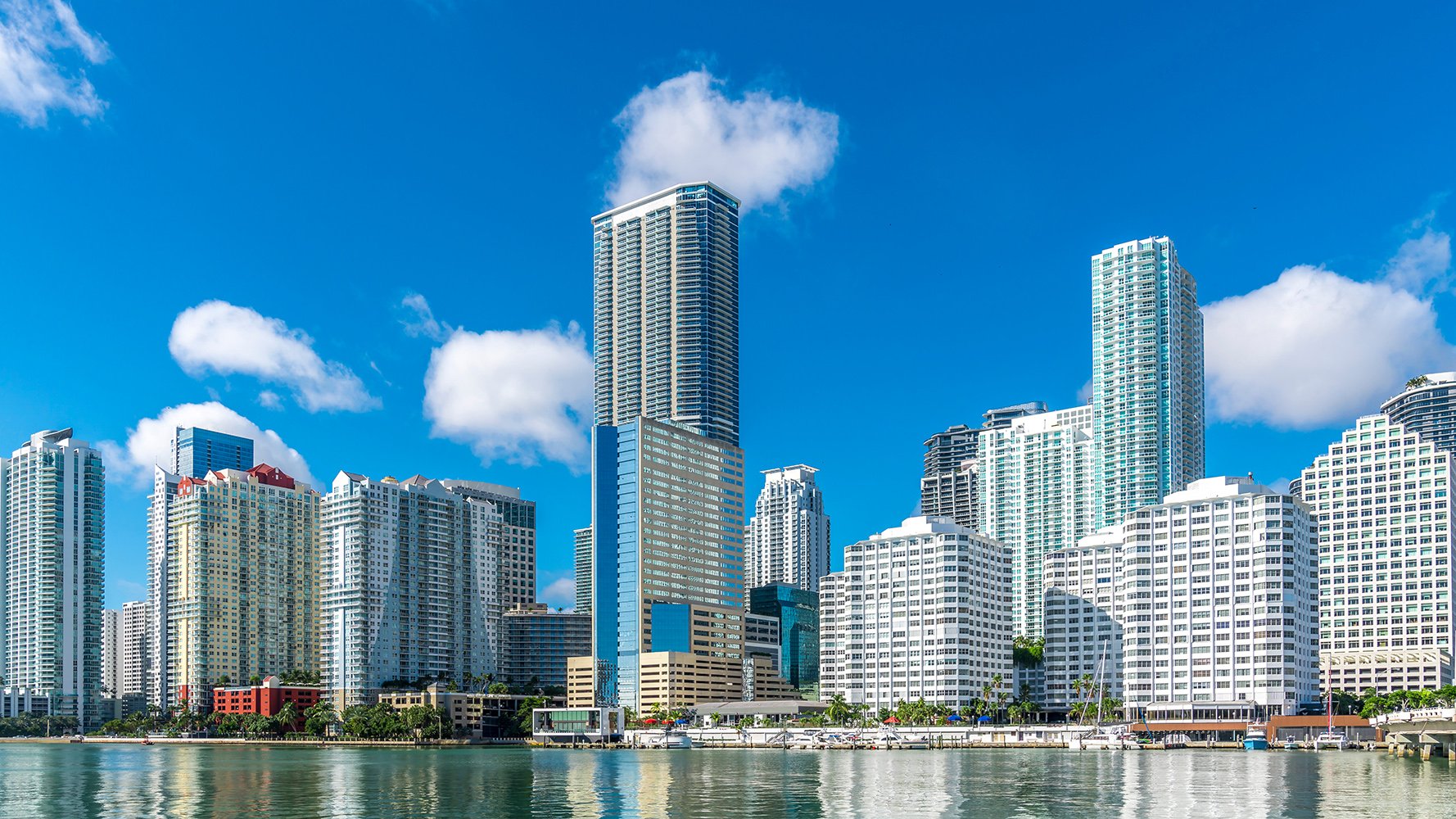
Brickell is a major condominium submarket built around vertical living and high-frequency convenience. It suits buyers who value a strong dining and services matrix and want to land, park the car, and move on foot. If your priorities include a new-build feel and a modern residential standard, consider the broader Brickell pipeline and established inventory through a pied-à-terre lens, including Una Residences Brickell as an example of the neighborhood’s luxury condo positioning.
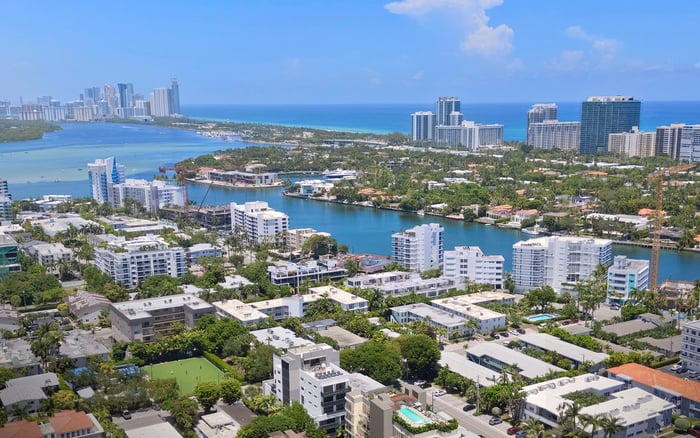
Miami Beach can be magnetic for a part-time lifestyle, but it is also where rental rules, flood considerations, and local operational requirements can be most consequential. For buyers drawn to a quieter, design-forward residential experience, 57 Ocean Miami Beach may resonate as a pied-à-terre concept: intimate, coastal, and oriented toward owners who value privacy.
Bay Harbor appeals to buyers who want proximity to the beach and a more residential tempo, while still remaining connected to the region’s core. Wellness-oriented living can also be part of the draw, exemplified by The Well Bay Harbor Islands for buyers who want their occasional stays to feel restorative and structured.
Before you sign, ensure you can answer “yes” to the following:
Rules: I have verified lease terms, guest policy, and any short-term restrictions.
Reserves: I understand reserve funding, SIRS status, and assessment exposure.
Insurance: I have reviewed master policy limits, deductibles, and my HO-6 plan.
Disclosures: I have received and reviewed the current condo disclosure package.
Lifestyle: The building’s operations support lock-and-leave ownership.
Structuring: If cross-border, I have aligned legal and tax planning pre-contract.
A pied-à-terre should feel effortless. Keeping it that way requires doing the work up front.
What exactly is a pied-à-terre? It is a secondary residence used for periodic stays, separate from your primary home.
Are short-term rentals automatically allowed if a city permits them? No. City or county rules are only one layer; the condo association may be stricter.
What is the key short-term rental threshold many local rules use? A common definition treats short-term vacation rentals as less than 30 days or a month.
Why do reserves matter if I only live there part-time? Assessments and fee increases apply to owners regardless of how often the unit is used.
What is a SIRS and why should I ask about it? It is a Structural Integrity Reserve Study that can drive reserve funding and repairs planning.
What Florida law generally governs condominiums? Condominiums are primarily governed under Florida Statutes Chapter 718.
Do I still need my own insurance if the building is insured? Typically yes. Unit owners often carry an HO-6 policy for walls-in and personal property.
Should I think about flood insurance for a Miami Beach condo? You should evaluate it specifically, especially in coastal areas where flood risk is a factor.
How do pre-construction condo payments usually work? They commonly involve staged deposits and milestone payments from reservation to closing.
What is FIRPTA and why does it matter to non-U.S. owners? It can require withholding when a foreign seller disposes of U.S. real property, affecting cash at closing.
For a discreet conversation and a curated building-by-building shortlist, connect with MILLION Luxury.
If branded residences are on your mind — as a home or as an allocation — we would be glad to share what we are seeing, privately.
Begin a quiet conversation