A discreet buyer’s guide to pet ownership in Hallandale Beach luxury buildings, with emphasis on services, green space, policy language, and resale-minded due diligence.

For many South Florida buyers, pets are no longer a secondary consideration. They are part of the household, part of the daily schedule, and often part of the decision to choose one building over another. In Hallandale, where high-rise living, waterfront access, and resort-minded amenities shape the residential experience, pet ownership warrants the same careful review as views, floor plans, parking, and service.
The strongest purchase is not simply in a building that allows animals. It is in a building where the rhythm of pet ownership is gracefully absorbed into everyday life. That means understanding where a dog can be walked early in the morning, how an elevator ride feels after the beach, whether lobby circulation is relaxed or formal, and how the condominium documents treat animals in practice.
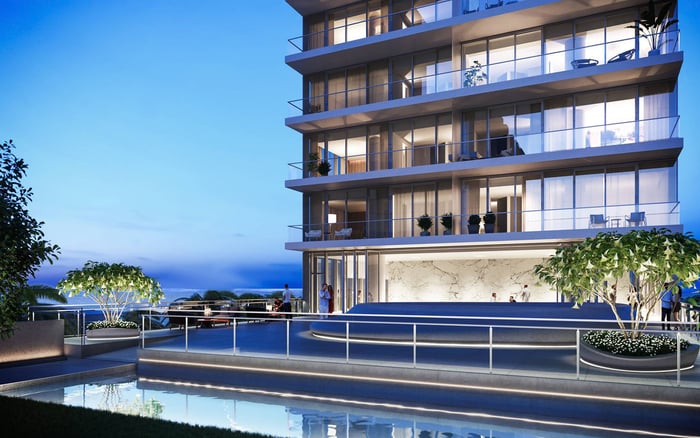
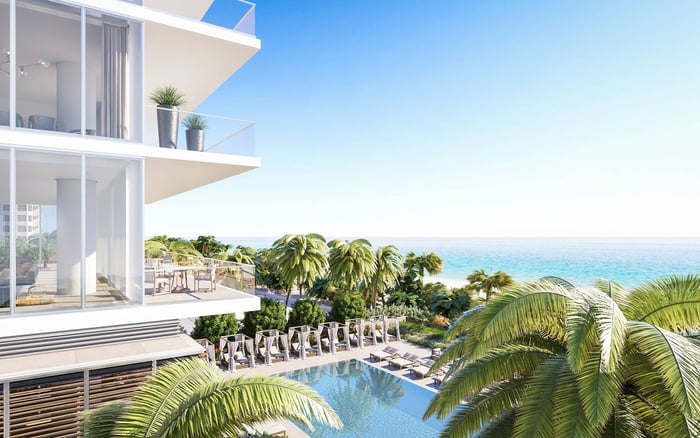
This is especially relevant for buyers considering refined residences such as 2000 Ocean Hallandale Beach, where the appeal of coastal living naturally invites questions about routine, access, and household comfort. The better the building, the more important the details become.
Pet-friendly is not a single standard. In luxury buildings, the difference between an accommodating policy and a restrictive one may be found in small clauses: number of pets, weight thresholds, breed language, registration requirements, designated entrances, required deposits, and board approval. A buyer should review the governing documents before treating any verbal summary as final.
It is also wise to ask how the policy is administered. Some buildings have clear, predictable rules. Others give the association or management broad discretion. That distinction matters for buyers with larger dogs, multiple animals, frequent guests with pets, or service and support-animal considerations that may involve separate legal and administrative standards.
The most elegant buildings often preserve a serene common-area atmosphere. That can translate into expectations around leashes, carriers, elevator etiquette, noise, grooming, and use of shared spaces. These expectations are not inherently negative. In a well-run property, they protect everyone’s quality of life. The point is to know them before closing, not after move-in.
Green space is more than a lifestyle phrase for pet owners. It is the difference between a pleasant routine and a daily compromise. In Hallandale, buyers should think in terms of immediate outdoor access, shaded routes, traffic patterns, and the distance between the residence and comfortable walking areas. A manicured view is not the same as functional ground-level space.
For some buyers, the ideal building is oceanfront, with the sensory calm of sea air and a quieter residential cadence. For others, proximity to marinas, shops, dining, or services may matter more. The best choice depends on the pet’s age, size, temperament, and exercise needs. A senior dog may benefit from short, predictable walks. A more active dog may require longer routes and easier transitions from elevator to exterior.
A dog park can be useful, but it is not the only answer. Many luxury owners prefer private walking routines, landscaped paths, or nearby open areas where the experience feels calmer and more controlled. The question is not merely whether a dog area exists. The question is whether the surrounding environment supports the way the household actually lives.
In the ultra-premium segment, services are increasingly evaluated through the lens of household management. Pet ownership touches many parts of the building experience: valet timing, package handling for food deliveries, access for dog walkers, housekeeping coordination, grooming appointments, and the ease of moving through service corridors or main entrances.
A concierge team that understands resident preferences can make pet ownership feel seamless. Yet buyers should avoid assuming that every luxury building offers the same level of accommodation. Ask how third-party pet walkers are registered, whether recurring vendors require advance authorization, how management handles pet incidents, and whether there are specific routes for animals through the property.
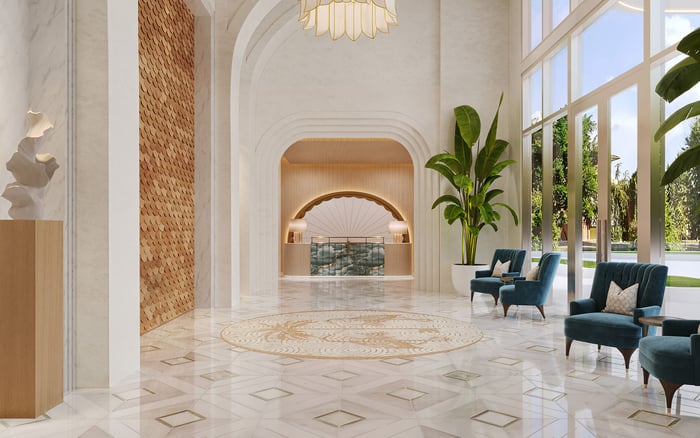
For buyers exploring Shell Bay by Auberge Hallandale, the conversation should extend beyond headline amenities to the quiet logistics of daily living. A polished residential experience is created not only by architecture, but by how well the building anticipates real household patterns.
Pet restrictions can influence resale in subtle ways. A building with overly narrow rules may reduce the future buyer pool, particularly among affluent households that travel with pets or maintain multiple residences. Conversely, a building with thoughtful, clearly enforced standards may appeal to both pet owners and non-pet owners because it signals order, predictability, and respect for shared spaces.
The most desirable policies tend to balance hospitality with discipline. They allow residents to live comfortably with animals while protecting elevators, corridors, terraces, gardens, and acoustic privacy. Buyers should look for clarity around damage responsibility, nuisance complaints, vaccination records, waste disposal, and enforcement procedures.
Terraces deserve particular attention. A large private outdoor area may feel ideal for a pet, but building rules may limit how it can be used. There may be restrictions on artificial turf, outdoor pet relief systems, screening, odor control, or unattended animals. These details should be reviewed before a terrace is treated as a substitute for proper outdoor access.
Hallandale occupies a distinctive position between Miami-Dade and Broward lifestyles. For pet owners, that can be attractive: the area offers a poised base for buyers who want coastal living without feeling detached from the broader South Florida circuit. The appeal is practical as much as aesthetic.
Some buyers compare Hallandale with Sunny Isles, where vertical luxury and beachside living create a different energy. A project such as Bentley Residences Sunny Isles may enter the conversation for those prioritizing branded architecture and a highly recognizable skyline address. Others look north toward Fort Lauderdale, where Four Seasons Hotel & Private Residences Fort Lauderdale reflects a hospitality-led coastal lifestyle with its own service expectations.
The comparison should be personal rather than categorical. A buyer with a small, quiet dog may focus on building culture and elevator efficiency. A buyer with a larger animal may place more weight on ground-floor transitions and outdoor routes. A frequent traveler may prioritize staff coordination, vendor access, and reliable pet-care logistics.
Before making an offer, request the complete pet policy and related association documents. Confirm the number of permitted pets, any size or breed restrictions, fees, deposits, registration requirements, and whether approvals must be renewed. Ask whether rules differ for owners, tenants, guests, and seasonal residents.
Tour the property as if it were a weekday routine. Walk from the unit to the elevator, from the elevator to the lobby or service corridor, and from the building to the nearest practical outdoor area. Notice flooring, thresholds, crowding, shade, noise, and the presence or absence of convenient disposal stations. Luxury is often revealed in these small transitions.
Finally, consider the temperament of the building. Some properties feel social and relaxed, while others feel formal and quiet. Neither is inherently superior. The right match is the one where your household, including your pet, can live beautifully without friction.
Do Hallandale Beach luxury buildings usually allow pets? Many luxury buildings permit pets, but each association sets its own rules. Buyers should verify the written policy before relying on a general description.
What pet restrictions should buyers review first? Start with number of pets, weight limits, breed language, fees, deposits, registration rules, and approval authority. These terms can materially affect daily living.
Is a pet-friendly building always the best option for dog owners? Not necessarily. A building may allow pets but still have inconvenient outdoor access, strict circulation rules, or limited nearby green space.
Why does elevator flow matter for pet owners? Elevator wait times and crowding influence how easy it is to manage daily walks. Private, semi-private, or well-managed elevator systems can improve comfort.
Can a terrace be used as a pet relief area? Only if the building documents permit it. Many associations restrict turf, drainage systems, odor issues, or unattended pets on terraces.
Should buyers ask about dog walkers and pet sitters? Yes. Confirm how vendors are registered, how access is granted, and whether recurring pet-care providers require management approval.
Do pet policies affect resale value? They can. Clear and balanced rules may broaden appeal, while highly restrictive policies may limit future demand among pet-owning buyers.
What makes green space useful for luxury pet owners? Practical green space is close, safe, shaded when possible, and easy to reach from the residence. A beautiful view alone does not solve daily needs.
Are rules different for renters or guests with pets? They may be. Buyers should ask whether tenant, guest, and seasonal-resident pets are treated differently from owner pets.
How should pet owners compare Hallandale with nearby markets? Compare daily routine, service culture, outdoor access, and building rules rather than relying only on location prestige or amenity lists.
When you're ready to tour or underwrite the options, connect with MILLION.
If branded residences are on your mind — as a home or as an allocation — we would be glad to share what we are seeing, privately.
Begin a quiet conversation