A buyer-focused guide to interpreting Hallandale Beach luxury condo fees, including HOA scope, reserves, insurance exposure, and assessment risk across oceanfront and new-construction buildings.
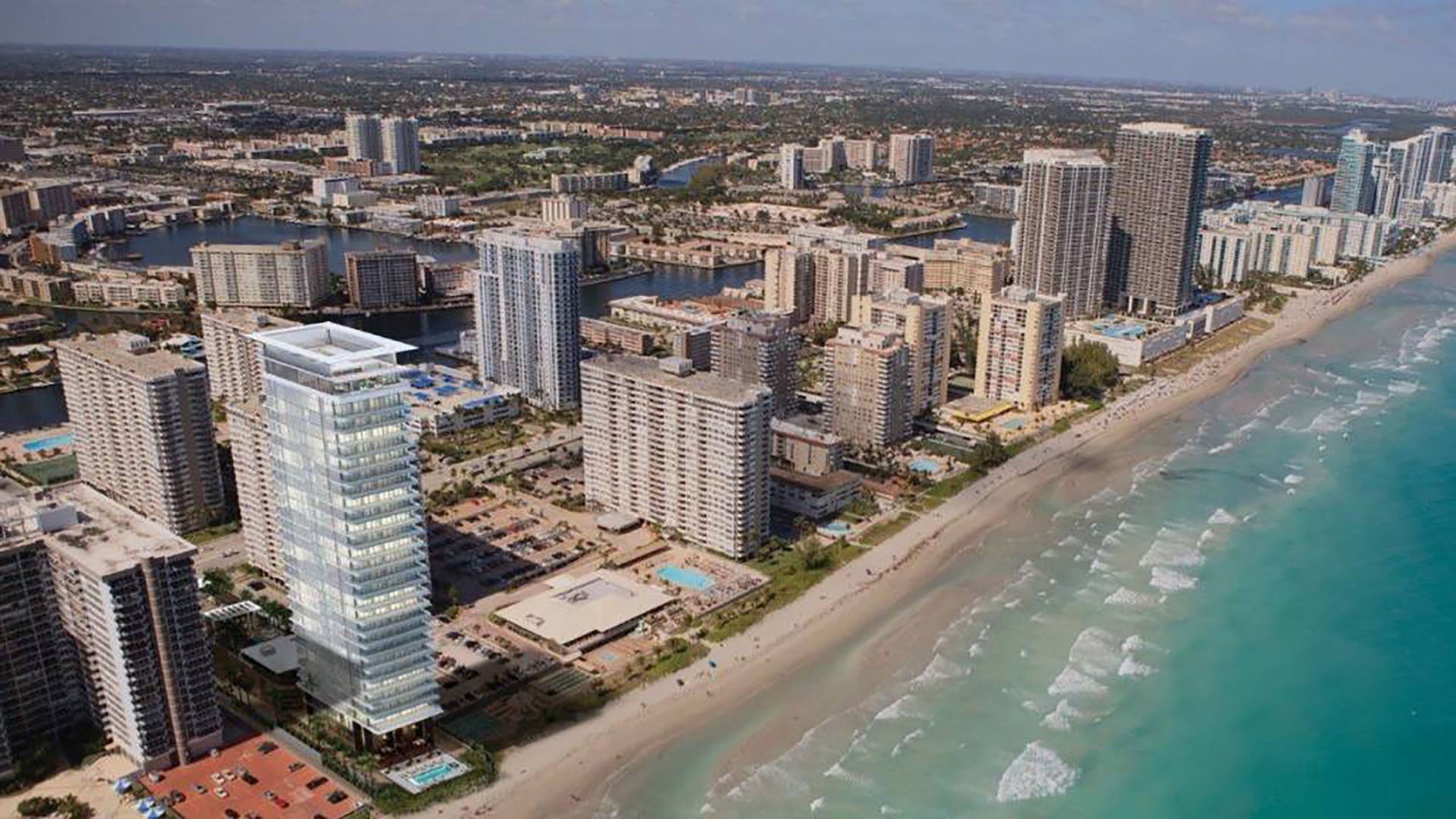
For luxury buyers in Hallandale Beach, condo fees are not just a monthly expense. They are a window into a building’s operating philosophy, board discipline, service model, and the true cost of maintaining a coastal asset over time. A low fee may look appealing at first, but in a waterfront market, the more important question is whether that fee matches the property’s physical demands and lifestyle promise.
Hallandale occupies a distinctive position between the glamour of Sunny Isles, the private-club sensibility of Aventura, and the increasingly design-led energy of Broward’s oceanfront corridor. Its buyer pool is both value-aware and highly sophisticated. Buyers compare monthly carrying costs not only within Hallandale, but also against branded towers, boutique waterfront residences, and private amenity campuses across South Florida.
That comparison requires care. A full-service oceanfront building with valet, beach service, staffed amenities, security, elaborate landscaping, and meaningful reserves will not operate like a simpler resale condominium with limited staff and fewer common elements. The fee is not the whole story. The structure behind it is.
In the luxury condominium context, HOA fees typically support the shared operation of the building. Buyers should view the fee as the budget for a private vertical estate: staff, maintenance, common-area utilities, amenity upkeep, security, management, landscaping, cleaning, service contracts, and contributions to future capital needs.
In Hallandale, this matters because many buildings carry coastal responsibilities. Salt air, wind exposure, pool decks, garage systems, elevators, façades, balconies, glass, mechanical equipment, and waterfront amenities all require consistent oversight. If a property presents itself as resort-caliber, the monthly budget must support that standard long after the first impression.
A residence such as 2000 Ocean Hallandale Beach invites a buyer to think beyond square footage and views. The conversation naturally extends to operational intensity: how the building is staffed, how amenities are maintained, how the association plans for replacement cycles, and how transparent the budget appears when reviewed line by line.
High fees are not automatically negative. Low fees are not automatically efficient. The relevant question is whether the amount is appropriate for the level of service, age of the property, physical complexity, and capital plan.
Reserves are one of the clearest indicators of long-term association discipline. They are the funds set aside for future repair and replacement of major common elements. For affluent buyers, reserves matter because they speak to predictability. A building that prepares for future obligations may offer a smoother ownership experience than one that relies heavily on reactive funding.
The reserve conversation should be practical. What components are being reserved for? Are the assumptions realistic? Has the association historically waived, reduced, or underfunded reserves? Are major projects approaching? Does the current budget reflect the real cost of preserving the building at a luxury standard?
In new-construction properties, buyers often focus on design, finishes, hospitality partners, and first-generation amenities. Those elements matter, but they do not replace the need to understand how the association will mature. A new building may begin with fewer immediate replacement issues, yet its amenity program and building systems still create long-term obligations.
That is why a project such as Shell Bay by Auberge Hallandale should be evaluated through both lifestyle and governance lenses. The private-club feel, hospitality identity, and amenity ambition are only one side of the ownership equation. The other is the operating model built to sustain that experience.
Insurance is often the most emotionally underestimated line item in a luxury condo budget. Buyers may spend weeks comparing views and floor plans, then give only a brief glance to the association’s insurance structure. In coastal South Florida, that is a mistake.
Association insurance can affect monthly fees, budget planning, and future adjustments. The details vary by building, policy structure, deductibles, coverage layers, and association decisions. Owners may also carry their own individual policies, so the total insurance picture extends beyond the association line item alone.
For Hallandale buyers, the key is not to predict a single future cost. It is to understand exposure. How dependent is the budget on insurance pricing? Are deductibles clearly explained? How would a major claim be handled? What portion of risk sits at the association level, and what should the individual owner prepare for separately?
Nearby coastal markets face similar questions. Buyers comparing Hallandale with Armani Casa Residences Pompano Beach or The Ritz-Carlton Residences® Pompano Beach should compare not only design language and amenity breadth, but also how each condominium structure frames maintenance, insurance, and long-term stewardship.
An assessment is not necessarily a sign of mismanagement. Sometimes it is a rational tool for funding a major project, addressing a capital need, or preserving the building’s long-term value. The risk arises when buyers do not understand whether future assessments are likely, whether current budgets are realistic, or whether deferred work is being masked by artificially low fees.
Before contract, the buyer’s advisory team should examine the association budget, reserve position, meeting materials, insurance information, pending projects, litigation disclosures if applicable, and any known capital plans. The objective is not to eliminate every unknown. That is impossible in any condominium. The objective is to avoid being surprised by issues that were already visible in the documents.
Assessment risk is especially relevant in older resale buildings, where common elements may be closer to major repair or replacement cycles. Newer properties, however, are not immune to future increases. A building with extensive amenities, elaborate common areas, hospitality-style staffing, and complex mechanical systems can require meaningful funding even when everything is functioning beautifully.
For buyers seeking a discreet, long-hold South Florida residence, the ideal building is not necessarily the one with the lowest current payment. It is the one where the fee, reserve strategy, insurance posture, and capital planning feel coherent.
A luxury condo tour is sensory. The budget review should be analytical. The strongest buyers separate the romance of the residence from the mechanics of the association.
Start with the operating budget. Review staffing, maintenance, utilities, management, insurance, reserves, and contingency planning. Ask whether expenses seem proportionate to the building’s scale and service promise. Then review recent financial statements and board materials to see whether the association’s decisions match its stated priorities.
Next, compare the fee to the lifestyle delivered. A building with extensive pool service, beach operations, fitness programming, valet, concierge, security, and elevated common areas should have a budget that reflects those commitments. If it does not, the difference may surface later through increases or special assessments.
Finally, understand what is not included. Some costs may remain the owner’s responsibility. Interior insurance, utilities, parking-related charges, storage, club components, service fees, and other items can vary. A polished monthly estimate is not a substitute for full document review.
Hallandale offers a compelling middle ground. It can feel more approachable than certain legacy luxury enclaves while still offering direct coastal living, proximity to private aviation routes, dining corridors, marinas, and the broader Miami and Broward lifestyle circuit. That blend gives Hallandale strong appeal for second-home buyers, relocating families, and investors who value waterfront access with a practical ownership lens.
The most successful buyers approach Hallandale with the same rigor they would bring to Miami Beach, Sunny Isles, Bal Harbour, or Fort Lauderdale. They do not ask only, “What is the monthly fee?” They ask, “What does this fee protect, what does it omit, and how likely is the number to change?”
That distinction is the heart of intelligent condominium ownership. Fees are not merely a cost of residence. In the best buildings, they are the financial architecture that preserves privacy, service, beauty, security, and value.
Are lower HOA fees always better in Hallandale Beach luxury condos? No. A lower fee can be attractive, but it should be tested against staffing, reserves, insurance, maintenance needs, and the building’s amenity expectations.
What should buyers review before purchasing a Hallandale condo? Buyers should review the budget, reserves, insurance information, meeting materials, disclosures, and any pending or discussed capital projects.
Why do reserves matter so much in a coastal condominium? Reserves help fund future repair and replacement needs, which can be especially important in buildings exposed to salt air, wind, sun, and intensive amenity use.
Can a new condominium still face future fee increases? Yes. New buildings may have fewer immediate repair needs, but staffing, amenities, insurance, utilities, and long-term maintenance can still evolve.
What is an assessment in a condominium association? An assessment is an additional owner charge used to fund association needs that are not fully covered by the regular budget or available reserves.
Is assessment risk limited to older resale buildings? No. Older buildings may have more visible capital cycles, but any condominium can face changing costs, unexpected work, or revised funding needs.
How should insurance be evaluated in a Hallandale condo purchase? Buyers should understand association coverage, deductibles, owner-level insurance responsibilities, and how insurance costs affect the operating budget.
Do luxury amenities usually mean higher HOA fees? Often, yes. Pools, valet, beach service, concierge, security, fitness spaces, and hospitality-style operations require staffing and maintenance.
What makes an HOA fee feel justified? A fee feels justified when the service level, property condition, reserve planning, insurance posture, and overall governance align with the amount charged.
What is the best way to shortlist comparable options for touring? Start with location fit, delivery status, and daily lifestyle priorities, then compare stacks and elevations to validate views and privacy.
For a confidential assessment and a building-by-building shortlist, connect with MILLION.
If branded residences are on your mind — as a home or as an allocation — we would be glad to share what we are seeing, privately.
Begin a quiet conversation