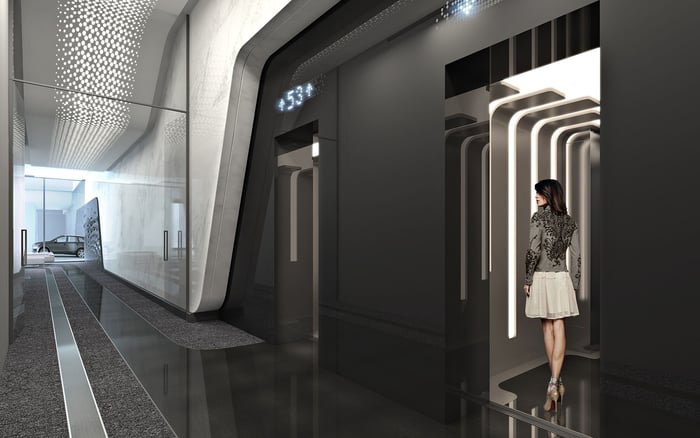
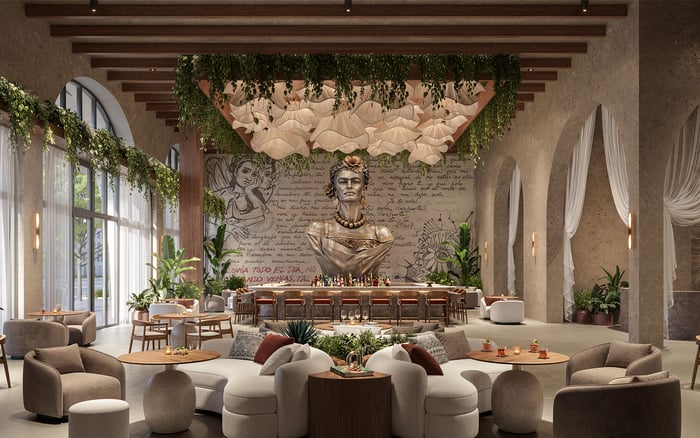
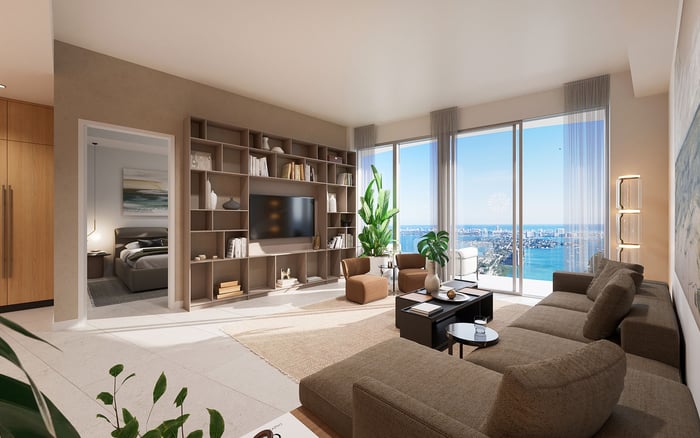
Casa Bella’s art-focused identity is a compelling setting for collectors, but private installations require a separate review. Before closing, establish the approval pathway, verify attachment limits, and obtain the building’s actual vendor-insurance requirements.
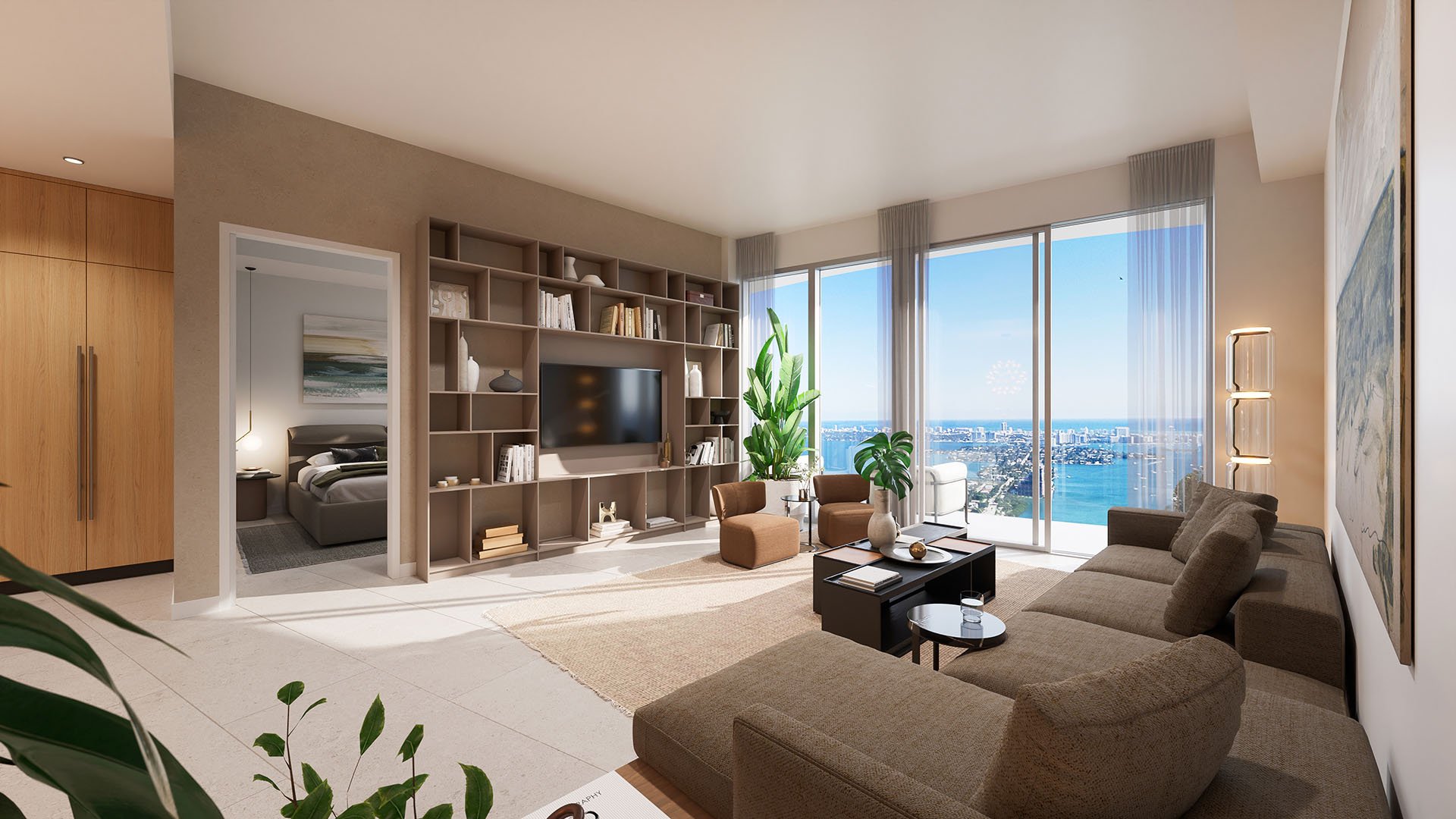
At Casa Bella by B&B Italia Downtown Miami, the appeal for a collector is clear. Located at 1400 Biscayne Boulevard in Downtown Miami, the project is developed by Related Group and Alta Developers, with architecture by Arquitectonica and interiors by Piero Lissoni of Lissoni New York. Its artistic identity includes collaboration with Italian artists and a curated collection of contemporary artwork and sculpture by Italian masters.
That setting is not authorization to install a private collection. A substantial painting, suspended object, or wall-mounted sculpture raises questions the design narrative cannot answer: who approves the work, what the attachment surface can support, and what insurance the installer must provide.
For a buyer whose collection shapes the choice of residence, those questions belong before closing. The objective is not to diminish the aesthetic proposition, but to establish whether a particular piece can occupy its intended location under documented conditions.
Casa Bella’s publicly described amenities include fitness and wellness facilities, pools, landscaped gardens, a cinema, a wine room, and a work-from-home lounge. They help define the residential experience, but do not establish alteration rights within an owner’s residence.
Numerical wall-loading limits, a private-artwork approval workflow, engineering-review and drilling restrictions, and a vendor-insurance checklist remain unverified here. That does not mean internal rules are absent. It means the purchase decision should rest on applicable documents and written responses, not assumptions.
A buyer also considering Aston Martin Residences Downtown Miami should apply the same discipline independently. One property’s permission, installer acceptance, or mounting standard should never be treated as permission at another.
Request the declaration, bylaws, current rules, alteration standards, architectural-review forms, and delivery or move-in procedures. Ask which documents govern private artwork and whether requirements differ for surface-mounted pieces, invasive attachments, ceiling installations, or freestanding sculpture.
Then identify the approval authority. Does management, the association, a designated architectural reviewer, or another authorized party review the submission? Ask who grants final written permission and whether technical review is a separate step. These are questions to resolve, not established Casa Bella procedures.
Describe a specific installation rather than asking whether art is generally allowed. Include the proposed location, dimensions, documented weight, mounting approach, and installer. Ask what further information is required and whether approval remains subject to inspections or conditions.
If a particular work is essential to the purchase, discuss any unresolved approval with counsel before committing. Counsel can advise on timing and contractual protection without treating a preliminary conversation as binding authorization.
No numerical wall-loading allowance for owner-installed artwork has been verified here. A buyer should therefore avoid selecting anchors or accepting a generic installer assurance as evidence that a proposed attachment is permissible.
Request written guidance specific to the actual wall or ceiling substrate and attachment method. Ask the qualified reviewer to distinguish concentrated point loads at individual attachments from the total assembly load. The artwork’s weight alone may not account for the complete assembly; request documentation for the mounting components as well.
Have the installer identify the intended attachment locations and explain the mounting specifications. Ask whether drawings, an engineer’s letter, substrate confirmation, or another technical submission is needed. The building’s requirements and the professional’s assessment should address the proposed configuration, not an unrelated installation elsewhere.
For a Penthouse purchase, the same discipline applies. The residence category does not establish what a wall or ceiling can support. The desired display location should remain provisional until the relevant technical questions are answered.
Before any invasive work, ask what scanning or drilling procedures apply and whether structural elements or post-tensioned areas are implicated. Casa Bella’s restrictions in these categories remain unverified here; neither their presence nor their absence should be assumed for a particular installation location.
Ask the building’s designated reviewer and qualified professionals who may approve penetrations and what documentation is needed. Have counsel and the relevant professionals determine permit obligations and possible effects on fire protection, waterproofing, glazing, or warranties.
For heavy or valuable pieces, commission an installation package with documented weight, mounting specifications, an installation plan, and a condition report. The purpose is to give reviewers a precise proposal and document the artwork’s condition before handling begins.
Collectors comparing One Thousand Museum Downtown Miami can use the same questions while obtaining that property’s own answers. A consistent diligence framework is useful; interchangeable building rules are not.
Start with the building’s actual insurance checklist. Request required coverage types and limits, sample certificate wording, required endorsements, and the exact entities that must be identified where applicable. Do not presume any coverage limit, additional-insured party, or approved-installer roster.
Ask management and your insurance adviser to review the installer’s submission against those requirements. Obtain the requested endorsements as well as the certificate, and clarify what evidence must be accepted before access is granted. Administrative acceptance does not answer every coverage question.
Ask whether subcontractors need separate submissions and whether the installer’s insurance addresses the proposed work. Have your adviser examine artwork handling, transit, installation, and damage responsibility as relevant to the actual policies. Permission to enter the building and protection of the collection are distinct questions.
Confirm freight-elevator reservations, loading access, work hours, deposits, protective measures, and responsibility for damage. Ask who coordinates delivery, which parties must attend, and whether packaging, equipment, or temporary staging requires advance approval.
Before scheduling, seek written alignment between the approved installation plan, accepted insurance documentation, and access arrangements. This is particularly important when a specialist’s visit involves several parties or a piece requires careful handling.
Artwork diligence should sit beside the broader purchase review, not replace it. Examine association finances, reserves, insurance, litigation, and inspection disclosures separately. If rental flexibility matters, verify the short-term rental prohibition against the governing documents before relying on it.
The strongest purchase position is straightforward: a residence selected for its design, with the intended collection assessed against written approvals, technical requirements, and insurance documentation before installation is arranged.
For a considered approach to South Florida’s exceptional residences, explore MILLION.
If branded residences are on your mind — as a home or as an allocation — we would be glad to share what we are seeing, privately.
Begin a quiet conversationCasa Bella is located at 1400 Biscayne Boulevard, Miami, Florida 33132, in Downtown Miami.
The developers are Related Group and Alta Developers. Arquitectonica designed the tower, with interiors by Piero Lissoni of Lissoni New York.
No installation permission should be inferred from its artistic identity. Obtain the applicable rules and written approval for the specific proposal.
The available public materials do not establish numerical limits for owner-installed artwork. Request written guidance for the actual substrate and attachment method.
Request the declaration, bylaws, current rules, alteration standards, architectural-review forms, and delivery or move-in procedures.
The approval authority is not established in the available public materials. Ask who reviews the proposal and who issues final written permission.
That requirement is not publicly established for Casa Bella. Ask the designated reviewer whether the specific mounting proposal requires engineering review or an engineer’s letter.
For heavy or valuable pieces, request documented weight, mounting specifications, an installation plan, and a condition report.
Obtain the building’s actual checklist, sample certificate wording, and required endorsements. Confirm coverage limits and any additional-insured entities rather than assuming them.
Confirm freight-elevator access, loading arrangements, work hours, deposits, protective measures, and damage responsibility. Align these arrangements with written installation approval and accepted insurance documentation.