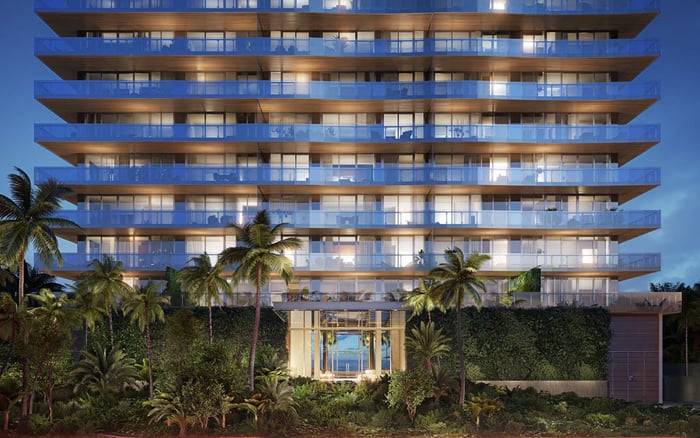
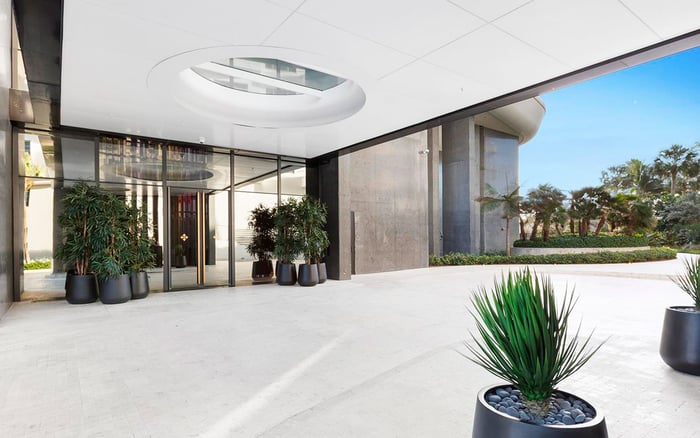
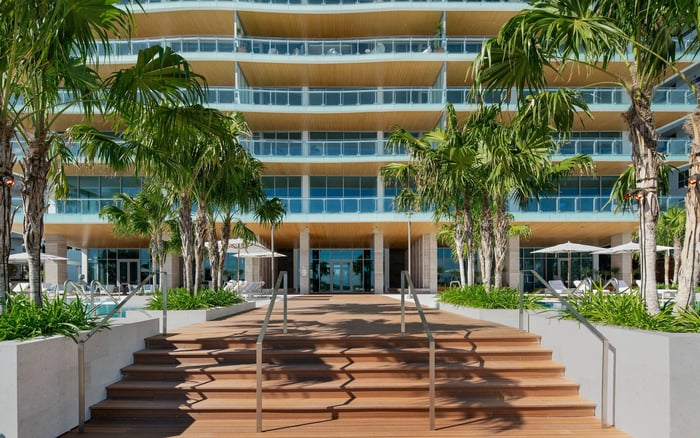
A disciplined framework for evaluating a Faena House penthouse, from terrace waterproofing and rooftop ownership to wind exposure, corrosion, insurance, and association records.
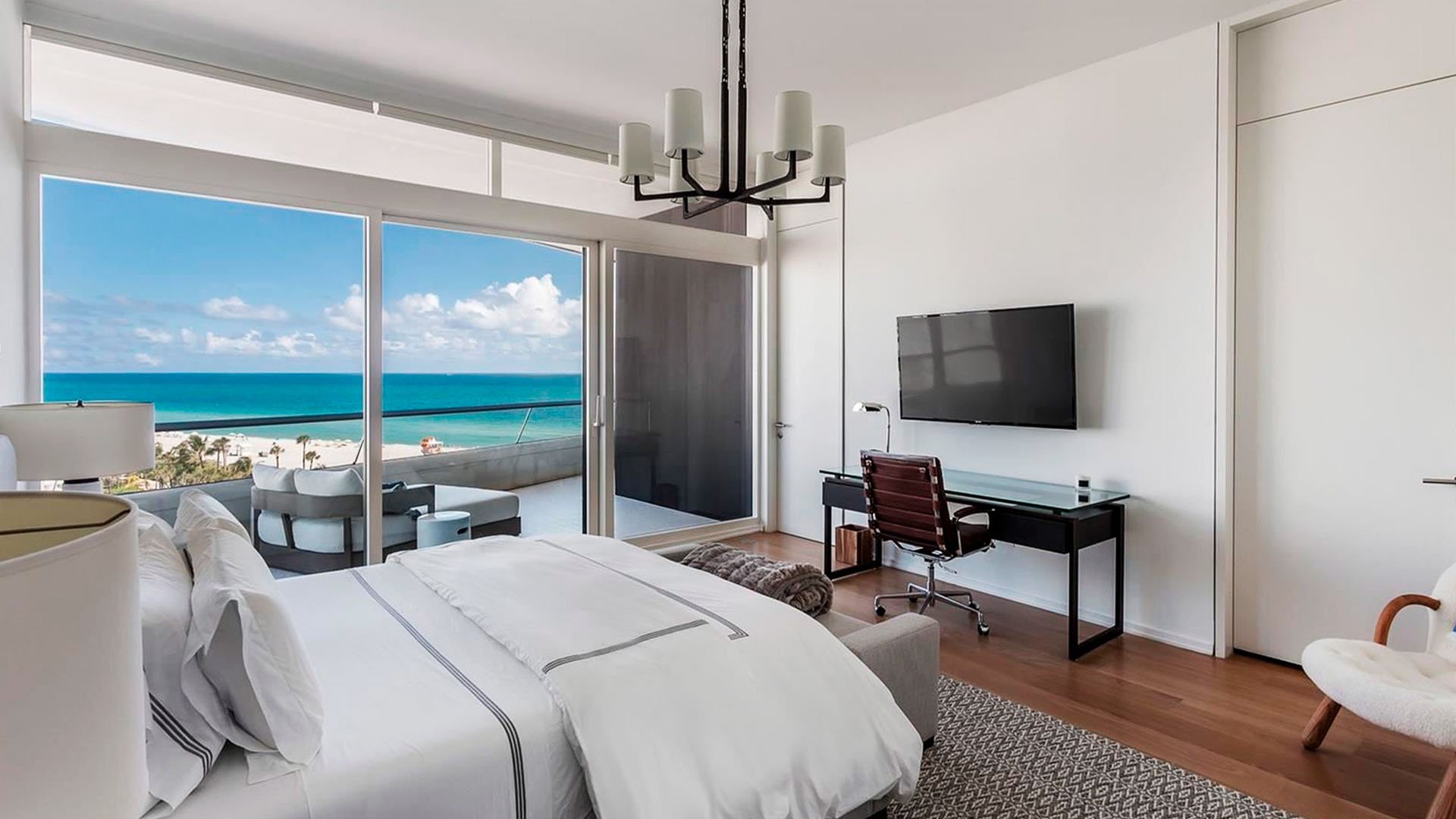
At Faena House Miami Beach, a penthouse purchase demands a broader lens than a conventional interior inspection. The residence occupies an oceanfront setting in Miami Beach, where terraces, exterior openings, rooftop interfaces, and exposed equipment face demanding wind, rain, sun, and salt conditions. These elements warrant the same scrutiny as the interiors, views, and finishes.
The objective is not to presume a defect, but to establish what belongs to the unit, what the association controls, how each component has been maintained, and where future costs may fall. The essential principle is clear: elegant presentation should be matched by documentary clarity and qualified technical review.
A terrace may function as part of the home while carrying a different legal classification. The condominium declaration, bylaws, unit-boundary provisions, and relevant amendments should establish whether an outdoor area is privately owned, a limited common element, or an association-controlled common element.
That distinction can determine who maintains and pays for waterproofing, finishes, railings, drains, and the structural slab. It may also govern approvals for replacing pavers, installing furnishings, modifying landscaping, or accessing an area for repairs. Buyers should ask counsel to reconcile the legal documents with the survey, floor plan, seller representations, and conditions observed on-site.
The same inquiry applies to rooftop space. Exclusive access does not necessarily mean exclusive ownership, and private enjoyment does not automatically assign responsibility for the roof assembly below. Put every conclusion in writing before contract deadlines expire.
Expansive outdoor living areas should be evaluated as complete assemblies, not merely as finished surfaces. A qualified inspection should address visible surface conditions, waterproofing interfaces, drainage paths, penetrations, door thresholds, perimeter details, and transitions between terrace and interior.
Ask whether finishes can be lifted for inspection, whether drains remain accessible, and whether any alterations introduced new penetrations. Standing water, clogged drains, failed sealants, repaired finishes, staining, or leakage near terrace doors should prompt further investigation, not a cosmetic assumption.
This discipline applies across coastal luxury properties. Buyers comparing Apogee South Beach or Setai Residences Miami Beach should follow the same principle: outdoor square footage is most valuable when its drainage, waterproofing, access, and maintenance responsibilities are fully understood.
For a top-floor home, the roof is a neighboring building system. Request records covering membrane age, repairs, inspections, leak history, warranties, open claims, and anticipated replacement timing. Determine whether roof work could require access through the residence or terraces, and whether rooftop equipment sits near bedrooms or entertaining spaces.
Board minutes, budgets, reserve information, engineering materials, permits, maintenance files, and pending-assessment records can reveal completed or contemplated projects involving roofing, façades, waterproofing, railings, terraces, and corrosion remediation. Distinguish routine maintenance from capital work, and confirm whether existing warranties transfer or include notice and servicing conditions.
If the documentation identifies prior water intrusion, follow the path beyond repaired paint. Ask what caused it, who performed the repair, whether moisture testing occurred, and whether the underlying condition was closed out. A dry inspection day does not, by itself, resolve historical leakage.
Oceanfront exposure makes attachment details material. The inspection team should assess accessible pavers, railings, glazing interfaces, rooftop equipment, furnishings, and other exterior components for visible security and deterioration. The question is not simply whether an item feels substantial, but whether its installation, maintenance, and approval history can be documented.
Salt-laden air can accelerate corrosion in exposed metals, fasteners, railings, mechanical equipment, and embedded reinforcement. Look for staining, coating failure, pitting, loose connections, cracked surrounding material, and repeated patching. When warning signs appear, a specialist can help determine whether the issue is superficial, localized, or warrants broader engineering review.
Buyers considering newer coastal offerings such as The Perigon Miami Beach should ask comparable questions. Newness, prestige, and design quality do not replace careful review of exterior specifications, maintenance obligations, warranties, and storm protocols.
A well-structured inspection should combine the interior review with qualified evaluation of accessible terraces, roof interfaces, drainage paths, exterior openings, and visible corrosion. Coordinate access early. Some areas may require association permission, building personnel, or specialists; inaccessible conditions should be identified rather than silently excluded.
Insurance review should address hurricane and wind coverage, deductibles, exclusions, loss-assessment exposure, and responsibility for exterior improvements. Confirm whether owner-installed terrace features or finishes require separate coverage and how a loss involving both unit property and common elements would be handled.
Finally, compare technical observations with the governing documents and association records. A maintenance clause, reserve line, warranty, or board discussion can materially change the interpretation of an inspection finding. The strongest diligence file connects physical condition, legal responsibility, insurance treatment, and likely cost allocation.
Before closing, assemble the declaration, bylaws, amendments, unit boundaries, budgets, reserve materials, board minutes, engineering records, permits, warranties, insurance policies, and assessment information. Add invoices and written explanations for relevant seller repairs, terrace alterations, leaks, or insurance claims.
Organize unresolved items by responsible party, supporting document, deadline, and potential remedy. The result is a practical record for contract negotiations and future ownership. In a residence where outdoor space is central to the experience, precision about the roof and terraces protects both enjoyment and stewardship.
Who owns a penthouse terrace at Faena House? Ownership should be confirmed through the condominium declaration, unit boundaries, amendments, and other governing documents.
Does exclusive rooftop access mean the buyer owns the roof? Not necessarily. The area may be unit property, a limited common element, or an association-controlled common element.
Who may be responsible for terrace waterproofing? Responsibility for waterproofing, finishes, railings, drains, and structural slabs should be traced through the condominium documents.
What roof records should a buyer request? Request records covering membrane age, repairs, inspections, warranties, leaks, permits, claims, and anticipated replacement timing.
What can indicate prior water intrusion? Stains, repaired finishes, terrace-door leakage, failed sealants, clogged drains, and documented roof-related claims merit follow-up.
Why do terrace drains deserve close attention? Drainage is integral to the waterproofing system, and blocked or poorly functioning paths can contribute to standing water and intrusion.
Which exterior items warrant wind review? Review attachment details for pavers, railings, glazing, rooftop equipment, furnishings, and other exposed components.
What are common visible signs of coastal corrosion? Rust staining, pitting, coating failure, loose fasteners, cracked adjacent material, and repeated repairs can justify specialist review.
Which association materials are most useful? Board minutes, budgets, reserve information, engineering records, permits, warranties, insurance policies, and assessment records provide essential context.
How should insurance fit into penthouse diligence? Review wind coverage, hurricane deductibles, exclusions, loss-assessment exposure, and coverage responsibility for exterior improvements.
To compare the best-fit options with clarity, connect with MILLION.
If branded residences are on your mind — as a home or as an allocation — we would be glad to share what we are seeing, privately.
Begin a quiet conversation