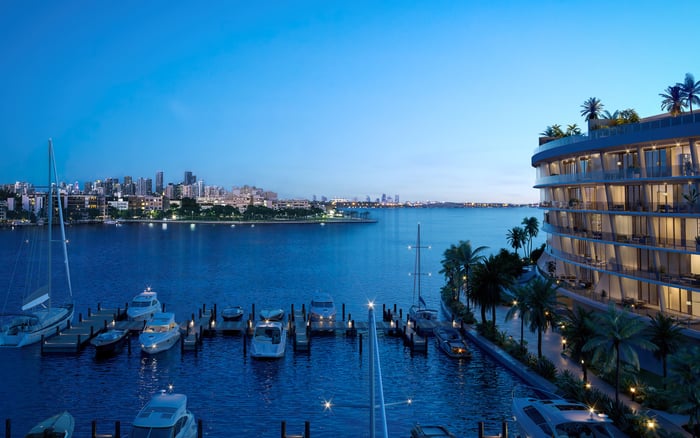
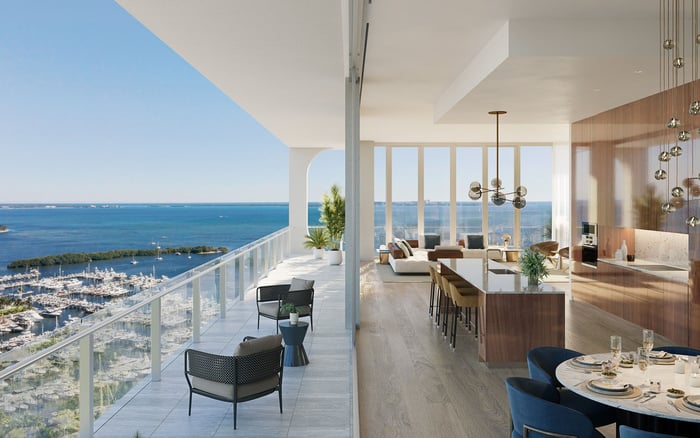
For seasonal buyers, the strongest Coconut Grove residence is the one whose service model, access protocols, maintenance practices, and governance support an effortless lock-and-leave routine.
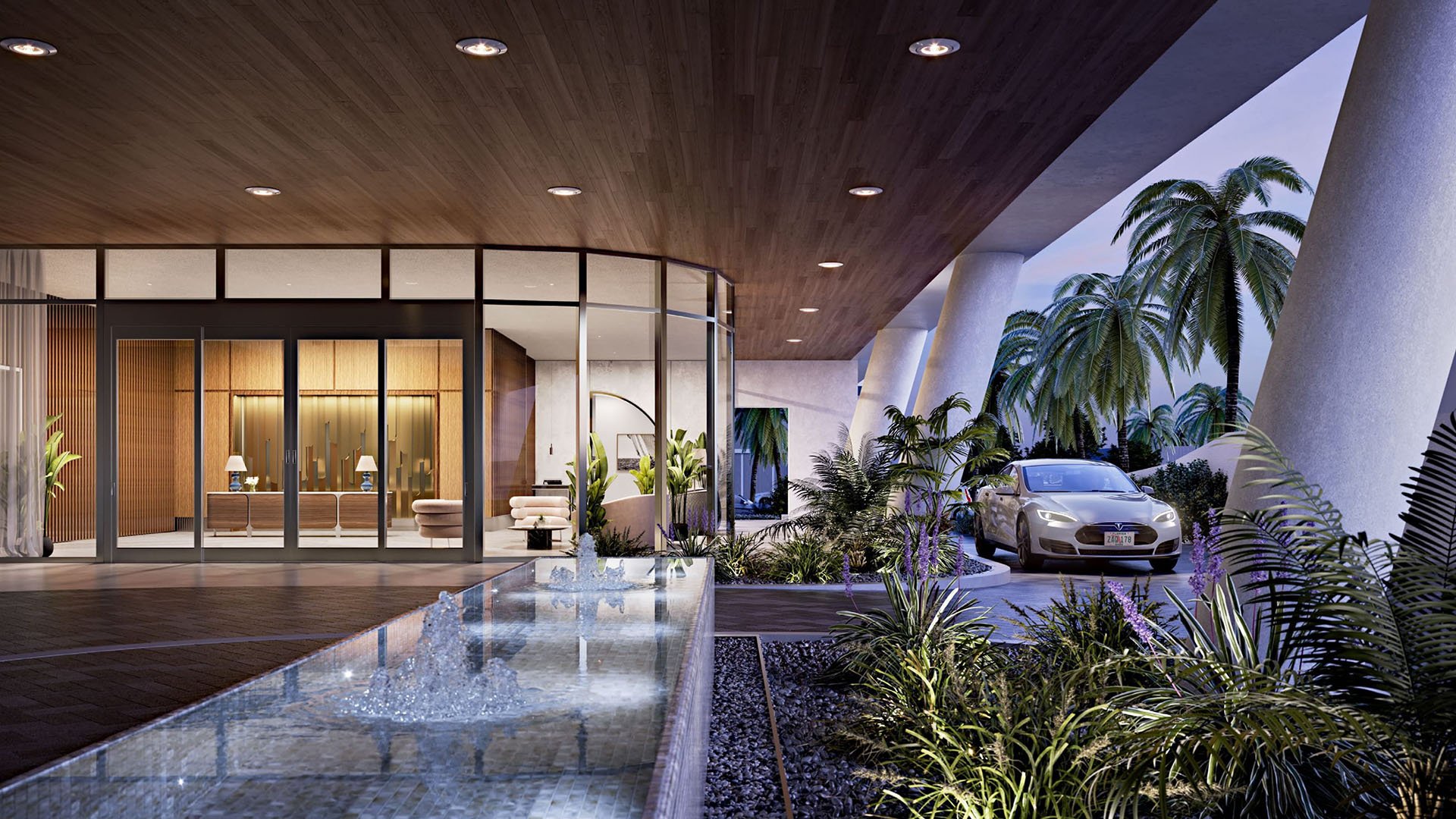
For a second-home owner, luxury is not simply a beautiful residence waiting in Coconut Grove. It is the confidence that the home will remain secure, maintained, and prepared through long absences-and feel immediately ready upon arrival. The best branded residence, therefore, is not automatically the most visible name. It is the property whose operating structure fits the owner’s calendar.
That distinction matters. Seasonal use places unusual demands on access, maintenance, deliveries, housekeeping, guest permissions, vehicles, pets, and pre-arrival preparation. A residence may make a compelling first impression yet create unnecessary friction when routine requests require multiple approvals or responsibilities are divided ambiguously among the building, an operator, and outside vendors.
Within Coconut Grove, branded residences should be evaluated as operating environments, not merely as collections of amenities. The defining question is simple: What happens when the owner is not there?
A concise review can begin with Four Seasons Residences Coconut Grove, Vita at Grove Isle, and The Well Coconut Grove. Each should be assessed against the same buyer-specific standards rather than treated as part of a universal ranking.
For every property, confirm which services extend to private residences, how requests are handled, what is included, and what carries a separate charge. Service execution, residence selection, and governance should carry more weight than branding alone.
A serious second-home review should trace the residence through a complete seasonal cycle. Begin with departure. Ask how the building handles keys, vendor access, package accumulation, vehicle care, storm preparation, water shutoff procedures, climate settings, and urgent entry. Determine who can inspect the home and how the owner is notified when attention is required.
Then examine arrival. Can groceries, flowers, linens, housekeeping, and private staff be coordinated before the owner lands? Is authorization managed through a single contact or across several departments? Are late arrivals handled consistently? If family members arrive separately, can permissions be arranged without repeated owner intervention?
The most persuasive answer is not a broad assurance of service. It is a clear sequence of responsibility, communication, timing, and cost. Request written descriptions where available, then ask management to walk through realistic scenarios. Operational clarity is one of the most valuable forms of discretion.
The brand may shape expectations, but the governing documents define the ownership experience. With qualified advisers, review the condominium declaration, rules, management agreements, service schedules, fee structure, insurance obligations, leasing provisions, pet policies, renovation procedures, and guest-access standards.
Pay particular attention to the distinction between included and à la carte services. Ask whether residential staff are dedicated, shared, or supplied through another operation. Confirm hours, response protocols, gratuity customs, reservation procedures, and any limitations during peak periods. New-construction buyers should also distinguish between the sales presentation and the final documents governing delivery and operation.
Brand continuity deserves equal scrutiny. Understand which protections, transition provisions, or owner rights apply if management arrangements change. The objective is not to predict every possibility, but to identify where the promise resides contractually and where it depends on current practice.
Lifestyle alignment begins inside the unit. A seasonal owner may prefer a residence that is straightforward to close, monitor, and reopen. Consider the number of terraces and exterior doors, storage for personal effects, staff accommodations, service access, smart-home controls, mechanical systems, and the practical care requirements of finishes and furnishings.
Waterfront orientation can be emotionally compelling, but exposure, exterior maintenance, and insurance responsibilities warrant equal attention. Ask how terrace furniture, glazing, generators, elevators, and common areas are managed during severe-weather preparations. Avoid assumptions based on appearance or location alone.
The right floor plan should also reflect the household’s guest pattern. A couple who occasionally hosts adult children has different needs from a multigenerational household arriving with staff and pets. Privacy between bedroom suites, elevator access, parking logistics, and storage may matter more than nominal square footage.
Before selecting a residence, build a concise scorecard around five categories: absence care, arrival readiness, service clarity, governance, and unit practicality. Weight each according to actual use rather than resale narratives or amenity counts.
Next, test three scenarios with the sales or management team: an owner arriving with 24 hours’ notice, a maintenance issue discovered during a two-month absence, and a guest seeking access while the owner is abroad. Record who acts, which authorizations are required, how quickly communication occurs, and which charges may apply.
The strongest choice will feel coherent across documents, personnel, and physical design. For seasonal ownership, low friction is not an abstract promise. It is the cumulative result of small systems working predictably, privately, and with minimal owner supervision.
What makes a branded residence suitable for seasonal use? A suitable property combines clear access procedures, dependable residence care, responsive communication, and a unit that can be closed and reopened efficiently.
Is the most famous brand always the best choice? No. Brand recognition matters less than the services, costs, rules, and management practices that apply to the private residence.
Which documents deserve the closest review? Focus on the declaration, rules, management agreements, fee schedules, insurance obligations, leasing terms, and written service descriptions.
What should owners ask about pre-arrival service? Ask who coordinates housekeeping, groceries, linens, deliveries, guest permissions, vehicle preparation, and access for private staff.
How should buyers compare monthly costs? Separate mandatory assessments from optional services, then estimate costs based on the household’s realistic seasonal routine.
Why does residence layout matter for a lock-and-leave home? Layout affects privacy, guest flow, storage, staff access, terrace care, and the complexity of preparing the home after an absence.
Should buyers evaluate storm procedures? Yes. Clarify responsibility for the residence, terraces, exterior items, communications, access, and post-event inspections.
Are guest and family access rules important? Yes. Seasonal owners should understand authorization procedures, overnight policies, parking, elevator access, and rules for unaccompanied guests.
How can a buyer test service before committing? Present realistic arrival, absence, and maintenance scenarios, then compare the specificity and consistency of each response.
What is the final decision criterion? Choose the residence whose documented operating model best matches the owner’s calendar, household, privacy expectations, and tolerance for oversight.
For a tailored shortlist and next-step guidance, connect with MILLION.
If branded residences are on your mind — as a home or as an allocation — we would be glad to share what we are seeing, privately.
Begin a quiet conversation