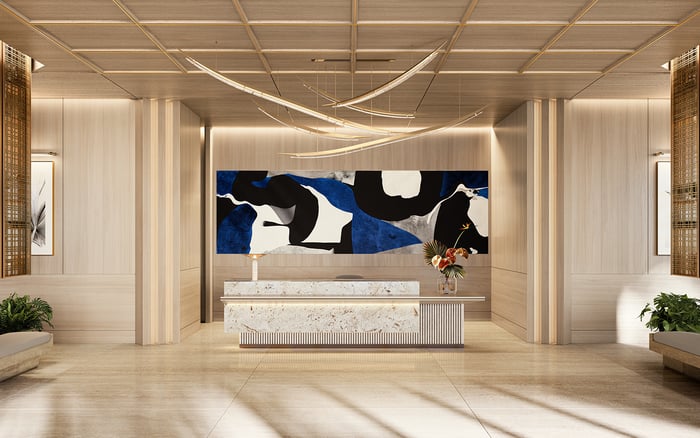
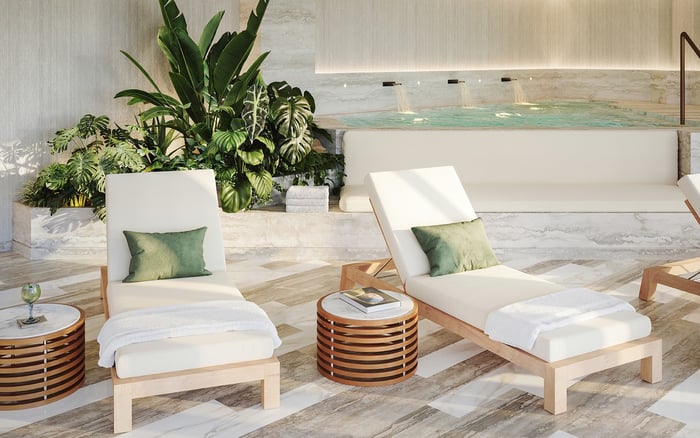
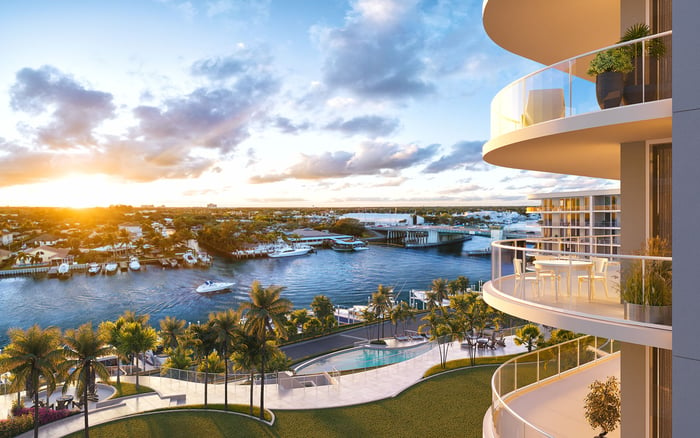
Palm Beach and Miami can both deliver an exceptional South Florida life, but they operate on different social systems. One is organized around private clubs, seasonal traditions, and discreet codes of belonging; the other is built on global dining, high-energy nightlife, and a denser, more public urban rhythm. For buyers weighing a primary residence, a winter base, or a legacy second home, the lifestyle differences often matter as much as the floor plan.
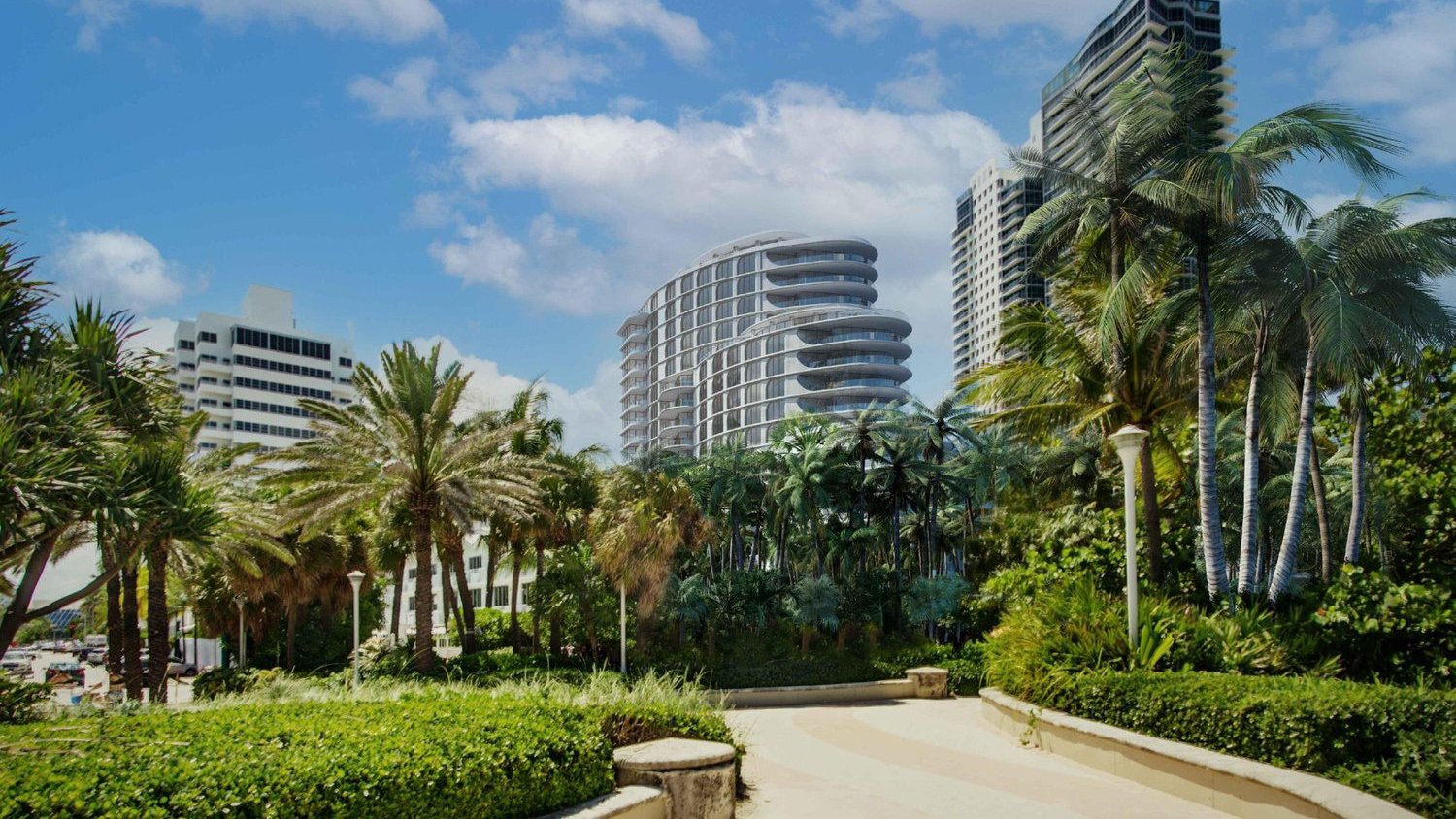
Luxury buying in South Florida often starts with the obvious filters: water views, security, service, and airport access. In Palm Beach and Miami, though, the decision frequently turns on something less visible and more decisive: the social architecture that surrounds the home.
Palm Beach’s resort identity is closely tied to Henry Morrison Flagler, whose influence helped shape elite winter tourism and the modern “season” culture. That legacy still shows up in how people connect: quieter, more scheduled, and often mediated through membership. Miami reads as a contemporary international city, with social energy built around multicultural dining and a nightlife-forward ecosystem of venues. The difference is not only pace. It is the mechanics of access.
What follows is a buyer-oriented lens on how these systems influence privacy, networking, daily rhythm, and the type of residence that tends to feel genuinely livable.
Palm Beach County is known for its concentration of private golf and country clubs. In practice, many function as full social hubs, not simply athletic amenities. For a portion of households, the club is the dining room, the weekend plan, and the place where relationships consolidate year after year.
Because of that, club proximity and membership pathways belong in the same conversation as lot size and ceiling height. A club lifestyle is also a financial and procedural commitment. Initiation fees are often compared in the six-figure range depending on the club and membership type, and the process can involve timelines and steps that are easy to underestimate.
Exclusivity can be formalized. The Bear’s Club in Jupiter, for example, positions itself as a private club and directs prospective members through a structured membership inquiry process. For a newcomer, that structure can determine how quickly social life becomes steady, which changes what “move-in ready” really means.
Seasonality reinforces the pattern. Beyond golf, Palm Beach’s winter and spring calendars lean into philanthropic and sport traditions. The region’s polo schedule is promoted as a marquee social-sport ritual, and the Gauntlet of Polo runs as a multi-tournament series. Ticketing and seating options are publicly posted, from general admission to premium formats, which helps buyers gauge how public their weekends may feel. The gala circuit adds its own recurring rhythm: formal dress codes, predictable dates, and a social map that is intentionally repeatable.
If clubs are the mechanism, Worth Avenue is the stage. Its official directory highlights a walkable corridor of luxury boutiques that sustains a long-running see-and-be-seen retail culture. The mix spans major houses such as CHANEL, Gucci, and Salvatore Ferragamo alongside specialty retailers, which is why a simple stroll can still feel like an appointment.
The prevailing style code tends to be polished resort wear: light fabrics, crisp whites or bright color, and silhouettes designed for daytime socializing. In more traditional circles, the “old money” aesthetic is typically framed as heritage-driven and understated, with quieter signals preferred over loud branding.
For buyers, that cultural preference is not superficial. It can influence where you feel comfortable dining, what kinds of gatherings you host, and even the way a property should present itself. In Palm Beach, homes that are impeccably finished yet not performative often align with the local mood.
Miami’s social life is shaped by multicultural dining, with Latin American and Caribbean influences woven into neighborhoods and restaurant scenes. The social map is more public and more fluid than Palm Beach’s. Instead of being anchored to a single institution, circles overlap through reservations, openings, and late nights, and new favorites can emerge quickly.
Neighborhood geography matters. Profiles of Wynwood, for example, highlight Miami’s international character, including a high share of foreign-born residents and Spanish spoken at home. The same profile notes Wynwood’s heavily apartment and high-rise residential mix, matching Miami’s denser, urban rhythm. In luxury terms, the market often runs vertical: lobbies, elevators, and rooftops can be as relevant to daily life as private greens.
Nightlife is also not incidental. It functions like infrastructure. LIV Nightclub at Fontainebleau Miami Beach publishes late operating hours consistent with the city’s late-night culture, and third-party nightlife guides commonly cite cover charges in the approximate $60 to $100 range on many nights. Downtown, E11EVEN is presented in official tourism guidance as a signature nightlife experience, and its own positioning emphasizes an all-night format and entertainment programming. The buyer takeaway is not the venues themselves. It is that Miami belonging can be purchased à la carte, night to night, without the lead time and formality of a private club.
Palm Beach and Miami both deliver exclusivity, but they deliver it through different contracts.
In Palm Beach, exclusivity is often membership-gated. Mar-a-Lago, as a visible example, operates as a private club with dining, spa, beach and pool access, guest accommodations, tennis, and programmed entertainment. It also markets reciprocal privileges across multiple Trump properties, reflecting how some clubs bundle access and status across locations. Trump National Golf Club Jupiter lists multiple membership categories tied to amenities and club access, reinforcing the idea that social options can be structured by tiers.
In Miami, exclusivity is more commonly experience-gated. Tables, concierge relationships, and repeat presence can create familiarity, but the entry point is fundamentally more open. The rooftop ecosystem illustrates the dynamic. Rosa Sky in Brickell promotes a sunset-focused rooftop format with DJs, cocktails, tapas, and events, framing social life around a venue circuit rather than membership institutions.
The decision point for buyers is direct: do you prefer a social life curated through long-term membership and familiar rooms, or one curated through constant novelty and public-facing spaces?
When the social calendar is organized differently, the best-fitting home type changes with it.
In Palm Beach, many buyers prioritize privacy, controlled arrivals, and continuity through the season. The home often functions as an extension of club life: a place to host quietly before dinner, reset between events, and preserve personal routines away from public attention.
In Miami Beach, a residence can operate more like a resort command center. Service culture, a strong lobby experience, and walkable proximity to dining and nightlife carry real lifestyle value. If your weeks are built around dinners, rooftops, and spontaneous gatherings, the building’s operational polish becomes part of the appeal.
For buyers drawn to newer, hospitality-forward Miami Beach living, Shore Club Private Collections Miami Beach reflects the city’s preference for seamless transitions between home and social life. For a more established ultra-luxury posture in the same broader orbit, Setai Residences Miami Beach remains a recognizable benchmark for those who want discretion with an address that still plays globally.
A different profile gravitates to branded ease and day-to-day predictability, particularly when Miami is a second or third home. In that case, The Ritz-Carlton Residences® Miami Beach aligns with buyers who want consistent service expectations and a lower-variance ownership experience.
And for those who equate Miami Beach with the ocean itself, an oceanfront-first lens can be as important as the social one. 57 Ocean Miami Beach can be evaluated in that context, where daily life orbits shoreline proximity and the quieter luxury of natural light and salt air.
Luxury buyers rarely choose Palm Beach or Miami on aesthetics alone. A more reliable approach is to pressure-test lifestyle fit with a few specific questions.
First, define your primary social engine. If golf is central to your identity and networking, Palm Beach’s club density can be a structural advantage. If connection for you means dining, art, and a calendar that can change daily, Miami’s public social map may feel more natural.
Second, decide how you want access to work. In Palm Beach, access is often earned through time, sponsorship, and formal processes. In Miami, access is frequently transactional and immediate, with bars and lounges operating as repeatable entry points.
Third, consider how public you want your luxury to be. Palm Beach tends to reward understatement and continuity. Miami is comfortable with presence and scale. Calle Ocho Festival in Little Havana is widely described as drawing more than a million attendees, a reminder that Miami celebrates in public at a magnitude Palm Beach typically does not.
Finally, weigh seasonality. Palm Beach is most legible in winter and spring, with polo and gala calendars setting the tempo. Miami runs year-round and late, with a social metabolism that is less dependent on a single “season.”
Which market feels more private day to day, Palm Beach or Miami? Palm Beach typically feels more private because social life is often club-mediated and less public-facing.
Is Palm Beach social life really centered on clubs? Often, yes. Private golf and country clubs in Palm Beach County commonly function as social hubs.
Do I need to budget for club initiation fees in Palm Beach? Many buyers do, since club buy-ins are often compared in the six-figure range depending on the club and membership type.
What is the “season” in Palm Beach? It generally refers to the winter period when many second-home owners return and the social calendar intensifies.
What are the most recognizable public social corridors in Palm Beach? Worth Avenue is a central retail and social corridor, with luxury boutiques concentrated in a walkable district.
What defines Miami’s social scene? Multicultural dining and a nightlife ecosystem across neighborhoods are core, with venues operating late and hosting frequent events.
How does Wynwood fit into the lifestyle conversation? Wynwood reflects Miami’s international character and denser, high-rise residential pattern, which supports a more urban, walkable social rhythm.
Is Miami exclusivity mostly membership-based like Palm Beach? Less so. Miami exclusivity is often experience-based, shaped by reservations, tables, and repeat venue relationships.
What is a clear sign I will prefer Miami Beach living? If you want service-forward buildings and close proximity to dining and nightlife, Miami Beach can function like a luxury resort base.
Who can help me compare Palm Beach and Miami homes discreetly? Explore your options with MILLION Luxury.
If branded residences are on your mind — as a home or as an allocation — we would be glad to share what we are seeing, privately.
Begin a quiet conversation