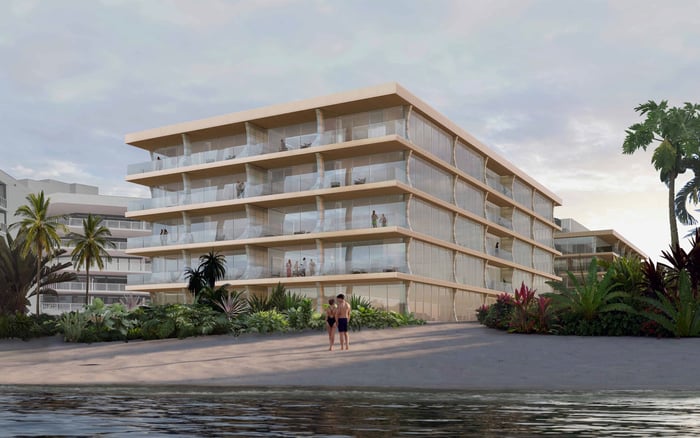
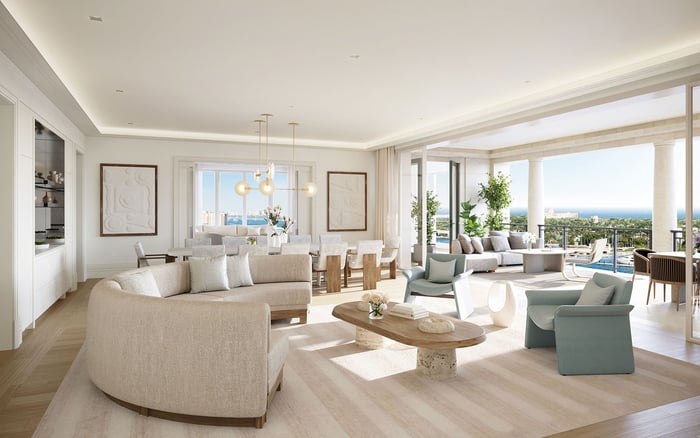
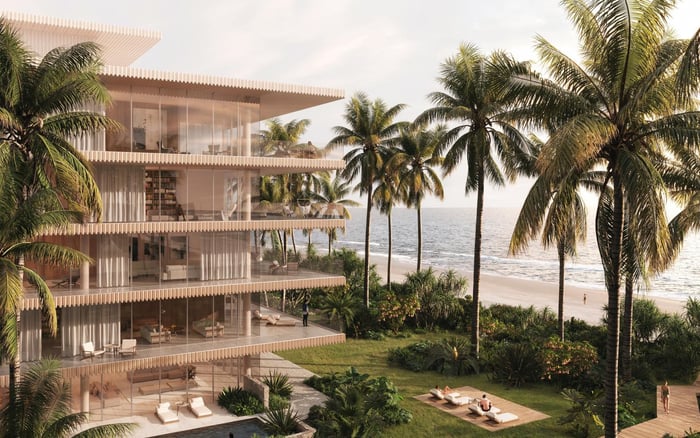
A buyer-focused guide to Palm Beach new construction for $3M+ purchasers, covering geography, scarcity, resilience, association economics, and resale discipline.
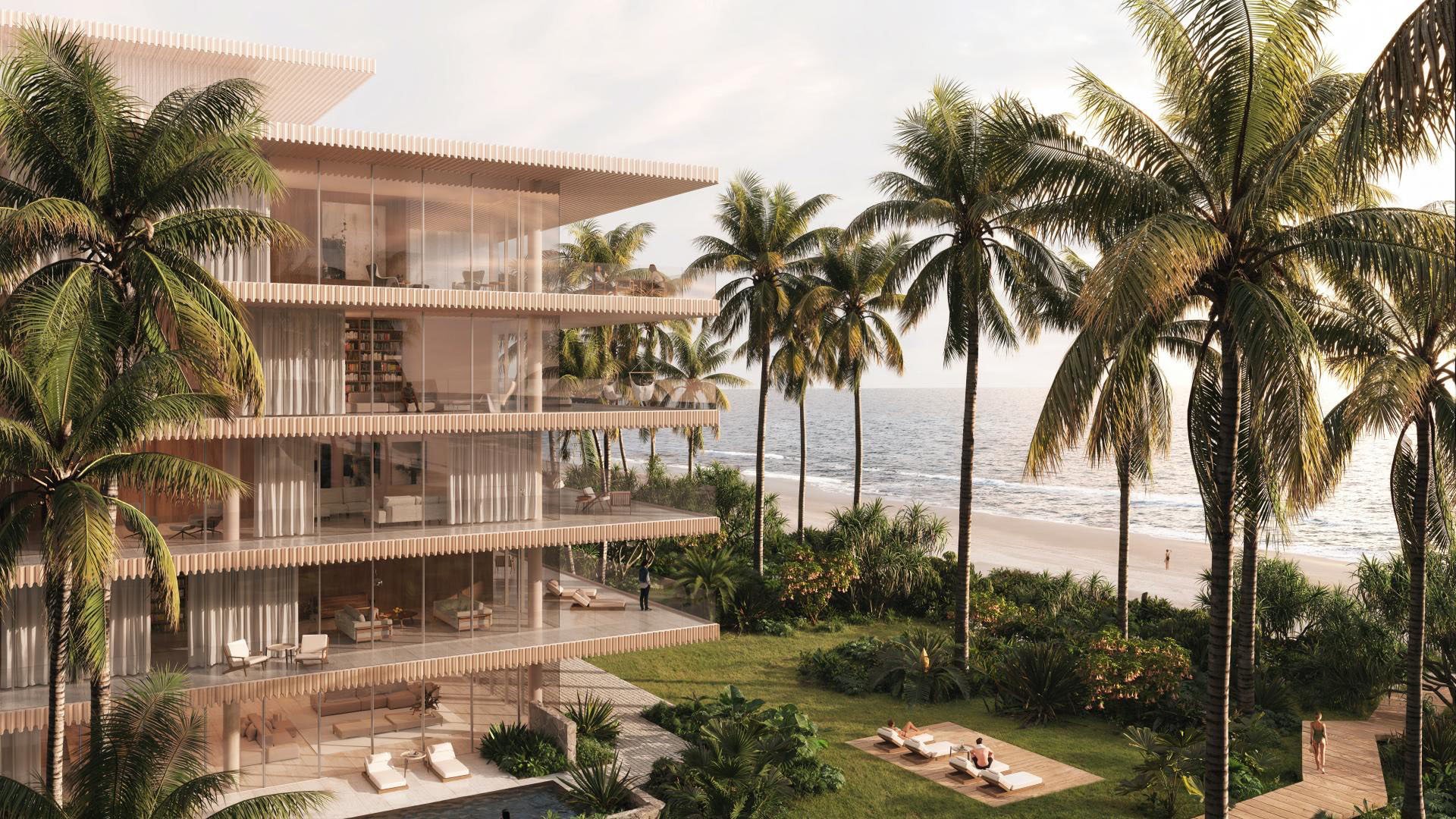
Palm Beach is not one market. “Palm Beach” may function as a search label, but in practice it describes a set of very different ownership realities. A buyer considering a $3M+ residence should first distinguish the Town of Palm Beach barrier island from the broader Palm Beach County universe, including West Palm Beach, Palm Beach Gardens, Jupiter, and other mainland or coastal submarkets.
That distinction is not cosmetic. The Town of Palm Beach is constrained by scarce land, strict zoning, height limits, design review, and historic-preservation considerations. As a result, true new construction on the island often means boutique infill, redevelopment of older sites, or carefully scrutinized spec-home work rather than broad, tower-driven expansion.
Beyond the island, the county can appear to offer a deeper field of new inventory. Yet even there, the most coveted attributes remain scarce: waterfront exposure, oceanfront positioning, Intracoastal views, walkable in-town locations, and the right combination of privacy and service. Buyers who treat the county as a single map often overestimate choice and underestimate how quickly quality narrows.
For mainland comparison, residences such as Alba West Palm Beach and Forté on Flagler West Palm Beach help illustrate why West Palm Beach has become part of the larger Palm Beach conversation, particularly for buyers seeking new layouts, water orientation, and proximity to the island without assuming the island’s supply profile.
New-construction appeals to the modern luxury buyer for clear reasons. At the $3M+ level, many purchasers want open kitchens, larger primary suites, deeper balconies, better storage, smart-home integration, and plans designed for extended stays rather than purely seasonal use. Older Palm Beach buildings may reflect a different era of pied-à-terre living, when smaller kitchens, compact service areas, and abbreviated storage were more acceptable compromises.
Newness, however, is not the same as certainty. Buyers should study construction quality, elevation, engineering, glazing, mechanical placement, water-management details, roof systems, and the logic of the building envelope. Impact glazing and updated structural standards may provide advantages over older housing stock, but not all new buildings perform equally.
The same discipline applies to single-family new construction. A newly built or recently redeveloped home may offer desirable ceiling heights, a modern kitchen, integrated technology, and contemporary indoor-outdoor living. The buyer still needs to understand siting, drainage, roof detailing, mechanical systems, and how the home is expected to perform through South Florida weather cycles.
This matters because buyers at this price point are not merely choosing finishes. They are allocating capital across competing lifestyle markets, often comparing Palm Beach options with Manhattan, Miami Beach, the Hamptons, Aspen, London, and other global luxury addresses. In that context, a residence must deliver quality, resilience, and long-term relevance, not just a persuasive presentation gallery.
Marketing can make the new-construction field appear broad. In practice, the list contracts once a buyer filters for view corridor, floor elevation, unit stack, waterfront exposure, terrace depth, privacy, service model, and association economics. A building may be new, but the preferred line, exposure, or floor may be limited.
This is why experienced buyers often move from “What is available?” to “Which specific residence holds up?” A lower floor with compromised views may not compete with a higher, better-oriented home in the same building. A residence with the right floor plan but weak association economics may become less attractive over time. A beautiful unit in a less scarce location may not offer the same long-term liquidity as a more singular address.
The distinction also matters when comparing the island with nearby submarkets. Palm Beach Residences speaks to the desire for the Palm Beach identity itself, while The Ritz-Carlton Residences® Palm Beach Gardens reflects how a broader county address can appeal to buyers who want new construction, service, and a different lifestyle rhythm. Both can belong in a search, but they should not be evaluated as interchangeable.
Boutique supply deserves particular attention. Smaller projects may offer intimacy and privacy, but buyers should look closely at reserves, staffing assumptions, maintenance planning, insurance, and how operating costs are spread across fewer owners. Scale can influence service delivery and association resilience, especially as a building matures beyond its initial launch period.
For condominium buyers, the monthly experience is shaped by more than architecture. Dues, reserves, insurance, staffing, assessments, maintenance schedules, and building-management philosophy can materially affect lifestyle and resale value. A $3M+ residence with weak financial planning can become a frustrating ownership experience even if the home itself is beautiful.
New construction may offer more predictable near-term capital expenditures than older properties, but buyers should still examine warranties, maintenance assumptions, reserve policies, and the long-term cost of operating amenities. A pool, attended lobby, valet program, spa, private dining room, marina interface, or extensive service platform all require funding and execution.
Insurance deserves particular care. Climate and insurance risk should be evaluated alongside finishes, floor plans, and amenities because operating costs can materially influence the quality of long-term ownership. A buyer focused only on purchase price may miss the more important question: how does this asset behave financially after closing?
Waterview and oceanfront residences can command emotional premiums, but those premiums should be underwritten carefully. The most desirable exposures are scarce, and scarcity supports liquidity, yet proximity to water also makes engineering, maintenance planning, and insurance review more important. In Palm Beach, beauty and discipline are not opposites; they are companions.
Investment thinking in Palm Beach should not strip the purchase of pleasure. The point is to make sure the lifestyle asset is durable. For $3M+ buyers, long-term liquidity depends not only on newness but on location quality, views, floor-plan relevance, building reputation, service levels, and scarcity.
This is also why Florida residency, tax planning, and wealth diversification often enter the conversation. Many buyers relocating from higher-tax states are making a broader allocation decision, not simply selecting a winter residence. The home must support the family’s lifestyle, but it may also sit within a more complex balance sheet.
The strongest approach is to ask whether a specific home or residence delivers enough quality, resilience, lifestyle value, and future relevance to justify a multimillion-dollar allocation. If the answer depends only on being new, the analysis is incomplete. If the answer rests on location, construction, service, view, association strength, and scarcity, the buyer is closer to understanding the real value.
Is Palm Beach new construction plentiful above $3M? No. Supply is limited in the Town of Palm Beach, and broader county inventory narrows quickly once buyers filter for location, views, and quality.
Should buyers compare the Town of Palm Beach with West Palm Beach? Yes, but not as identical markets. The island and mainland offer different scarcity profiles, lifestyle rhythms, and ownership considerations.
Does new construction mean lower risk? Not automatically. Buyers still need to review construction quality, elevation, engineering, glazing, mechanical placement, and water-management details.
Why are older Palm Beach buildings sometimes less suitable for modern buyers? Some were designed around seasonal pied-à-terre use, with layouts and storage that may not match today’s year-round or extended-stay preferences.
What matters most in a new condominium association? Dues, reserves, insurance, staffing, assessments, maintenance planning, and service execution can all affect ownership quality and resale value.
Are waterfront and oceanfront homes still scarce outside the island? Yes. Even where broader Palm Beach County has more land, prime water exposure and walkable in-town locations remain limited.
How should a buyer think about storm resilience? Newer properties may offer stronger glazing, roofing, and structural standards, but each building or home should be reviewed on its own merits.
Do $3M+ buyers usually compare Palm Beach with other luxury markets? Often, yes. Palm Beach may be weighed against Miami Beach, Manhattan, the Hamptons, Aspen, London, and other premium destinations.
What supports long-term liquidity in Palm Beach residences? Location, views, floor-plan relevance, service levels, building reputation, scarcity, and association strength matter more than newness alone.
What is the central question before choosing new construction? The buyer should ask whether the specific residence delivers enough quality, resilience, lifestyle value, and future relevance to justify the allocation.
When you're ready to tour or underwrite the options, connect with MILLION.
If branded residences are on your mind — as a home or as an allocation — we would be glad to share what we are seeing, privately.
Begin a quiet conversation