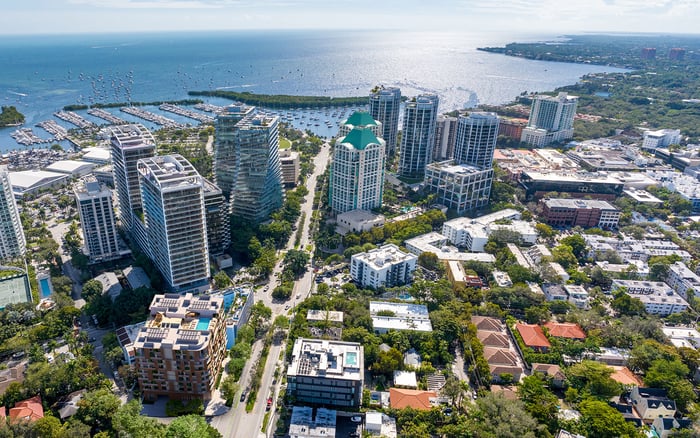
In Coral Gables, the most elegant acquisition can carry a materially different ownership profile once wind coverage, flood exposure, deductibles, exclusions, and property resilience are examined together. A disciplined insurance review belongs beside inspection, title, financing, and reserve planning, not after them.

A Coral Gables purchase is often assessed through architecture, land, privacy, renovation potential, and proximity to the city’s cultural and commercial center. Insurance deserves equal weight. The annual premium matters, but it represents only one element of the buyer’s retained risk.
Wind coverage, flood considerations, deductibles, exclusions, property condition, and available reserves should be evaluated as one system. This is especially important across Estates & Single-Family properties, where two similarly priced homes can carry markedly different coverage terms and potential out-of-pocket obligations.
This entry in MILLION’s Buyer's Guides is not a substitute for insurance, legal, engineering, or financial advice. It offers a framework for asking sharper questions while the buyer still has meaningful choices.
Do not assume a single policy quotation resolves every risk question. Ask an insurance adviser to identify each proposed policy, the peril it addresses, its limits and deductible, and its principal exclusions. Then request a plain-language explanation of how the policies interact.
The objective is to uncover gaps and overlaps before they become closing issues. A polished summary page can obscure meaningful distinctions involving covered property, valuation method, temporary living costs, landscaping, detached structures, water intrusion, and required mitigation. Buyers should also confirm whether planned improvements could affect underwriting or coverage.
For financed acquisitions, coordinate this review with the lender early. The lender’s minimum requirements and the owner’s preferred protection are not necessarily the same.
A flood-zone designation should prompt investigation, not dictate the conclusion. Review the property’s available documentation, elevation information, drainage conditions, prior improvements, and the insurability of the specific structure. Ask qualified advisers what further diligence is appropriate for the parcel.
Waterfront ownership warrants particular care, but non-waterfront status should not end the inquiry. In Coral Gables, a buyer comparing an established house with a residence at Ponce Park Coral Gables should assess each asset through its own documentation and proposed coverage rather than rely on neighborhood-level assumptions.
Flood considerations can also shape the Investment thesis. They belong in the same model as maintenance, capital projects, financing, and the buyer’s desired reserve position.
A deductible is retained exposure, not fine print. Ask for every deductible to be expressed in dollars under realistic claim scenarios, including any deductible calculated by formula or tied to a specific peril. Confirm the value used as the basis of that calculation and whether multiple deductibles could apply to a single event.
Then test liquidity. The central question is not simply whether the owner can pay a deductible, but whether the owner would be comfortable funding it while also covering repairs, temporary relocation, professional fees, or items outside the policy.
A lower premium can appear efficient while transferring more risk back to the owner. Conversely, a richer proposal may include conditions or exclusions that still demand substantial reserves. Compare complete terms on a like-for-like basis and document why one structure better fits the household’s balance sheet.
Insurance diligence should follow the physical property. Roof details, openings, mechanical systems, additions, permits, maintenance, and prior work may all be relevant to the professionals evaluating a home. Buyers should gather available records early and avoid assumptions based on appearance or asking price.
New-construction can simplify certain aspects of documentation, but it does not eliminate underwriting questions. A purchaser considering Cora Merrick Park or The Village at Coral Gables should request project-specific insurance information, understand the owner’s responsibilities, and review any association-level materials with counsel and an insurance professional.
The comparison may extend beyond city limits. Opus Coconut Grove can offer a useful alternative for a buyer weighing different ownership formats, but each residence still requires individual review. Waterfront appeal, building services, and association coverage do not replace scrutiny of the owner’s policy and personal exposure.
Create a concise file containing the property address, available surveys and elevation materials, inspection findings, improvement records, proposed use, financing structure, and anticipated closing date. Provide the same information to each insurance professional so every comparison begins with a consistent brief.
Request written quotations detailing limits, deductibles, exclusions, conditions, expiration dates, and outstanding requirements. Ask what could change the terms before binding. If answers remain conditional, reflect that uncertainty in the financial model rather than treating the lowest preliminary premium as settled.
Finally, align contract deadlines with the time required for inspections, underwriting, lender approval, and professional review. The strongest luxury acquisition is not merely desirable. Its risks are understood, funded, and compatible with the owner’s priorities.
Is the lowest insurance premium usually the best choice? Not necessarily. Compare limits, exclusions, deductibles, conditions, and retained risk before assessing value.
Does a flood zone determine whether I should buy? It is one input, not a complete investment conclusion. Review the specific parcel, structure, documentation, and proposed coverage with qualified advisers.
Should a cash buyer still investigate insurance before closing? Yes. Freedom from lender requirements does not remove the owner’s exposure to loss or the need for deliberate reserves.
Why convert deductibles into dollar amounts? A dollar figure makes potential out-of-pocket exposure easier to measure against liquidity, reserves, and other ownership costs.
Can two nearby Coral Gables homes receive different terms? Yes. Their structures, condition, improvements, documentation, and requested coverage may present different underwriting questions.
Does New-construction remove wind and flood concerns? No. Buyers should still review project-specific documents, proposed policies, deductibles, owner obligations, and association materials where applicable.
What should I request from a condominium association? Ask counsel and an insurance professional which governing, budget, reserve, claims, and insurance materials are relevant to the purchase.
How should Waterfront buyers approach diligence? Begin early and avoid broad assumptions. Property-specific documents and professional evaluations should inform the insurance and reserve plan.
When should insurance review begin? Begin before important contract, inspection, financing, and closing deadlines so unresolved conditions can be addressed while options remain.
Who should be involved in the review? The appropriate team may include an insurance adviser, attorney, lender, inspector, engineer, tax professional, and financial adviser.
For a confidential assessment and a building-by-building shortlist, connect with MILLION.
If branded residences are on your mind — as a home or as an allocation — we would be glad to share what we are seeing, privately.
Begin a quiet conversation