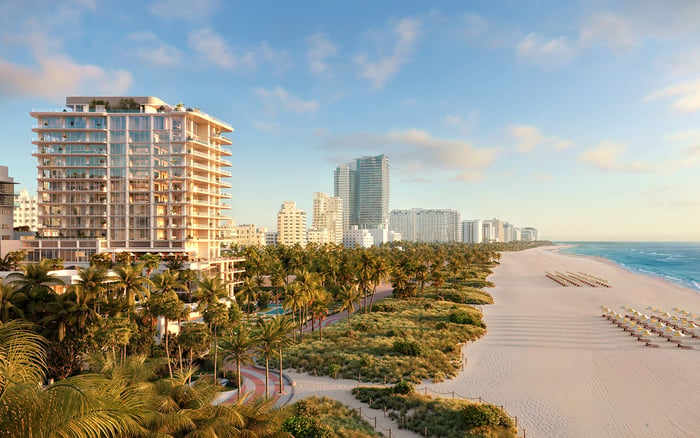
A disciplined pre-closing review can reveal whether storm procedures, remote-owner services, building systems, insurance, and recovery protocols truly support lock-and-leave ownership.

For an owner who may be away when a storm changes course, luxury is measured partly by what happens during an absence. At The Ritz-Carlton Residences® South Beach, buyers should translate broad assurances into a written, residence-specific operating plan before closing.
That means requesting the property’s hurricane and tropical-storm procedures, then determining which preparations, communications, inspections, and post-event services are included. The distinction matters for any second-home purchase, particularly a residence exposed to the practical complications of severe weather, utility interruptions, and restricted access.
An absentee owner should know whether building personnel may enter before or after a storm, who authorizes entry, and how consent is documented. Ask whether the service includes checking windows and exterior doors, securing terraces, moving outdoor furnishings, shutting off water, and confirming interior temperature and humidity conditions.
The answer should also specify whether these tasks are standard, separately billed, or contingent on staffing and safe access. Review the rules for unattended homes, emergency contacts, leak detection, water shutoffs, insurance compliance, and any owner obligations that must be fulfilled before departure.
Service is only one layer of preparedness. Buyers should request engineering materials addressing the building envelope, impact-resistant glazing, exterior doors, wind design, and controls intended to limit water intrusion. These are matters for documentation, not features to infer from branding, finishes, or presentation materials.
The review should also identify the elevation and flood-protection strategy for garages, electrical equipment, elevators, pumps, and other critical systems. Counsel and qualified technical advisers can help determine whether the documents address the buyer’s actual risk questions.
This discipline applies across Miami Beach. Buyers comparing The Ritz-Carlton Residences® Miami Beach or The Perigon Miami Beach should request the same categories of written evidence rather than assume similarly positioned properties operate alike.
Ask exactly which systems and residential services receive generator power. Elevators, pumps, common-area systems, access controls, communications, and in-residence functions should not be grouped under a vague assurance of backup power. Buyers should also ask how long the available fuel is expected to last and what happens if an outage extends beyond that planning window.
Remote communication requires equal precision. Confirm how management distributes evacuation guidance, island or building access restrictions, utility updates, elevator status, inspection findings, and reopening timelines. Ask which channels are used, who receives alerts, and how owners update their contact information while traveling.
The first safe entry after a storm can determine how quickly a minor issue is identified. Ask when residences are inspected, which conditions may delay access, and how priority is assigned. The protocol should explain whether owners receive photographs, a written damage report, recommended next steps, and ongoing remediation updates.
For buyers considering other branded residences, including Shore Club Private Collections Miami Beach, the meaningful comparison is operational rather than cosmetic: authorization, inspection timing, documentation, billing, and escalation.
A branded experience does not eliminate the need to define legal and operational boundaries. Determine where Ritz-Carlton-branded services end and the condominium association’s responsibilities begin. Service language, association duties, and insurance obligations may address different aspects of the same event.
Review the association’s master insurance coverage, deductibles, exclusions, claims history, and potential owner exposure to assessments. Then map that coverage against the owner’s individual condominium, flood, contents, and loss-assessment policies. Gaps, overlaps, and deductible responsibilities should be resolved with appropriate legal and insurance advisers before closing.
Reserves also warrant scrutiny. Examine the association’s capacity to fund deductibles and urgent repairs, along with any emergency contracting arrangements that may support recovery. The issue is not simply whether coverage exists, but whether the building can mobilize funds and qualified help when many properties may be competing for both.
A useful closing review should simulate pressure, not ideal conditions. What happens if a storm intensifies rapidly after the owner leaves? Who acts if terrace furniture remains outside, water enters while the owner is overseas, elevators are unavailable, or access to South Beach is restricted for an extended period?
For each scenario, identify the decision-maker, authorization, communication channel, expected response, fee, and documentary record. The result should be a concise storm file containing procedures, contacts, permissions, insurance information, and owner responsibilities. That is the practical foundation of lock-and-leave confidence.
Should buyers rely on verbal assurances about hurricane preparedness? No. Request written hurricane and tropical-storm procedures, and verify material commitments in the governing and purchase documents.
Can staff enter an unoccupied residence before a storm? Buyers should confirm whether entry is permitted, what authorization is required, and whether any access limitations apply.
Which absentee-owner preparations should be discussed? Ask about terraces, outdoor furnishings, windows, doors, water shutoffs, humidity controls, leak detection, and emergency contacts.
What engineering documents merit review? Request materials covering the envelope, impact-resistant glazing, exterior doors, wind design, and water-intrusion controls.
Which flood-protection questions are most important? Verify the elevation and protection strategy for garages, electrical equipment, elevators, pumps, and other critical systems.
Does emergency power necessarily cover residential services? Not necessarily. Confirm each system and service receiving generator power, along with the expected duration of the available fuel.
How should remote owners receive updates? Confirm the channels for evacuation guidance, access restrictions, outages, elevator status, inspection results, and reopening.
What should a post-storm inspection provide? Ask about timing, access constraints, photographs, damage reports, recommended action, and remediation updates.
Which insurance policies should be coordinated? Compare the association’s master policy with individual condominium, flood, contents, and loss-assessment coverage.
Why review reserves and emergency contracts? They help indicate how the association may fund deductibles, retain contractors, and address urgent post-storm work.
If you'd like a private walkthrough and a curated shortlist, connect with MILLION.
If branded residences are on your mind — as a home or as an allocation — we would be glad to share what we are seeing, privately.
Begin a quiet conversation