Palm Beach Island and the West Palm Beach waterfront share the same lagoon and climate, yet deliver very different expressions of ultra luxury living. This editorial contrasts the islands legacy estates with the mainlands new towers and Intracoastal compounds, comparing architecture, privacy, lifestyle and pricing in 2025. For buyers considering a move to Palm Beach County, it outlines how each side of the Intracoastal behaves as a long term home base and investment. It is written for those weighing estates, sky residences or a two home strategy spanning both shores.
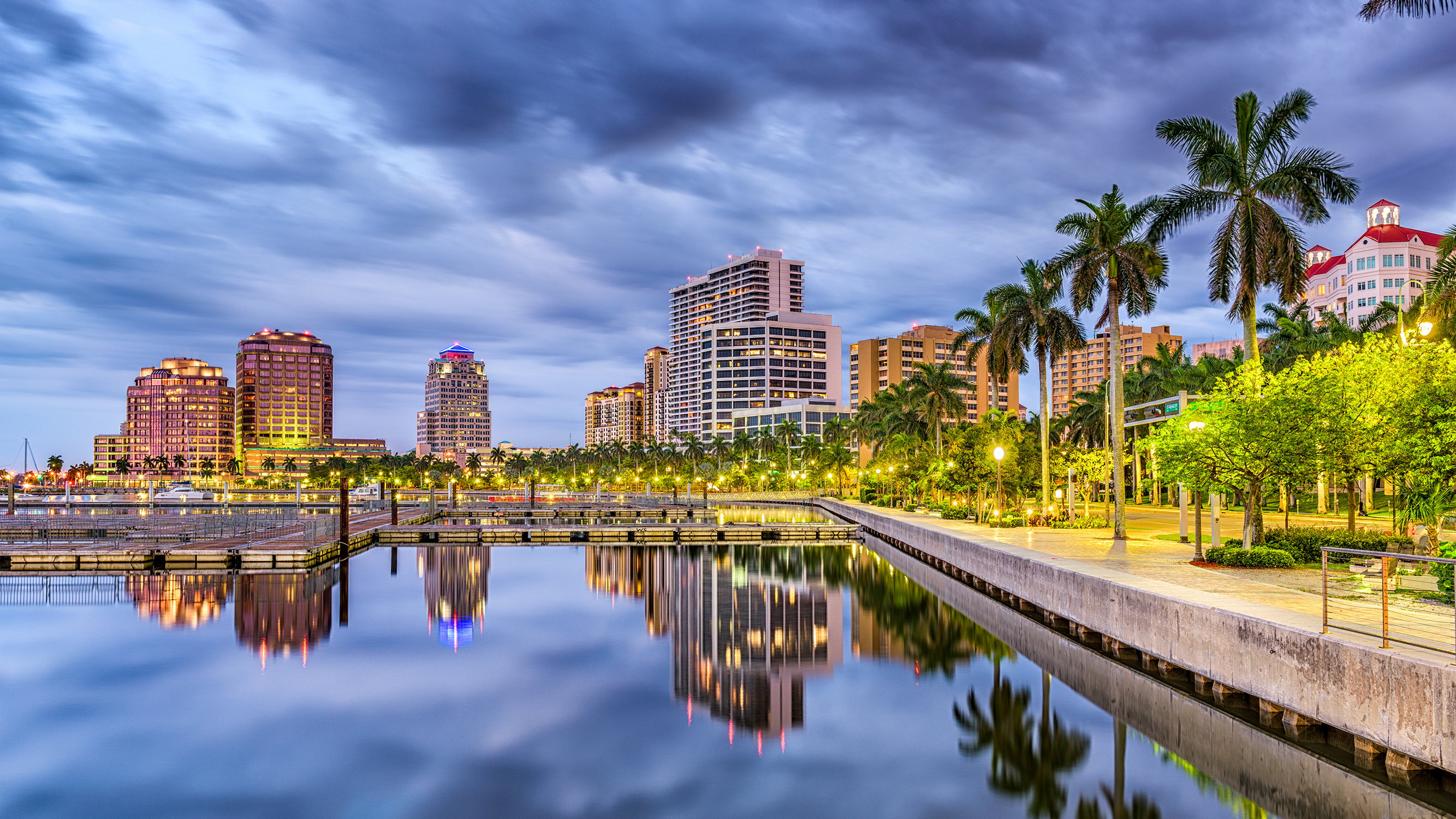
Bridges across Lake Worth Lagoon link Palm Beach Island and West Palm Beach in a matter of minutes, yet for buyers at the very top of the market they feel like two distinct worlds. On one shore, Palm Beach Island reads as a self contained garden enclave of oceanfront estates, manicured hedges and club life. On the other, the West Palm Beach waterfront has matured into a vertical city of sky high residences and modern Intracoastal compounds that now stand comfortably beside the island in price, quality and global attention.
For a certain buyer, the question is no longer whether to be in Palm Beach County, but whether life should unfold behind a ficus hedge on South Ocean Boulevard or from a full floor residence above South Flagler Drive. Both options deliver tropical climate, Florida tax advantages and year round boating, yet they do so with strikingly different rhythms, levels of privacy and approaches to architecture.
Palm Beach Island compresses some of the most coveted real estate in the country into roughly four miles of land. A legacy built in the Henry Flagler era and amplified by architects like Addison Mizner and Maurice Fatio still shapes the streetscape today. West Palm Beach, by contrast, has leaned into its emerging role as Wall Street South, pairing a revitalised historic waterfront with new residential towers and a cultural scene that runs on a faster, more urban tempo.
This comparison is designed for buyers weighing those two estate districts in 2025. It focuses not on declaring a winner, but on clarifying how each side of the Intracoastal behaves as a home base, an investment and a long term generational address.
On Palm Beach Island, the estate map is defined by scarcity and pedigree. Ocean to lake compounds in the Estate Section, the fabled Billionaires Row, are lined with 1920s Mediterranean Revival villas, Georgian manors and Bermuda inspired houses that appear almost unchanged from vintage photographs. Many are protected landmarks. New construction is heavily regulated, so a truly ground up contemporary build is a rarity and typically commands a premium simply for existing. Record sales, such as the recent trade of Tarpon Island at around 152 million dollars and other off market oceanfront transactions in the 50 to 100 million dollar range, underline how tightly held this inventory has become.
Even modest scale properties on the island benefit from this dynamic. A non waterfront house in need of renovation can still cross eight figures, driven largely by the value of the land and the cachet of a Palm Beach Island address. The median sale for a single family home now sits in the teens, while grand compounds regularly close at numbers once associated only with New York, London or Monaco. For buyers focused on long term value preservation, this scarcity is a feature, not a bug.
Across the bridge, the West Palm waterfront tells a more flexible story. Historic neighborhoods such as El Cid and Prospect Park offer streets of 1920s Mediterranean and Art Deco homes with front row Intracoastal views and private docks. South of Southern Boulevard, the SoSo area has become a laboratory for new Intracoastal estates, where glass walled, elevated contemporary homes stretch across larger mainland lots and can be purpose built around garages for car collections, dockage for sizable yachts and generous guest spaces. A recent SoSo spec home trading in the high teens set a new benchmark for the city and signalled how quickly values are rising along this shoreline.
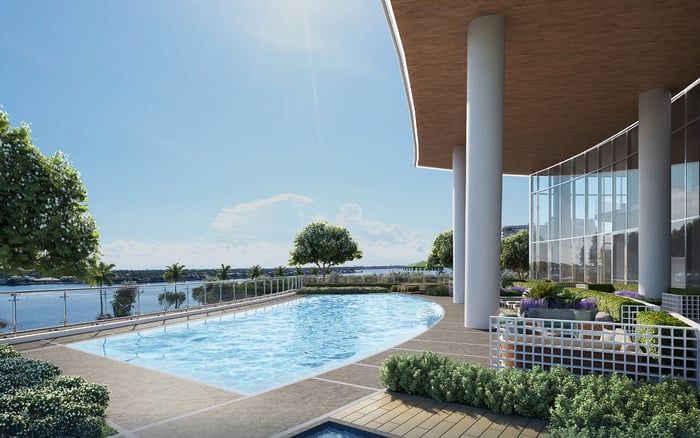
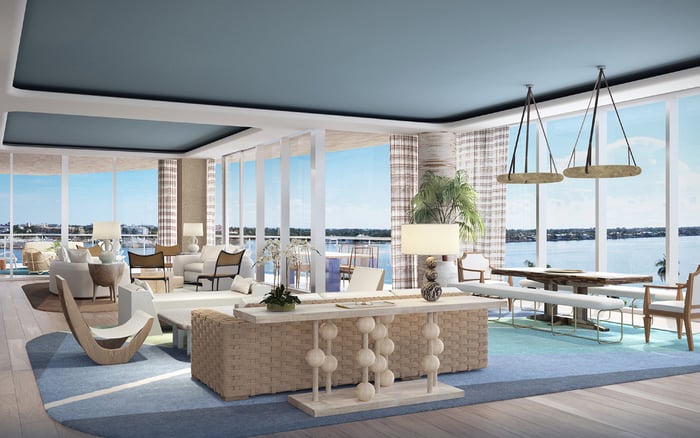
Vertical living is where West Palm Beach diverges most clearly from the island. The Bristol established the template for ultra luxury condominium living here, with expansive residences, extensive amenities and a penthouse sale that reached more than 20 million dollars. That standard is now being extended by a new generation of towers along South Flagler Drive and the North Flagler corridor. Boutique buildings such as Alba West Palm Beach and Forté on Flagler West Palm Beach pair Intracoastal views with carefully curated resident amenities, while Mr. C Residences West Palm Beach and The Ritz-Carlton Residences® West Palm Beach bring branded service and hotel level detail directly into the residential experience.
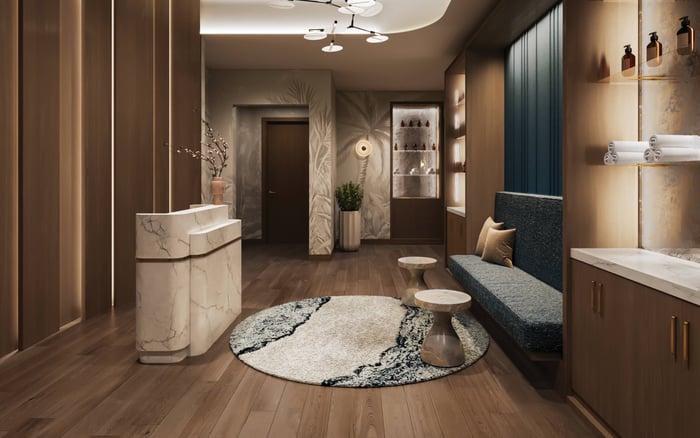
Alongside those, anticipated projects such as Olara and South Flagler House are reshaping expectations for what a mainland address can be, with full floor and duplex residences, private wellness facilities and dining programs designed by celebrated chefs. Price points for the most sought after penthouses are now approaching those of smaller Palm Beach estates, an evolution that would have been difficult to imagine for West Palm Beach even a decade ago.
Viewed on a macro map, the broader Palm-beach story is now mirrored by a complementary West-palm-beach narrative. One side of the Intracoastal is defined primarily by legacy oceanfront estates and lakefront compounds capped at low rise heights. The other side offers a layered mix of historic streets, new build Intracoastal homes and vertical sky estates that maximise views back to the island and out towards the Atlantic.
Lifestyle is where the differences between these estate districts become most tangible. Palm Beach Island remains a study in quiet ritual. Mornings often begin with a walk or bike ride along the lake trail or a discreet coffee on Worth Avenue. Social life pivots around members only clubs, charity galas and private dinners, mainly concentrated between the Estate Section, Midtown and the North End. Retail is polished but compact, nightlife is subdued and the overall cadence of the island still follows a seasonal pattern, with the most animated months in winter and spring.
For many owners, that is precisely the goal. Estates here are designed as complete worlds, often with staff quarters, resort style pools, carefully layered gardens and security that begins well before the front gate. Interiors may mix original architectural details with current technology and wellness spaces, yet the prevailing sensibility is one of understatement. The house is expected to sit confidently in a lineage of Palm Beach addresses that whisper rather than shout.
West Palm Beach answers a different brief. Along the Flagler waterfront, residents step out into a lived in city. The Norton Museum of Art, a growing roster of chef driven restaurants, Clematis Street, The Square, a thriving GreenMarket and a steady calendar of concerts and festivals create a constant background hum of activity. Owners in waterfront estates or Intracoastal condos often divide their time between boat slips, office towers and cultural events, with the Brightline station connecting quickly to Miami and Orlando for business or leisure.
In market terms, Palm Beach Island still sets the ceiling. Over the past several years, single family sales on the island have totalled billions of dollars annually, with average transaction values in the high teens and a disproportionate share of the United States most expensive residential trades. Analysts expect appreciation to moderate from the sharp gains of the early 2020s, yet the combination of finite land, global demand and a deep bench of cash buyers positions the island as a blue chip market that is more likely to glide than to correct.
West Palm Beach, by contrast, offers both rapid growth and more varied entry points. When the citywide median home price remains under the one million dollar mark, but waterfront houses and top tier condos are trading from the high single digits through the teens and beyond, it signals a market in transition. The SoSo district has produced some of the mainlands highest ever single family sales, while tower residences at the Bristol and other flagship buildings continue to reset local price records. Many of these contracts are written in cash by finance, tech and entrepreneurial buyers relocating full time and building lives around careers based in nearby office towers.
Looking ahead, planning priorities also diverge. Palm Beach is investing heavily in beach renourishment, drainage, seawall reinforcement and discreet sustainability upgrades. New estates weave in elevation strategies, impact glass, hidden solar arrays and backup power, all while maintaining the classic silhouettes mandated by the towns architectural review board. West Palm Beach is layering its own resilience measures with a focus on connectivity and urban lifestyle, extending waterfront parks and trails, enhancing its fibre and 5G networks and encouraging mixed use projects that keep downtown active beyond office hours.
For a buyer deciding between these addresses, the choice often comes down to how much you want your home to participate in the surrounding city. If you prefer an ultra private, cocooned environment where the world comes to you through staff, club networks and invited guests, Palm Beach Island will feel immediately intuitive. If you enjoy stepping out into galleries, performances, restaurants and a walkable waterfront while still maintaining privacy in your residence above it all, the West Palm Beach waterfront provides that engagement without sacrificing service or security.
Many sophisticated families ultimately choose both. A Palm Beach oceanfront estate can serve as the legacy anchor for peak season and major gatherings, while a West Palm condominium or Intracoastal house offers lock up and leave ease and a place to plug into the citys cultural and business energy throughout the year.
What is the biggest advantage of choosing Palm Beach Island over the West Palm waterfront in 2025?
Palm Beach Island offers the most established track record for preserving generational wealth in residential real estate, with extremely limited new supply, strict architectural controls and a long history of high value sales that have proven resilient through different market cycles.
Why are so many new luxury towers being built on the West Palm Beach waterfront?
West Palm Beach still has developable waterfront parcels and zoning for height along key stretches of Flagler Drive, which allows developers to deliver full service buildings with expansive views, extensive amenities and modern construction that would not be feasible on the island.
How do prices compare between Palm Beach estates and West Palm Beach waterfront homes or condos?
At the very top of the market, Palm Beach ocean to lake estates regularly trade from the tens into the hundreds of millions of dollars, while West Palm Beachs priciest single family homes and tower residences are generally in the high single digits through the 20 million dollar range, albeit with notable outliers.
Is West Palm Beach suitable for a full time residence, not just a seasonal pied à terre?
Yes. The downtown and waterfront districts support a year round lifestyle, with offices, schools, cultural institutions, parks and restaurants all within a compact radius, making West Palm Beach particularly attractive for buyers who intend to live and work in South Florida on a permanent basis.
How can I assess which side of the Intracoastal is the right fit for my family and investment strategy?
Begin with how you live today and how you expect to live ten years from now, then weigh privacy, staff needs, boating, cultural interests and appetite for managing an estate versus enjoying turnkey services. For confidential, one to one guidance on both Palm Beach Island and the West Palm waterfront, you can explore your options with MILLION Luxury.
If branded residences are on your mind — as a home or as an allocation — we would be glad to share what we are seeing, privately.
Begin a quiet conversation