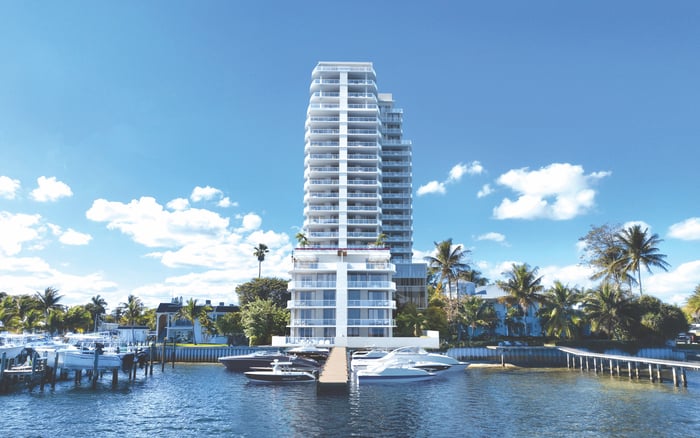
For remote executives evaluating a South Florida move, the Palm Beach International Boat Show is more than a lifestyle event. It is a peak-season field test for airports, marina access, bridge logistics, flood planning, and the daily rhythm of Palm Beach, West Palm Beach, Fort Lauderdale, Boca Raton, and Miami.
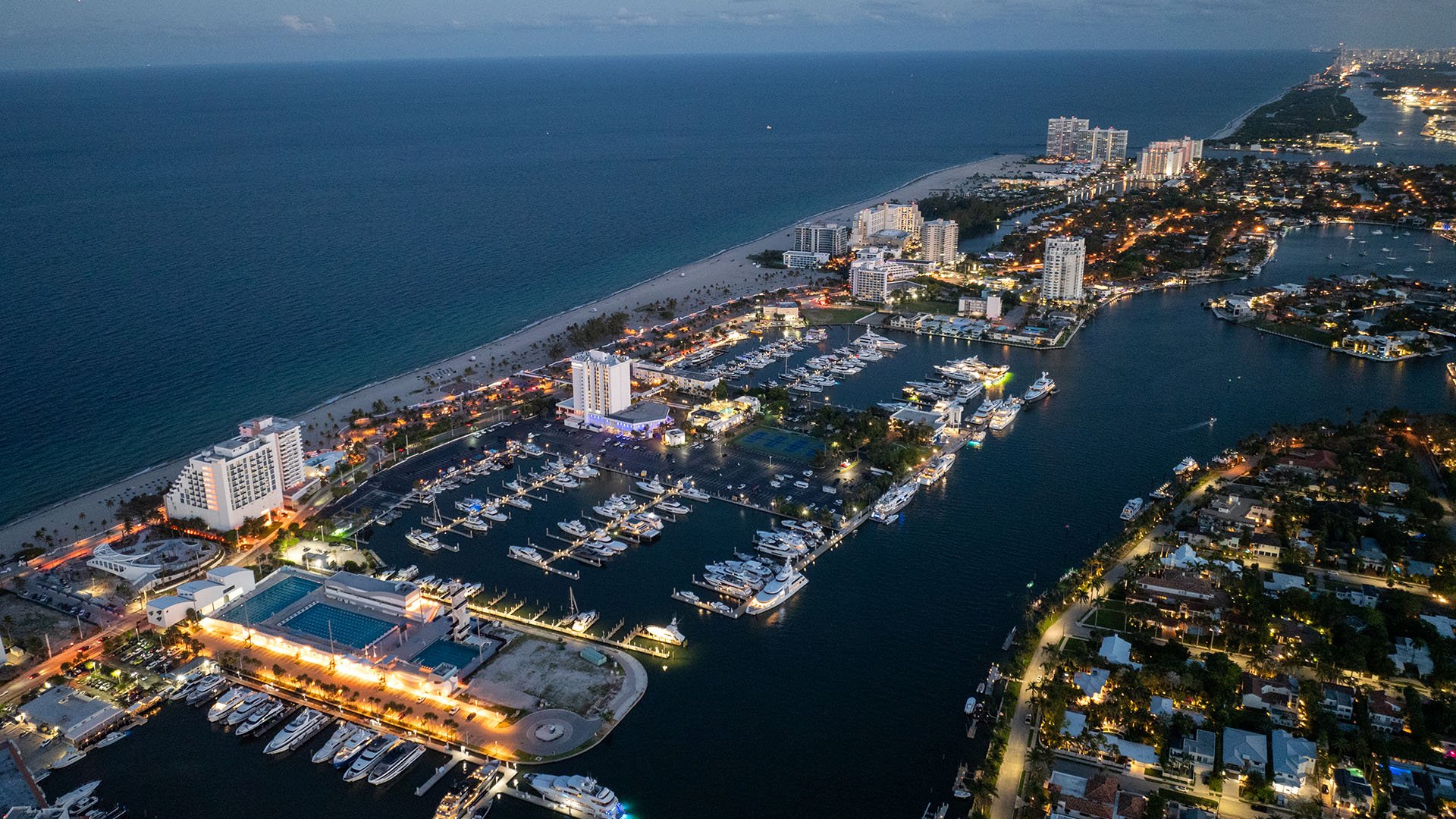
For executives who work from home, the Palm Beach International Boat Show is more than a polished social appointment. During the event, the West Palm Beach waterfront becomes a practical testing ground for traffic, valet flow, bridge timing, waterfront access, restaurant demand, hotel capacity, marina proximity, and the ease of taking a confidential call between meetings.
That pressure makes the show useful for buyers comparing Palm Beach Island, downtown West Palm Beach, Boca Raton, Fort Lauderdale, Miami, and select coastal enclaves. A conventional property tour can flatter a neighborhood on a quiet weekday. A major boat show weekend reveals how the area feels when seasonal residents, yacht owners, vendors, executives, crews, advisers, and guests are all moving through the same streets.
The event’s luxury marine focus is also instructive. Buyers can observe the local ecosystem of yachts, marine services, waterfront hospitality, and lifestyle infrastructure in concentrated form. For a remote executive, that becomes a preview of whether the area can support both personal enjoyment and the operating demands of a high-performance household.
Palm Beach Island offers discretion, beauty, club culture, marina relevance, and proximity to the West Palm Beach waterfront. Yet island living requires a clear-eyed view of bridge dependence. During peak events, bridge timing and traffic patterns can turn a quick errand into a scheduling variable, so buyers should test the route at the same times they would leave for a flight, meeting, dinner, or school pickup.
Downtown West Palm Beach, by contrast, places residents closer to waterfront activity, restaurants, hotels, rail access, and marina-adjacent routines. It may suit executives who want walkability and immediate access without crossing a bridge for every appointment. Buildings such as Alba West Palm Beach and Forté on Flagler West Palm Beach belong in the broader conversation about waterfront convenience, vertical living, and lock-and-leave practicality for owners who divide time among multiple homes.
The choice is not simply island versus city. It is about how often the household needs marina access, how many staff or advisers come and go, whether calls require absolute acoustic separation, and whether the executive prefers a private compound or a serviced residence with urban immediacy. The right answer can change quickly when travel frequency, school needs, yacht usage, and seasonality are placed on the table.
Remote work does not eliminate travel. For many executives, it makes airport access more important because every in-person meeting is more deliberate. Buyers considering Palm Beach and West Palm Beach should test drive times to the airport they expect to use most often, including the effect of school traffic, bridge timing, rain, and seasonal event demand.
Fort Lauderdale and Miami can also become relevant depending on the buyer’s business calendar, family patterns, and preferred flight options. Even an exceptional residence can lose appeal if the airport pattern does not fit the executive’s schedule. The question is not which airport is best in the abstract; it is which route is most reliable from the property at the moments that matter.
Rail adds another layer of flexibility for regional movement. Executives who travel between Palm Beach County, Broward, and Miami-Dade should test whether rail access changes the weekly rhythm, staff logistics, or backup plan when roads are strained. The best base is often the one that makes multiple forms of movement feel controlled rather than improvised.
South Florida is often discussed as a single luxury corridor, but Palm Beach County, Broward, and Miami-Dade operate as distinct residential markets. Commute patterns, municipal services, school considerations, airport habits, restaurant density, and waterfront culture all vary. Executives should resist the temptation to choose based only on views or brand recognition.
Fort Lauderdale deserves particular attention from yacht-oriented buyers. Its boating culture and marine-service orientation can feel more operational, while Palm Beach offers a more compact, polished, and socially discreet environment. A residence such as St. Regis® Residences Bahia Mar Fort Lauderdale may appeal to buyers who want to be closer to Broward’s yachting lifestyle while retaining a luxury residential setting.
Boca Raton can suit executives who want a calmer residential pattern between Palm Beach and Fort Lauderdale, especially when family routines and airport optionality are central. Miami, meanwhile, is the choice for those who prioritize global-city energy, international connectivity, finance, art, hospitality, and urban density. For a Miami-oriented buyer, The Residences at 1428 Brickell represents the kind of urban base that places business, dining, and metropolitan movement at the center of daily life.
A work-from-home executive should evaluate a South Florida residence with the same discipline used for a corporate headquarters. The private office needs acoustic control, secure video-call backdrops, natural light without glare, and enough separation from family, guests, staff, and service corridors. A beautiful room that cannot protect confidentiality is not a true office.
Connectivity also requires redundancy. Buyers should ask about fiber availability, backup internet options, cellular strength, building systems, generator coverage, and whether elevators, cooling, access control, and essential outlets remain functional during outages. In a single-family setting, generator capacity and fuel arrangements deserve careful review. In a condominium, the distinction between building backup power and in-unit continuity can be decisive.
Peak-season conditions matter here as well. During the boat show, take a call from the neighborhood, from the car, from a nearby restaurant, and from the candidate building or home if possible. The exercise reveals noise, signal strength, privacy, and how easily a principal can move between lifestyle and business without friction.
For yacht owners, the residence and the slip should be studied together. Marina proximity, slip availability, tender logistics, captain access, provisioning, bridge routes, and guest pickup points can affect daily enjoyment as much as the home itself. The right base should make boating feel integrated into daily life rather than dependent on constant coordination.
Boat-slip priority should not overshadow risk planning. Storm protection, insurance, backup power, shutters or impact glass, drainage, roof condition, and evacuation planning are essential for waterfront, low-lying, canal-adjacent, and barrier-island properties. Buyers should review flood exposure with qualified advisers before comparing residences only by view, finish level, or amenity package.
The full residency picture is broader than lifestyle. Tax, estate, insurance, financing, property management, staff access, and family routines should be aligned before selecting a primary or seasonal South Florida base. Executives should make the residence function as an operating platform, not only as a beautiful address.
Why is the Palm Beach International Boat Show useful for relocation due diligence? It places the West Palm Beach waterfront under peak-season pressure, revealing traffic, walkability, marina access, and service capacity in real time.
Should a remote executive choose Palm Beach Island or West Palm Beach? Palm Beach Island emphasizes privacy and tradition, while West Palm Beach offers urban access, rail proximity, and fewer bridge-dependent routines.
How important is airport access when choosing a South Florida base? It is central for executives who travel for high-value meetings, board commitments, family obligations, or international business.
When should Fort Lauderdale be considered instead? Fort Lauderdale may suit buyers who want a stronger boating-oriented daily rhythm, Broward access, and a more operational yachting environment.
When does Miami make more sense? Miami is compelling for executives who prioritize international connectivity, global-city energy, finance, dining, art, and frequent access to Brickell.
Is rail access relevant for luxury buyers? Yes. Rail can add regional flexibility, support staff logistics, and create a backup plan when roads are congested.
What should buyers ask about a home office? Ask about acoustics, secure call settings, internet redundancy, cellular strength, generator coverage, and privacy from staff or guest areas.
How should yacht owners evaluate a residence? Study the home and marina plan together, including slip availability, provisioning, tender access, bridge routes, and captain logistics.
What storm risks should be reviewed before buying? Review hurricane protection, insurance, backup power, flood exposure, drainage, evacuation planning, and how the property performs in severe weather.
Should lifestyle alone decide the move? No. The right South Florida base should align privacy, travel, work, family logistics, yacht access, risk planning, and long-term ownership needs.
For a tailored shortlist and next-step guidance, connect with MILLION.
If branded residences are on your mind — as a home or as an allocation — we would be glad to share what we are seeing, privately.
Begin a quiet conversation