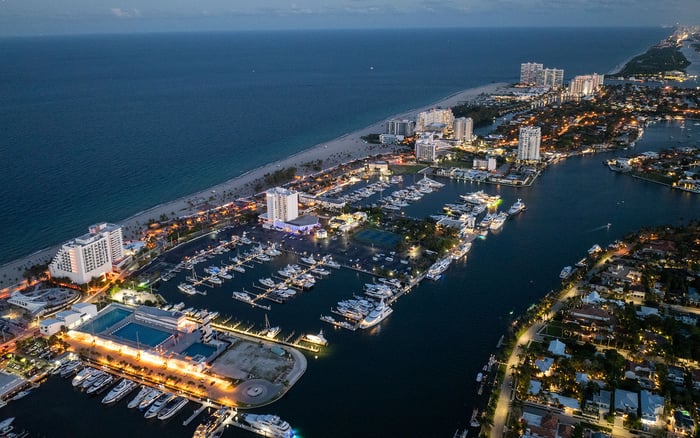
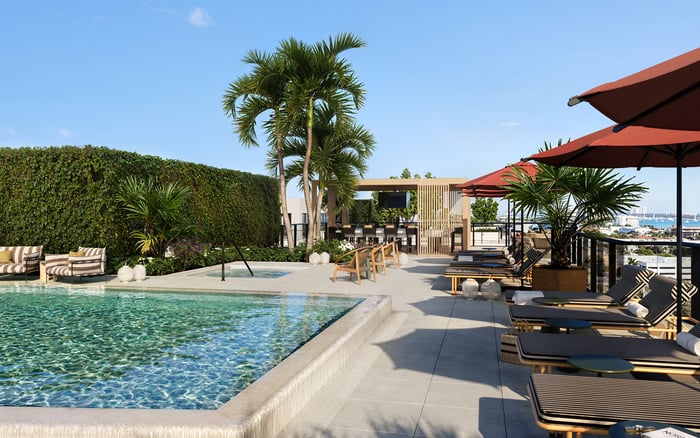
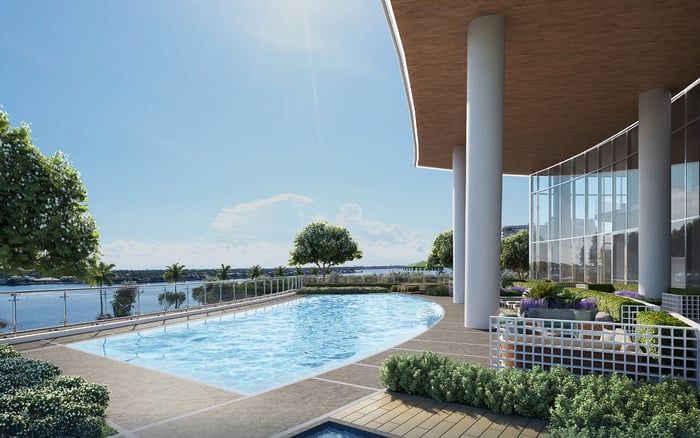
For art-driven buyers in South Florida, the choice between Miami’s Design District and West Palm’s cultural core is less about headline pricing and more about the kind of cultural life one wants to inhabit. Miami offers a concentrated luxury ecosystem where public art, architecture, fashion, and collector energy shape daily experience. West Palm Beach presents a more institution-led environment anchored by museum depth, nonprofit programming, and a connected civic arts scene. The sharper question is not which market is better in the abstract, but which cultural framework best suits the owner’s identity, routines, and long-term use of the residence.
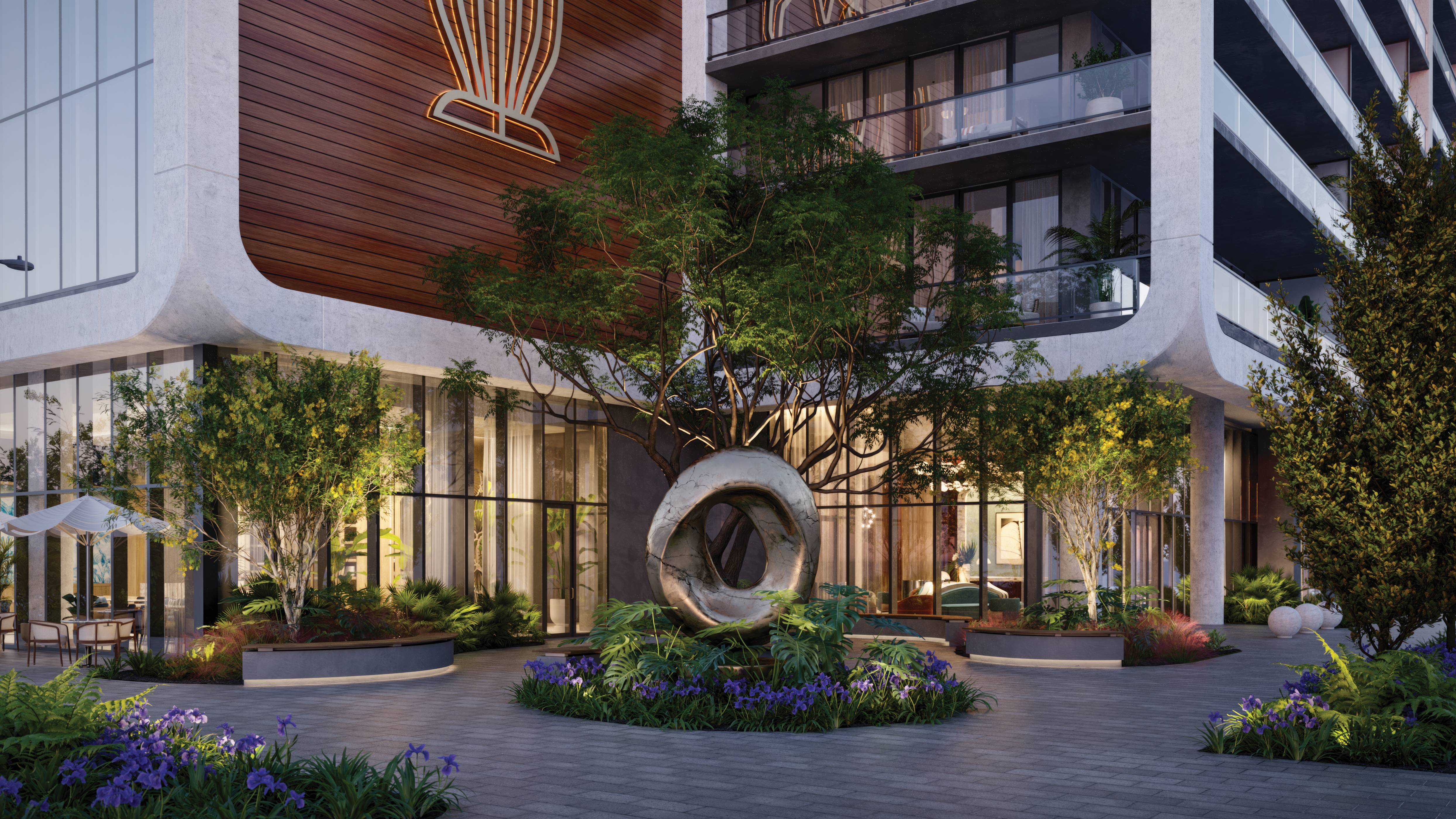
For the art-driven buyer, choosing between Miami and West Palm Beach is not simply a map decision. It is a question of how culture should function in daily life. In one direction, the Miami Design District offers an environment where fashion, architecture, dining, public art, and gallery energy feel intentionally interlaced. In the other, the West Palm Beach cultural core presents a more institutionally grounded experience centered on museums, nonprofit programming, and a civic arts rhythm that feels steadier and more contemplative.
That distinction matters. Some buyers want art to register as part of the street itself, folded into the social choreography of lunch meetings, evening walks, and collector dinners. Others want a cultural anchor defined by curatorial depth, educational programming, and a stronger sense of institutional permanence. In South Florida, both models exist, but they do not offer the same kind of life.
The Miami Design District is persuasive because it does not ask residents to separate culture from lifestyle. Public art and architectural installations are dispersed across the neighborhood, so aesthetic immersion begins before one enters a gallery. The district’s identity is also inseparable from high-design retail and a polished luxury environment, giving the area a distinctly contemporary, international sensibility.
For a buyer who sees collecting, design literacy, and hospitality as parts of a single personal thesis, this can be especially compelling. The local mood is not museum-first. It is ambient, social, and visually composed. This reinforces the sense that serious contemporary art conversation is close at hand, even if the neighborhood’s strongest expression remains gallery-adjacent rather than institution-led.
This is also why Design District buyers often gravitate toward residences that extend the same language of design and prestige. A project such as Kempinski Residences Miami Design District fits naturally within this mindset, while nearby luxury expressions like 888 Brickell by Dolce & Gabbana and One Thousand Museum Downtown Miami appeal to buyers who want architecture and brand identity to remain central to the residential experience.
West Palm Beach makes its case differently. Its cultural core is more clearly organized around institutions, especially major museum and arts programming. That gives the city something many luxury buyers value deeply: a reliable, repeatable cultural center capable of sustaining long-term engagement.
A connected arts environment reinforces the sense that West Palm’s identity is not episodic. Nearby arts programming adds a more hands-on layer through exhibitions, classes, and artist-centered events. Together, they create a cultural environment that feels less branded and more civic.
For a buyer who wants museum visits to become habit rather than event, West Palm Beach presents the clearer proposition. Residential choices such as Alba West Palm Beach, Forté on Flagler West Palm Beach, and The Ritz-Carlton Residences® West Palm Beach naturally suit buyers who want refined waterfront living while keeping serious cultural infrastructure close at hand.
For many affluent buyers, both places will feel compelling. The better question is what kind of cultural nourishment one expects from ownership.
Miami’s Design District is stronger when the buyer wants culture to be immediate, visible, and socially embedded. Art there is encountered in the streetscape, in architecture, in luxury storefronts, and in the wider collector traffic that shapes Miami’s international profile. The district benefits from its relationship to the city’s broader art ecosystem and a concentration of culturally fluent visitors at key moments of the year. That gives the neighborhood a heightened atmosphere and a sense of relevance that many globally minded buyers prize.
West Palm, by contrast, is more convincing for those who prioritize curation over scene. The experience is not less refined. It is simply more anchored. Museum access, nonprofit programming, classes, and exhibitions create a cultural life that can feel more grounded and less performative. Buyers who value continuity, philanthropy, and repeated engagement with institutions often respond to this model with unusual loyalty.
The buyer best suited to Miami is often someone whose life moves through design, hospitality, and visibility. This owner may collect contemporary work, entertain frequently, and prefer a neighborhood where visual sophistication is not reserved for weekends. They are often comfortable with a more kinetic environment and may view luxury retail, architecture, and public art as complementary rather than separate experiences.
The buyer best suited to West Palm Beach is often looking for a cultural rhythm with more ceremony and less velocity. This owner may want to attend exhibitions repeatedly, support institutions over time, or live near a museum environment that feels integrated into civic life. Palm Beach proximity adds another layer of social and philanthropic depth, but the essential appeal is cultural substance with a calmer cadence.
Because the strongest comparison here is cultural rather than pricing-based, the residential choice should follow behavioral pattern. If your ideal day includes walking through a neighborhood where design is omnipresent and art appears as part of the urban backdrop, Miami offers the more immersive proposition. If your ideal day includes returning to a museum, attending talks or classes, and living near an arts cluster with institutional weight, West Palm is the more coherent fit.
This is also why second-home buyers may divide sharply between the two. Some want a residence that feels plugged into South Florida’s most image-conscious and internationally legible luxury circuit. Others want a home that grants access to a serious arts environment without requiring constant participation in spectacle. Neither instinct is superior. Each simply reflects a different definition of cultural richness.
For sophisticated buyers, the answer is usually revealed by routine. Do you want art to accompany your movement through the neighborhood, or do you want a museum and arts campus to organize your cultural life with greater depth and regularity? Miami tends to reward the first instinct. West Palm tends to reward the second.
If the goal is to live within a beautifully choreographed luxury environment where art, fashion, and architecture are inseparable, the Miami Design District remains the more distinctive anchor. If the goal is to establish yourself near a museum-centered, institution-led arts ecosystem with educational and civic texture, West Palm Beach has the stronger claim.
For the art-driven buyer, this is not ultimately a contest between cities. It is a choice between two cultivated versions of South Florida life: one contemporary, branded, and experiential; the other museum-centered, philanthropic, and enduring.
Is the Miami Design District better for serious art collectors? It can be, if the buyer values contemporary gallery energy and daily immersion in a design-led luxury setting more than institutional depth.
Is West Palm Beach the stronger choice for museum access? Yes. Its cultural core is more clearly anchored by museum and nonprofit arts programming.
Does the Design District function like a traditional arts district? Not exactly. It is a curated luxury neighborhood where art, retail, architecture, and hospitality are intentionally fused.
What makes West Palm Beach culturally distinct? Its appeal comes from a more institution-led environment, with repeat engagement through exhibitions, classes, and civic arts activity.
Is this more of a real estate decision or a lifestyle decision? It is both, but lifestyle is the sharper filter because the cultural ecosystems are so different.
Would a second-home buyer lean differently than a primary resident? Often, yes. Some second-home buyers prefer Miami’s intensity, while others may favor West Palm’s steadier rhythm for longer stays.
Are there strong luxury residential options near both cultural settings? Yes. Both Miami and West Palm Beach offer high-end residences that align with art-driven living.
Is Miami’s appeal mainly retail-driven? No. Retail is part of the proposition, but public art, architecture, and the broader design atmosphere also shape the district’s identity.
Does West Palm feel calmer than Miami? Generally, yes. That calmer cadence is often part of its appeal for buyers who prioritize continuity and institutional engagement.
Which market should an art-first buyer choose? Choose Miami for immersive contemporary luxury culture, and West Palm for museum-centered depth and a more traditional cultural core.
When you're ready to tour or underwrite the options, connect with MILLION.
If branded residences are on your mind — as a home or as an allocation — we would be glad to share what we are seeing, privately.
Begin a quiet conversation