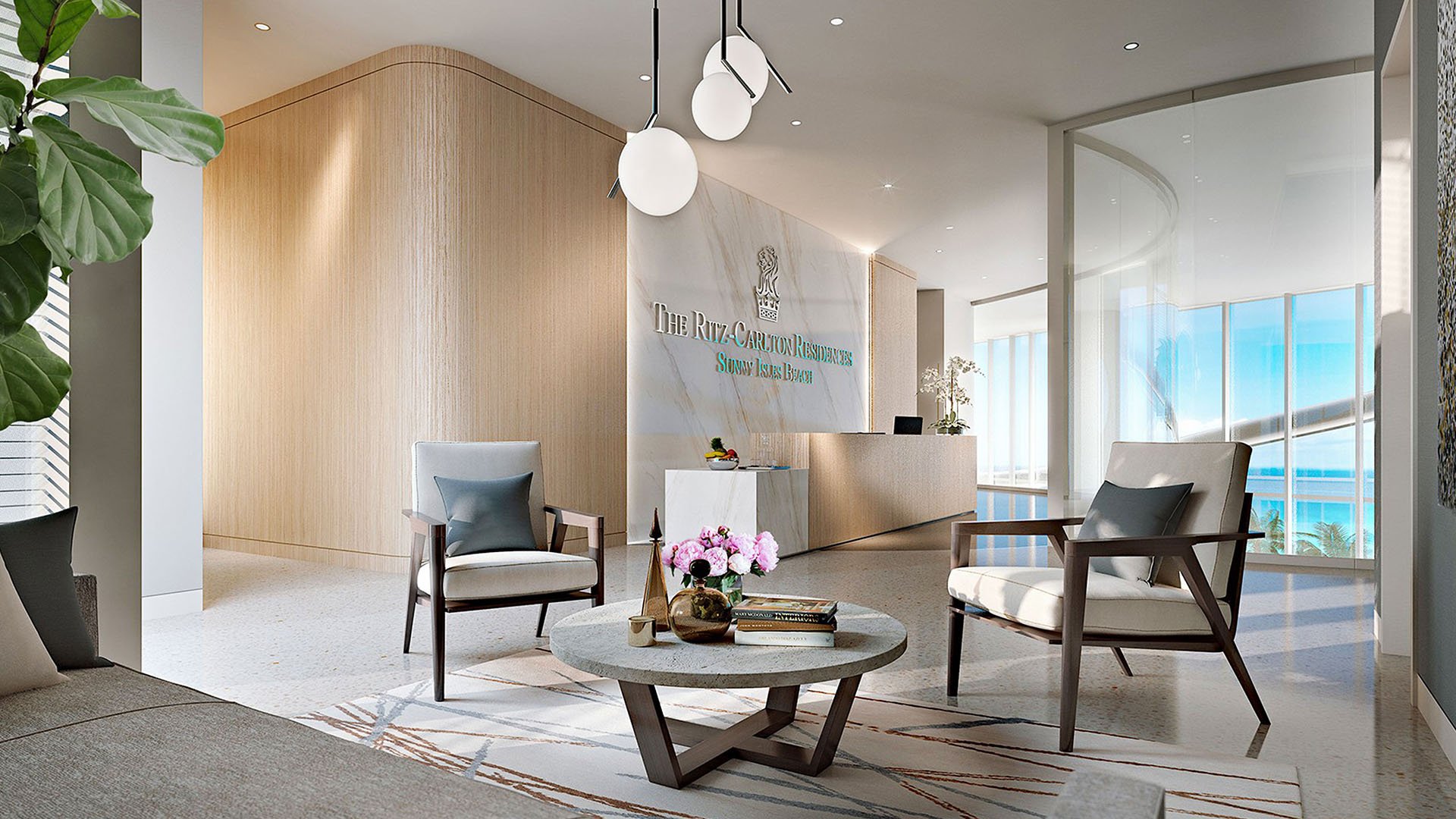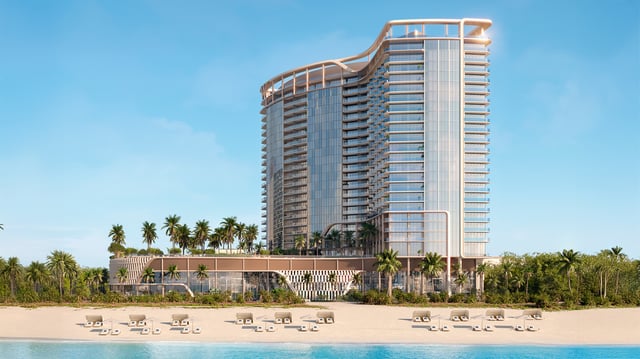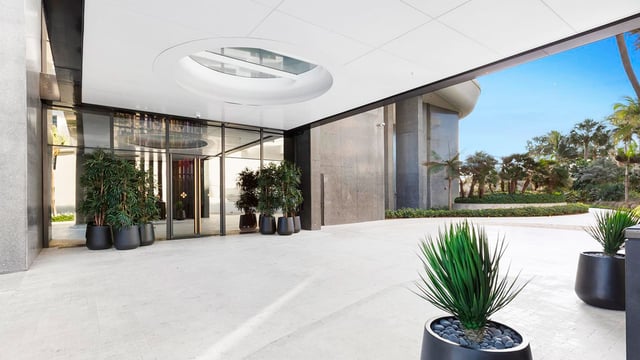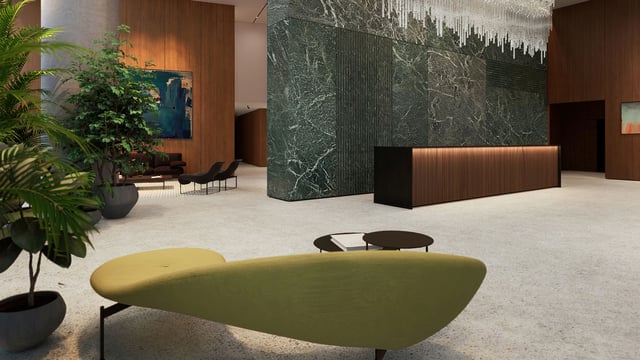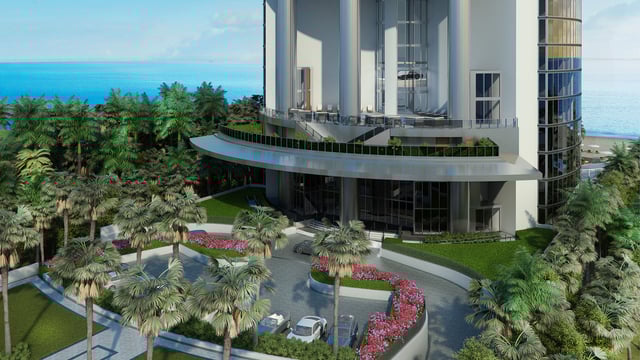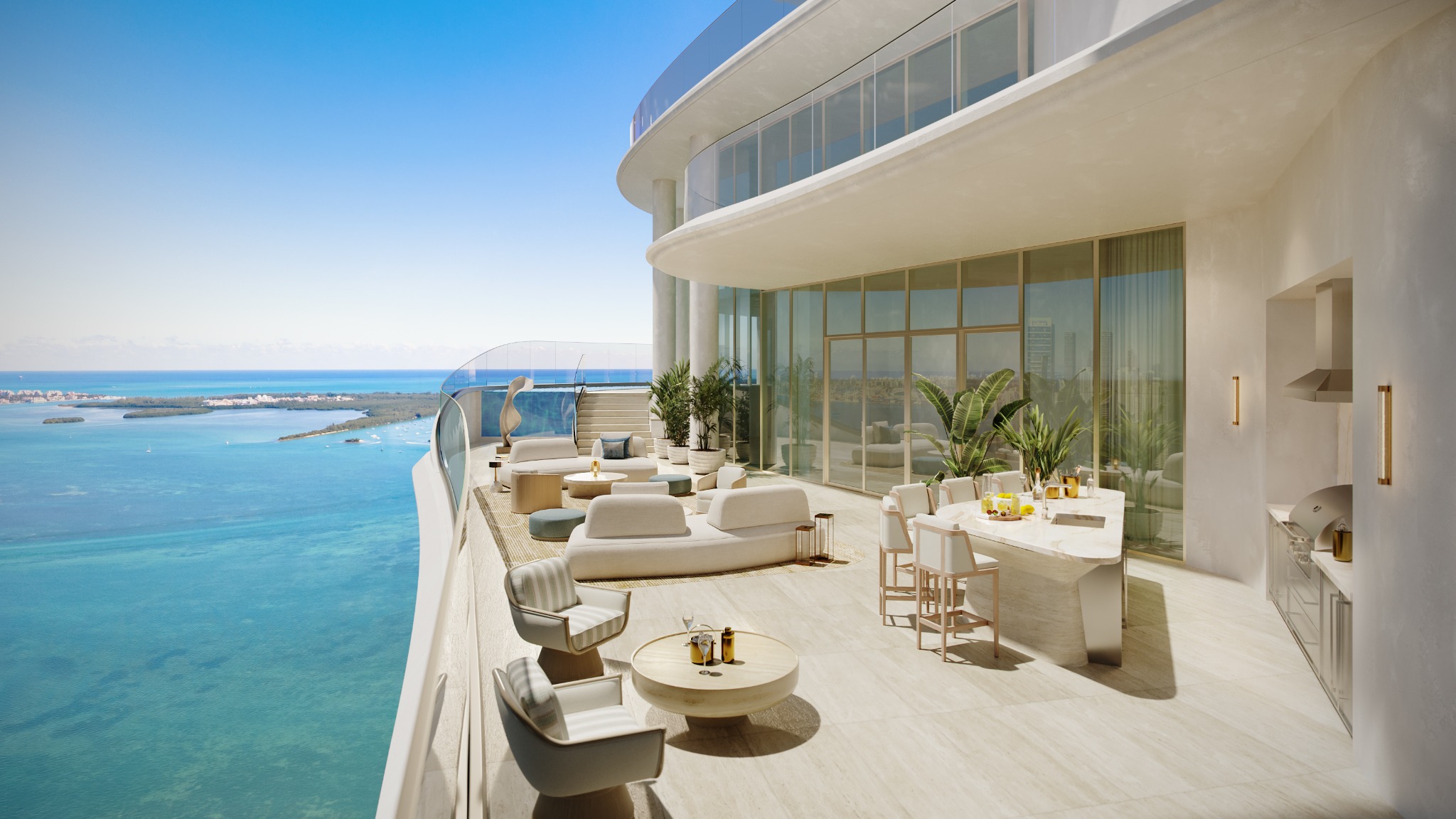
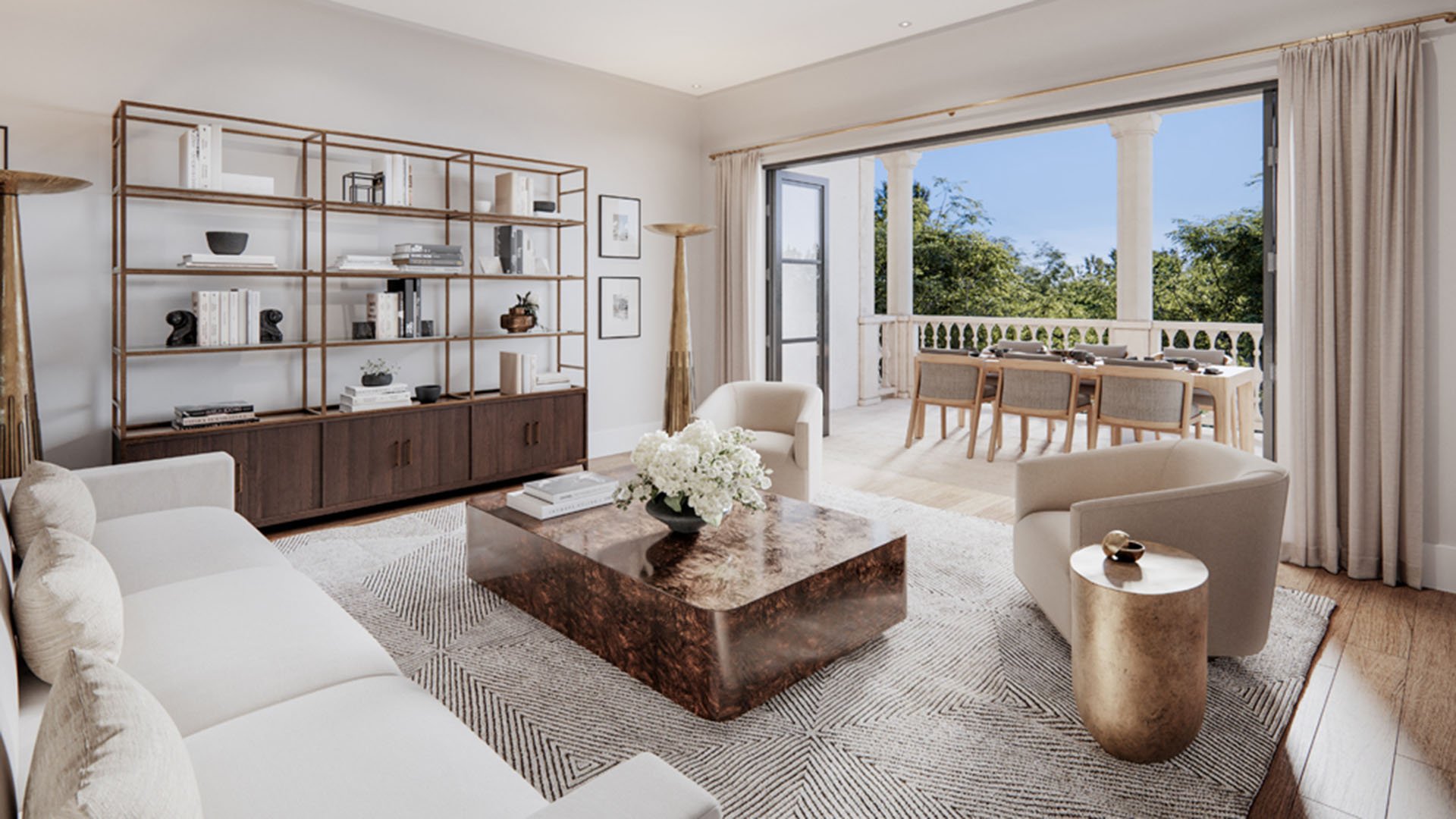
Mr. C Tigertail Coconut Grove for residents who want hospitality polish in a more intimate Grove setting
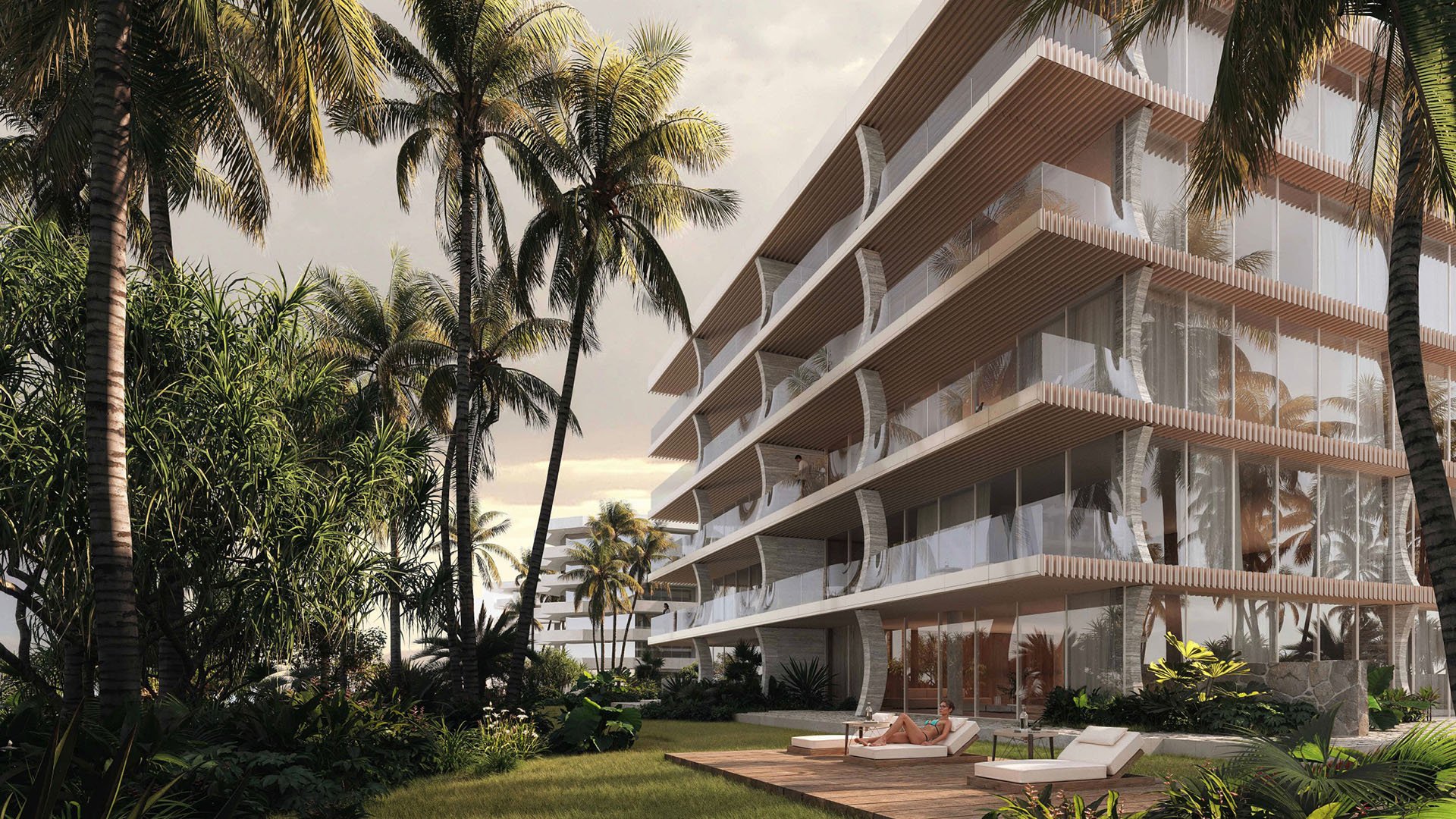
Mr. C Tigertail Coconut Grove speaks to a very specific South Florida buyer: someone who wants the discipline and ease of a luxury hospitality brand, but in a neighborhood that feels residential, walkable, and culturally rooted. Set in Coconut Grove’s village core, the project is positioned less like a sprawling resort and more like a serviced private residence with a refined, boutique sensibility. That distinction matters. In Miami, hospitality-led ownership often suggests beachfront energy, high turnover, and a more transient social rhythm. Mr. C Tigertail offers a different proposition. Here, the appeal is operational ease, personalized service, and a setting defined by mature canopy, established streets, and a sense of neighborhood continuity. For buyers considering a primary home, a second home, or a polished pied-à-terre, that balance can be unusually compelling. Within the broader Coconut Grove landscape, the project sits in conversation with other design-conscious addresses such as [Arbor Coconut Grove](https://www.millionluxury.com/coconut-grove/arbor-coconut-grove) and [Opus Coconut Grove](https://www.millionluxury.com/coconut-grove/opus-coconut-grove), though its hospitality orientation gives it a different personality. The result is a residence concept aimed at owners who value privacy, service, and a more intimate expression of luxury.

What buyers should verify about generator coverage before assuming storm-day comfort
In South Florida, backup power is often marketed as a luxury essential, but buyers should verify exactly what a generator can run, how it transfers, what fuel it depends on, and whether the installation is legal, maintained, and truly configured for comfort during an outage.

Palm Beach lakefront or oceanfront: which daily rhythm actually suits a full-time luxury buyer?
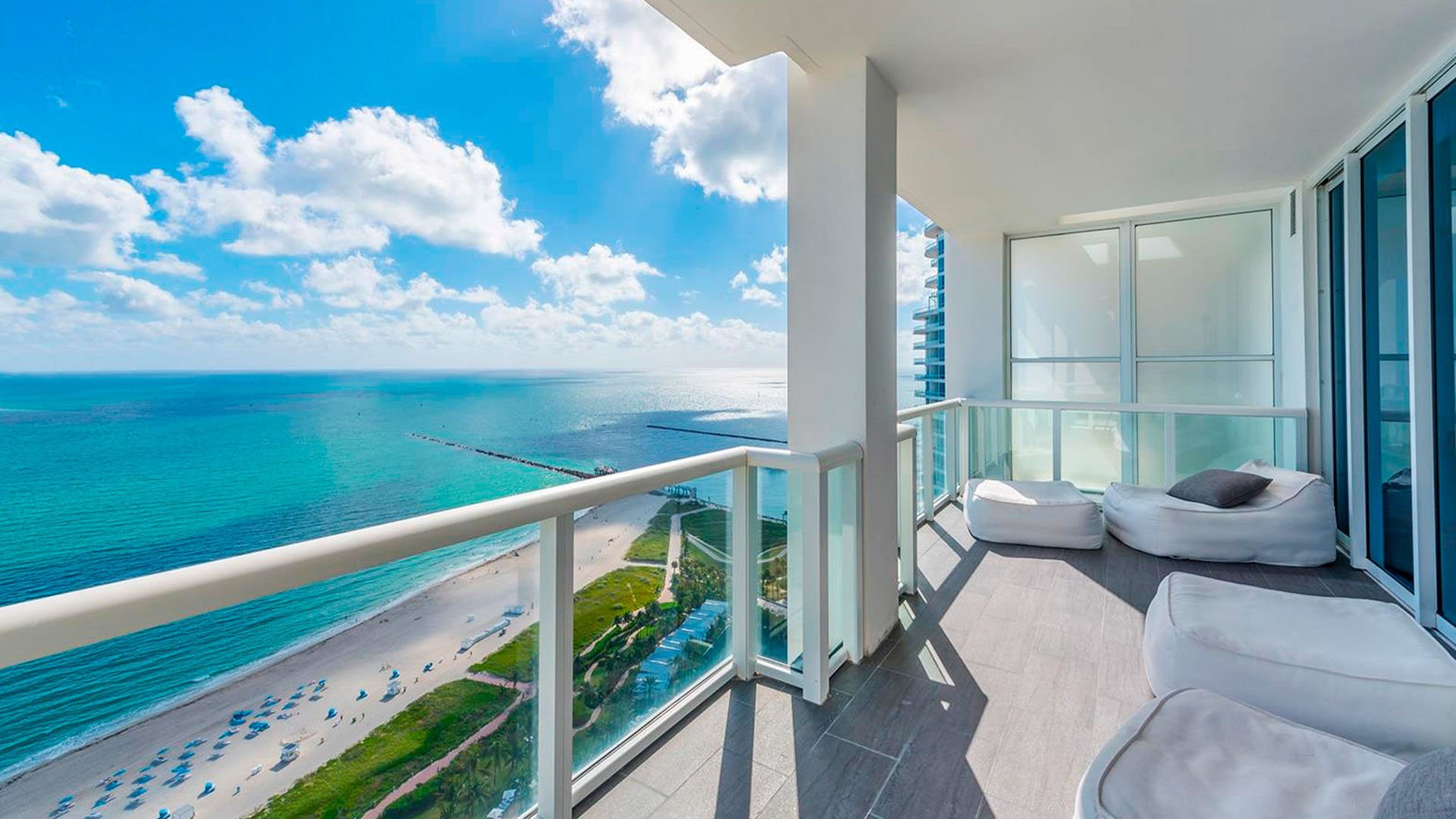
For Palm Beach full-time luxury buyers, the decisive difference between oceanfront and lakefront is not prestige but daily cadence. Oceanfront living is beach-first, public-edge, tide-aware, and more exposed to erosion and storm conditions. Lakefront in this market usually means Lake Worth Lagoon or Intracoastal frontage: calmer, dock-oriented, and more consistent for boating, but more dependent on water quality, dock upkeep, and navigability. The right choice comes down to whether a buyer wants mornings shaped by surf and shoreline or evenings organized around a boat slip, protected water, and a quieter edge.

Broward beach refinement with different tempos: Auberge Beach Residences & Spa Fort Lauderdale vs Rosewood Residences Hillsboro Beach
Auberge Beach Residences & Spa Fort Lauderdale and Rosewood Residences Hillsboro Beach express two distinct versions of Broward waterfront luxury. One is a completed Fort Lauderdale oceanfront address with a visible resale market, expansive amenity programming, and a defined architectural identity. The other is compelling through Rosewood’s hospitality-led residential philosophy, where service, discretion, and owner care shape the conversation more than publicly disclosed project specifics. For buyers weighing Broward, the distinction is less about which name is stronger and more about which tempo of ownership feels right.

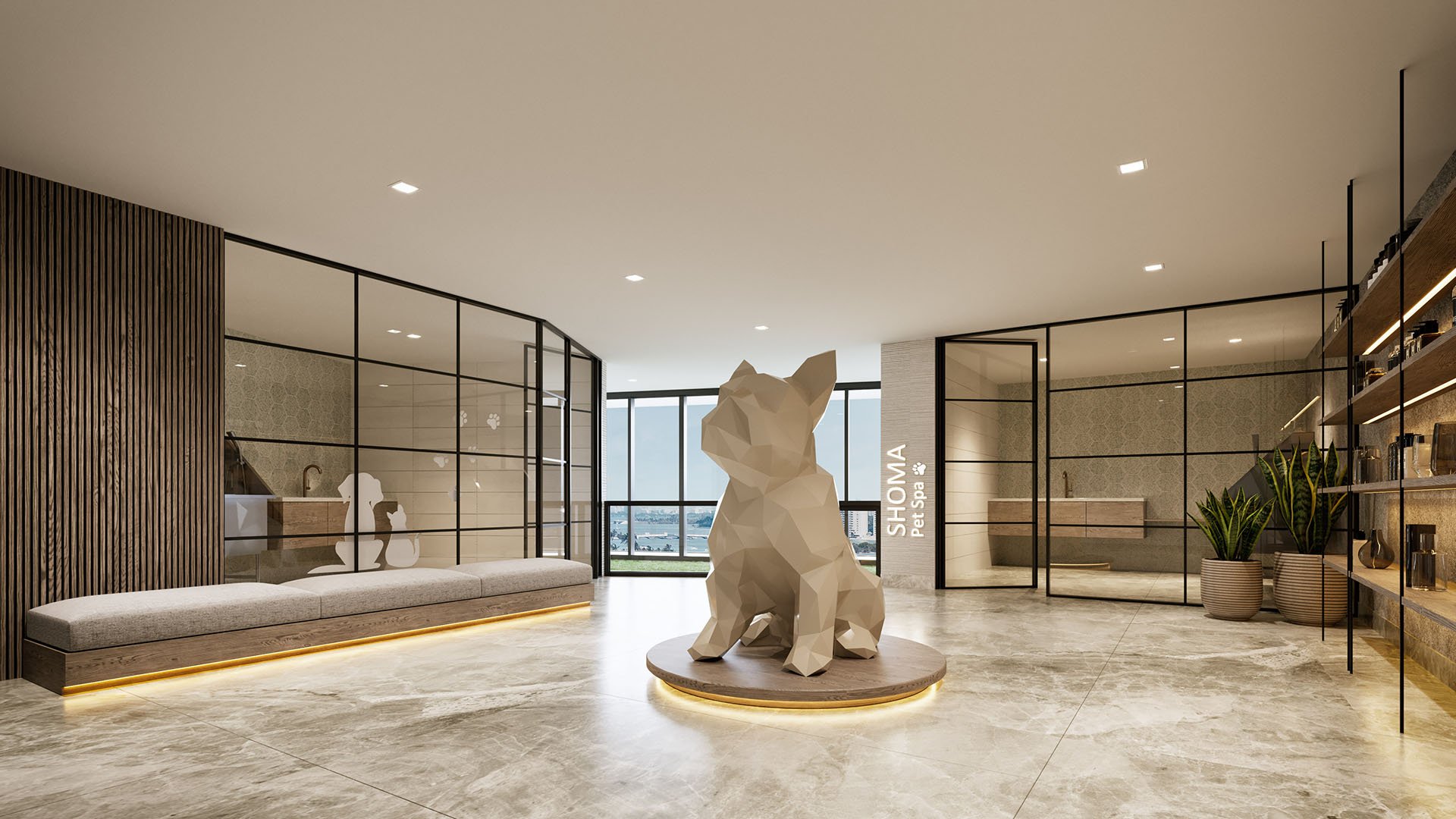
How to evaluate dog-friendly luxury when staff handle daily walks
A discerning buyer should treat staff-led dog walking as an operational amenity, not a marketing flourish. The real measure of pet-friendly luxury lies in who handles the walks, how the service is supervised, what infrastructure supports it, and whether the program is documented with the same rigor as any other concierge offering.

How to compare a building’s social energy when you want the option to engage without being consumed by it
A luxury buyer’s guide to reading a building’s social energy with precision, from space planning and resident mix to staffing, programming cadence, seasonality, and digital tools that keep engagement optional.