The Strict Zoning Laws Governing World Cup Rentals in Miami Beach
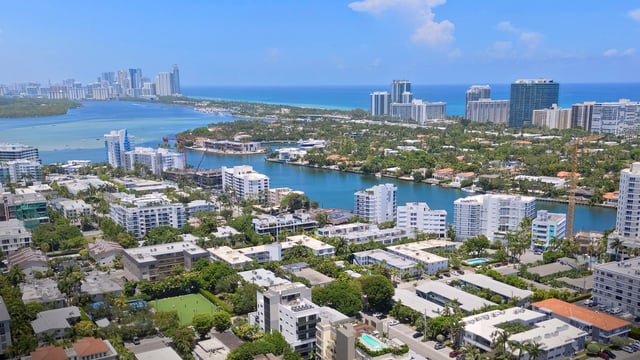
Miami Beach’s short-term rental landscape is governed less by hype than by zoning, building rules, and enforcement. With World Cup demand expected to push nightly rates and occupancy, the most sophisticated owners and guests will treat compliance as part of the luxury experience: clear minimum-stay rules, properly authorized operators, and buildings designed to handle transient use. This guide explains how to think about Miami Beach zoning, condo bylaws, and risk management when considering World Cup-season rentals, and why many high-end households choose a longer-term lease or a hotel-branded residence instead.
Evaluating the Waitlist Dynamics for Superyacht Dockage in Fort Lauderdale
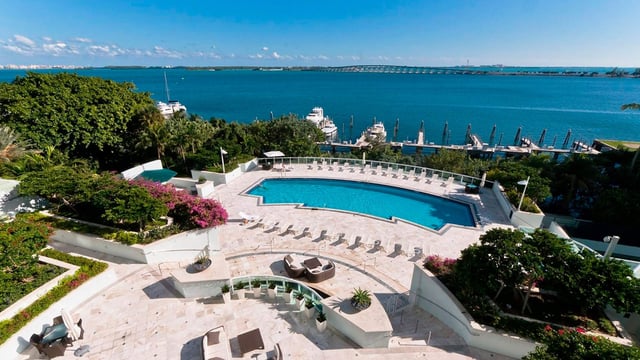
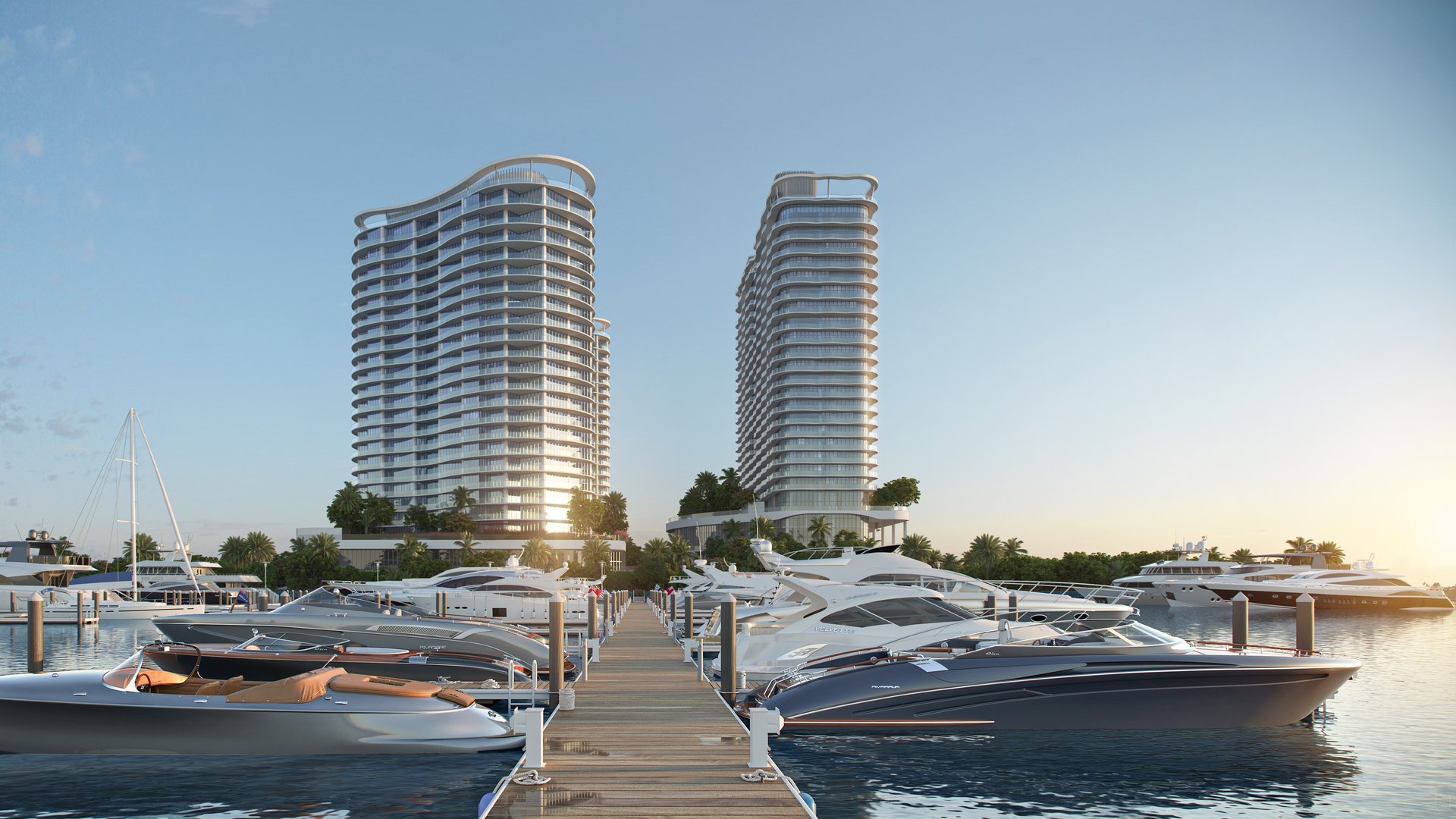
Fort Lauderdale’s superyacht dockage is less a simple reservation than a layered access system shaped by vessel profile, service expectations, and local operating realities. For buyers, the practical question is not whether dockage exists, but how quickly it can be secured at the right depth, beam, power, and proximity to the ocean. This guide frames waitlist dynamics as a risk item you can underwrite alongside the residence itself, and outlines strategies that protect cruising flexibility without compromising privacy or lifestyle.

The Importance of Dedicated Staff Parking in Miami High Rise Developments
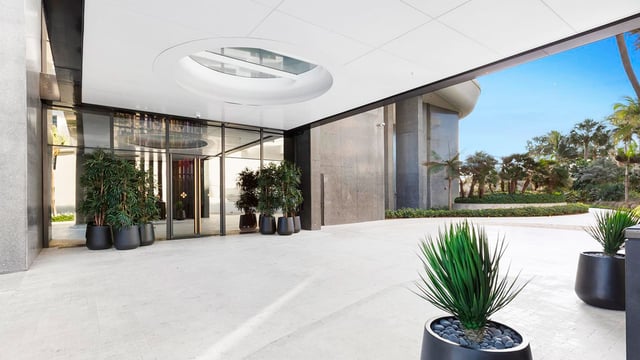
In Miami’s luxury high-rise market, dedicated staff parking is more than a convenience. It is an operational backbone that protects arrival rituals, reduces service friction, and supports retention of the people who make a building feel effortless. For buyers and developers, allocating secure, well-managed spaces for employees and vendors can materially influence resident experience, building security, and long-term value perception.
The Rise of the Dedicated Dog Spa and Grooming Suite in Brickell Condominiums
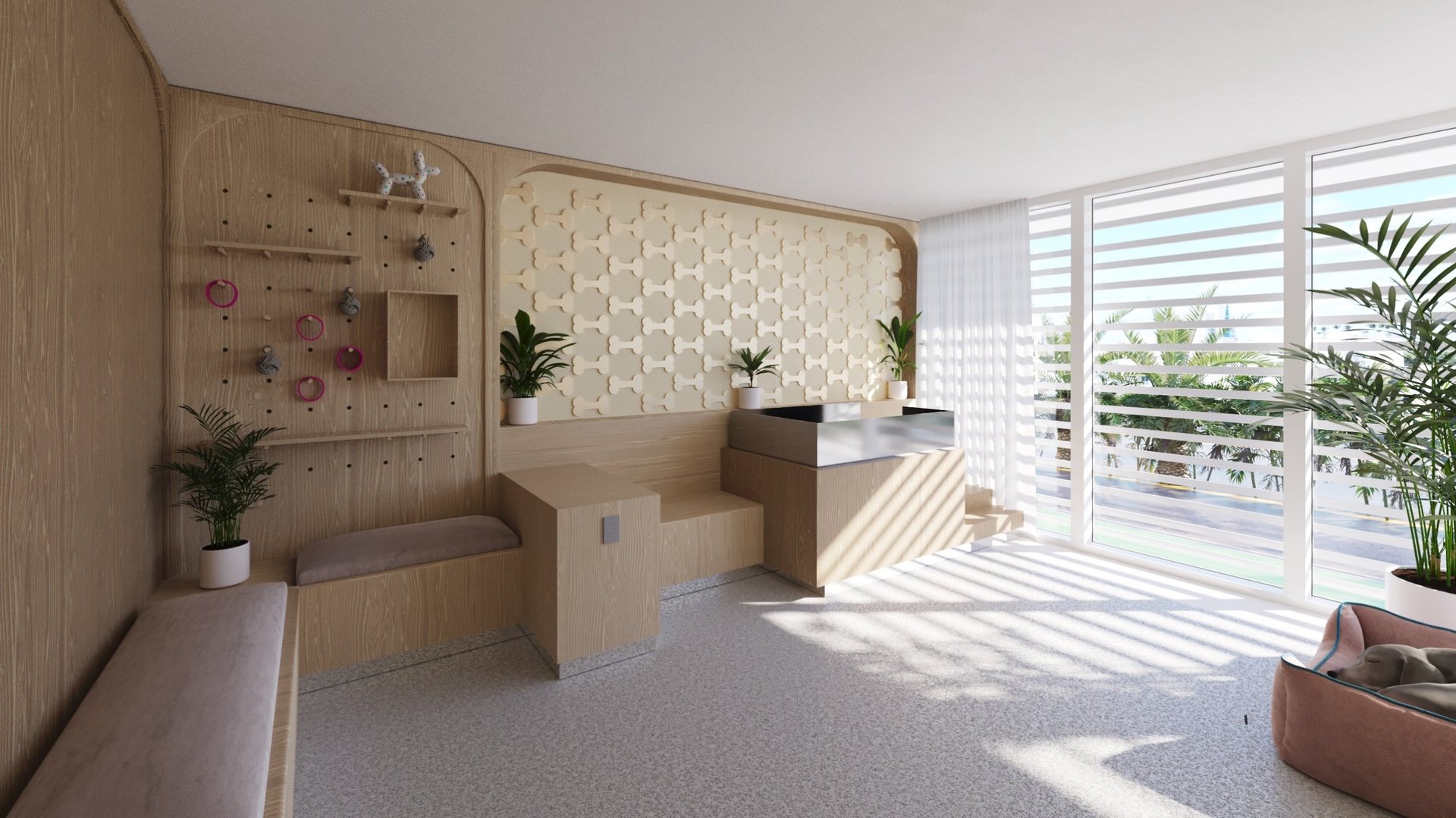
In Brickell, the pet amenity has matured from a simple relief area into a purpose-built grooming suite designed for daily life. Dedicated dog spas and wash stations reduce elevator friction, protect finishes, and support a cleaner, quieter building culture. For buyers, they are also a proxy for management sophistication, resident expectations, and long-term resale appeal in a neighborhood where lifestyle details increasingly define value.

The Logistics of In Home Personal Training and Private Pilates Studios
A discreet, buyer-oriented guide to setting up in-home training and a private Pilates studio in South Florida, from space planning and building rules to sound control, scheduling, and privacy.

How to Evaluate the Flow of Back of House Service Corridors for Private Catering
A buyer-focused guide to judging back-of-house service circulation in luxury South Florida residences, with practical walk-through tests that protect privacy, timing, and the guest experience.
.jpg&width=640)