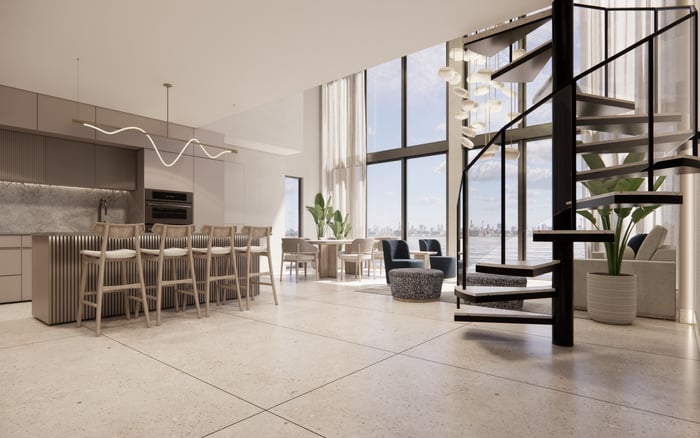
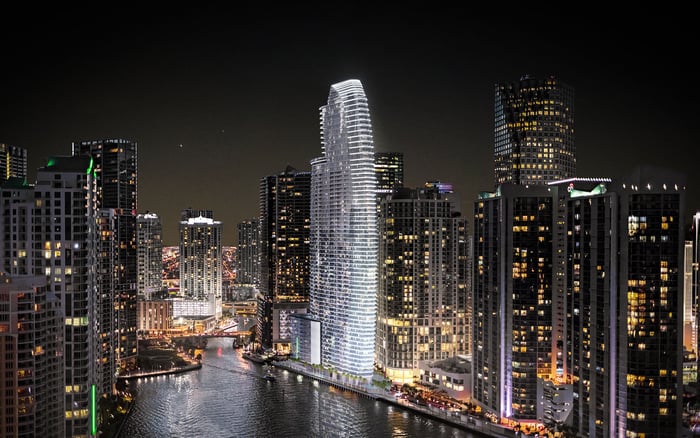
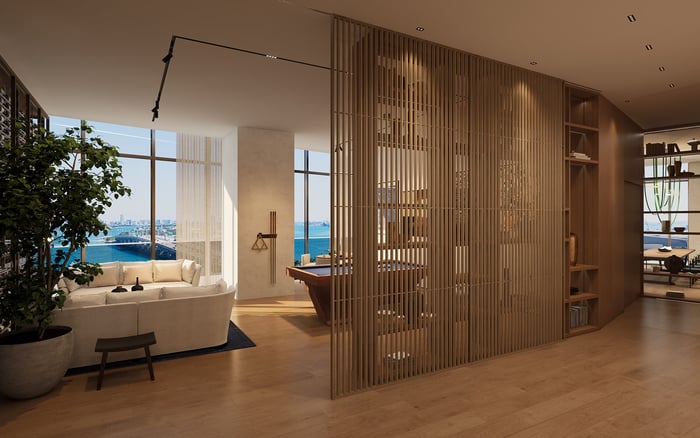
A buyer-oriented comparison of Pagani North Bay Village and Casa Bella by B&B Italia Downtown Miami, examining how European design language translates into two distinct luxury condo experiences in South Florida.
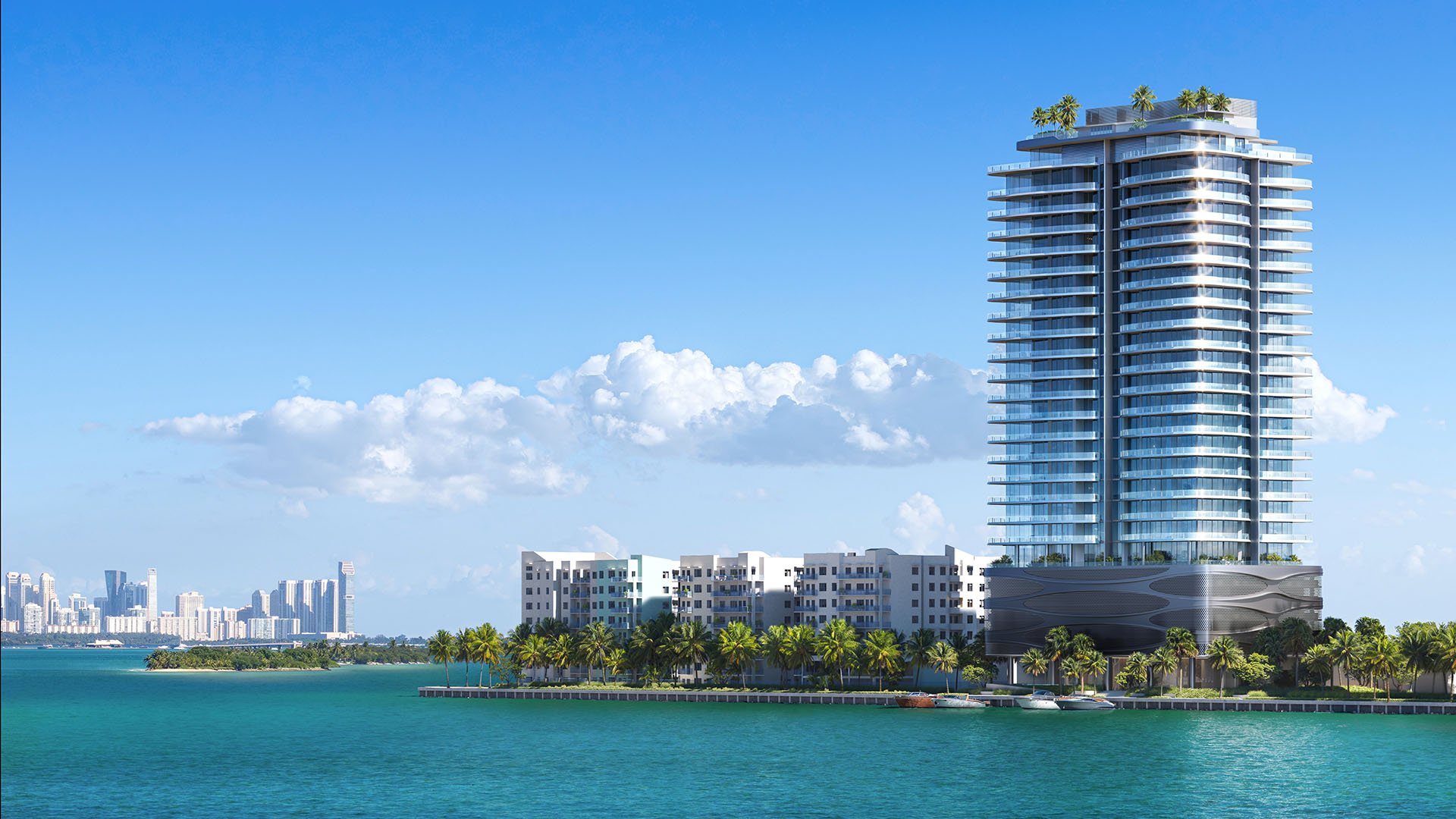
In South Florida’s upper tier, design branding has evolved well beyond decorative association. For today’s buyer, the real question is whether a residence expresses an authentic point of view or simply borrows a famous name. That distinction is especially relevant when comparing Pagani North Bay Village with Casa Bella by B&B Italia Downtown Miami.
Both projects speak with a European accent, yet in distinctly different dialects. One leans toward sculptural rarity and the idea of a collectible object set on the bay. The other is grounded in Italian domestic sophistication, translated into a more metropolitan residential experience. For buyers weighing brand identity, setting, and long-term livability, this is less a contest of prestige than a question of design fit.
The comparison reflects a broader shift in the regional market. Residences are no longer judged only by views, amenities, and finish packages. They are also measured by cultural fluency: what the building communicates aesthetically, how consistently that language carries from lobby to private quarters, and whether the resulting atmosphere aligns with the owner’s lifestyle.
Pagani’s design language is inseparable from the ideas of precision, rarity, and form as performance. In residential terms, that often translates into a more expressive visual identity, where curves, materials, and detailing are expected to feel highly considered rather than merely luxurious. In North Bay Village, that attitude lands differently than it would in a denser urban core. The bayfront setting softens the drama and gives it room to breathe.
The appeal of Pagani North Bay Village lies in that tension between statement and calm. Buyers drawn to the project are often seeking something more intimate than a major Downtown tower, yet more design-forward than a conventional waterfront condominium. The neighborhood itself has increasingly attracted attention as a strategic middle ground: close to Miami Beach, connected to the mainland, and oriented around water rather than pure vertical intensity.
This matters because branded design is most convincing when the surroundings support it. In a quieter bayfront environment, a European automotive-inspired sensibility can feel curated and private rather than theatrical. It becomes part of a slower luxury rhythm, one that privileges arrival, proportion, and a sense of retreat.
That same buyer may also be comparing the area with other branded and hospitality-inflected options nearby, such as Continuum Club & Residences North Bay Village or The Ritz-Carlton Residences® North Bay Village. The distinction is that Pagani reads less like classic resort refinement and more like a design object shaped into a residential program.
If Pagani is about sculptural exclusivity, Casa Bella is about cultivated Italian living in an urban setting. The B&B Italia association carries a different implication. Rather than drawing from performance culture, it evokes residential interior heritage, furniture pedigree, and a polished understanding of how people actually inhabit space. That is an important nuance for buyers considering Downtown as a primary or secondary residence.
In Casa Bella by B&B Italia Downtown Miami, the central promise is not only visual elegance but design coherence. The concept suggests that the home should feel composed from the inside out, with interiors as the emotional center of the experience. For many affluent purchasers, that can be more persuasive than a dramatic exterior narrative. The residence becomes less about spectacle and more about daily sophistication.
The surrounding district also shapes that identity. Downtown Miami offers scale, energy, and a more immediate relationship to the skyline. Buyers choosing this location are typically more comfortable with movement, density, and visibility. They may welcome the fact that the residence sits within a larger urban composition that includes cultural venues, business activity, and a continuous sense of momentum.
In that context, Casa Bella sits naturally among other design-conscious Downtown addresses such as Waldorf Astoria Residences Downtown Miami and Aston Martin Residences Downtown Miami. Yet Casa Bella’s Italian domestic lens gives it a softer, more interior-led identity than projects whose branding leans more overtly toward iconography.
For serious buyers, aesthetics matter only if they enhance the lived experience. That is where the comparison becomes practical.
Pagani may speak most clearly to purchasers who value a lower-density feel, bay orientation, and a residence that presents itself almost as a collectible piece. It is an especially compelling proposition for those who want water and design distinction without committing to the full exposure and velocity of a central urban district. In that sense, North Bay Village functions as part hideaway, part strategic location.
Casa Bella, by contrast, is likely to resonate with buyers who want European refinement embedded within a more active city framework. The design proposition is easier to connect with everyday urban living: hosting, arriving from a business dinner in Brickell, stepping into a composed interior environment, and maintaining proximity to the center of Miami’s social and commercial life. For these owners, Casa Bella by B&B Italia Downtown Miami may feel more aligned with routine, not just aspiration.
This is also why investment logic should be interpreted carefully. A branded residence can carry strong appeal, but not all brands attract the same buyer pool. Pagani’s audience may be narrower and more design-specific. Casa Bella’s may be broader among international buyers who immediately understand Italian furniture culture and are comfortable with a Downtown address. Neither is inherently superior. Each simply attracts a different kind of conviction.
The buyer for Pagani is often drawn first to individuality. This purchaser tends to place unusual value on design authorship, the emotional effect of form, and the idea that the building itself should feel rare. They may be less concerned with being in the thick of the city and more interested in how architecture frames privacy and waterfront calm.
The buyer for Casa Bella is usually more urban in temperament. They may still care deeply about aesthetics, but they tend to define luxury through ease, polish, and access. For them, branded Italian interiors are not simply a statement. They are shorthand for comfort, hosting quality, and a familiar global standard of taste.
There is also a subtle difference in how each project may age in perception. A highly expressive concept can remain memorable because it is distinct. A more interior-centered Italian composition can endure because it feels timeless. Sophisticated buyers often ask themselves a simple question: do I want my home to read as an object of design, or as an environment of design?
Viewed purely through the lens of European aesthetics, Pagani and Casa Bella are not interchangeable. They represent two distinct ideals of luxury condominium design in Miami. Pagani interprets Europe through precision, sculptural identity, and a quieter bayfront setting. Casa Bella interprets Europe through residential elegance, interior credibility, and urban placement.
For the buyer who wants an expressive waterfront residence with a more intimate sense of arrival, Pagani North Bay Village may hold the stronger pull. For the buyer who prefers polished Italian domesticity woven into the energy of Downtown, Casa Bella by B&B Italia Downtown Miami is often the clearer fit.
The most successful acquisitions in this segment are rarely about choosing the louder brand. They are about selecting the design language that best matches one’s private habits, social rhythms, and long view of ownership.
What is the main design difference between Pagani and Casa Bella? Pagani leans toward sculptural, collectible design expression, while Casa Bella emphasizes Italian interior sophistication and residential ease.
Which project feels more private? Pagani North Bay Village generally reads as the more intimate option because of its bayfront setting and quieter neighborhood character.
Which project is better for an urban lifestyle? Casa Bella by B&B Italia Downtown Miami is better aligned with buyers who want immediate access to Miami’s central urban energy.
Is North Bay Village considered a luxury growth area? It is increasingly viewed as an appealing waterfront enclave for buyers seeking access, views, and a more discreet atmosphere.
Does Downtown Miami suit second-home buyers? Yes, especially for owners who prefer a dynamic skyline setting and a residence close to business, dining, and cultural activity.
Are branded residences always better investments? Not necessarily. Brand value matters, but design coherence, location, and buyer demand are equally important.
Who is the likely buyer for Pagani North Bay Village? Typically, it is someone who values rarity, design authorship, and a more tranquil waterfront lifestyle.
Who is the likely buyer for Casa Bella by B&B Italia Downtown Miami? Often, it is a buyer who wants refined interiors, international familiarity, and a more city-centered routine.
How should buyers compare these two projects? Focus on setting, lifestyle rhythm, and whether you want the residence to feel like a design object or a polished urban home.
What is the best way to shortlist comparable options for touring? Start with location fit, delivery status, and daily lifestyle priorities, then compare stacks and elevations to validate views and privacy.
For a tailored shortlist and next-step guidance, connect with MILLION Luxury.
If branded residences are on your mind — as a home or as an allocation — we would be glad to share what we are seeing, privately.
Begin a quiet conversation