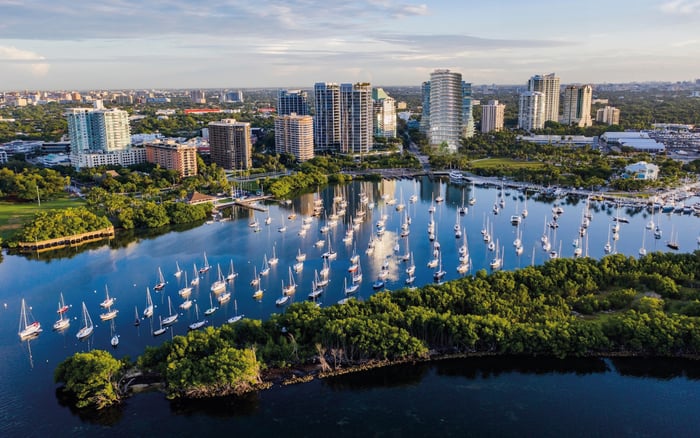
At Park Grove, an impressive amenity program is only the beginning of the ownership analysis. Buyers should examine reservation procedures, guest supervision, tower-specific privileges and inspection constraints to understand how access may function when demand is highest.
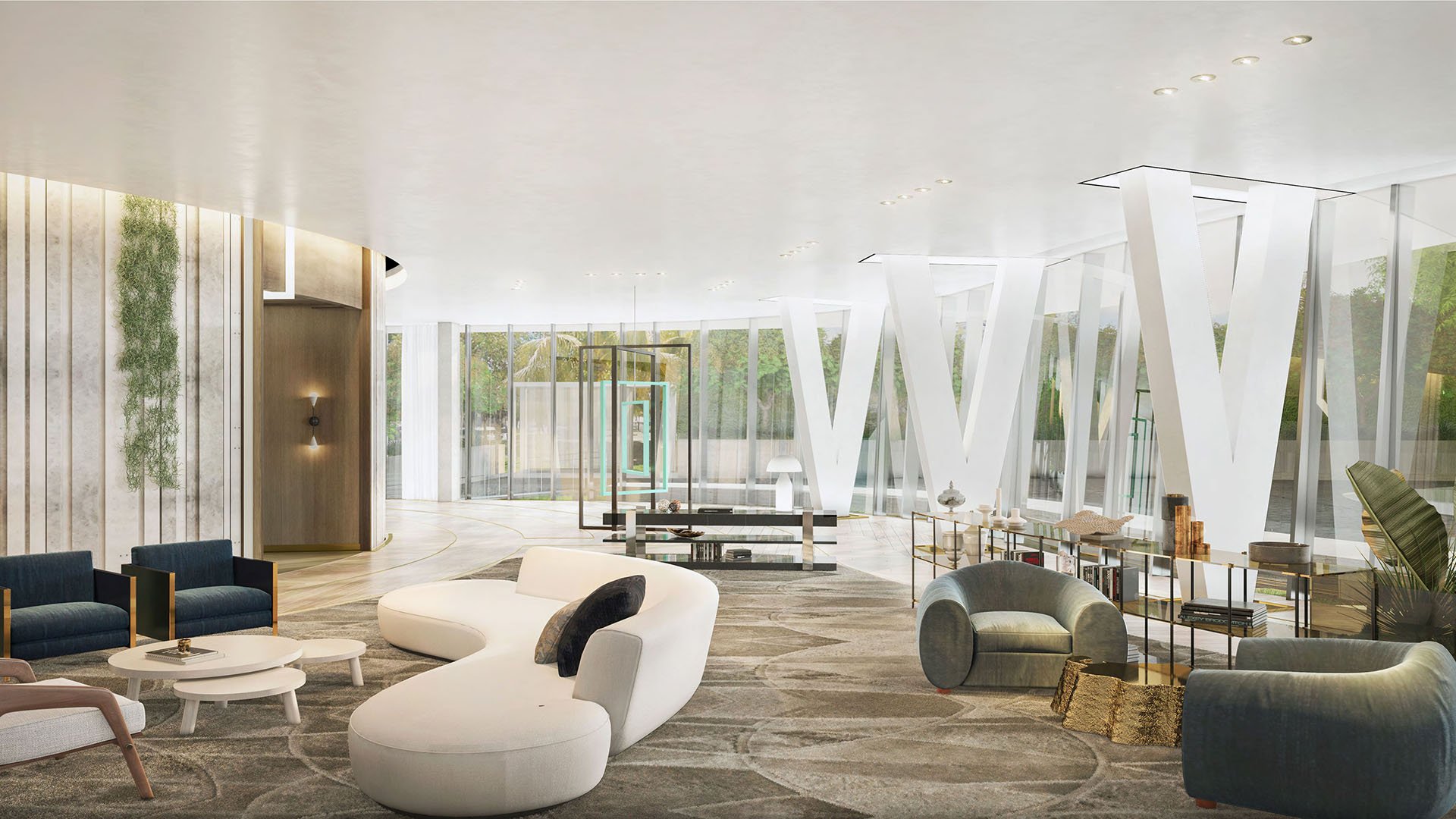
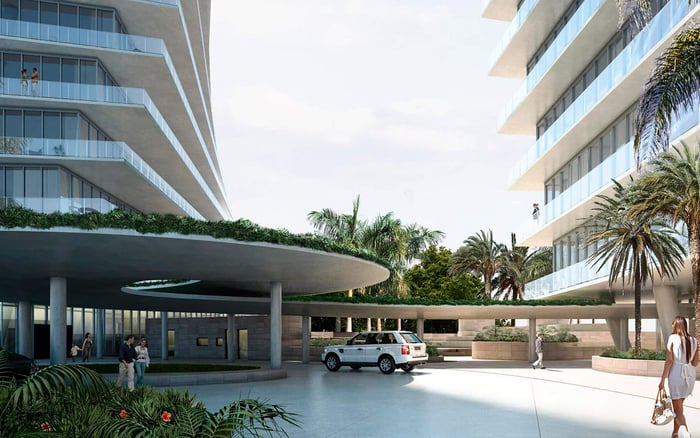
At Park Grove Coconut Grove, the architectural promise is compelling: bayfront pools, cabanas, wellness spaces and service-oriented common areas within a three-tower development on South Bayshore Drive. Yet for a purchaser, the presence of an amenity does not guarantee unrestricted use. Real access is defined by reservation procedures, tower eligibility, guest rules and management enforcement.
That distinction matters most during periods of high demand. At least some experiences are allocated through advance booking rather than ownership alone. Publicly available materials do not disclose reservation windows, cancellation policies, fee schedules, holiday treatment, guest caps, cabana inventory or wait times. Those omissions should become direct due-diligence questions-not assumptions filled by marketing language.
The true luxury is not simply an amenity's existence, but reliable access when an owner wants to use it.
For readers of MILLION Buyer's Guides, the central lesson is clear: lifestyle value depends on operating detail. A beautiful pool deck can be economically and personally meaningful, but its practical value changes if desirable spaces require early reservations, carry charges or become difficult to secure at peak times.
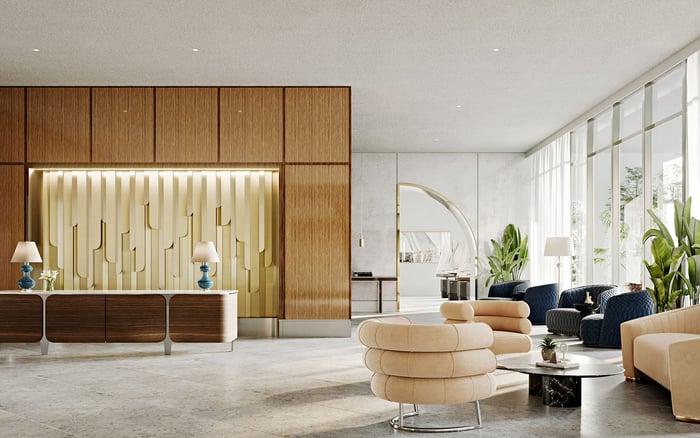
One Park Grove is marketed with approximately 50,000 square feet of lifestyle amenities. Its pool deck includes an elongated active lap pool, a separate passive pool and two water features facing the bay. Poolside cabanas, towel service and dining are also promoted, while a 6,000-square-foot fitness center, indoor and outdoor yoga facilities, and a full-service wellness spa with a steam room and sauna broaden the offering.
The diligence question is not whether these spaces exist, but how finite inventory is distributed. “Private cabanas” does not establish that cabanas are deeded, assigned to a residence, reserved for an owner's continuous use or available without a reservation. A buyer should ask management to demonstrate the current booking interface and explain which amenities require reservations, how far in advance owners may book, whether unused reservations incur penalties and whether priority differs among towers.
Peak-season access deserves a separate written inquiry. Ask how the system handles busy weekends and holidays, whether same-day availability is typical, whether waitlists are used and whether an owner may hold several future reservations simultaneously. No public rule set answers those questions. The current policy should therefore be obtained before the purchase contingency expires, along with any fee schedule and recent owner announcements modifying operations.
Park Grove comprises One Park Grove, Two Park Grove and Park Grove Club Residences. That shared identity should not lead a purchaser to assume identical amenity rights across all three. Club Residences advertises a dedicated rooftop pool, while One Park Grove promotes bayfront pools and cabanas. The distinction indicates that inventory and eligibility may vary by tower.
Request a written tower-access matrix identifying every shared, tower-specific and restricted amenity. It should address pools, cabanas, fitness and spa spaces, yoga areas, screening or media rooms, dining and private-event areas. It should also clarify whether access follows the unit, the registered resident, a membership category or another operational designation.
This comparison is especially relevant for buyers evaluating several Grove addresses. A purchaser considering Four Seasons Residences Coconut Grove, Mr. C Tigertail Coconut Grove or Vita at Grove Isle should apply the same discipline to each property: compare documented access rights, not amenity names alone. The objective is not to declare one model superior, but to determine which operating structure best matches the owner's routines.
Park Grove's management rules limit amenity use to approved registered residents and their guests. Preauthorized guests must remain accompanied by an approved registered resident whenever using the amenities. For an owner who entertains frequently, houses family members or expects visitors to enjoy the property independently, that requirement is material.
Under the stated rule, a guest cannot simply be authorized and then use the amenities alone. Buyers should test the implications through realistic scenarios. Can visiting adult children use the pool while the owner attends a meeting? May houseguests enter the gym before the resident wakes? How are caregivers, personal trainers or other service providers classified? The accompanied-guest rule provides the baseline, but management should answer the operational details in writing.
The same inquiry should cover guest-registration lead times, the number of guests permitted per residence, treatment of recurring guests and any restrictions during heavily used dates. These details are not publicly specified. Owners planning private events should also confirm capacity, reservation and catering procedures for event-oriented spaces, including the bay-view dining room promoted at Club Residences.
Park Grove prohibits photography in common areas that include the pool, yoga lawn, media room, gym, spa, lobby and master amenities. Realtors also may not show the gym, locker rooms or steam room while those facilities are in use. These protections support resident privacy, but they can limit a buyer's ability to document condition, scale and ambience during an ordinary tour.
Management cooperation is therefore important. Request a properly scheduled inspection that allows restricted facilities to be viewed without disrupting residents. If permitted, visit during a busy weekend or holiday period to observe crowding, service cadence and enforcement under real conditions. A quiet weekday walkthrough may reveal design quality, but not practical availability.
Because photography may be prohibited, buyers should take detailed written notes and request approved plans or materials they may retain. Confirm whether every advertised service remains active, whether access requires an appointment and whether renovations or temporary closures affect use. This is particularly important in a resale purchase, where current operations matter more than an earlier presentation of the property.
The association portal is the principal owner channel for reservation tools, documents, forms, news and announcements. A complete review should include the latest amenity rules, guest policy, reservation screenshots, fee schedule and tower-access matrix. Buyers should also request recent notices affecting hours, closures, booking procedures or conduct standards.
The most useful questions are precise. Which spaces require advance booking? What are the lead times and cancellation consequences? Are cabanas assigned, reservable or first come? Do peak dates carry different restrictions? How many guests may accompany a resident? Which facilities are exclusive to a tower? Can rules or charges change after closing, and where are updates published?
Responses should be reconciled with the purchaser's intended use. A seasonal owner who values spontaneous pool days has different priorities from a full-time resident focused on early-morning fitness. A family expecting frequent guests should give greater weight to supervision requirements and guest caps. An owner drawn to private entertaining should focus on event-space procedures, deposits, catering and availability.
The polished experience at Park Grove is inseparable from the system that protects and allocates it. Strong rules may preserve privacy, condition and service quality, but they also define the limits of convenience. The best-informed buyer evaluates both sides before treating an amenity package as part of the residence's usable value.
For discreet guidance on South Florida luxury ownership and amenity due diligence, connect with MILLION.
If branded residences are on your mind — as a home or as an allocation — we would be glad to share what we are seeing, privately.
Begin a quiet conversationNo. At least some amenities are managed through reservations, and access is also subject to resident, guest and tower rules.
Amenity use is restricted to approved registered residents and their guests under management rules.
No. A preauthorized guest must remain accompanied by the approved registered resident while using amenities.
Public materials do not establish that cabanas are deeded, continuously exclusive or assigned to specific residences. Buyers should verify allocation directly with management.
No detailed public information specifies booking windows, cancellation rules, fees, guest caps or peak-date restrictions.
That should not be assumed. Club Residences advertises a dedicated rooftop pool, while One Park Grove promotes bayfront pools and cabanas.
Request current amenity rules, the guest policy, reservation screenshots, the fee schedule and a written tower-access matrix.
Realtors may not show the gym, locker rooms or steam room while those facilities are in use, and photography is prohibited in numerous common areas.
They should examine the accompanied-guest rule, guest caps, registration timing and procedures for reserving private-event spaces.
The association portal provides reservations, documents, forms, news and announcements, making it the key channel for operational updates.