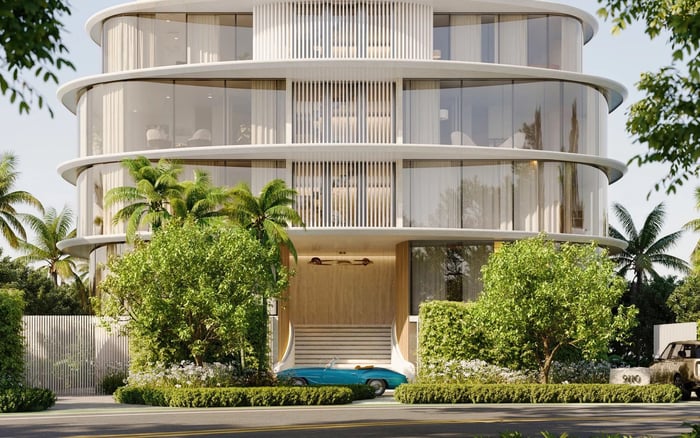
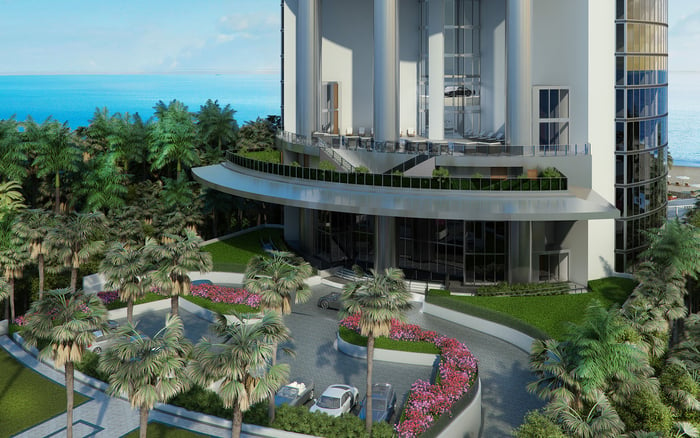
A discreet operating plan for Riyadh arrivals navigating Aventura, Formula 1 weekend and the Miami International Boat Show, with practical guidance on airport buffers, credentials, staging and coordinated transfers.
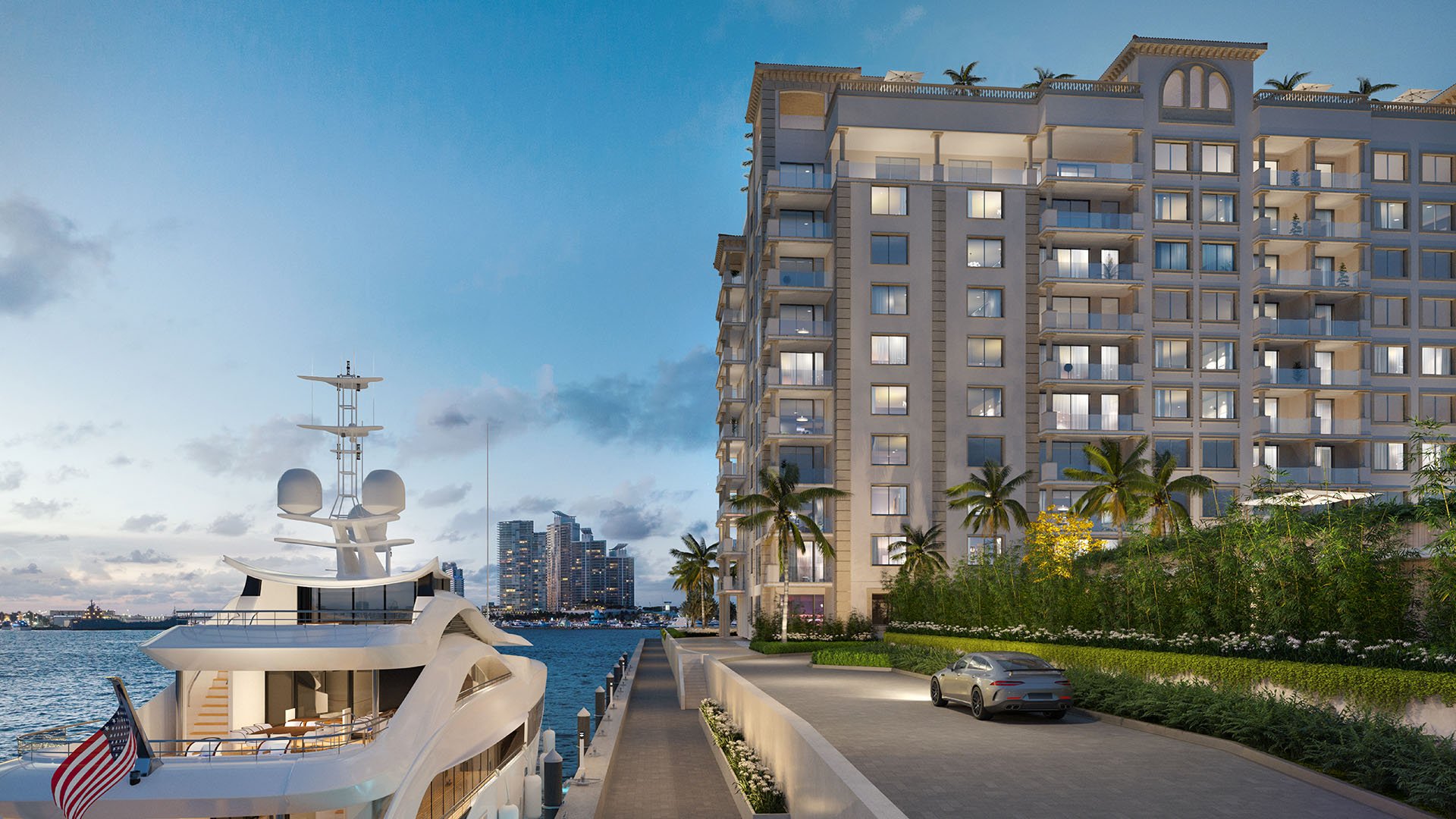
A flight schedule is only one part of the journey from Riyadh to Aventura. Airport formalities, baggage handling, vehicle loading and the drive into Miami-Dade County must remain separate components of the operating plan. Their timing should be based on confirmed travel details rather than a fixed assumption.
For a principal traveling to a residence such as Avenia Aventura, work backward from the first immovable appointment. Keep the arrival window distinct from event transportation, and avoid placing unnecessary commitments immediately after landing when the itinerary allows.
In event-week Miami, precision begins before the car leaves for the airport.
The chauffeur should monitor the confirmed arrival and receive any changes through a designated point of contact. The residence team or concierge can coordinate luggage, passenger preferences and the next departure without forcing the traveler to manage several conversations in transit.
Formula 1 activity around Hard Rock Stadium can affect the final approach, making event instructions more important than a familiar everyday route. The operating plan should therefore begin with the current parking credential, authorized entrance and official routing supplied for the specific session.
Send the driver the relevant pass and gate details before the vehicle departs. Ordinary navigation can remain a supporting tool, but it should not override current event instructions or directions from traffic personnel. A saved route from an earlier occasion is not a substitute for the plan issued for the day.
The pickup requires the same attention as the arrival. Choose a collection point that every passenger can identify, explain how the driver will signal readiness and establish who can approve a change. If the preferred approach becomes unavailable, the chauffeur should move to the agreed fallback staging area rather than improvise near a controlled perimeter.
Residents approaching from the coast, including those based at Bentley Residences Sunny Isles, benefit from the same method. The starting address may influence the broader route, but access near the venue should remain tied to current credentials and event guidance.
The Miami International Boat Show calls for a different transport strategy because a client’s appointments may involve Miami Beach, Downtown Miami or waterfront settings. Start with the confirmed exhibit and meeting list, then arrange the day in a logical geographic sequence.
For Miami Beach appointments, a residence such as Setai Residences Miami Beach can provide a convenient base. Even so, the chauffeur should avoid unplanned waiting beside a busy entrance. A cleaner protocol is a precise drop-off, lawful staging away from the immediate queue and a pickup triggered when the passenger is ready.
Parking, shuttles, water transportation, operating hours and access points should all be reconfirmed for the relevant show day. These details may vary, so they should not be copied from an earlier edition or treated as permanent.
When the itinerary emphasizes Downtown Miami, keeping the vehicle on the mainland may simplify the day. The passenger can use a confirmed show transportation option when appropriate while the chauffeur remains positioned for the next transfer. This can reduce unnecessary vehicle movement between downtown and Miami Beach.
A downtown residence such as Aston Martin Residences Downtown Miami fits naturally into an itinerary centered on mainland meetings or waterfront appointments. The practical advantage comes from matching the residence, venues and transfer plan rather than assuming one mode of transportation will suit every stop.
Any water-based segment needs a clear fallback. The driver should know where to meet the passenger if the planned service changes, and the passenger should have the pickup location in writing. Luggage, accessibility needs and weather preferences should also be considered before assigning a water transfer.
A polished driver brief should be easy to scan. Include the passenger name, confirmed departure time, destination, credential, authorized entrance, primary approach, fallback staging area, pickup trigger and principal point of contact. Attach only the current materials needed for that movement.
For Formula 1, prioritize the day’s credential and event-routing instructions. For the Boat Show, prioritize the confirmed venue sequence and any verified transportation details. For an airport arrival, include the flight information, passenger contact protocol, luggage expectations and destination.
The brief should also define decision authority. If timing changes, one person should tell the driver whether to hold, reposition or proceed to the next stop. This prevents conflicting messages among the passenger, household, concierge and security team.
The final review should happen close enough to departure to capture changes without creating last-minute confusion. Confirm the flight or appointment, vehicle, driver, credential, destination, pickup instructions and fallback plan. Avoid carrying forward assumptions about roads, parking or transportation services.
The objective is not to promise a traffic-free journey. It is to protect the principal from avoidable uncertainty through disciplined preparation, simple communication and a South Florida itinerary organized around the day’s actual priorities.
For discreet guidance on residences that complement a carefully planned South Florida itinerary, connect with MILLION.
If branded residences are on your mind — as a home or as an allocation — we would be glad to share what we are seeing, privately.
Begin a quiet conversationTreat the flight, airport process, luggage collection and ground transfer as separate planning stages. Base each stage on confirmed travel details.
Yes. Keeping the two movements distinct provides a clearer plan and reduces reliance on uncertain airport timing.
Provide the current parking credential, authorized entrance, event-routing instructions, pickup point and fallback staging plan.
No. Current event guidance and directions from traffic personnel should take priority near the venue.
Choose a location that the passengers and driver can identify easily. Share the pickup trigger and fallback location in advance.
Arrange the day around confirmed exhibits and meetings, grouping stops into a practical geographic sequence.
A precise drop-off followed by lawful staging elsewhere is generally a cleaner operating protocol. The driver can return when the passenger is ready.
It can suit an itinerary focused on Downtown Miami or confirmed waterfront transportation. The vehicle should remain positioned for the next planned transfer.
Include timing, destination, credentials, access instructions, staging, pickup protocol, fallback arrangements and one decision-making contact.
Recheck the appointment or flight, vehicle, driver, credential, destination, pickup plan and any transportation arrangements.