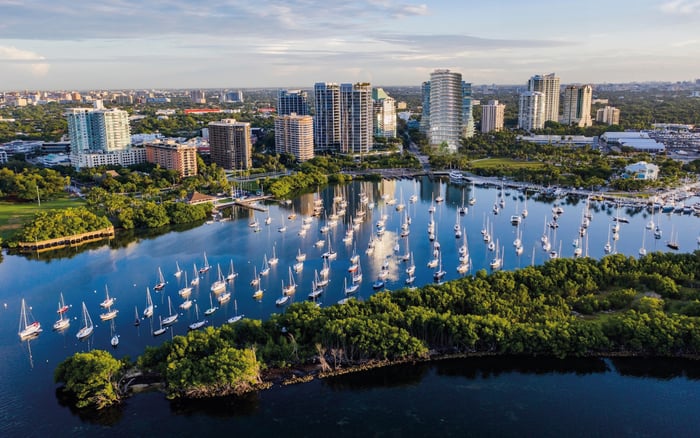
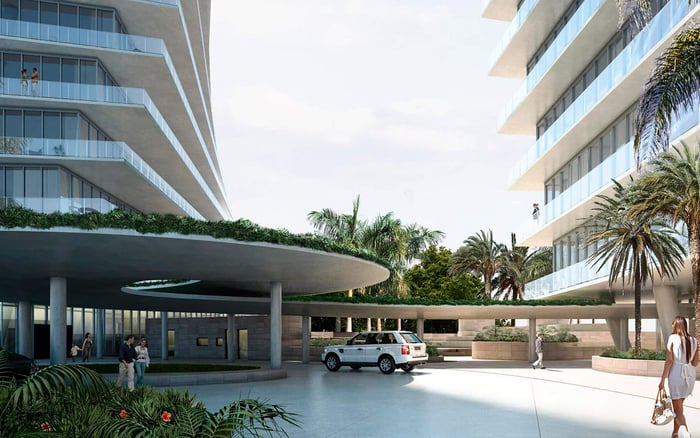
A practical due-diligence guide for seasonal owners evaluating waterfront access, resident services, vacancy protocols, and guest permissions at Mr. C Tigertail Coconut Grove.

For a seasonal owner, Coconut Grove’s appeal is closely tied to the water. Yet proximity alone does not confer the right to use a dock, beach, boat slip, launch point, club, or marina. The central question at Mr. C Tigertail Coconut Grove is not simply what lies nearby, but how an owner may access it, under whose rules, and with how much advance planning.
Begin by asking management to classify each relevant waterfront option. Is it public, membership-based, resident-only, or governed through a separate marina arrangement? If a third party controls entry, request the current eligibility requirements, reservation procedures, charges, cancellation terms, and seasonal restrictions in writing. No assumption about private or deeded access should take the place of documentation.
This distinction is especially important for a second-home household. A waterfront plan that works during a quiet midweek stay may operate differently over holidays or during periods of elevated demand. Confirm hours, blackout periods, required notice, equipment rules, transportation logistics, and whether the person arranging access must accompany family or guests.
Luxury service is most valuable when its scope is understood before arrival. Ask whether residence staff can coordinate transportation, reservations, equipment, or other practical elements related to nearby waterfront use. Then establish who performs each task and when the service is available.
Treat building-wide personnel, residence-specific services, concierge coverage, valet operations, and third-party vendors as separate categories. A concierge may be able to facilitate a request without controlling the venue, inventory, timing, or final approval. Likewise, a vendor relationship may involve its own fees, waivers, gratuity expectations, insurance requirements, and cancellation provisions.
Request a concise service matrix outlining regular hours, after-hours procedures, holiday coverage, advance-notice standards, and escalation contacts. The same questions can sharpen comparisons with other Grove addresses, including Four Seasons Residences Coconut Grove and Park Grove Coconut Grove. The objective is not to assume identical service models, but to compare each residence through its written operating terms.
Seasonal ownership is defined as much by the months away as by the weeks in residence. Ask which functions continue while the unit is vacant, including access control, delivery handling, inspections, owner notifications, and vendor or domestic-staff authorization. Determine which services are included, which require enrollment, and which incur separate charges.
A disciplined vacancy plan should specify who may enter the residence, why entry may occur, how permission is recorded, and whether the owner receives notice before or after access. Ask how urgent issues are communicated, what happens if an owner cannot be reached, and whether an approved local representative may make decisions.
Delivery procedures warrant equal attention. Confirm whether packages, furnishings, groceries, luggage, or maintenance materials can be accepted during an absence. Establish holding limits, scheduling requirements, proof-of-delivery practices, and restrictions involving oversized or perishable items.
Owners considering Vita at Grove Isle or another nearby residence can apply the same framework. For a luxury lifestyle, consistency often matters more than the number of nominal services. The strongest operating model is one in which responsibilities, permissions, and response pathways remain clear while the owner is out of state or abroad.
A general assurance that guests are welcome is insufficient. Request the current rules governing preregistration, identification, access credentials, parking, amenity eligibility, and unaccompanied entry. Ask how far in advance registration must be completed and whether procedures change after hours, on weekends, or during holidays.
Different people may be treated differently. Overnight guests, family members, tenants, domestic staff, contractors, personal assistants, and service providers may have distinct credentials, time limits, parking privileges, or escort requirements. Confirm whether an owner can authorize recurring access and how that authorization may be amended or revoked.
Waterfront plans add another layer. If a nearby facility requires separate registration or membership, building approval may not confer venue access. Ask whether guests can accompany an owner, arrive independently, use reserved equipment, or receive transportation arranged by the residence. The answers should clearly distinguish convenience from entitlement.
Before committing, obtain the current condominium documents, house rules, fee schedules, service descriptions, and written management responses. Ask whether policies can change, who has the authority to revise them, and how owners are notified. When a service depends on an outside operator, request written confirmation of that relationship rather than relying on a sales conversation.
Create a one-page ownership brief covering waterfront classifications, reservation contacts, staffing windows, vacancy instructions, approved entrants, guest categories, parking, and emergency escalation. Revisit it before each seasonal arrival. That simple discipline turns an attractive location into a predictable ownership experience while reducing friction for family, staff, and guests.
Does the residence include private waterfront access? The available information does not establish private or deeded access. Confirm any access rights directly with management and in the governing documents.
What should owners ask about nearby waterfront facilities? Ask whether each facility is public, membership-based, resident-only, or subject to a separate marina arrangement.
Can the concierge arrange waterfront activities? Ask whether staff can coordinate transportation, reservations, equipment, or related services, and whether outside vendors are involved.
Should seasonal availability be confirmed? Yes. Verify operating hours, advance notice, holiday coverage, blackout periods, and seasonal limitations.
Which staffing categories should be reviewed separately? Distinguish building personnel, residence-specific services, concierge coverage, valet operations, and third-party vendors.
What should continue while the residence is vacant? Confirm access control, delivery handling, inspections, owner notifications, and procedures for authorized entry.
What guest-registration details matter most? Review preregistration, identification, credentials, parking, amenity eligibility, and rules for unaccompanied guests.
Are family, tenants, and contractors treated alike? Not necessarily. Request the specific rules for overnight guests, relatives, tenants, domestic staff, and contractors.
Can a guest use a waterfront reservation without the owner? Do not assume so. Confirm both residence rules and the separate requirements of the facility controlling access.
What documents should a buyer request before closing? Obtain current condominium documents, house rules, fee schedules, service terms, and written management confirmations.
For a confidential assessment and a building-by-building shortlist, connect with MILLION.
If branded residences are on your mind — as a home or as an allocation — we would be glad to share what we are seeing, privately.
Begin a quiet conversation