For a seasonal Coconut Grove buyer, the decisive luxury may be certainty: documented water access, resilient building operations and a credible plan for protecting the residence while its owner is away.
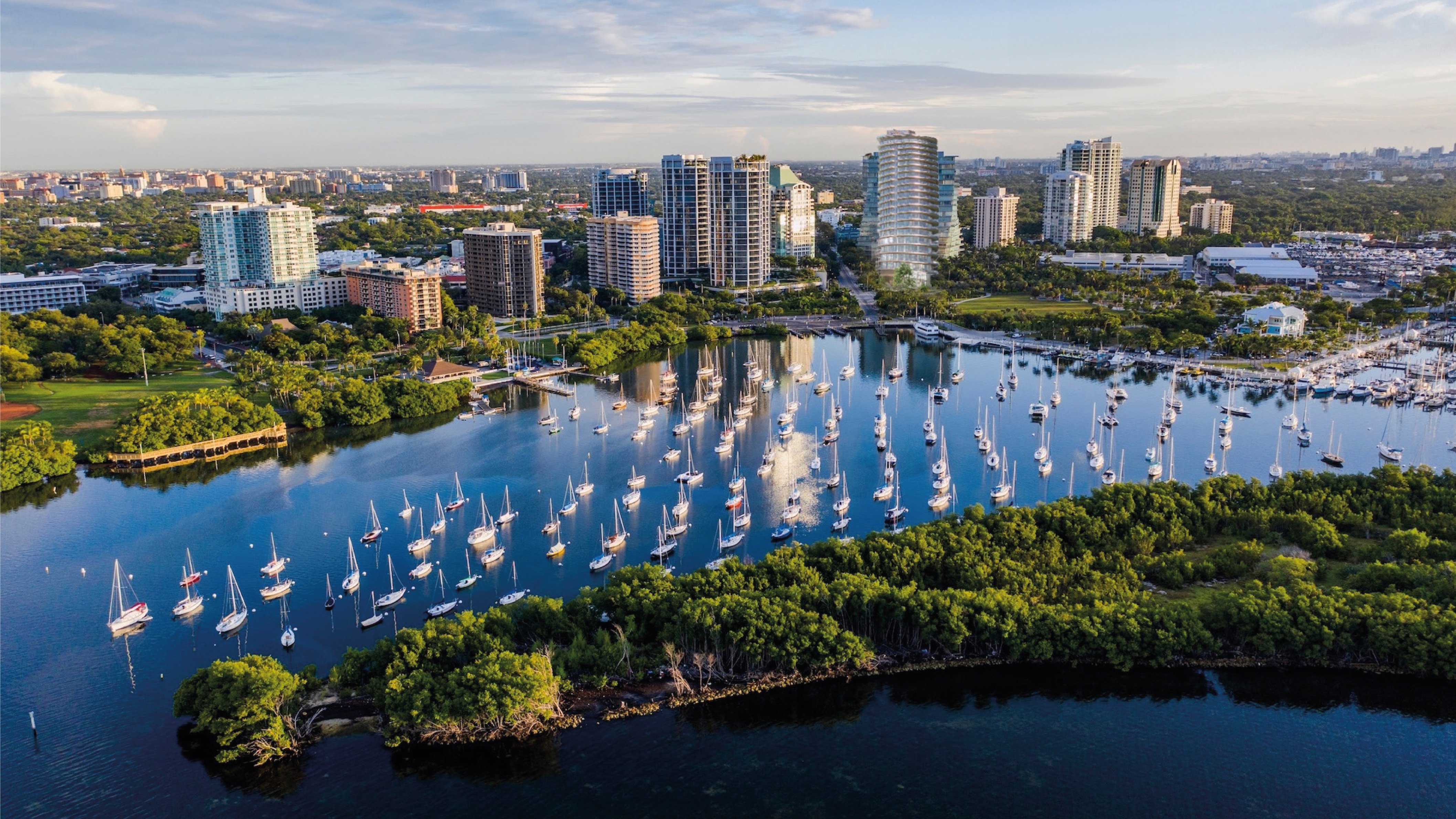
For a seasonal owner, Coconut Grove offers an unusually compelling combination of Biscayne Bay, established residential streets and a deeply rooted boating culture. Yet the most consequential features of a waterfront purchase may never appear in the amenity brochure. They reside instead in declarations, lease agreements, insurance policies, maintenance records and hurricane procedures.
That distinction matters because much of the Grove shoreline is publicly owned but privately leased. City ownership extends across nearly the entire 1.5-mile waterfront stretch beginning around Peacock Park. Historically, 11 shoreline tenants operated through ground leases with the City of Miami, including Grove Key Marina, the U.S. Sailing Center and Coconut Grove Sailing Club. Current leaseholders include Regatta Harbour, Bayshore Landing and Grove Harbour Marina, among others.
The practical lesson is simple: a bay view and a nearby marina do not, by themselves, create a right of access.
Buyers should identify the entity controlling any dock, club, marina or launch facility associated with a property. Counsel can then determine whether access is deeded, assigned, separately leased, waitlisted or revocable-and whether that privilege transfers upon resale.
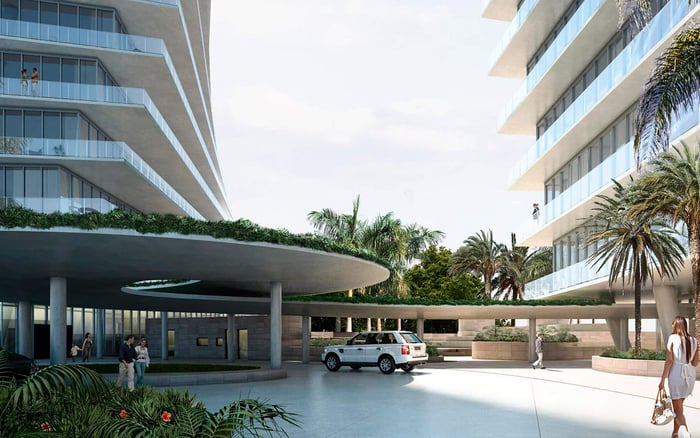
This is especially important when evaluating branded or service-rich buildings. Four Seasons Residences Coconut Grove is being developed at 2699 South Bayshore Drive on the Biscayne Bay waterfront as a planned 20-story property, with completion planned for 2028. Its marketing materials may articulate the vision, but enforceable water-access rights must still be established through governing documents and contracts.
The same discipline applies across established and newer choices. A purchaser comparing Park Grove Coconut Grove with other bayfront or near-bay residences should distinguish among three ideas that brochures often blend together: the view, the shoreline relationship and the legal right to use specific waterfront infrastructure.
Coconut Grove inventory ranges from managed bayfront condominiums to townhomes and single-family homes near marinas or the bay. For a second-home buyer, the central trade-off is between lock-and-leave management and direct control.
A condominium may centralize staffing, common-area preparation and post-storm inspections. A single-family residence can provide greater autonomy, but it also places more responsibility on the owner and the owner’s local team. Comparisons involving Mr. C Tigertail Coconut Grove, townhome options and detached houses should therefore focus less on amenity count and more on who acts when the owner cannot.
Ask who installs shutters, secures outdoor furniture, monitors water intrusion and authorizes urgent repairs. Determine how management communicates before and after a storm, whether personnel remain available during an emergency and how quickly the residence can be inspected once access is restored. The strongest absence plan is written, specific and supported by clear authority.
Storm-focused diligence should encompass impact protection or shutters, backup power, site drainage, flood and wind insurance, emergency staffing and procedures for absent owners. The inquiry should distinguish between systems serving common areas and those serving the private residence. A generator that supports life-safety equipment, for example, should not be assumed to power every residential function.
Request the declaration, rules, current budgets, insurance documents, fee schedules and storm-response plan. Review deductibles, coverage responsibilities and the process for special assessments with qualified legal and insurance advisers. Buyers considering Vita at Grove Isle or another waterfront setting should also ask how access, landscaping, elevators and communications are handled after severe weather.
This is where operational luxury becomes visible. The meaningful question is not simply whether a residence has sophisticated systems, but whether those systems are tested, staffed and integrated into an actionable plan while the owner is elsewhere.
For a single-family waterfront home, diligence extends beyond the building envelope. Seawall condition, dock integrity and boat-lift maintenance represent distinct responsibilities. Buyers should establish ownership boundaries, maintenance obligations and approval requirements before closing, rather than treating marine infrastructure as an incidental feature.
Physical inspection and document review should be coordinated. A sound-looking dock does not establish who must repair it, while a contractual right does not confirm its present physical condition. The most useful review connects title, surveys, agreements and specialist inspections.
Waterfront arrangements can evolve. The Mutiny at 2951 South Bayshore Drive is a 170-unit condo-hotel that has been subject to an approximately $160 million bulk-buyout offer, illustrating how ownership and operating structures around the waterfront may change.
Seasonal buyers should therefore review amendment provisions, termination rights, transfer rules and the durability of separate access agreements. They should also identify the relevant neighborhood governance contacts.
For MILLION readers, this is the essence of a prudent buyer’s-guide approach: treat resilience, authority and enforceable access as core elements of value, not administrative details to consider after the view has won the room.
Does living near a Coconut Grove marina guarantee access? No. Proximity alone does not establish a legal or operational right to use a marina, dock or club.
How should a buyer verify water access? Confirm the controlling entity and review recorded property documents or a separate agreement with counsel.
What forms can water access take? Access may be deeded, assigned, separately leased, waitlisted or revocable, and transferability should be confirmed.
Is a condominium better for a seasonal owner? It may offer more centralized management, but buyers must verify the actual staffing and absence procedures.
What storm documents should a buyer request? Request insurance materials, budgets, rules, fee schedules and the written storm-response plan.
What should be confirmed about backup power? Determine which common and private systems receive power, for how long and under what operating plan.
Who prepares a residence before a hurricane? The governing documents or management agreement should identify who secures the property and what authorization is required.
What extra diligence applies to a waterfront house? Investigate seawall condition and responsibility for dock and boat-lift inspection, repair and maintenance.
Can marina rights change after purchase? Yes. Review termination, amendment, renewal and transfer provisions rather than assuming access is permanent.
What matters more than an amenity list for an absent owner? Clear authority, tested storm procedures, adequate insurance and documented access can be more consequential.
If you'd like a private walkthrough and a curated shortlist, connect with MILLION.
If branded residences are on your mind — as a home or as an allocation — we would be glad to share what we are seeing, privately.
Begin a quiet conversation